Quick answer
Unzip the cover, shake out loose dust, and machine wash it cold on a gentle cycle with a mild liquid detergent, then air dry flat away from direct sun. Spot-clean small marks first, skip fabric softener and bleach, and treat odor at the fill as well as the cover. Linen and cotton covers tolerate this routine well; corduroy needs a lower spin and a brush-free dry so the pile stays raised.
Read the cover before you wet it
Most meditation cushion covers are removable, but the closure type tells you how much handling the seams will take. A hidden zipper can be opened fully and the cover turned inside out; a flap or envelope back should be eased off rather than pulled. Check the inner tag for a fiber content line, because that single detail decides water temperature and drying method more than any general rule.
If the tag is missing or unreadable, treat the cover as delicate: cold water, gentle cycle, low spin, air dry. That is the safe default for both linen and cotton, and it is the only approach that will not surprise you on a corduroy piece.
- Zip or button the closure before washing so it does not snag the fabric.
- Turn the cover inside out to protect the outer face and any print.
- Never wash the insert or fill unless its own care label explicitly allows it.
Match the wash method to the fabric
Linen covers soften with each wash but can crease sharply if spun hard, so use a short, low-speed cycle and reshape the cover while it is still damp. Cotton covers are the most forgiving and can handle a normal gentle cycle, though hot water will still shrink them over time. Corduroy is the one to handle with care: the raised pile can flatten or pill if it rubs against other laundry, so wash it alone or with similar colors and choose the lowest spin your machine offers.
For all three, use a mild liquid detergent rather than powder, which can leave residue in thicker weaves. Measure less than you think you need. Excess detergent is the most common cause of a cover that feels stiff or smells faintly sour after drying.
- Linen: cold water, gentle cycle, low spin, reshape damp.
- Cotton: cold or warm water, gentle cycle, medium spin is acceptable.
- Corduroy: cold water, lowest spin, wash separately to protect the pile.
Spot-treat stains and lift odor at the source
For a fresh stain, blot rather than rub, working from the outside of the mark inward so you do not spread it. A drop of mild detergent on a damp cloth is usually enough. Rubbing hard on linen can abrade the fibers, and brushing corduroy against the nap will leave a permanent-looking bald patch.
Odor rarely lives only in the cover. Sweat and humidity settle into the insert, so air the insert outside in shade for a few hours while the cover washes. If the insert still smells after airing, sprinkle baking soda over it, let it sit, then vacuum it off through a stocking or fine cloth. Do not soak an insert unless its label says it is washable.
- Blot stains, never scrub, and rinse the spot before the full wash.
- Air the insert in shade; direct sun can degrade some fills.
- Skip fabric softener and bleach, which coat fibers and break down cotton over time.
Dry flat and reshape while damp
Air drying is the safest finish for every cover in this lineup. Lay the cover flat on a clean towel or drying rack, smooth the seams, and let it dry away from radiators and direct sun. Hanging a heavy damp cover by one corner can stretch it out of shape, so if you hang, use a wide bar and support the middle.
Corduroy should be dried pile-side up and never brushed while damp. Once it is fully dry, a light steam or a few minutes in a cool dryer with a clean towel can lift the nap again. Store covers folded rather than compressed so the weave does not take a permanent crease.
- Dry flat or on a wide bar; avoid clothespins on the outer face.
- Make sure the cover is bone dry before refilling to prevent mildew.
- Steam, do not iron, corduroy, and keep the iron off any zipper tape.
Step-by-step cover refresh
- Empty and shake the cover: Remove the insert, turn the cover inside out, and shake it outdoors or over a bin to release dust and hair. Check pockets and seams for stray items. Checkpoint: if the insert feels damp or smells, air it in shade before you refill.
- Pre-treat marks: Dab a small amount of mild liquid detergent onto visible marks with a damp cloth, working from the edge of the stain inward. Let it sit for a few minutes. Mistake to avoid: scrubbing, which can abrade linen and flatten corduroy pile.
- Wash cold on gentle: Wash the cover alone or with similar colors on a cold, gentle cycle using a small amount of mild detergent. Close the zipper first. Checkpoint: choose the lowest spin for corduroy and linen; cotton can take a medium spin.
- Skip the softener: Do not add fabric softener, bleach, or dryer sheets. These coat the fibers, reduce absorbency, and can leave a residue that holds odor. If you want softness, a half-cup of white vinegar in the rinse is enough.
- Dry flat in shade: Lay the cover flat on a towel or rack, reshape the seams, and dry away from direct sun and radiators. Turn corduroy pile-side up. Checkpoint: the cover must be completely dry before it goes back on the insert.
- Refresh the insert: While the cover dries, air the insert in shade. For lingering odor, dust it with baking soda, wait, then vacuum through a fine cloth. Next step: if odor returns quickly, replace the insert rather than over-washing the cover.
Cover care by product
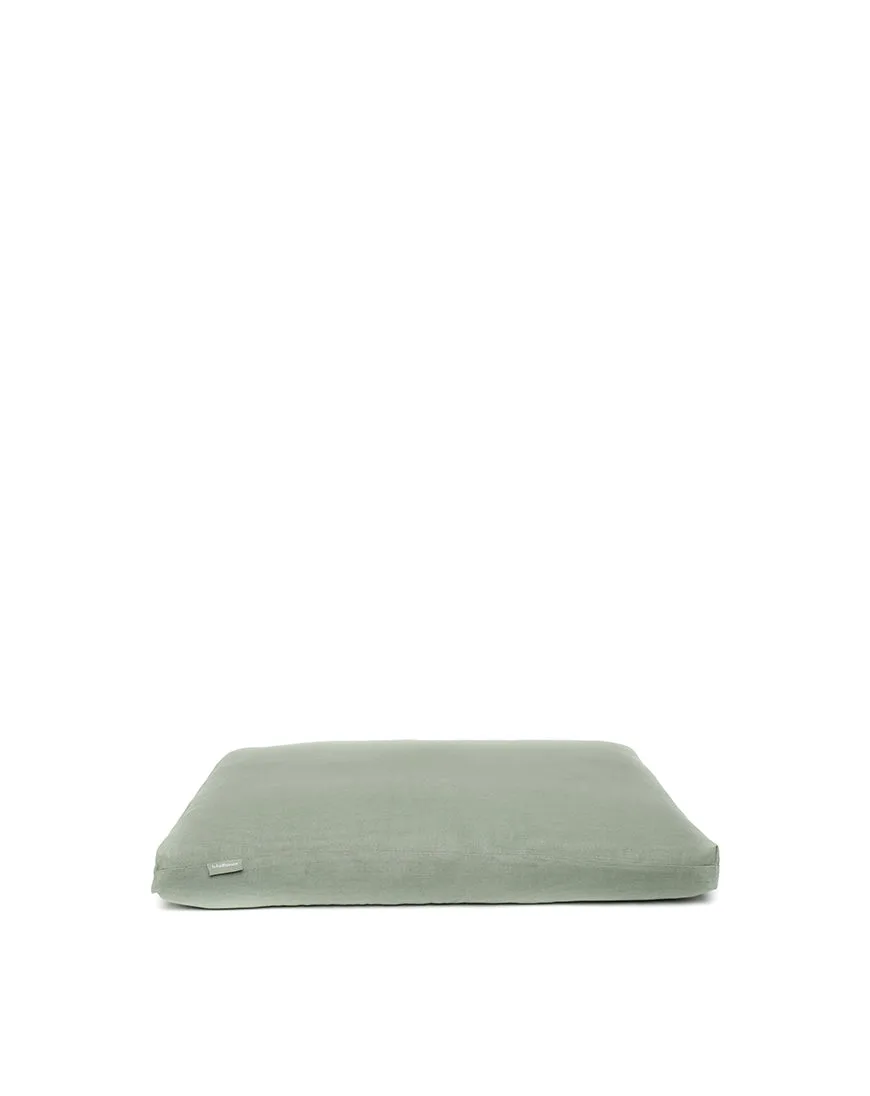
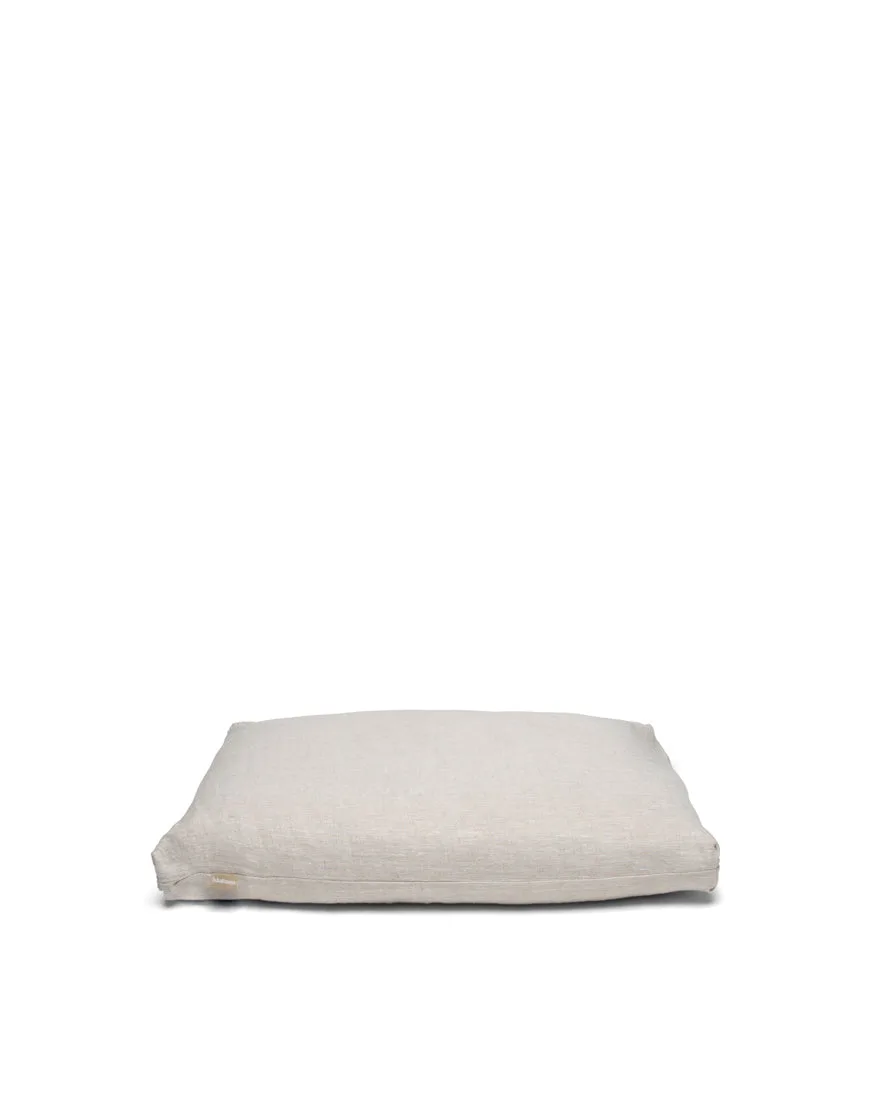
- linen zabuton cushion: Linen zabuton cushion with a removable cover, available in multiple colours. Linen benefits from cold, gentle washing and flat drying, and the colour option means you can rotate or replace a cover while the insert airs.
- cotton zabuton cushion: Cotton zabuton cushion with a removable cover, available in multiple colours. Cotton is the most tolerant of the two zabuton covers, so it can take a slightly warmer wash and a medium spin without much risk.
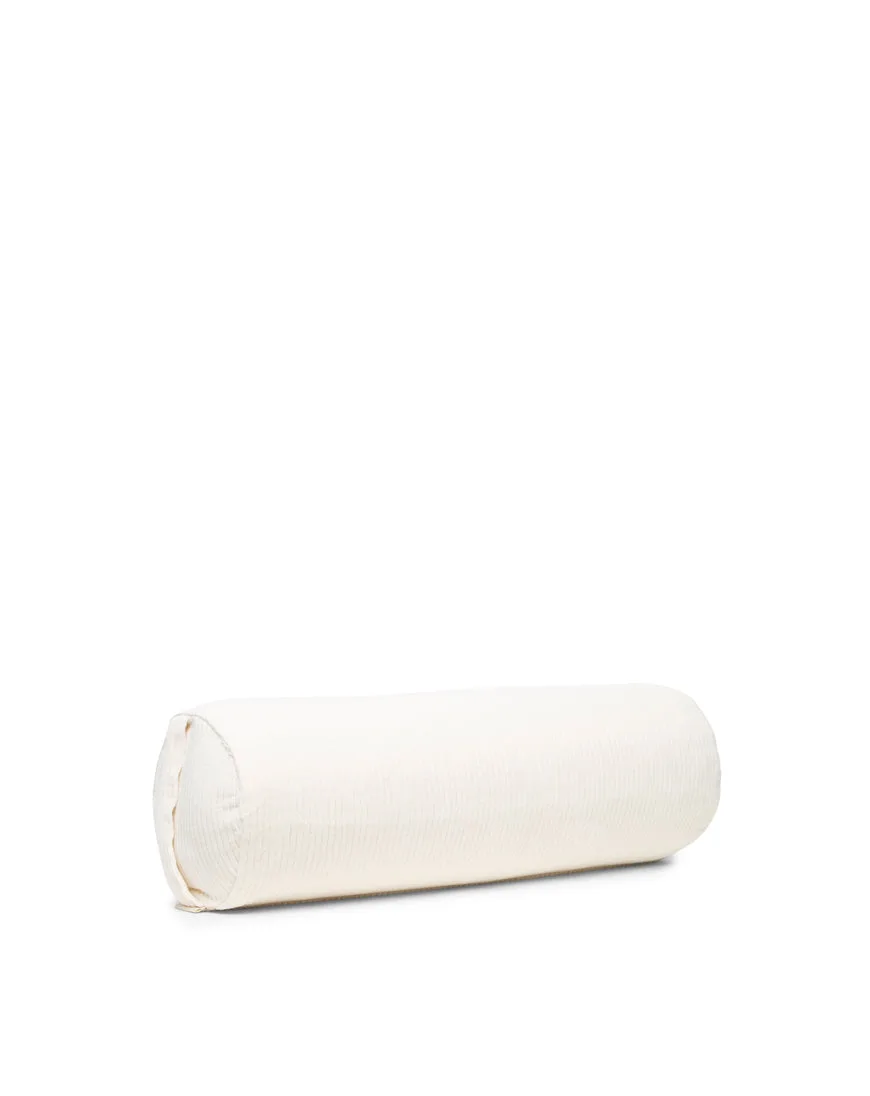
- corduroy cylindrical bolster: Corduroy cylindrical bolster, 8 inches in diameter, made from 100% all-natural cotton corduroy that is custom-dyed and resistant to shrinkage. The corduroy pile needs a low-spin, brush-free wash and air dry to stay raised, and the shrinkage resistance means you can wash it without expecting the cover to tighten around the insert.