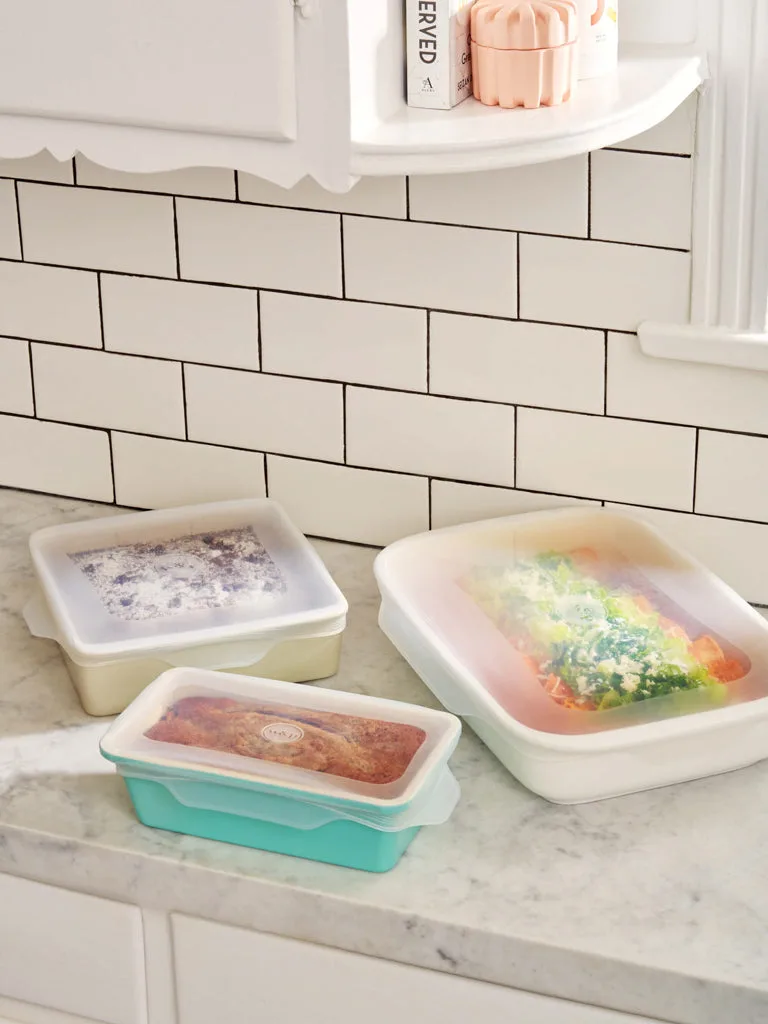
Reusable stretch lids are a game-changer for reducing plastic wrap waste, but they need proper care to last. Made from flexible silicone, they can trap odors, stains, and residue if not cleaned correctly. In this guide, we'll show you how to clean your stretch lids without damaging them, so they stay functional and fresh for years.
Whether you're using them to cover bowls, jars, or leftovers, our tips will help you maintain their grip and appearance. W&P's Reusable Stretch Produce Savers are designed for durability, but even the best silicone needs gentle handling.
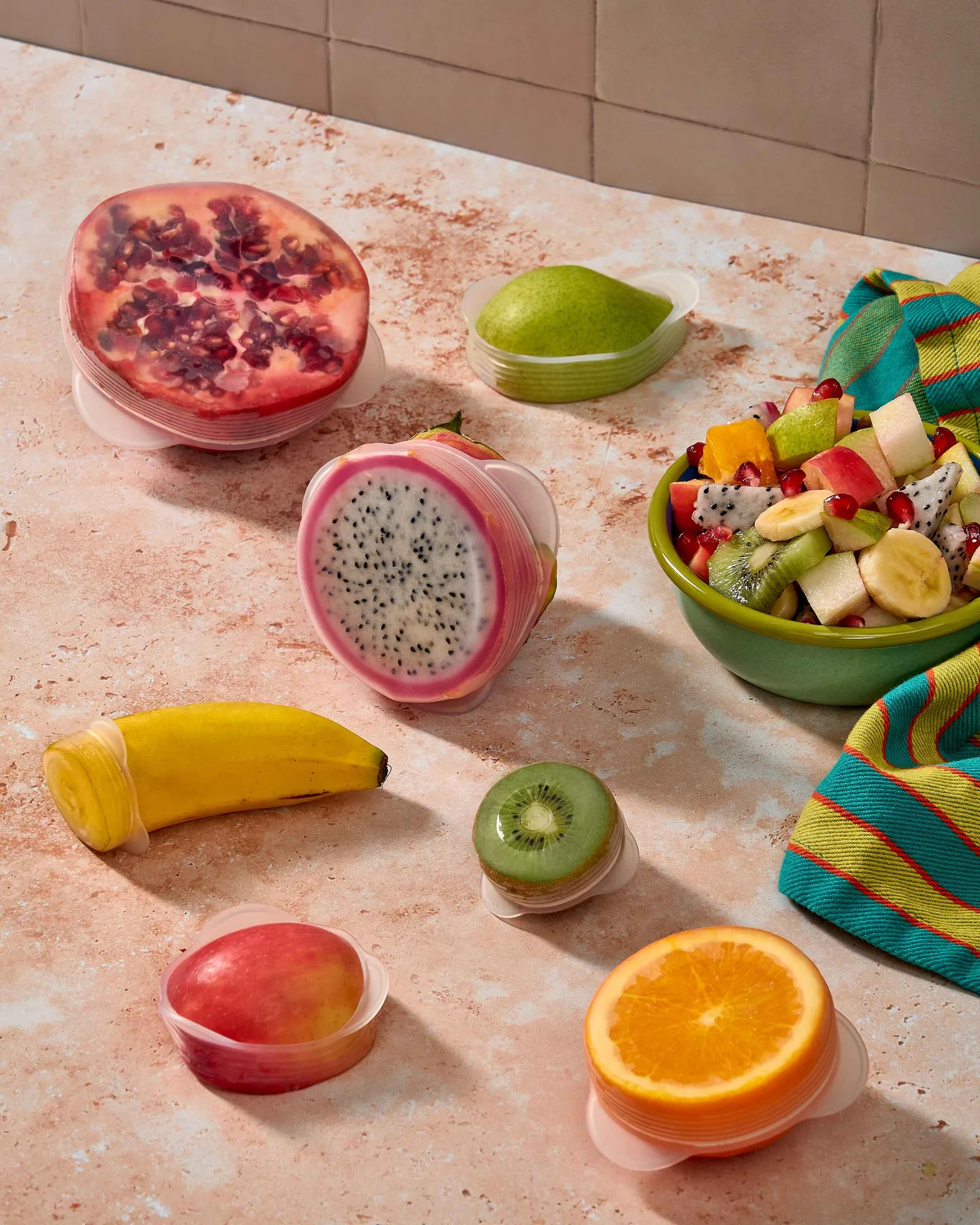
Reusable Stretch Produce Savers
Why Silicone Stretch Lids Need Special Care
Silicone is a porous material that can absorb strong smells and colors from foods like tomato sauce, curry, or beetroot. Harsh scrubbing or abrasive cleaners can scratch the surface, making it less effective at sealing. Plus, high heat can warp the silicone, so you need to avoid boiling water or dishwasher top racks with intense heat settings.
The good news is that with the right techniques, you can remove stains and odors without damaging the material. W&P's Reusable Stretch Produce Savers are made from high-quality silicone that resists wear, but following these care steps will extend their lifespan even further.
- Always rinse stretch lids immediately after use to prevent residue from drying.
- Avoid using steel wool or abrasive sponges that can scratch silicone.
Step-by-Step Cleaning Methods
For everyday cleaning, simply wash your stretch lids in warm, soapy water using a soft sponge or cloth. Use a mild dish soap and rinse thoroughly. If you have stubborn stains, create a paste of baking soda and water, gently rub it on the stain, and let it sit for 15 minutes before rinsing.
To remove odors, soak the lids in a solution of equal parts white vinegar and water for 30 minutes, then wash as usual. You can also place them in the dishwasher on the top rack, but avoid high heat drying cycles. For a deep clean, boil the lids in water for 2-3 minutes—but never longer, as excessive heat can degrade silicone.
- Baking soda paste works wonders for tomato-based stains.
- Vinegar soak eliminates garlic and onion smells effectively.
Drying and Storage Tips
After washing, air-dry your stretch lids completely before storing them. Moisture trapped in folds can lead to mold or mildew. Lay them flat on a drying rack or hang them over a cup to ensure air circulation. Avoid storing them in direct sunlight, as UV rays can weaken silicone over time.
To keep your lids organized, stack them by size or store them in a drawer with other kitchen accessories. W&P's Reusable Stretch Produce Savers come in various sizes, so you can easily find the right one for any container. Proper storage prevents creases and maintains their shape.
- Store lids in a cool, dry place away from heat sources.
- If lids become sticky, wash with a little rubbing alcohol and rinse well.
Common Mistakes to Avoid
One common mistake is using bleach or harsh chemicals to clean silicone. These can break down the material and leave harmful residues. Another is putting stretch lids in the microwave or oven, even if they are heat-resistant—high temperatures can cause warping or melting.
Also, avoid twisting or pulling the lids too aggressively when removing them. Instead, gently lift the edge to break the seal. With proper care, your stretch lids will remain flexible and effective for hundreds of uses, reducing your kitchen waste significantly.
- Never use bleach or chlorine-based cleaners on silicone.
- Don't use stretch lids with hot oil or direct flame.
By following these simple cleaning and care tips, you can keep your reusable stretch lids in top condition for years. They are a sustainable alternative to plastic wrap, and with a little attention, they'll continue to seal your food fresh. Explore W&P's collection of eco-friendly kitchen tools, including the Reusable Stretch Produce Savers, to start your zero-waste journey today.