Quick answer
Wash silicone chew pendants and teethers in warm water with a drop of mild, fragrance-free dish soap, rub every bead and crevice with your fingers for at least 20 seconds, rinse thoroughly, and air dry. Do a deeper clean once a week by boiling for 2–3 minutes or using a sterilizer, and skip harsh chemicals, abrasive scrubbers, and microwave-only methods that can damage the silicone.
Why silicone needs a different cleaning approach
Silicone is non-porous, which means it does not soak up liquids or trap bacteria the way some other materials can. That is good news for hygiene, but it also means residue from soap, food, or lotion can sit on the surface and transfer to your child’s mouth. The goal is to remove that film without scratching the silicone or leaving behind anything your child might ingest. Food-grade silicone used in Jellystone Designs US pendants is designed to be chewed, so it tolerates warm water and gentle soap well. What it does not tolerate well is repeated exposure to harsh chemicals, which can break down the surface over time and make it sticky or dull.
How often to clean chew pendants and teethers
A quick wash after every use is the simplest habit, especially if your child chews during meals, outdoor play, or after applying sunscreen. If the pendant only touched a clean shirt and a clean mouth, a daily wash is usually enough. Aim for a deeper clean once a week, or more often if your child is sick, drooling heavily, or sharing the pendant with a sibling. Teethers that spend time on the floor or in a diaper bag need the same routine. You do not need to sterilize daily; over-sterilizing is unnecessary and can shorten the life of the silicone.
What to avoid when cleaning silicone
Skip bleach, alcohol, vinegar, essential oils, and scented cleaners. These can leave residue, irritate your child’s mouth, or degrade the silicone surface. Do not use abrasive sponges, steel wool, or stiff brushes, which create tiny scratches where grime can hide. Dishwasher cleaning is convenient but the high heat and harsh detergent can be tough on silicone over time, so if you use a dishwasher, choose a low-heat or top-rack cycle and inspect the pendant afterward for changes. Never microwave a silicone pendant or teether to “sterilize” it; microwaving without water can cause hot spots and damage.
Your step-by-step cleaning routine
- 1. Remove the pendant from the cord or strap: If your pendant has a detachable cord, unclip it so you can clean the silicone fully without soaking the fabric or metal parts. Checkpoint: if the cord is not removable, wipe the silicone with a damp cloth instead of submerging the whole necklace.
- 2. Rinse under warm running water: Use warm, not hot, water to loosen saliva, food, or lotion. Hot water is not more effective and can be uncomfortable on your hands. Mistake to avoid: using scalding water, which does not clean better and may degrade the silicone over time.
- 3. Add a drop of mild, fragrance-free dish soap: One small drop is enough. Rub it over every bead, edge, and crevice with your fingers for at least 20 seconds. Checkpoint: if you can still feel a slippery film after rinsing, you used too much soap.
- 4. Rinse thoroughly until no suds remain: Hold the pendant under running water and rub the surface as you rinse. Soap residue can taste unpleasant and may irritate a sensitive mouth. Mistake to avoid: skipping the rinse because the pendant looks clean; residue is invisible but still there.
- 5. Shake off excess water and air dry: Place the pendant on a clean dish rack or towel to air dry completely before your child uses it again. Do not dry with a shared kitchen towel that may carry bacteria. Checkpoint: if you need it dry quickly, pat with a clean paper towel, but never use a heat source like a hairdryer.
- 6. Do a weekly deep clean: Once a week, boil the silicone pendant in water for 2–3 minutes, or use a steam sterilizer according to its instructions. Let it cool and dry completely. Mistake to avoid: boiling for too long or leaving the pendant sitting in hot water; a few minutes is enough.
- 7. Inspect after every wash: Look for cracks, tears, sticky spots, or a change in texture. Check the cord, clasp, and any attached parts for wear. Next step: if you see damage, stop using the pendant and replace it. A clean pendant is only safe if it is still intact.
Product facts that affect cleaning
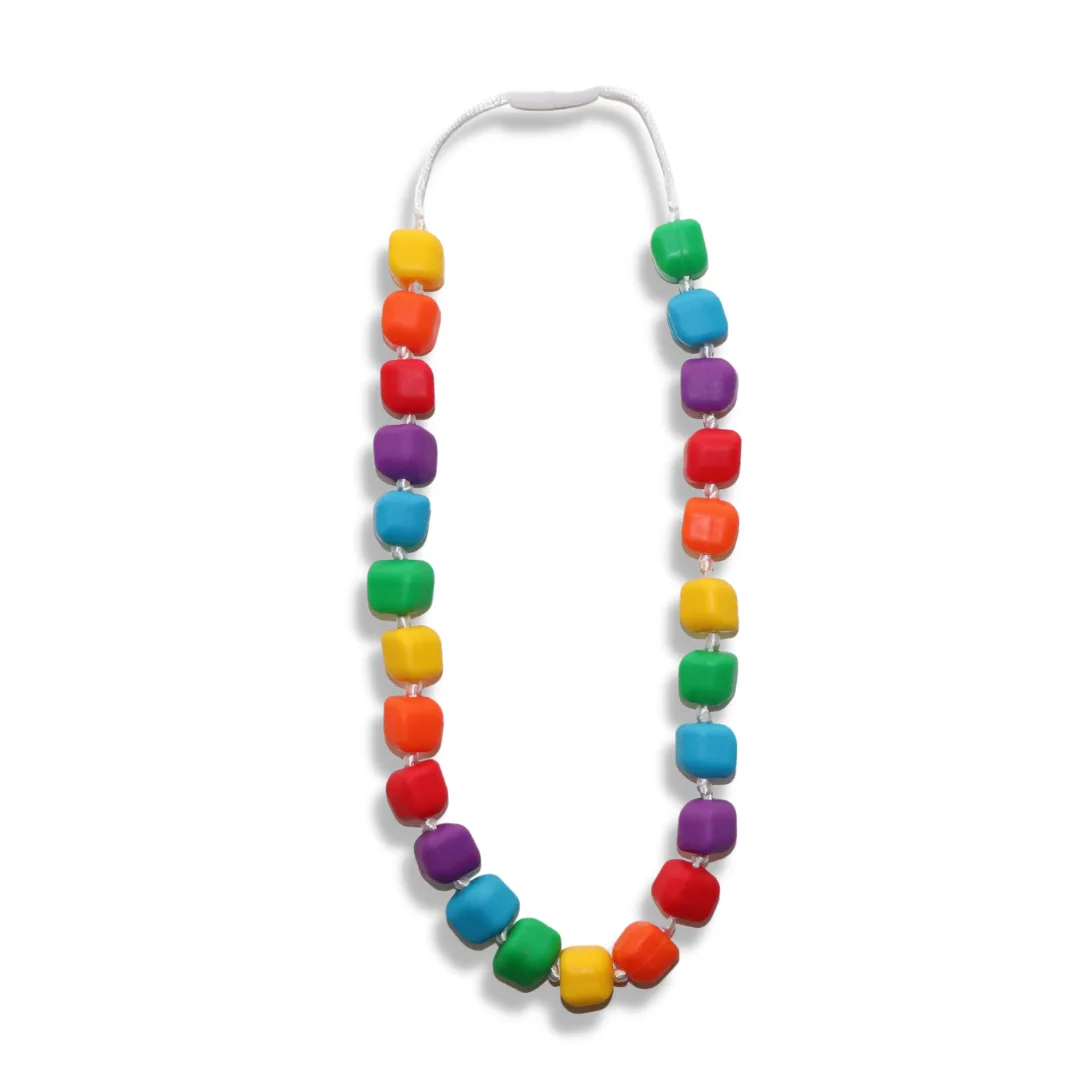
- Princess & the Pea Necklace: Princess & the Pea Necklace is made from food-grade silicone beads in different colours and doubles as a sensory tool. Because the beads are food-grade silicone, warm water and mild soap are enough; you do not need special cleansers, and the colour beads can be washed together without separating them.
- Strike Energy Pendant: Strike Energy Pendant is a silicone pendant recommended by Occupational Therapists as a tool for independent use. If your child uses it independently throughout the day, a quick post-use wash keeps it ready for the next moment and reduces the need for a full deep clean.
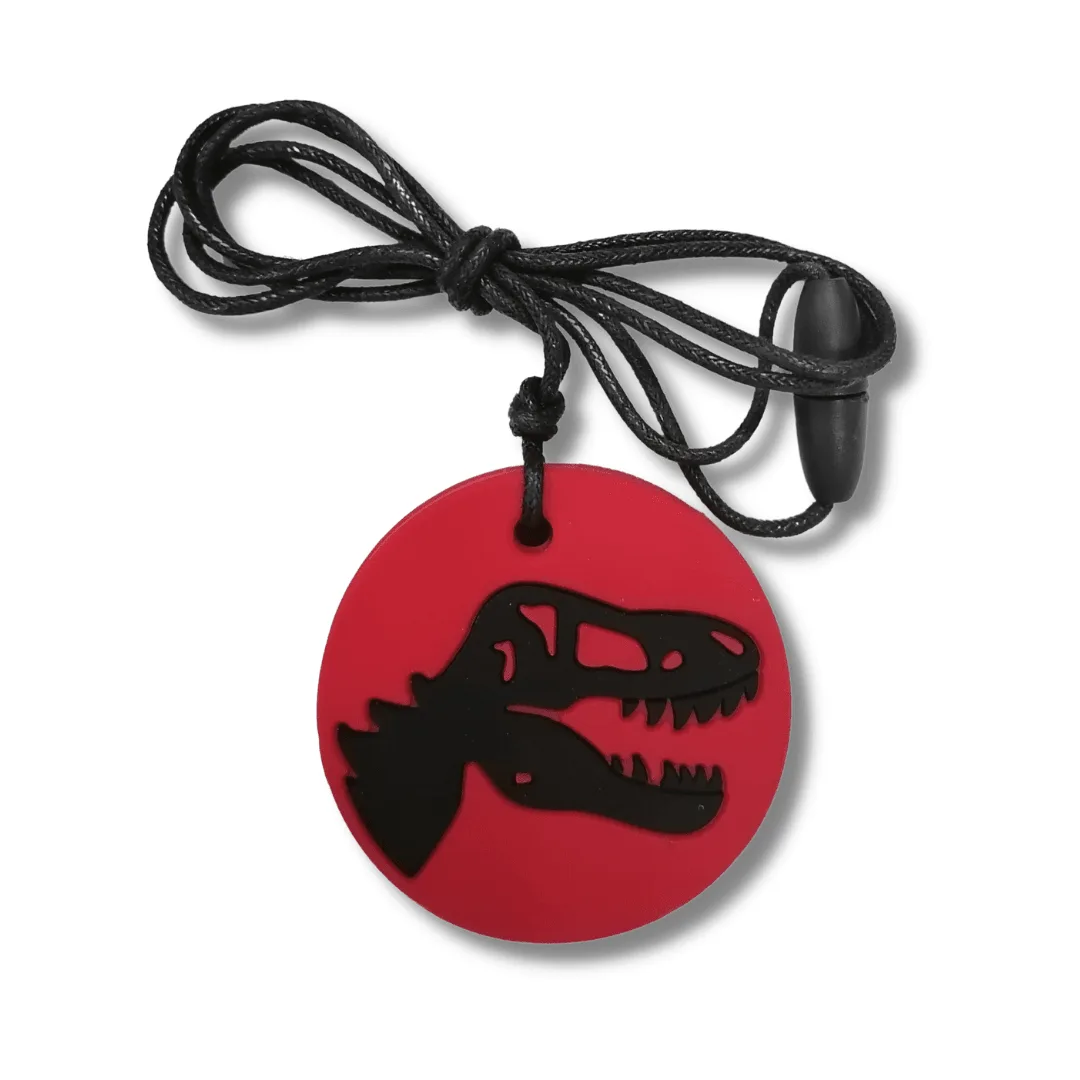
- Dino Pendant: Dino Pendant is a silicone chew pendant available in a range of colours. The colour does not change how you clean it, but checking the cord and clasp during each wash helps you catch wear early.