Silver jewelry is a timeless addition to any wardrobe, but over time, it can lose its luster and develop a dull tarnish. Before you reach for chemical-laden commercial cleaners, consider natural alternatives that are gentle on both your jewelry and the environment. In this guide, we’ll explore effective, eco-friendly ways to clean silver using ingredients you likely already have in your kitchen.
Whether you own a delicate PEACE PILGRIM BRACELET or a pair of INFINITY HOOPS - SILVER, these natural methods will help you maintain their beauty without harsh chemicals. Let’s dive into the best home remedies for silver cleaning.
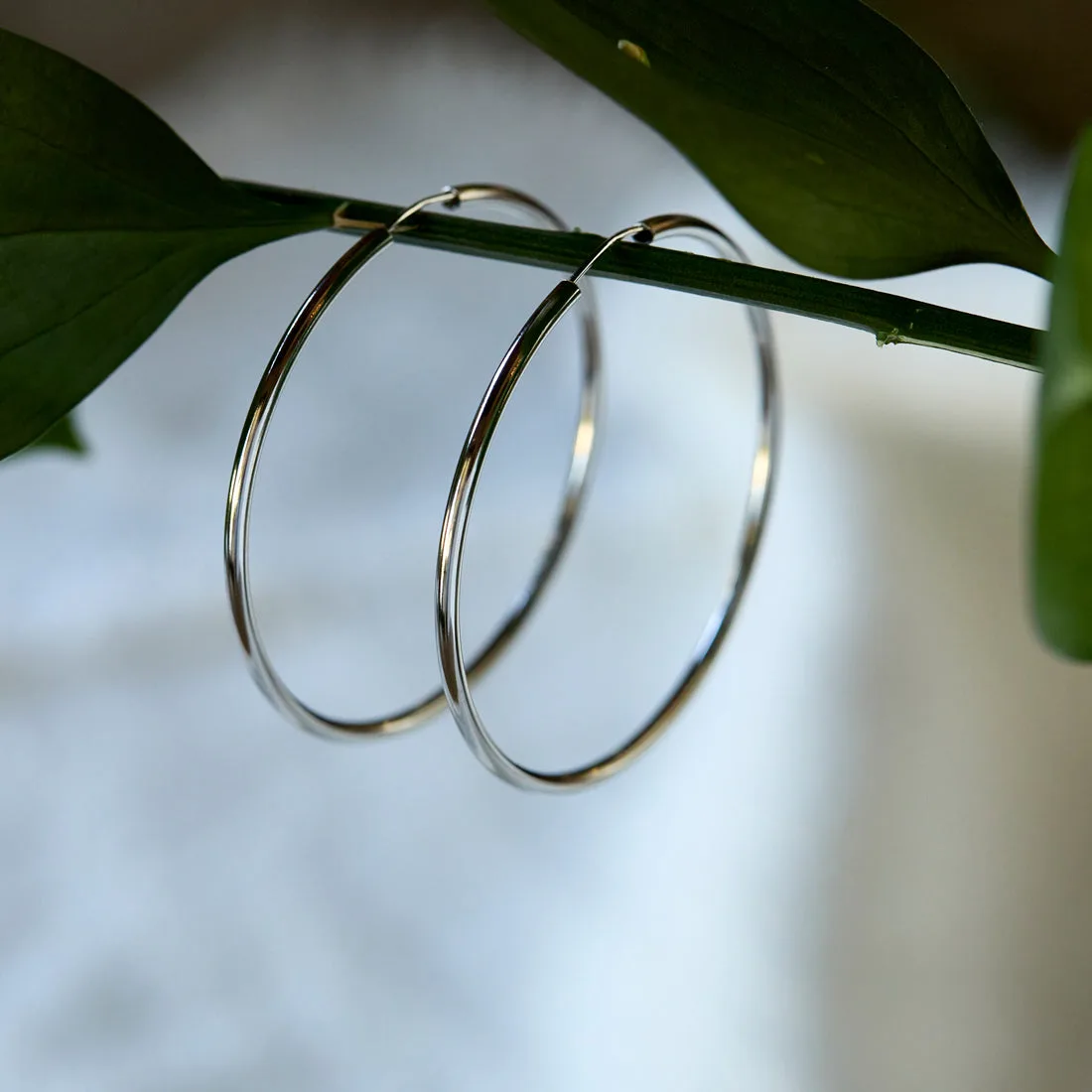
INFINITY HOOPS - SILVER
Why Choose Natural Silver Cleaners?
Commercial silver cleaners often contain toxic chemicals like thiourea and ammonia, which can be harmful to your health and the environment. They also require careful handling and proper disposal. Natural alternatives, on the other hand, are safe, inexpensive, and just as effective for most tarnish. Plus, you probably have the ingredients in your pantry right now.
Using natural cleaners also reduces your carbon footprint and supports a more sustainable lifestyle. For eco-conscious jewelry lovers, this is a win-win. Moreover, natural methods are gentle on delicate gemstones and intricate designs, making them ideal for pieces that require extra care.
- Safe for sensitive skin and the environment
- Cost-effective – uses common household items
- Gentle on delicate settings and stones
The Baking Soda and Water Paste Method
Baking soda is a gentle abrasive that works wonders on silver tarnish. To create a simple paste, mix three parts baking soda with one part water until you have a thick consistency. Apply the paste to your silver using a soft cloth or your fingers, gently rubbing in circular motions. Focus on heavily tarnished areas, then rinse with warm water and dry thoroughly.
This method is perfect for pieces like the MIDNIGHT SUN NECKLACE, which may have intricate details that need a little extra attention. The mild abrasiveness of baking soda lifts tarnish without scratching the metal. Always test on a small, inconspicuous area first, especially if your jewelry has a patina finish.
- Use a soft-bristled toothbrush for hard-to-reach crevices
- Avoid using baking soda on antique or oxidized silver
The Vinegar and Baking Soda Soak
For a deeper clean, combine white vinegar and baking soda to create a fizzing solution that loosens stubborn tarnish. In a glass bowl, mix 1/2 cup of white vinegar with 2 tablespoons of baking soda. Submerge your silver jewelry for two to three hours, then rinse and buff with a soft cloth.
This method is ideal for heavily tarnished items, but be cautious with pieces that have gemstones or pearls—prolonged soaking can damage them. For a safer approach, use the soak only for solid silver pieces and avoid it for jewelry with porous stones. After rinsing, dry thoroughly to prevent water spots.
- Do not soak jewelry with pearls, opals, or turquoise
- Use a colander to rinse small items easily
Lemon Juice and Olive Oil Polish
Lemon juice is a natural acid that breaks down tarnish, while olive oil adds a protective shine. Mix 1/2 cup of lemon juice with 2 teaspoons of olive oil in a bowl. Dip a soft cloth into the mixture and gently polish your silver. Rinse with warm water and dry with a clean cloth.
This method leaves a thin layer of oil that helps prevent future tarnishing. It’s a great option for everyday pieces like the SACRED GROUND BRACELET. However, avoid using this on silver with a matte finish, as the oil can alter the texture.
- Always rinse thoroughly to remove any oily residue
- Store silver in a dry, airtight container after cleaning
The Aluminum Foil and Baking Soda Reaction
This chemical-free method uses a simple electrochemical reaction to remove tarnish. Line a glass bowl with aluminum foil, shiny side up. Fill with hot water and add 1 tablespoon of baking soda. Place your silver jewelry in the bowl, ensuring it touches the foil. Let it sit for 5-10 minutes, then rinse and dry.
This technique is surprisingly effective and requires minimal effort. It works best for silver that is heavily tarnished but doesn't have gemstones. The reaction transfers tarnish from the silver to the foil, leaving your jewelry bright and clean. It's a favorite among eco-friendly jewelry owners.
- Use hot (not boiling) water to speed up the reaction
- Do not use this method on silver with a rhodium plating
Prevention: Keep Your Silver Shining Longer
The best way to clean silver is to prevent tarnish in the first place. Store your jewelry in a cool, dry place, preferably in individual airtight bags or a jewelry box with anti-tarnish strips. Remove silver jewelry before swimming, showering, or applying lotions and perfumes, as these can accelerate tarnishing.
Regular gentle cleaning with a soft cloth after each wear can also help maintain shine. For pieces you wear often, like the EARTHEN GLOW BRACELET, a quick wipe-down goes a long way. By incorporating these habits, you’ll reduce the frequency of deep cleaning sessions.
- Keep a soft polishing cloth handy for quick touch-ups
- Avoid storing silver in humid areas like bathrooms
Cleaning silver jewelry naturally is not only effective but also kind to your health and the planet. With these simple home remedies, you can keep your cherished pieces looking their best without harsh chemicals. Explore our collection of yoga-inspired jewelry, including the PEACE PILGRIM BRACELET, and enjoy the beauty of well-maintained silver for years to come.