Quick answer
Most plush toys can be cleaned at home: spot clean small marks, hand wash or machine wash on a gentle cycle when the toy is fully soiled, then air dry and fluff. Always check the toy's care label first, and treat vintage, musical, or fragile toys as spot-clean-only. A calm, step-by-step routine protects the fabric and keeps the toy safe for cuddles.
Stuffed animals collect dust, dribble, and outdoor dirt faster than almost anything else in a child's room. The good news is that most plush toys are sturdier than they look, and a simple routine can keep them clean without flattening the fur or loosening seams. The trick is matching the method to the toy, not throwing everything in the machine on a whim.
This guide walks through the full process, from a quick pre-check to drying and fluffing. Along the way, you'll see how specific materials and construction details, like the premium ultra-soft fabrics used in OB Designs USA plush, affect which cleaning method is safest.
Before you start: check the toy, not just the stain
Look over the whole toy before any water touches it. Squeeze along the seams, tug gently on ears and limbs, and check for loose stitches, exposed stuffing, or hard internal parts like rattles or squeakers. If a seam is already opening, washing can make it worse, so repair it first or stick to surface cleaning.
Next, find the care label. If it says surface wash only, respect that. If there is no label, treat the toy as hand-wash or spot-clean only. This is also the moment to decide whether the toy is a everyday cuddle buddy or a keepsake, because the two need different levels of caution.
- Common mistake: assuming every plush toy is machine washable because it survived a quick rinse once.
- Checkpoint: if the toy has a battery pack, music box, or glued-on decorations, do not submerge it.
Step 1: Spot clean small marks first
For isolated marks, mix a little mild liquid soap with cool water and dab it onto a clean white cloth. Blot the stain from the outside in so you don't spread it. Avoid scrubbing hard, which can pill the fabric and pull the pile out of shape.
Work in small sections and rinse the cloth often. When the mark lifts, press a dry towel over the area to absorb moisture. Spot cleaning is the fastest way to keep plush toys fresh between deeper washes, and it is the only safe option for toys with electronic parts.
- Common mistake: soaking the whole toy for one small spot, which can leave water marks and slow drying.
- Checkpoint: test any cleaning solution on a hidden seam or the back of a limb first.
Step 2: Hand wash when the toy is fully soiled
Fill a basin with cool water and a small amount of gentle detergent. Submerge the toy and gently squeeze the water through the fabric rather than wringing or twisting. Pay attention to high-contact areas like the face, paws, and any part that gets dragged around the house.
Rinse in clean cool water until no suds remain. Squeeze gently, then roll the toy in a dry towel and press to remove excess water. Hand washing gives you the most control, which matters for toys with mixed materials or delicate stitching.
- Common mistake: using hot water, which can shrink some fabrics and set protein stains.
- Checkpoint: if the water turns cloudy with dye, stop and rinse immediately to avoid color bleeding.
Step 3: Machine wash only when the label allows it
If the care label permits machine washing, place the toy inside a pillowcase or mesh laundry bag and tie it closed. Use a gentle cycle with cold water and a small amount of mild detergent. Skip fabric softener, which can coat the fibers and reduce softness over time.
Wash plush toys separately from towels or clothing with zippers and hooks. Those items can snag fur and loosen seams. When the cycle ends, remove the toy promptly. Leaving it damp in the drum is how mildew starts.
- Common mistake: using the normal cycle because the toy looks tough.
- Checkpoint: if the toy comes out misshapen, reshape it by hand before drying.
Step 4: Dry and fluff without heat damage
Air drying is the safest default. Lay the toy flat on a clean towel or hang it in a well-ventilated spot away from direct sun, which can fade colors. Turn it over halfway through so both sides dry evenly. Most plush toys need 12 to 24 hours depending on size and stuffing density.
If the label allows tumble drying, use the lowest heat setting and check every few minutes. A short low-heat cycle can help restore fluff, but overheating can melt synthetic fibers or crack internal parts. Once dry, massage the toy with your hands to break up clumps and bring the pile back up.
- Common mistake: putting a damp toy in a warm cupboard, which traps moisture inside the stuffing.
- Checkpoint: press the thickest part of the toy; if it feels cool or damp, keep drying.
Step 5: Refresh between washes
You don't need a full wash every week. A quick shake outside, a gentle brush with a soft-bristled brush, and a wipe with a barely damp cloth handle most surface dust. For toys that live on a bed, a regular airing helps reduce odors without water.
Rotate toys so one isn't constantly dragged through snacks and dirt. If a toy is a favorite, consider a second one for outings. That simple habit cuts down on how often you need to wash soft toys and extends the life of the fabric.
- Common mistake: spraying perfume or disinfectant directly on plush, which can irritate skin and damage fibers.
- Checkpoint: if the toy still smells after airing, it's time for a proper wash.
Your 5-step stuffed animal cleaning routine
- Inspect and read the label: Check seams, internal parts, and care instructions before any water. Repair loose stitches first. If the label says surface wash only, stop here and spot clean.
- Spot clean small marks: Use cool water and mild soap on a white cloth. Blot, don't scrub, and rinse the cloth often. Test on a hidden area first.
- Hand wash or machine wash gently: Hand wash in cool water with gentle detergent, or use a pillowcase on a gentle cycle if the label allows. Never use hot water or fabric softener.
- Air dry and reshape: Lay flat or hang away from direct sun. Turn halfway through. Tumble dry only on low if permitted. Make sure the thickest part is completely dry before storing.
- Refresh between washes: Shake, brush, and air regularly. Rotate toys to reduce heavy soiling. If odor lingers after airing, do a full wash.
What to know about OB Designs USA plush
- Little Wallace Wombat – Soft Toy (Vegan Angora) 8.5"/ 22cm: Made with premium, ultra-soft vegan angora materials and independently safety tested. The soft pile benefits from gentle hand washing and air drying to keep the texture smooth and avoid matting.
- Little Miso Moons Octopus Soft Toy 8.5" / 22cm: Designed by OB in Australia since 2008, ships from the US warehouse, and is independently safety tested. Knowing the toy is safety tested gives you confidence that gentle cleaning won't compromise basic safety, but you should still follow the care label.
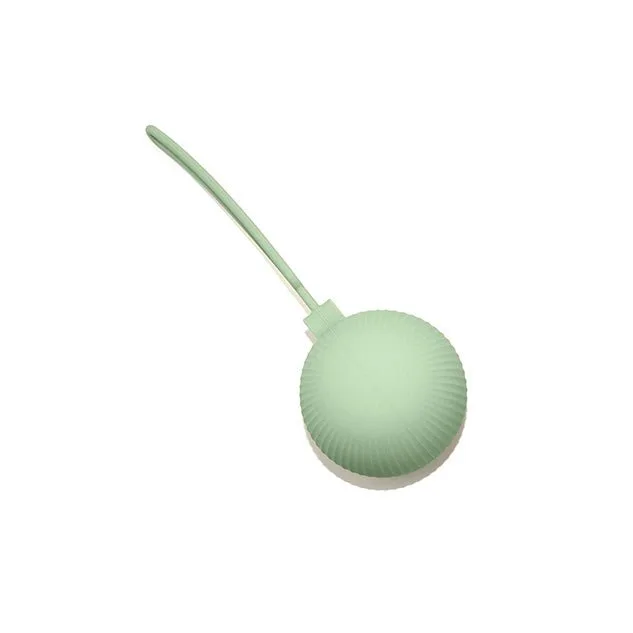
- Mint Eco-Friendly Pacifier Holder: Made from 100% food-grade silicone that is BPA and phthalate free and independently safety tested. Silicone accessories can be wiped clean more easily than fabric plush, so they need less frequent deep cleaning.
Cleaning stuffed animals is less about heavy scrubbing and more about matching the method to the toy. With a quick inspection, the right water temperature, and patient drying, your plush toys stay soft, safe, and ready for the next cuddle.