USB-C cables are the lifeline of your modern devices, from smartphones to laptops. But over time, dust, lint, and grime can accumulate in the connectors and along the cable, leading to poor connections, slower charging, or even complete failure. Cleaning your USB-C cable regularly is essential for maintaining its performance and extending its lifespan.
In this guide, we'll walk you through safe and effective methods to clean both the cable and its connectors, avoiding common mistakes that could damage your equipment. Whether you're dealing with a stubborn charging issue or just want to keep your gear in top shape, these tips will help you keep your USB-C cables working like new.
Why Cleaning Your USB-C Cable Matters
Your USB-C cable is exposed to everyday wear and tear. Pocket lint, dust, and even tiny food particles can find their way into the connectors, causing intermittent charging or data transfer issues. Over time, this buildup can also lead to corrosion or damage to the delicate pins inside the connector, which might require expensive replacements.
Regular cleaning not only ensures a reliable connection but also prevents potential safety hazards. A dirty connector can cause short circuits or overheating, which could damage your device or, in extreme cases, pose a fire risk. By incorporating cable maintenance into your routine, you protect both your devices and your wallet.
- Check your cable and connectors for visible dirt or debris before cleaning.
- Unplug the cable from any power source before starting the cleaning process.
What You Need for Safe Cleaning
Before you start, gather a few simple tools: a soft, lint-free cloth (like a microfiber cloth), isopropyl alcohol (70% or higher), cotton swabs, and a can of compressed air. These items are gentle enough to clean without causing damage to the cable's insulation or the connector's internal pins.
Avoid using water, household cleaners, or abrasive materials like paper towels or metal tools. Water can seep into the connector and cause short circuits, while abrasive materials can scratch the surfaces and damage the pins. Stick to the recommended tools for the best results.
- Use a microfiber cloth to wipe the exterior of the cable.
- Dampen a cotton swab with isopropyl alcohol for deep cleaning of the connector.
Step-by-Step Cleaning Process
Start by unplugging the cable from your device and power source. Use a can of compressed air to blow out loose dust and debris from the connector openings. Hold the cable with the connector facing downward so that dislodged particles fall out rather than deeper into the connector.
Next, dip a cotton swab in isopropyl alcohol and gently swab the inside of the connector. Be careful not to apply too much pressure, as the pins are delicate. For the cable exterior, wipe it down with a microfiber cloth slightly dampened with alcohol. Let the cable air dry completely before using it again.
- Do not insert anything metallic into the connector.
- If the connector is heavily soiled, repeat the alcohol swab process.
Preventive Maintenance Tips
Prevention is better than cure. To keep your USB-C cable clean for longer, avoid wrapping it tightly, as this can cause stress on the connectors. Store your cables in a dry, dust-free environment, and consider using cable organizers or cases to protect them when not in use.
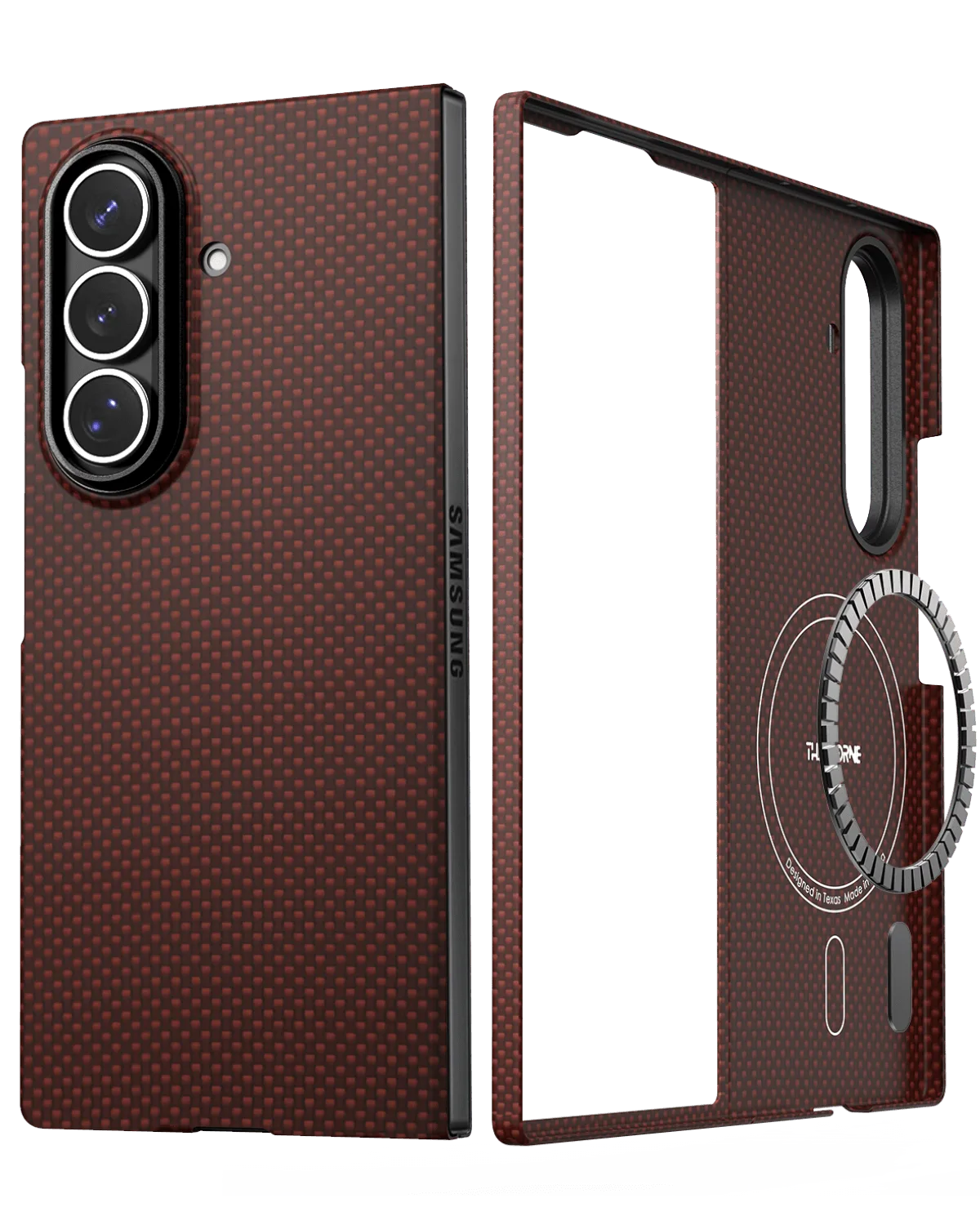
When traveling, carry your cables in a dedicated pouch to prevent lint and dust from accumulating. If you're using a high-quality cable like our https://peacefulnestyai.shop/products/iphone-17-pro-max-case-super-thin-aramid-fiber-magsafe-crimson-301727https://peacefulnestyai.shop/products/iphone-17-pro-max-case-super-thin-aramid-fiber-magsafe-301737https://peacefulnestyai.shop/products/iphone-17-pro-max-case-301736iPhone 17 Pro Max Case - Super Thin | Aramid Fiber | MagSafe - Crimson (though that's a case, not a cable, it's a good example of quality accessories), you'll want to keep it in top condition to enjoy its full lifespan.
- Invest in a cable organizer to keep your cables tangle-free and clean.
- Avoid bending the cable at sharp angles, especially near the connectors.
When to Replace Your USB-C Cable
Even with regular cleaning, USB-C cables have a finite lifespan. If you notice fraying, exposed wires, or if the cable becomes loose when plugged in, it's time to replace it. Continuing to use a damaged cable can be dangerous and may damage your device's port.
When choosing a replacement, look for cables that are durable and well-made. For instance, our iPhone 17 Pro Max Case is a great example of a high-quality accessory, but for cables, consider options with braided nylon or reinforced connectors. Investing in a quality cable ensures better performance and longevity.
- Test your cable with a different device to confirm if it's the source of the problem.
- Always buy cables from reputable brands to ensure safety and durability.
Regular cleaning and proper maintenance of your USB-C cables will keep them performing at their best and extend their lifespan. By following the safe cleaning methods outlined above, you can avoid common issues like poor connectivity and potential damage. Remember to handle your cables with care and replace them when necessary. For more high-quality accessories, check out our iPhone 17 Pro Max Case and other products to complement your tech setup.