Why Cleaning Your Bidon Matters
Your Café du Cycliste Bidon is a daily companion on every ride. Keeping it clean isn't just about looks—it helps the membrane lid work properly and prevents any buildup that could affect taste or hygiene. The good news: both the Ride with Friends and Flying Fish designs share the same simple care approach.
What the Records Tell Us About Cleaning
The supplied information confirms that all Café du Cycliste bidons are BPA-free and leak-proof. It does not include specific cleaning instructions, temperatures, or dishwasher safety details. That means we need to rely on general best practices for similar cycling bottles. The key is to avoid harsh chemicals or abrasive scrubbers that could damage the membrane valve or the printed design.
Bidon Features That Affect Cleaning
-
Bidon: Le couvercle à membrane s'ouvre et se ferme d'un seul geste. The membrane lid is the most delicate part. Cleaning should focus on keeping the valve mechanism free of debris without forcing it open or using stiff brushes.
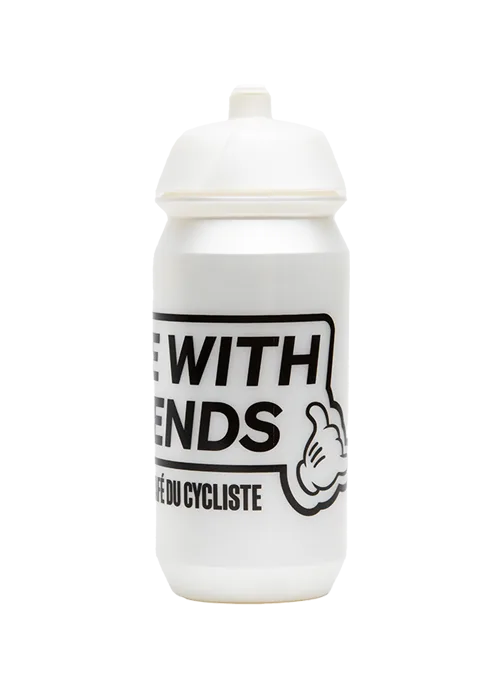
Bidon
-
Bidon: Tous nos bidons sont sans BPA, étanches et éminemment élégants. BPA-free plastic is safe, but it can absorb odors if not rinsed well. Regular cleaning prevents lingering smells and keeps the bottle fresh for your next ride.
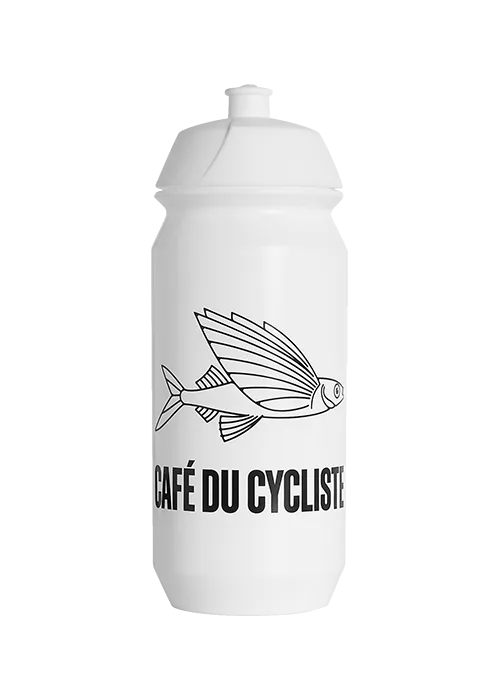
Bidon
Simple Steps for Daily Cleaning
After each ride, follow these steps to keep your bidon in top shape. The supplied records don't specify exact times or temperatures, so use common sense and avoid extremes.
- Rinse immediately after use: Empty any remaining water and rinse the bottle and lid with warm tap water. This removes sweat, dirt, and drink residue before they dry.
- Use mild soap and a bottle brush: Fill the bottle with warm water and a drop of mild dish soap. Use a soft bottle brush to scrub the interior, especially the bottom corners. For the membrane lid, rinse it under running water and gently work the valve open and closed to flush out any particles.
- Rinse thoroughly: Rinse the bottle and lid several times with clean water until no soap remains. Soap residue can affect taste and may irritate the valve.
- Air dry with the lid open: Turn the bottle upside down on a drying rack or leave it upright with the lid open. This allows air to circulate and prevents moisture from getting trapped inside the valve.
What About Deep Cleaning or Mold Removal?
If you notice any discoloration or a musty smell, a deeper clean may help. The supplied information does not confirm specific methods for mold removal, but a common approach for BPA-free bottles is to soak with a solution of warm water and baking soda or a dedicated bottle cleaner. Always rinse very well afterward. Avoid using bleach or abrasive scrubbing pads, as they can damage the plastic and the printed design. If the membrane lid becomes stiff or sticky, flushing it with warm water while working the valve open and closed often restores smooth operation.
What the Supplied Information Does Not Cover
The records do not include dishwasher safety, recommended soaking times, or specific cleaning products. For the best care, treat your bidon like other quality cycling bottles: hand wash with mild soap, avoid extreme heat, and let it dry completely between uses. This keeps the BPA-free material and the membrane lid working ride after ride.