Your makeup brushes and sponges are your best friends when it comes to achieving a flawless complexion, but they can also become a breeding ground for bacteria, oil, and old product residue. Dirty tools don’t just compromise your makeup application—they can directly cause breakouts, irritation, and even infections. If you’ve been struggling with persistent acne or clogged pores, the culprit might be hiding in your brush bristles or sponge fibers.
Cleaning your makeup tools regularly is one of the simplest yet most overlooked steps in a skincare-makeup routine. Not only does it protect your skin, but it also extends the lifespan of your brushes and sponges, saving you money in the long run. In this guide, we’ll walk you through the best methods for cleaning makeup brushes and sponges, how often to do it, and how to keep your tools in top condition. Plus, we’ll show you how pairing clean tools with a great foundation like the Jeffree Star Approved Instant Glow Cushion Foundation can elevate your glow game.
Why Cleaning Your Makeup Tools Matters for Your Skin
When you use a dirty makeup brush or sponge, you are essentially spreading old makeup, dead skin cells, and bacteria back onto your face. This can lead to clogged pores, breakouts, and even conditions like folliculitis. For those with sensitive or acne-prone skin, the risk is even higher. The Jeffree Star Approved Instant Glow Cushion Foundation is designed to give you a radiant, even finish, but if your tools are dirty, the formula won’t apply smoothly, and you may end up with patchy coverage or irritation.
Beyond breakouts, dirty tools can also cause your foundation to oxidize or change color faster, and they can harbor fungi or yeast that lead to infections around the eyes or lips. Regularly cleaning your brushes and sponges removes these impurities, ensuring that each application is fresh, hygienic, and gentle on your skin.
- Dirty brushes can double the bacteria on your skin with each use.
- Sponges absorb more product and oil than brushes, making them a hotspot for microbial growth.
- Clean tools help your foundation blend seamlessly, giving you that airbrushed look.
How to Clean Makeup Brushes: Step-by-Step
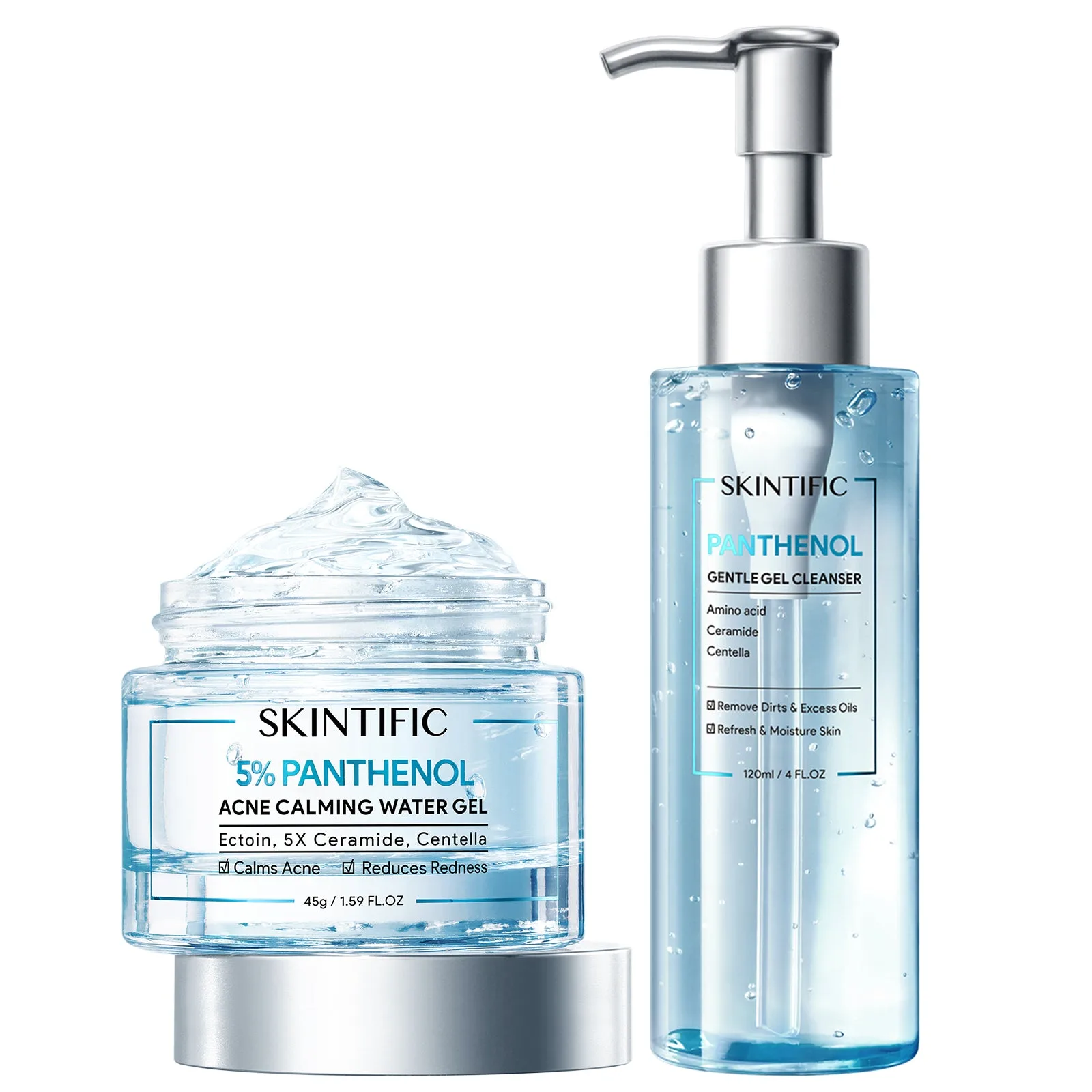
Cleaning your makeup brushes doesn’t have to be complicated. Start by wetting the bristles with lukewarm water—avoid getting water into the ferrule (the metal part) as it can loosen the glue. Apply a small amount of gentle cleanser, such as a mild shampoo or a dedicated brush cleaner. You can also use a facial cleanser like the Panthenol Gentle Gel Cleanser, which is gentle enough for your tools and won’t strip the bristles. Gently swirl the brush in the palm of your hand or on a textured silicone mat to work up a lather.
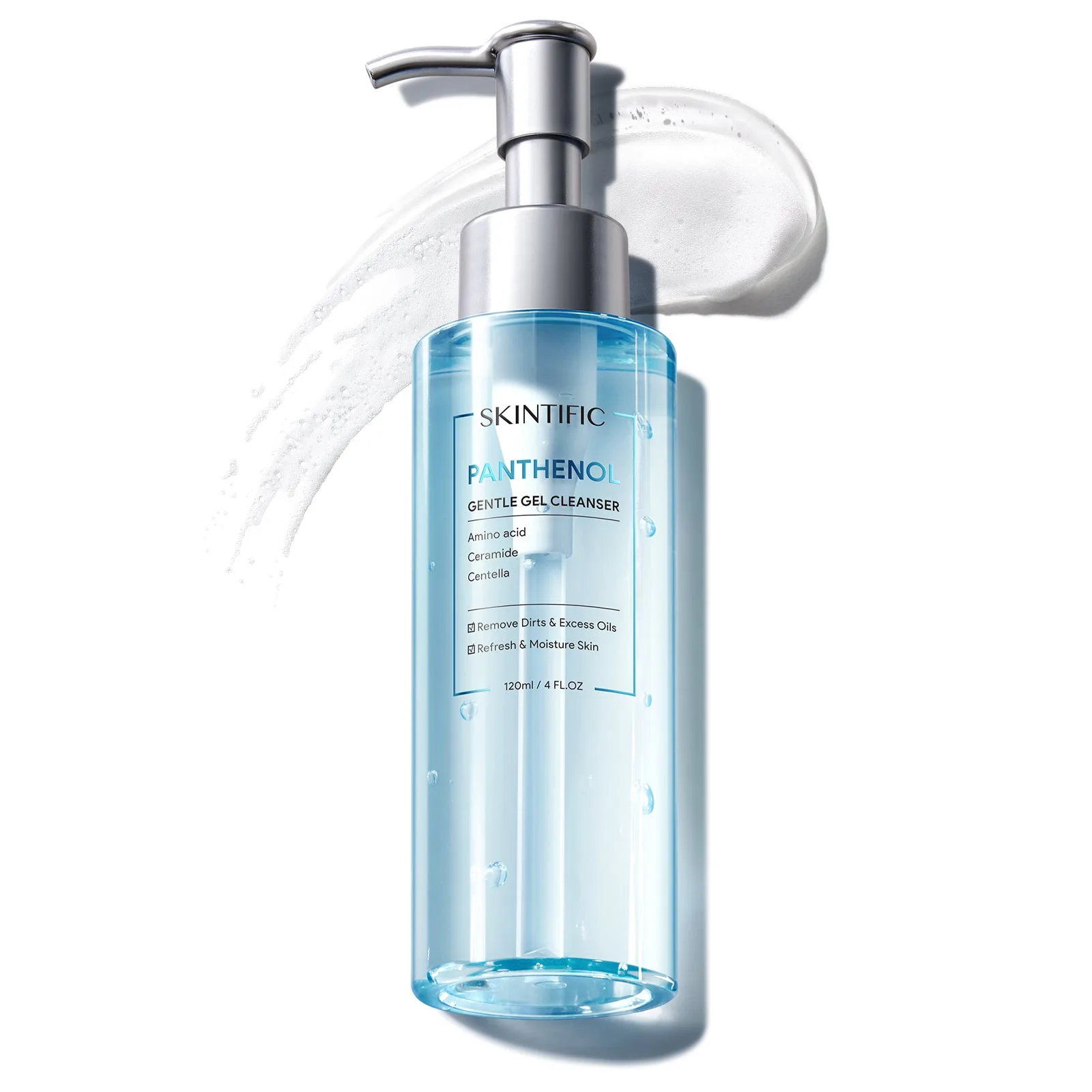
Panthenol Gentle Gel Cleanser
Rinse thoroughly until the water runs clear, then gently squeeze out excess water with a clean towel. Reshape the bristles and lay the brushes flat to dry on a towel with the bristles hanging slightly off the edge of a counter to allow airflow. Never dry brushes upright in a cup—water can seep into the ferrule and damage the brush. For best results, deep clean your brushes every 7 to 10 days, and spot clean them after each use with a quick spray of alcohol or brush cleaner.
- Use lukewarm water, not hot, to preserve bristle integrity.
- Avoid soaking the entire brush; only clean the bristles.
- For synthetic brushes, a gentle dish soap works well too.
How to Clean Makeup Sponges (Beauty Blenders)
Makeup sponges are porous and absorb a lot of product, so they need extra care. Wet the sponge completely under running water until it expands. Apply a small amount of liquid soap or a gentle facial cleanser—again, the Panthenol Gentle Gel Cleanser works beautifully because it’s sulfate-free and won’t dry out the sponge material. Squeeze and massage the sponge to work the cleanser through every pore. You’ll see the old foundation and impurities oozing out.
Rinse the sponge thoroughly under running water, squeezing repeatedly until no more suds appear. Then, squeeze out as much water as possible and let the sponge air dry on a clean towel or a drying rack. Never wring or twist the sponge, as this can tear it. Replace your sponges every 3 to 4 months, or sooner if they start to smell or show signs of wear. A clean sponge will apply your Jeffree Star Approved Instant Glow Cushion Foundation flawlessly, giving you that dewy, even finish without streaks.
- Wet the sponge before applying any cleanser to prevent it from absorbing too much soap.
- Microwave a damp sponge for 1 minute (with soap) to kill bacteria—but only if it’s 100% silicone-free.
- Always store sponges in a breathable container to prevent mold.
How Often Should You Clean Your Makeup Tools?
The frequency of cleaning depends on how often you use your tools. For daily makeup users, brushes should be deep cleaned once a week, while sponges should be cleaned after every 2 to 3 uses. If you have acne-prone or sensitive skin, consider cleaning your brushes every 3 to 4 days. Spot cleaning with a quick spray of alcohol can be done daily to keep bacteria at bay between deep cleans.
For tools used with cream or liquid products like foundation, concealer, or cream blush, more frequent cleaning is essential because these formulas are more prone to bacterial growth. Powder brushes can go a bit longer between washes, but don’t let them go more than two weeks. Keeping a consistent cleaning schedule not only protects your skin but also ensures that your high-quality products—like the Jeffree Star Approved Instant Glow Cushion Foundation—perform at their best every time.
- Foundation and concealer brushes: clean after every 2-3 uses.
- Eye shadow brushes: clean weekly to avoid color transfer.
- Lip brushes: clean after each use to prevent bacteria buildup.
Common Mistakes to Avoid When Cleaning Makeup Tools
One of the biggest mistakes is using harsh cleansers that strip the bristles of natural oils, causing them to become dry, brittle, and prone to shedding. Avoid using alcohol-based cleansers on natural hair brushes, as they can damage the fibers. Another mistake is drying brushes upright in a cup—this can cause water to seep into the handle and loosen the glue, ruining the brush over time. Always lay them flat to dry.
Also, don’t rush the drying process. Using a hairdryer or placing brushes near a heater can warp the bristles and damage the ferrule. Patience is key. Finally, never share your brushes or sponges with others, as this can transfer bacteria and lead to breakouts. By avoiding these common pitfalls, you’ll keep your tools in excellent condition and your skin clear and glowing.
- Don’t soak brushes in water for long periods—it weakens the glue.
- Avoid using fabric softener or conditioner on sponges—it can clog pores.
- Replace brushes that shed excessively or have loose ferrules.
Cleaning your makeup brushes and sponges is a small habit that makes a huge difference in your skin’s health and your makeup’s performance. By keeping your tools clean, you prevent breakouts, extend the life of your brushes and sponges, and ensure that every application of your favorite foundation looks flawless. Pair your clean tools with the Jeffree Star Approved Instant Glow Cushion Foundation for a radiant, even complexion that lasts all day. Start your clean tool routine today and see the glow for yourself!