Cleaning your makeup brushes is one of the most important steps in any skincare and makeup routine. Dirty brushes can harbor bacteria, oil, and product buildup, leading to breakouts, uneven application, and even eye infections. Yet many people neglect this crucial habit. In this guide, we'll walk you through how to clean your makeup brushes effectively, using tools like the Makeup Brush Cup to make the process easier and more efficient.

Makeup Brush Cup
Whether you're a makeup novice or a seasoned pro, regular brush cleaning is essential for maintaining the quality of your tools and the health of your skin. We'll cover everything from what supplies you need to step-by-step instructions for both deep cleaning and quick spot cleaning. Plus, we'll highlight how the Sigma Brush Cup can revolutionize your cleaning routine.
Why Clean Your Makeup Brushes?
Makeup brushes collect more than just pigment. Over time, they accumulate dead skin cells, sebum, and bacteria from your face, as well as residual product. Using dirty brushes can transfer these impurities back onto your skin, causing clogged pores, acne, and irritation. For eye brushes, the risk is even higher—bacteria can lead to styes or conjunctivitis.
Regular cleaning also preserves the performance of your brushes. Clean bristles pick up and distribute product more evenly, giving you a flawless finish. Brushes that are caked with old makeup become stiff, shed bristles, and lose their shape. By cleaning them properly, you extend their lifespan and save money in the long run.
- Tip: Aim to deep clean your brushes every 1-2 weeks, and spot clean after each use if you use liquid or cream products.
What You'll Need for Brush Cleaning
To clean your brushes thoroughly, gather the following supplies: a gentle brush cleanser or mild shampoo, a small bowl or the Makeup Brush Cup, a clean towel or paper towels, and a drying rack or flat surface. The Makeup Brush Cup is specially designed with silicone ridges and a textured interior to help agitate bristles and remove makeup residue without damaging the ferrule.
For a deep clean, you can also use a silicone brush cleaning mat or glove. However, the Sigma Brush Cup simplifies the process by combining a cup and cleaning surface in one. It's also great for drying brushes upside down to prevent water from loosening the glue inside the handle.
- Pro tip: Use lukewarm water—hot water can damage bristles and loosen glue.
Step-by-Step Guide to Cleaning Your Brushes
Step 1: Wet the bristles of your brush under lukewarm running water, keeping the handle and ferrule (the metal part) dry to prevent water from seeping into the glue. Step 2: Apply a small amount of brush cleanser or gentle shampoo to the bristles. You can either swirl the brush directly on a cleaning mat or use the Sigma Brush Cup filled with water and a drop of cleanser.
Step 3: Gently massage the bristles in the palm of your hand or against the ridges of the Brush Cup, working up a lather. Focus on the tips where product accumulates. Step 4: Rinse thoroughly under running water until the water runs clear. Repeat if necessary. Step 5: Gently squeeze out excess water with a towel, reshape the bristles, and lay the brush flat or hang it upside down to dry. Avoid standing brushes upright in a cup while wet, as water can damage the handle.
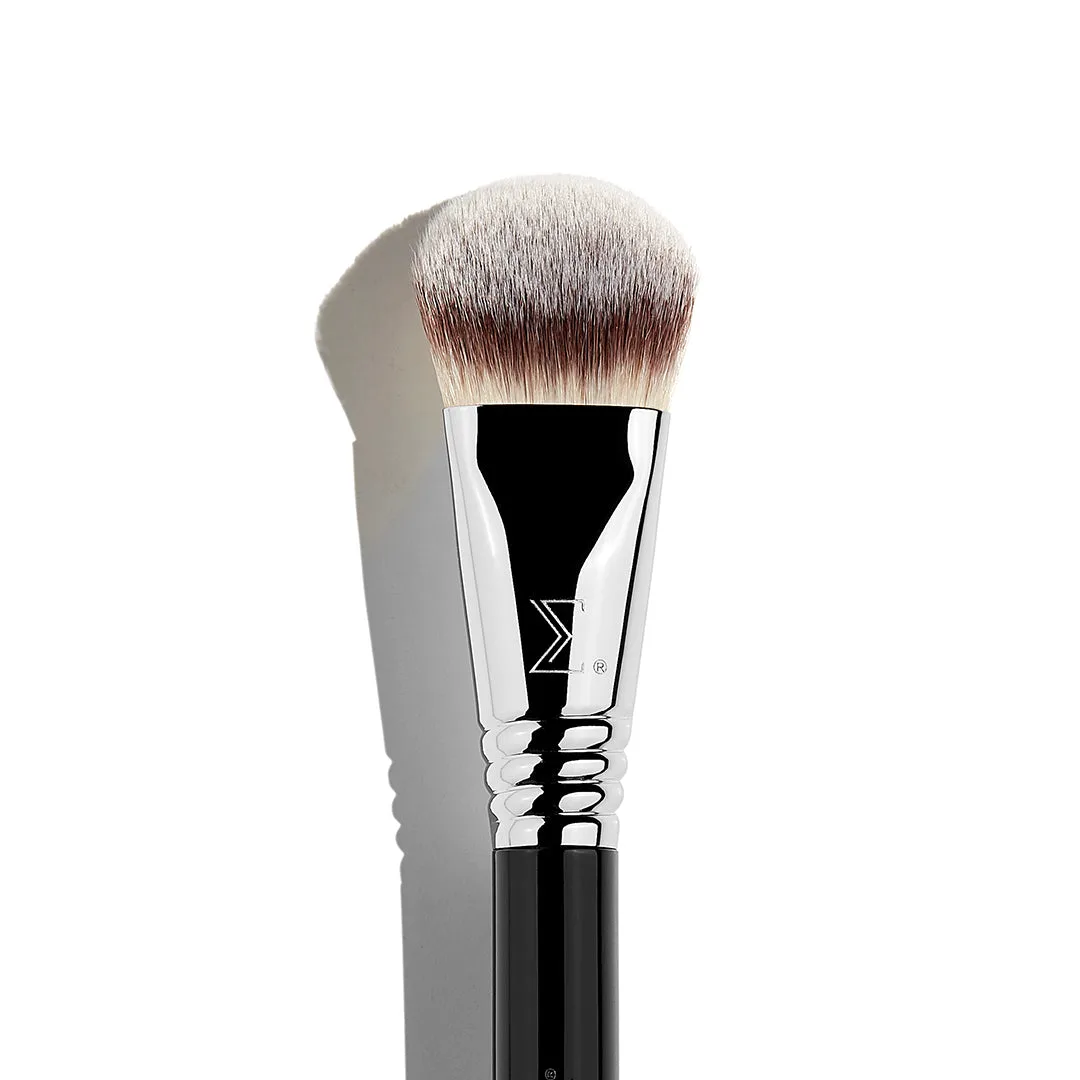
- For delicate brushes like the F64 Soft Blend Concealer Brush, be extra gentle to preserve the soft, synthetic bristles.
How the Makeup Brush Cup Enhances Your Routine
The Makeup Brush Cup is not just a container—it's a multifunctional tool designed to simplify brush care. Its silicone interior features different textures for various brush types: gentle ridges for soft brushes and deeper grooves for denser ones. You can fill it with water and cleanser, then swirl your brushes inside to dislodge dirt quickly.
Additionally, the cup has a built-in drying system. After cleaning, you can insert brushes upside down into the cup's slots, allowing them to air dry without touching the bottom. This prevents water from pooling at the ferrule, which is a common cause of brush shedding. The cup also serves as a stylish organizer for your daily brushes.
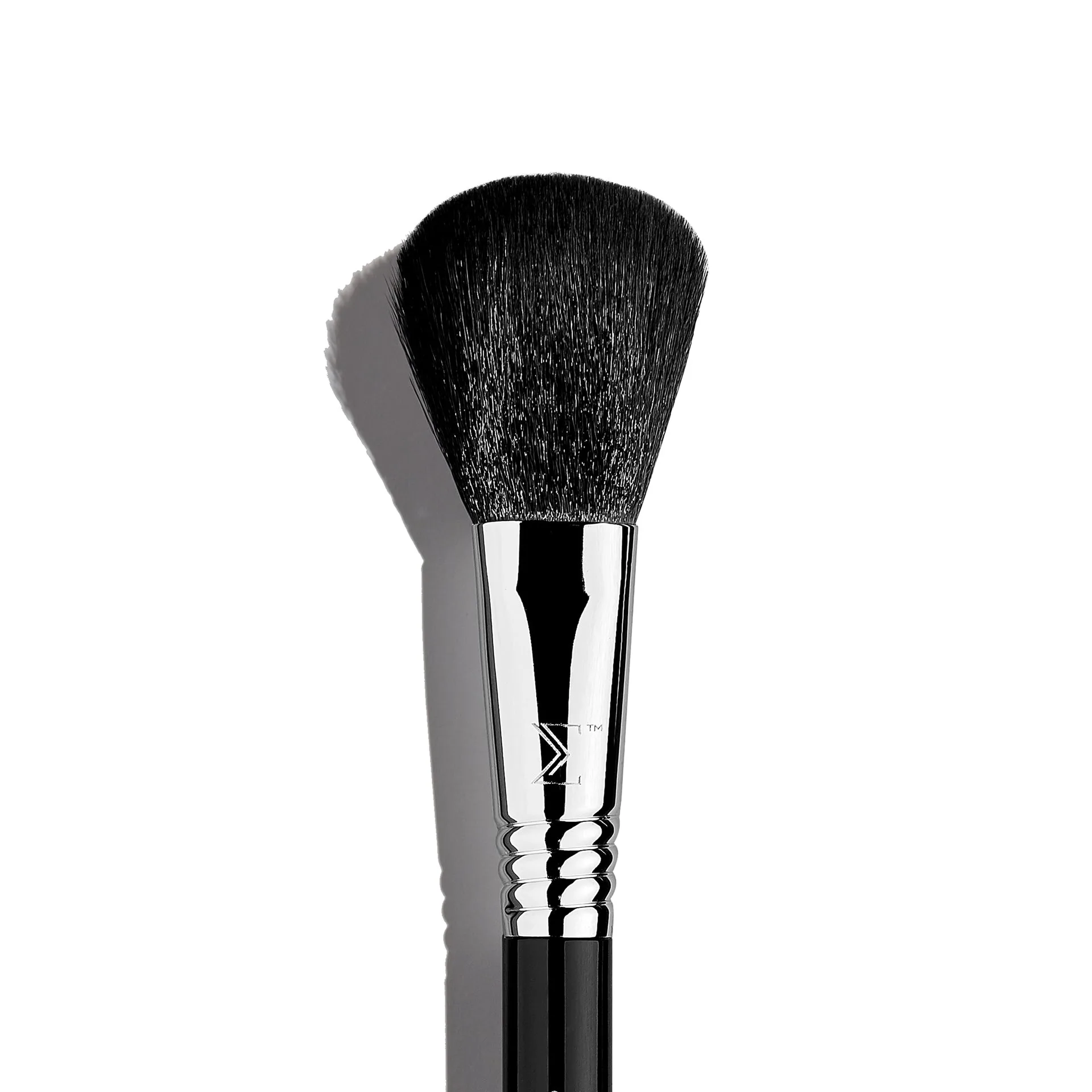
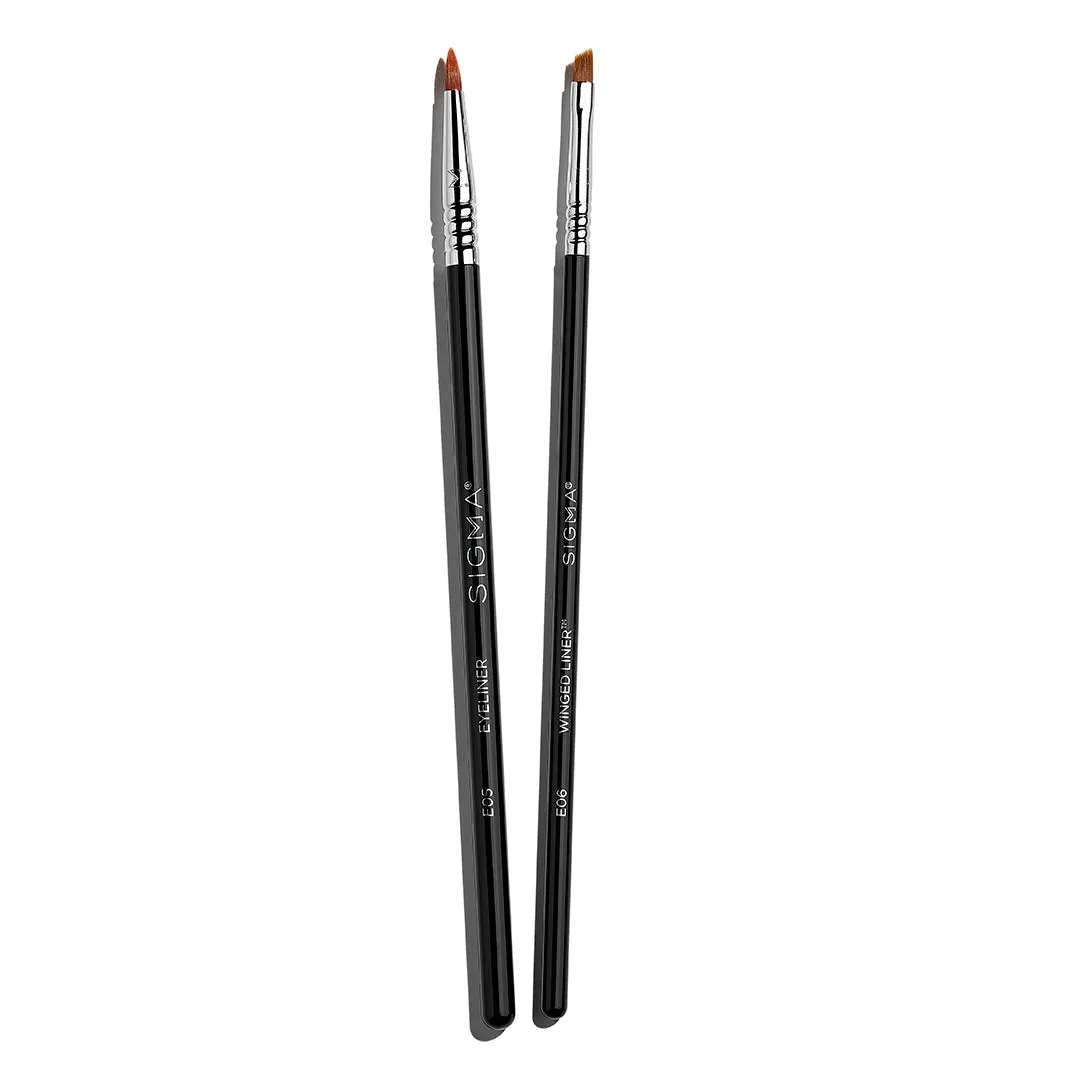
- The Makeup Brush Cup works well with all brush sizes, from large powder brushes to tiny eyeliner brushes like the E05 Eyeliner Brush.
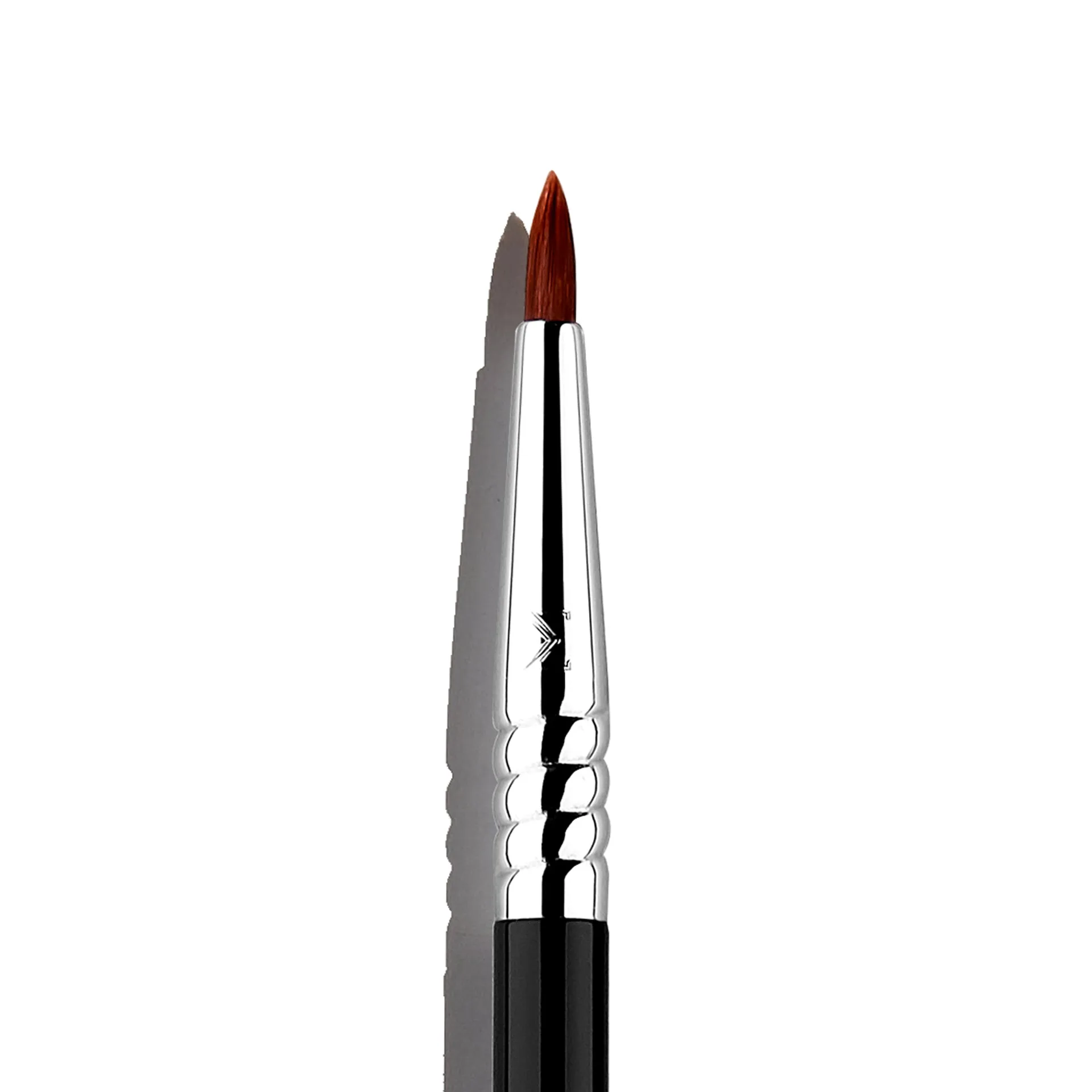
E05 Eyeliner Brush
Tips for Different Brush Types
Not all brushes are created equal. Natural hair brushes (like goat or squirrel) require more delicate care—use a gentle shampoo and avoid soaking them. Synthetic brushes, such as the F64 Soft Blend Concealer Brush, are more durable and can handle a bit more agitation. For eye brushes like the E55 Eye Shading Brush, use a smaller amount of cleanser and rinse carefully to avoid staining.
For brushes used with cream or liquid products (foundation, concealer, cream blush), clean them more frequently—ideally after each use—to prevent product buildup and bacterial growth. Powder brushes can go a bit longer between deep cleans but still benefit from weekly maintenance.
- Always reshape bristles after cleaning to maintain the brush's original shape.
Regular brush cleaning is a simple yet powerful habit that protects your skin and extends the life of your tools. With the right supplies and techniques, you can keep your brushes in top condition. Start your routine today with the Makeup Brush Cup—it's the ultimate tool for efficient cleaning and drying. Explore our collection to find everything you need for a flawless makeup application.