Quick Answer
Clean your Zendure solar panels every 3–6 months or after heavy dust or pollen. Use soft water, a mild soap, and a soft cloth or sponge. Avoid abrasive tools and harsh chemicals. For balcony systems, safety is key: always turn off the system and follow the steps below.
Dust, bird droppings, and pollen can reduce your solar panel's output by up to 20%. Regular cleaning keeps your Zendure system efficient and extends its lifespan. This guide covers the best practices for cleaning both portable panels and fixed balcony installations.
Whether you have a 200W portable panel or a permanent balcony power plant, the process is similar. You'll need basic supplies and a little care. Let's walk through each step.
When to Clean Your Zendure Solar Panels
There's no fixed schedule, but a good rule is to inspect your panels every few months. If you live in a dusty area or near trees, you may need to clean more often. Rain can help, but it doesn't always remove sticky residues like bird droppings or pollen.
You can also monitor your energy production. If you notice a drop in output that isn't due to weather, it's time to clean. Many Zendure systems have monitoring apps that show daily generation, making it easy to spot a problem.
- Check after storms or high winds for debris.
- Early morning or late afternoon is best—panels are cooler and cleaning is more effective.
What You'll Need
Gather soft items only: a soft sponge or cloth, a squeegee with a soft blade, and a hose with a gentle spray nozzle. For stubborn dirt, use a mild dish soap diluted in water. Avoid abrasive pads, harsh chemicals, and pressure washers—they can scratch or damage the panel surface.
If your panels are mounted on a balcony or roof, consider a long-handled brush or a professional cleaning service for safety. Never stand on the panels or apply excessive pressure.
- Use deionized water if your tap water is hard—it prevents mineral spots.
- Test any cleaning solution on a small corner first.
Safety First: Turn Off the System
Before you start, turn off your Zendure solar system. This prevents any electrical risk and protects the equipment. For plug-and-play systems, unplug from the wall. For portable panels, disconnect them from the power station or hub.
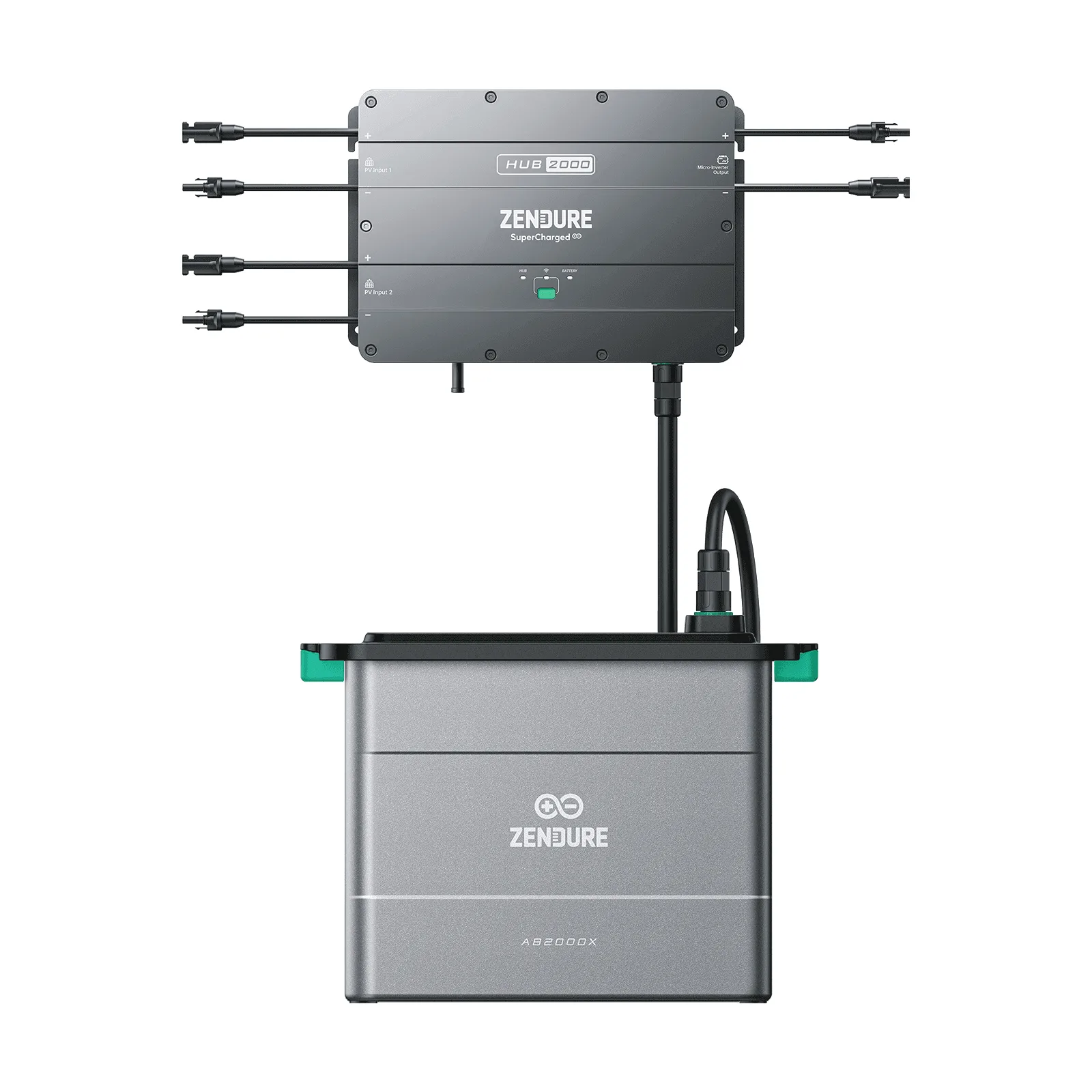
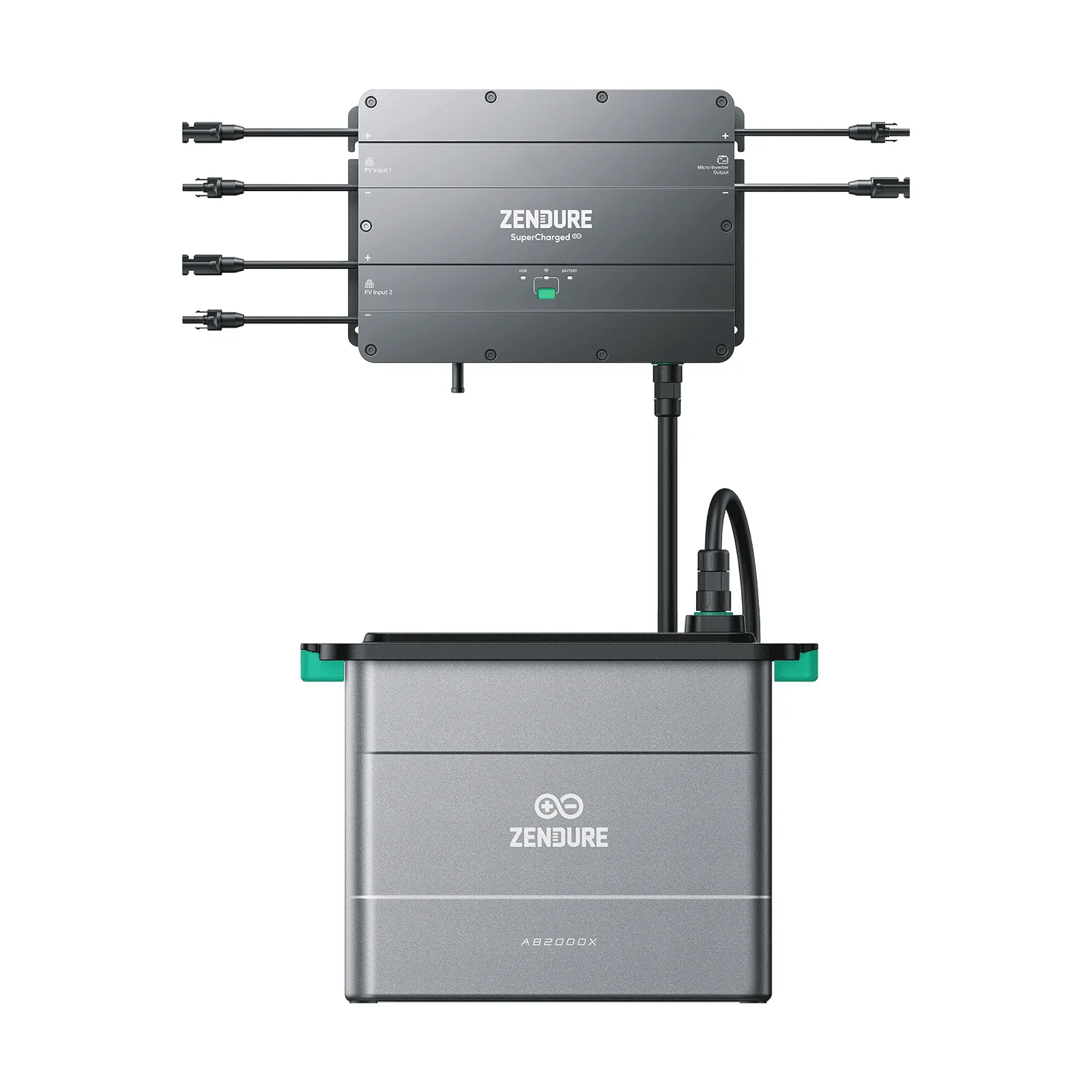
If your system is connected to a battery like the Solarflow AB2000, make sure the entire chain is off. Wait a few minutes for any residual charge to dissipate.
Solarflow
- Never clean panels in the rain or when they are wet—risk of slipping and electrical shock.
Step-by-Step Cleaning Process
- Step 1: Turn off and disconnect: Shut down your Zendure system and disconnect panels from any power source. For portable panels, fold them open and place on a soft surface. Checkpoint: Ensure no lights are on and cables are unplugged.
- Step 2: Remove loose debris: Use a soft brush or a dry cloth to gently sweep off dust, leaves, and other loose particles. This prevents scratching during the wet cleaning. Don't press hard—just let the brush glide.
- Step 3: Rinse with water: Use a hose with a gentle spray to wet the panel surface. Avoid cold water on hot panels—thermal shock can crack the glass. Use lukewarm water if possible. If the panel is hot to touch, wait until it cools.
- Step 4: Wash with mild soap: Mix a few drops of dish soap in a bucket of water. Dip a soft sponge or cloth, wring it out, and wipe the panel in a circular motion. For bifacial panels, clean both sides if accessible. Avoid abrasive pads and strong detergents.
- Step 5: Rinse again and dry: Rinse off all soap with clean water. Use a squeegee to remove excess water, then let the panel air dry or wipe with a lint-free cloth. Check for streaks or spots—if present, repeat with distilled water.
- Step 6: Inspect and reconnect: Check the panel for any damage like cracks or loose connections. Once dry, reconnect everything and turn the system back on. Monitor output for a day to confirm performance. If output is still low, consider a professional inspection.
Products That Make Cleaning Easier
- Zendure Solarflow Battery AB2000: AB2000 is equipped with an internal self-heating film that can utilize solar energy and maintain the charging function even at temperatures as low as -20 °C. Knowing your battery can handle cold weather means you can clean even on cool days without worrying about performance loss.
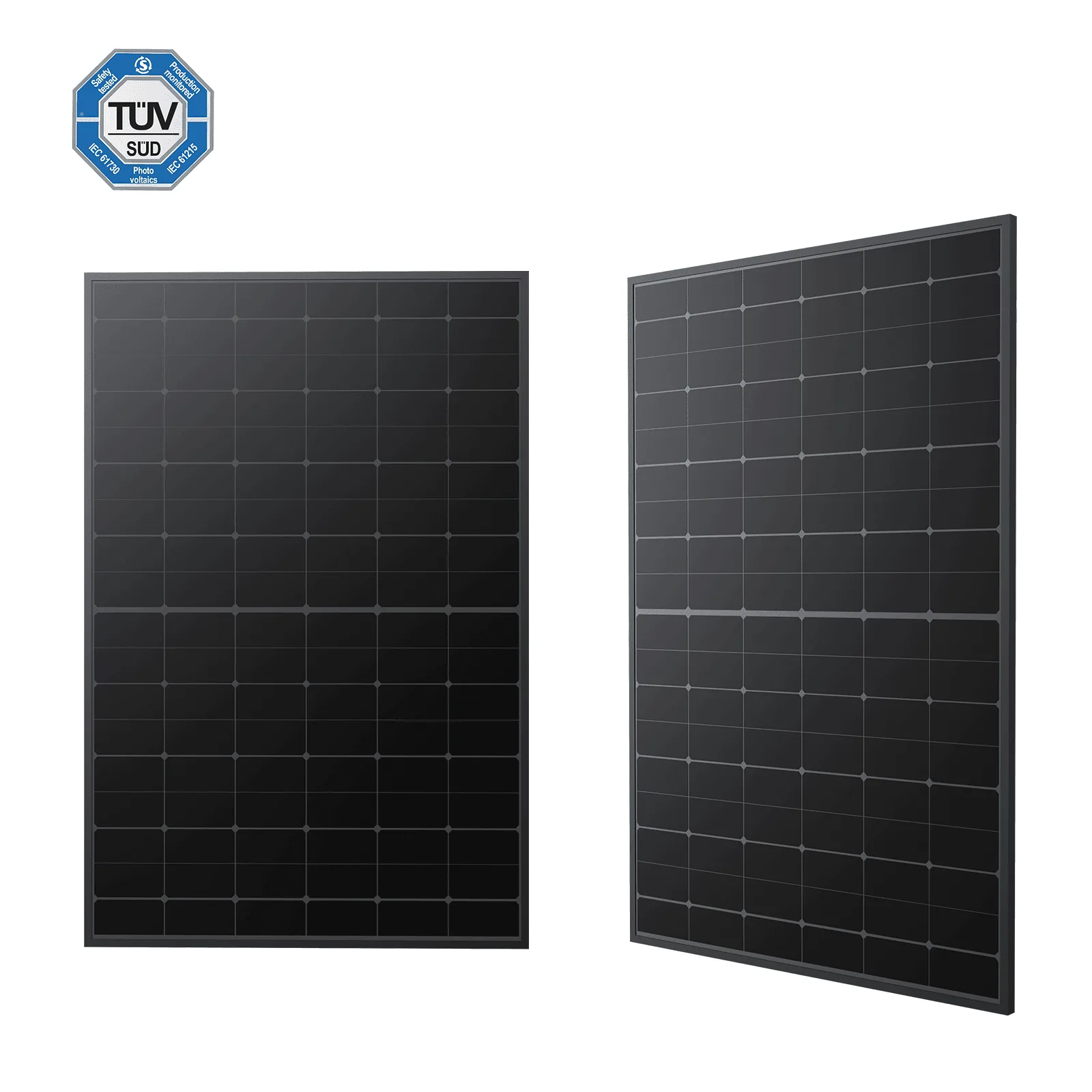
- 200W Portable Solar Panel: New-generation monocrystalline solar cells maximize the conversion efficiency, performing up to 22.5% better than similarly rated polycrystalline solar panels in low-light conditions. High-efficiency cells are especially sensitive to dirt. Keeping them clean ensures you get the most out of every ray.
Regular cleaning is a simple way to keep your Zendure solar panels running at full potential. By following these steps, you'll maintain efficiency and extend the life of your investment. For more tips on solar panel care, explore our other guides.