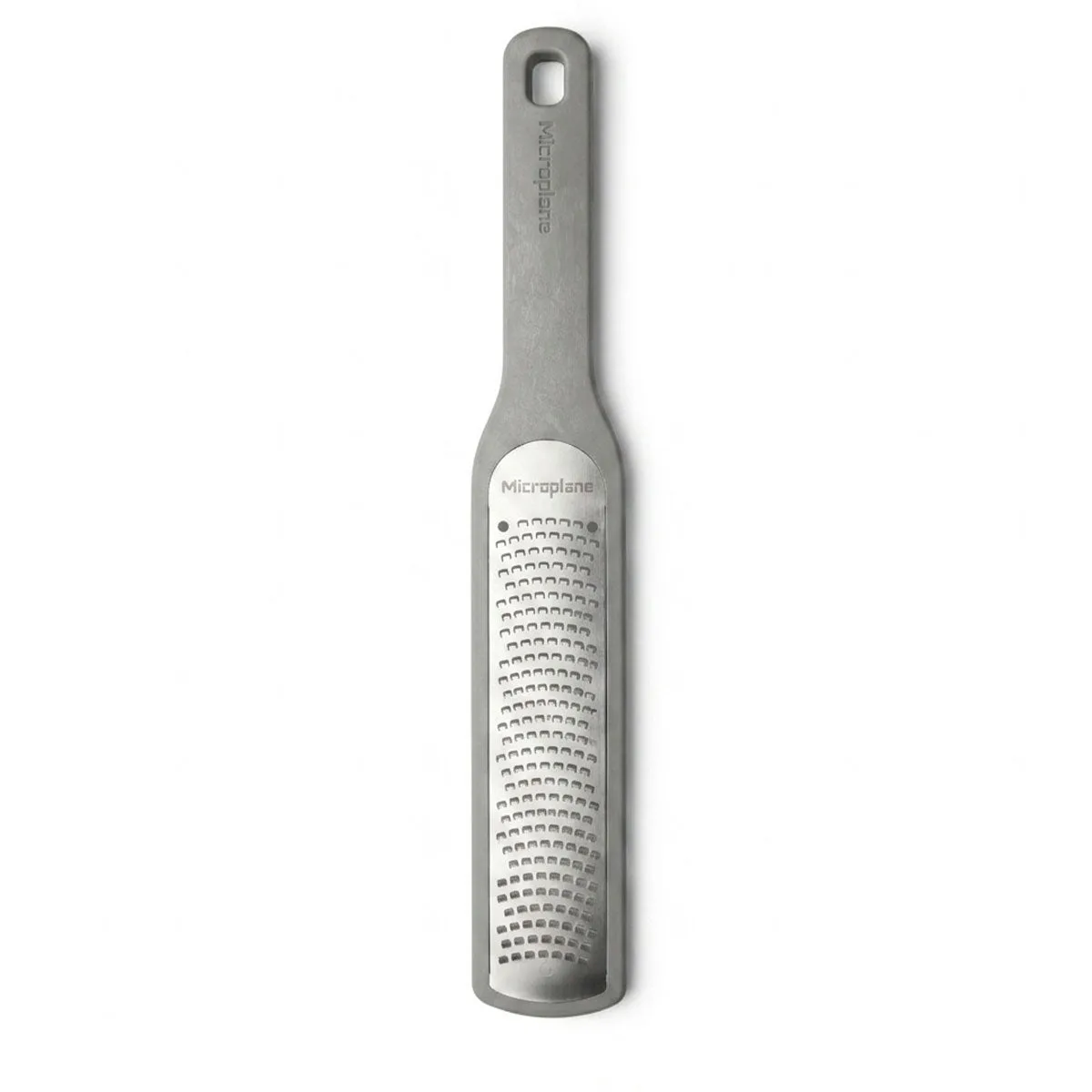
Quick answer
To clean a zester grater without damaging the blades, rinse it immediately after use under warm running water, then use a soft brush to remove stuck-on residue. Avoid abrasive scrubbers and the dishwasher, as they can dull the cutting teeth. Dry the grater completely before storing it to prevent rust.
Why blade-friendly cleaning matters
Zester graters have razor-sharp cutting teeth that are essential for producing fine zest and grating hard cheeses or spices. These teeth are precisely etched and can be damaged by harsh cleaning methods. Abrasive sponges, steel wool, and high-heat dishwasher cycles can wear down the edges, making the tool less effective over time. Proper care preserves the blade's sharpness and ensures consistent results.
Daily rinsing and soaking
After each use, rinse the grater under warm water to remove loose particles. If residue is stuck, soak the grater in warm, soapy water for a few minutes. This softens food bits without requiring aggressive scrubbing. Avoid letting acidic foods like citrus zest sit on the blade for long periods, as acid can corrode the metal over time.
Tools to use and avoid
Use a soft-bristled brush or a non-abrasive sponge to gently scrub the blades. A dedicated grater brush works well because its bristles can reach between the teeth. Never use a scouring pad, steel wool, or a stiff wire brush, as these will scratch the blade and dull the edges. Also, avoid putting the grater in the dishwasher; the high heat and harsh detergents can damage the blade and handle.
Drying and storage
After washing, shake off excess water and dry the grater thoroughly with a soft cloth. Air-drying alone may leave water spots or promote rust, especially if the blade is not stainless steel. Store the grater in a dry place, ideally with a protective cover or in a drawer where it won't knock against other utensils. Proper storage prevents accidental damage to the teeth.
Step-by-step cleaning process
- Rinse immediately: Hold the grater under warm running water right after use to prevent residue from drying. Use your fingers to wipe away loose bits, but be careful of the sharp teeth. Mistake to avoid: letting food dry on the blade, which makes cleaning harder and may require more force.
- Soak if needed: For stubborn residue, fill a bowl with warm water and a drop of mild dish soap. Submerge the grater for 5–10 minutes. Do not soak wooden handles for long periods. Checkpoint: residue should soften and be easy to remove after soaking.
- Scrub gently: Use a soft brush or sponge to scrub the blades in a back-and-forth motion. Pay attention to the spaces between the teeth. Rinse under warm water. Mistake to avoid: scrubbing too hard with an abrasive pad, which can dull the blades.
- Rinse and inspect: Rinse thoroughly to remove all soap. Hold the grater up to the light to check for any remaining residue. If needed, repeat the scrubbing step. Checkpoint: no visible food particles or soap film should remain.
- Dry completely: Pat dry with a soft towel, paying attention to the blade and handle. Let it air-dry for a few minutes before storing. Never store it wet. Mistake to avoid: storing the grater while damp, which can lead to rust or mold on wooden handles.
Product facts
- Nature Series Zester Grater: Crafted with an organic Moso bamboo and resin handle paired with a surgical-grade stainless steel blade, this premium zester delivers precision grating while being 100% recyclable. The stainless steel blade resists rust and corrosion, but the bamboo handle should not be soaked for long periods or placed in a dishwasher, as it can crack.