Quick answer
To combine fragrance oils for a custom home scent, start with a 2:1 ratio of a dominant base note to a complementary top or middle note. Add one drop at a time, test in your diffuser, and adjust before scaling up. Keep blends to two or three oils so each note stays recognizable.
Why layering fragrance oils works
Fragrance oils are built in note pyramids: top notes fade first, middle notes form the heart, and base notes linger. When you layer two oils, you are essentially merging their pyramids. A strong base note from one oil can anchor a fleeting top note from another, creating a more complex and longer-lasting home scent than either oil alone. This is why combining oils is different from simply switching scents—you are designing a new fragrance profile.
Choose oils that share or complement a note family
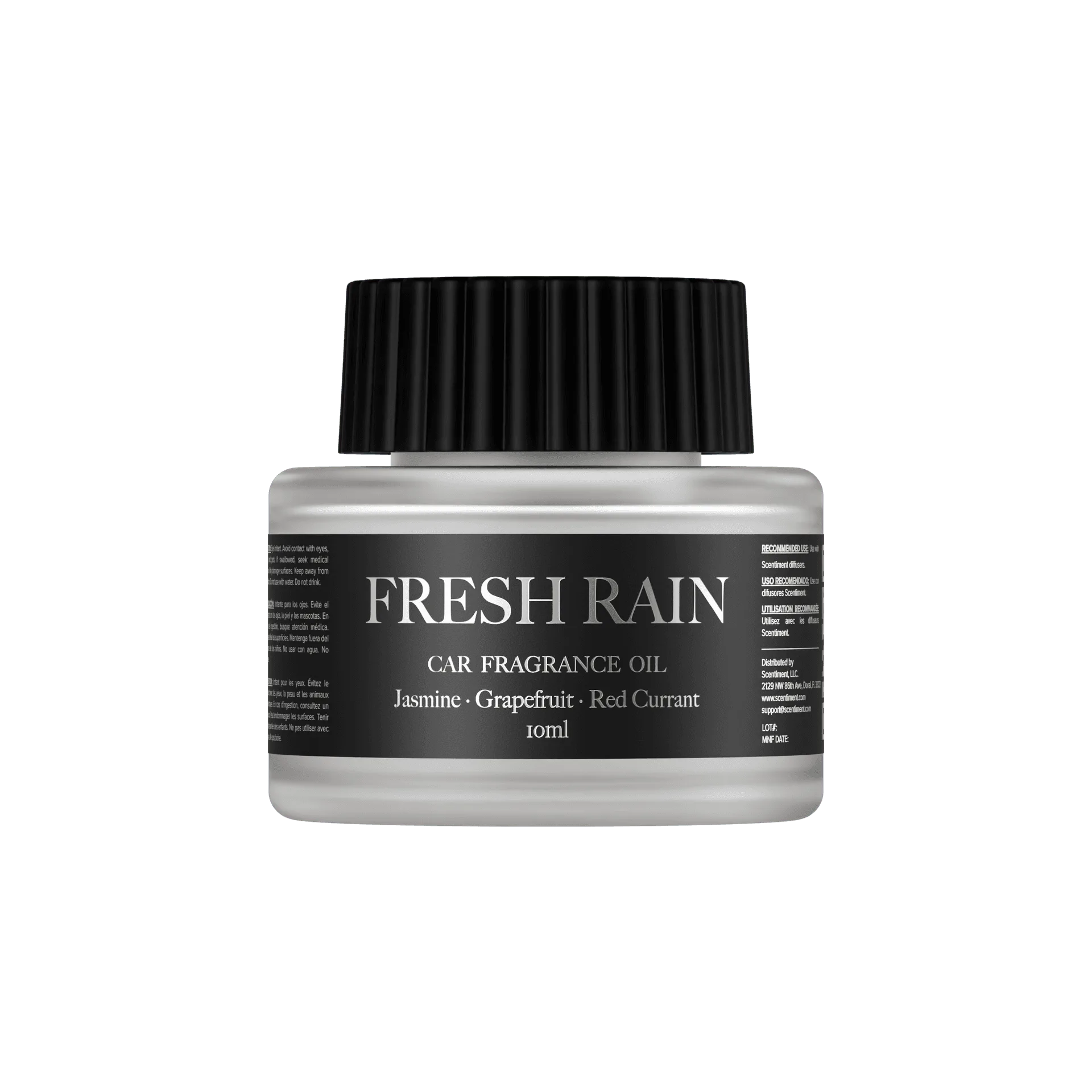
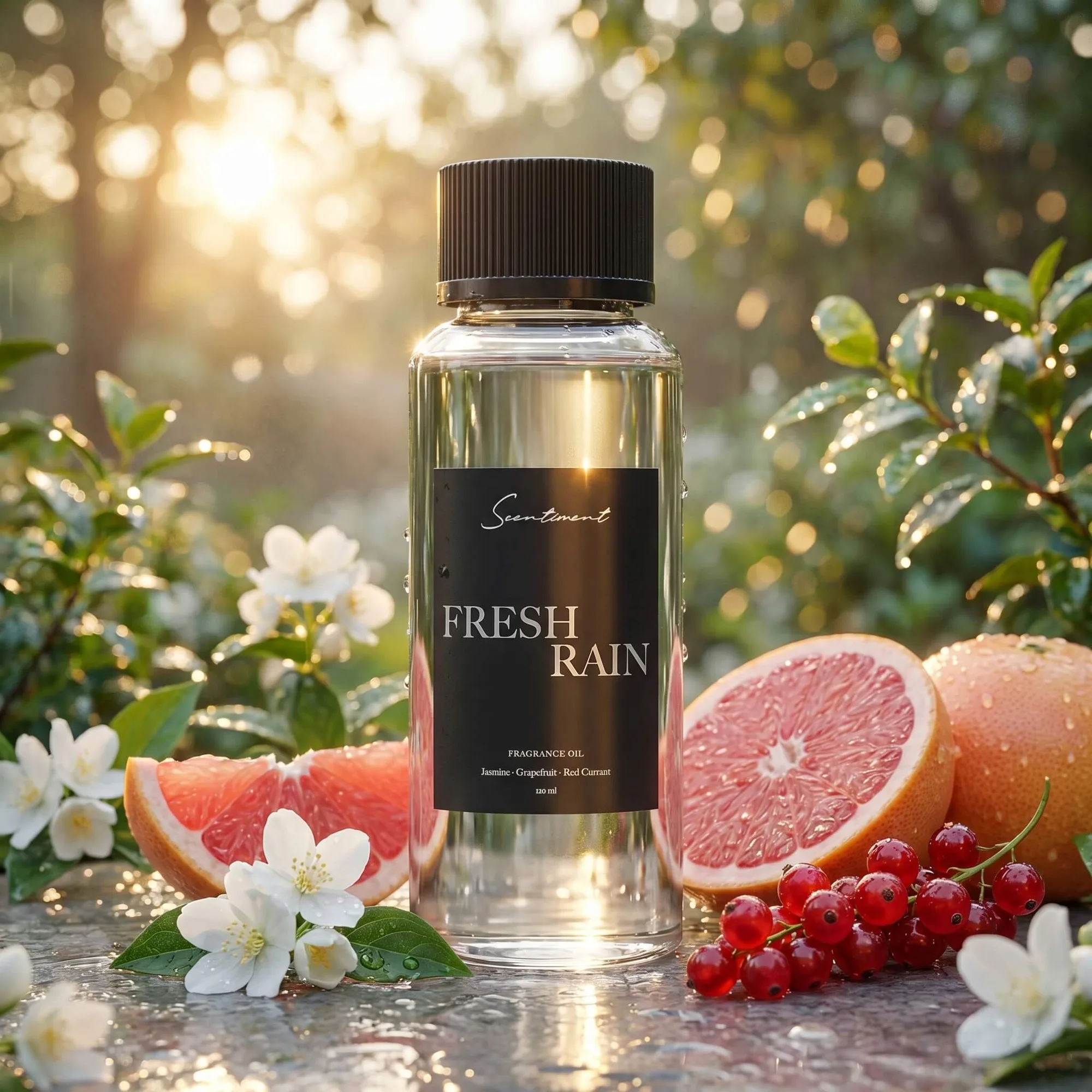
The easiest blends pair oils from the same family (e.g., two woody oils) or from complementary families (citrus + herbal, floral + woody). For example, a fresh rain oil with grapefruit and orange top notes can pair well with a warm amber or cedarwood base. Avoid pairing two very strong, unrelated profiles—like heavy floral and sharp mint—unless you want a jarring effect. If you are unsure, start with one oil you already love and add a small amount of a second oil that shares at least one note.
fresh rain
Test in small batches before committing
Never mix full bottles. Use a clean glass dropper or a small vial to combine a few drops at a time. A common mistake is adding too much of the second oil at once; it can overpower the first and waste both oils. Instead, add one drop of the secondary oil to five drops of the primary oil, swirl, and test in your diffuser. Let it run for 15–20 minutes, then smell the room again after an hour to see how the blend evolves.
Adjust ratio based on strength and room size
If the blend smells flat, increase the base note; if it feels heavy, add more top note. For larger rooms, you may need a higher concentration of base notes to maintain presence. Keep a written record of your ratios—drops per oil—so you can replicate a successful blend. Remember that fragrance oils are concentrated; a little goes a long way, and over-scenting can cause nose fatigue.
Step-by-step: blend your custom home scent
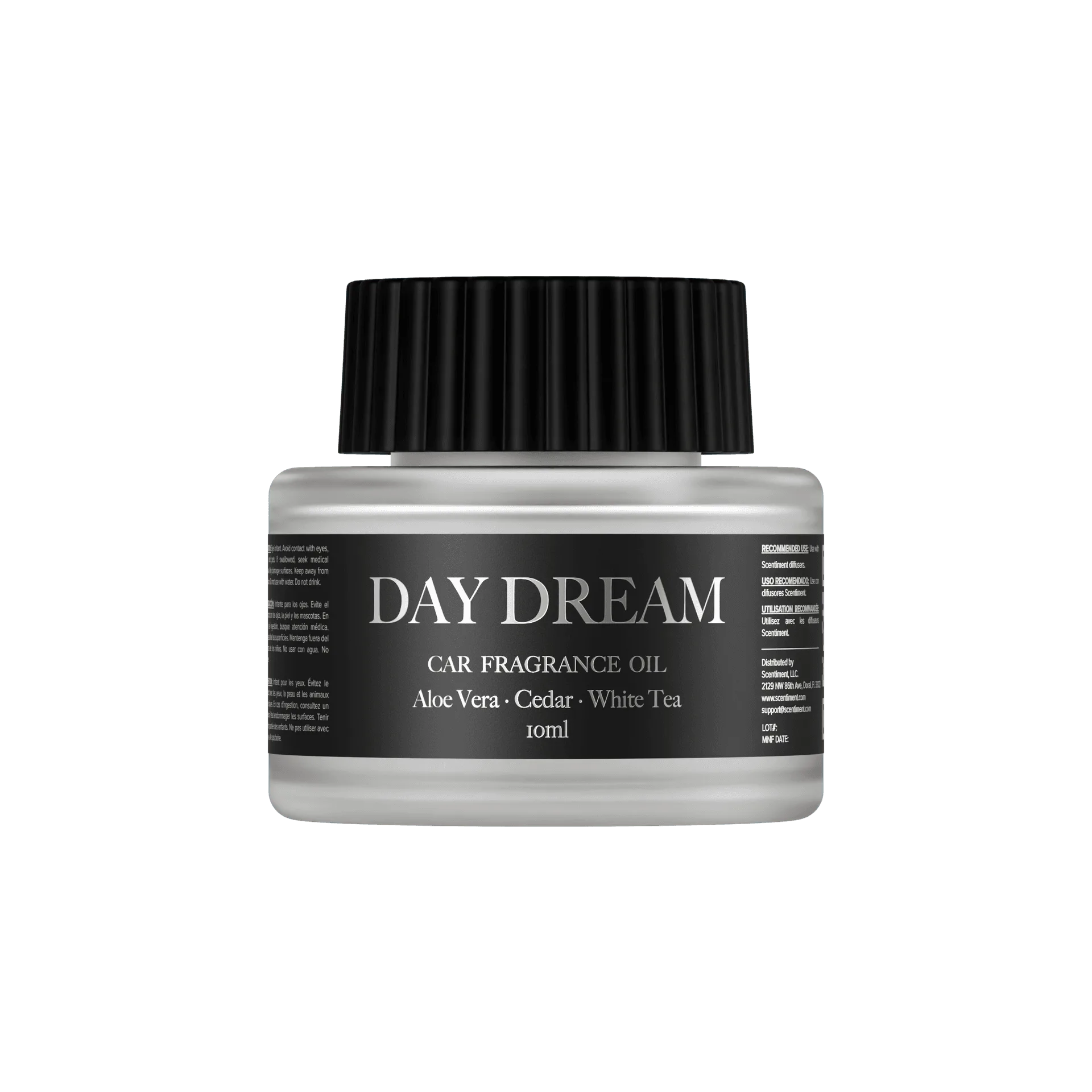
- 1. Pick a primary oil: Choose the fragrance you want to dominate. This will be about two-thirds of your blend. For example, start with Day Dream for a spa-like base. Checkpoint: Smell the oil on a blotter first to confirm it is the scent you want to lead.
- 2. Select a secondary oil: Choose a complementary oil that shares at least one note or belongs to a compatible family. Fresh Rain works well with Day Dream because both have woody and citrus elements. Mistake to avoid: Picking two oils with no overlapping notes—they may clash instead of blend.
- 3. Mix a small test batch: In a clean glass vial, combine 5 drops of primary oil with 1 drop of secondary oil. Swirl gently; do not shake vigorously, which can introduce air bubbles. Checkpoint: Label the vial with the ratio and date so you can track results.
- 4. Test in your diffuser: Add the blend to your diffuser according to its instructions. Run it for 15–20 minutes, then leave the room and return after an hour to assess the dry-down. Mistake to avoid: Judging the blend immediately—top notes can be misleading before the middle and base notes develop.
- 5. Adjust and scale up: If the scent is too sharp, add one more drop of a base-heavy oil like Brilliance. If it is too heavy, add a drop of a citrus-forward oil like Fresh Rain. Once satisfied, multiply your ratio to fill a larger bottle. Next step: Record your final ratio and store the blend in a cool, dark place to preserve freshness.
Fragrance oils you can use for blending
- Day Dream Car Diffuser Oil: Day Dream Car Diffuser Oil features top notes of aloe vera, spicy ginger, and white tea; middle notes of amber, cedarwood, and vanilla; and base notes of lily and sandalwood. Its balanced pyramid makes it a versatile anchor for blends—the white tea and ginger top notes pair well with citrus or herbal oils, while the amber and sandalwood base can add warmth to lighter scents.
- Fresh Rain Car Diffuser Oil: Fresh Rain Car Diffuser Oil opens with grapefruit and orange top notes, followed by cedarwood, jasmine, and red currant middle notes, and a base of musk and oakmoss. The bright citrus top notes can lift a heavy base oil, while the cedarwood and oakmoss base makes it a good partner for floral or woody oils that need a crisp, grounding finish.
- Brilliance Car Diffuser Oil: Brilliance Car Diffuser Oil is inspired by Baccarat Rouge 540 and opens with saffron, blending into an amber and woody profile. Its saffron and amber character is strong and distinctive, so use it sparingly in blends—one or two drops can add luxurious warmth without overwhelming the primary scent.