Composting at home is one of the most impactful ways to reduce your kitchen waste and nourish your garden. But for many, the biggest hurdle is the smell—a soggy, rotting odor that can turn even the most eco-conscious cook away. The good news is that with the right tools and a few simple habits, you can compost indoors without any unpleasant odors.
Enter the odor-free compost collector. Designed with features like charcoal filters, tight-sealing lids, and easy-clean surfaces, these collectors make it possible to keep food scraps on your counter until you're ready to transfer them to an outdoor bin or compost pile. In this guide, we'll walk you through everything you need to know about home composting with an odor-free compost collector, from setup to maintenance.
Why Choose an Odor-Free Compost Collector for Indoor Composting?
Traditional open bins or bowls can quickly become a breeding ground for fruit flies and bacteria, releasing foul smells into your kitchen. An odor-free compost collector, such as the Odor-Free Kitchen Compost Collector, uses a charcoal filter and a snug lid to trap odors inside while allowing airflow that prevents anaerobic decomposition. This means you can collect scraps for days without any smell escaping.
Indoor composting is especially convenient for apartment dwellers or those with small yards. Instead of making a trip outside after every meal, you can store scraps in a stylish countertop collector and empty it once or twice a week. The key is choosing a model that is easy to clean and has a replaceable filter to maintain freshness.
- Look for a compost collector with a carbon filter to neutralize odors.
- Choose a size that fits your household—1 to 1.5 gallons is ideal for a family of four.
- Ensure the lid seals tightly to keep fruit flies out and smells in.
What Can You Compost at Home? A Quick Guide
To keep your compost collector odor-free, it helps to know what to toss in and what to avoid. Most kitchen scraps are compostable: fruit and vegetable peels, coffee grounds, eggshells, tea bags, and even paper towels. These materials break down quickly and produce little odor when balanced with dry browns like leaves or shredded paper.
Avoid adding meat, dairy, oily foods, or large amounts of citrus peels, as these can create strong smells and attract pests. If you do include citrus, chop it into small pieces and bury it under other scraps. A good rule is to layer wet greens with dry browns directly in your collector to minimize moisture and odor.
- Green materials (nitrogen-rich): fruit scraps, vegetable peels, coffee grounds, grass clippings.
- Brown materials (carbon-rich): dry leaves, shredded paper, cardboard, straw.
- Avoid: meat, fish, dairy, cooked food with oil, and diseased plants.
Setting Up Your Odor-Free Compost Collector
Unbox your collector and rinse it with warm soapy water. Most models, like the Odor-Free Kitchen Compost Collector, come with a charcoal filter already installed. Place the collector on your countertop near your prep area so you can easily scrape scraps into it while cooking. Line the bottom with a small piece of newspaper or a compostable bag to catch drips.
For the best odor control, keep the lid closed at all times and empty the collector every 3 to 5 days. If you notice any smell, it's usually time to replace the carbon filter—most last about 3 to 6 months depending on usage. Rinse the collector with vinegar and water between uses to prevent buildup.
- Place the collector in a cool, shaded spot away from direct sunlight to reduce odors.
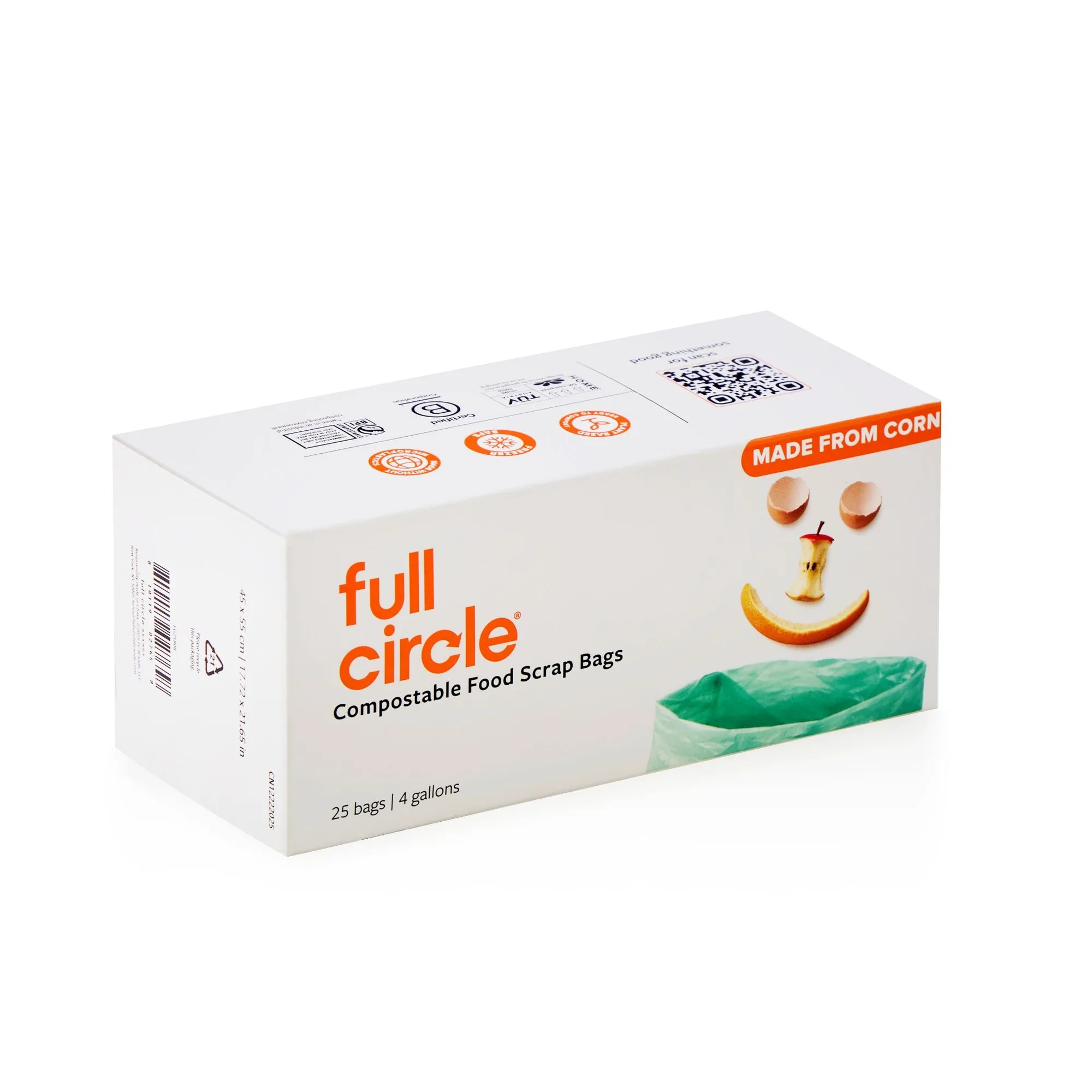
- Use a compostable liner bag for easy cleanup—just tie and toss.
- Replace the charcoal filter every 3 months for optimal freshness.
Tips for Maintaining a Fresh-Smelling Compost Collector
Even the best odor-free compost collector needs a little love to stay fresh. Empty it regularly, even if it's not full, to prevent moisture from accumulating. Rinse the container with a mixture of water and baking soda once a week to neutralize any lingering smells. You can also freeze scraps like onion peels and coffee grounds before adding them to the collector to slow decomposition.
Another pro tip: sprinkle a thin layer of baking soda or crushed eggshells on top of your scraps after each addition. This absorbs moisture and balances pH, reducing odor naturally. With these habits, your kitchen will stay pleasant, and your compost will be healthy and rich for your garden.
- Freeze smelly scraps like fish skins or onion peels until collection day.
- Add a pinch of baking soda to the collector after each use.
- Wash the collector in the dishwasher if it's dishwasher-safe (check the manual).
Starting home composting doesn't have to be messy or smelly. With a reliable odor-free compost collector, you can turn your kitchen scraps into garden gold without the hassle. Ready to make the switch? Explore our Odor-Free Kitchen Compost Collector and see how easy it is to keep your kitchen fresh and your waste low.