Plantable greeting cards are a beautiful way to send a message while giving back to the planet. Unlike traditional cards that end up in the trash, these eco-friendly cards are embedded with seeds and can be composted or planted to grow flowers, herbs, or vegetables. But many people are unsure about the best way to dispose of them responsibly. Should you compost them or plant them? What about the envelope? This guide will walk you through everything you need to know about composting and planting seed paper cards.
Whether you're a seasoned gardener or a zero waste newbie, understanding how to handle these biodegradable cards ensures you get the most out of their eco-friendly potential. Let's dive into the step-by-step process, plus some tips for making your plantable cards thrive.
What Are Plantable Greeting Cards?
Plantable greeting cards are made from recycled paper that has been infused with seeds. When you plant them in soil and water them, the seeds germinate and grow into plants. The paper itself is biodegradable and breaks down naturally, making it a zero waste alternative to conventional cards. These cards are perfect for birthdays, thank-you notes, and other occasions where you want to give a gift that keeps on giving.
At Package Free Shop, we offer Thoughtful Human Plantable Greeting Cards – Package Free, which are not only beautiful but also made with sustainability in mind. They come with a matching envelope and are printed with eco-friendly inks. Once the recipient has enjoyed the card, they can plant it or compost it, continuing the cycle of giving back to the earth.
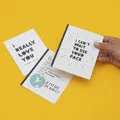
Thoughtful Human Plantable Greeting Cards – Package Free
- Made from recycled paper and seeds
- Biodegradable and compostable
- Can be planted to grow wildflowers or herbs
Composting vs. Planting: Which Should You Choose?
You might be wondering whether to compost your plantable card or plant it directly. Both are excellent zero waste options, but the choice depends on your situation. If you have access to a garden or a pot with soil, planting the card is a delightful way to watch it transform into something new. On the other hand, if you don't have space to plant or prefer a simpler disposal method, composting is a great alternative.
When you compost a plantable card, the paper and seeds break down and become nutrient-rich soil. However, keep in mind that the seeds may not survive the composting process if the pile gets too hot. If you want to ensure the seeds have a chance to grow, planting is the better option. For those who are short on space, you can still plant the card in a small pot on a windowsill.
- Planting: Best if you want to grow flowers or herbs
- Composting: Ideal for adding organic matter to your compost bin
- Consider the time of year: Some seeds need specific seasons to germinate
Step-by-Step Guide to Composting Plantable Cards
Composting a plantable card is simple and can be done in a backyard compost pile or a worm bin. Here’s how to do it:
First, remove any non-compostable elements such as plastic wrap, foil, or adhesive stickers. Most plantable cards are free of these, but it’s good to double-check. Then, tear the card into small pieces. This speeds up the decomposition process by increasing the surface area. Add the pieces to your compost bin, mixing them with other green and brown materials. Make sure your compost pile is moist but not soggy, and turn it regularly to aerate.
Within a few weeks to a couple of months, the card will break down completely, contributing to your compost. The seeds inside will either decompose or, if conditions are right, sprout in your compost pile. If you don’t want random plants growing in your compost, you can always plant the card instead.
- Remove any non-compostable stickers or tape
- Tear the card into small pieces to speed up decomposition
- Mix with other compost materials and keep moist
- Turn the pile regularly to aerate
How to Plant Your Greeting Card (Step-by-Step)
Planting your seed paper card is a fun activity that can be done indoors or outdoors. Here’s a simple method:
Soak the card in water for a few hours or overnight. This softens the paper and helps the seeds germinate. While the card is soaking, prepare your soil. Use a pot with drainage holes or a garden bed with loose, weed-free soil. Place the card on top of the soil and cover it with a thin layer of soil (about 1/8 inch). Water gently so the paper stays moist but not waterlogged.
Keep the soil consistently moist until the seeds sprout, which usually takes 7-14 days depending on the seed type. Once the seedlings are a few inches tall, you can thin them out if they’re too crowded. With proper care, you’ll soon have a beautiful patch of wildflowers or herbs.
- Soak the card in water for a few hours
- Use well-draining soil and cover the card with a thin layer
- Water gently and keep the soil moist
- Wait for sprouts in 7-14 days
Tips for Maximizing Germination Success
To get the best results from your plantable card, follow these tips:
Choose the right season. Most seed paper contains wildflower seeds that prefer spring or fall planting. If you’re planting indoors, you can do it year-round as long as you provide enough light. Also, make sure the soil is rich and well-draining. If your soil is heavy clay, mix in some compost or potting soil.
Don’t bury the card too deep. Seeds need light to germinate, so a thin layer of soil is best. Keep the area weed-free and protect it from birds and pests. Once the plants are established, they’ll be more resilient. And don’t forget to water regularly, especially during dry spells.
- Plant in the right season for the seeds
- Use rich, well-draining soil
- Don’t bury the card too deep
- Keep the soil moist and protect from pests
What About the Envelope?
Many plantable greeting cards come with an envelope, and you might wonder if it’s also compostable. Often, the envelope is made from recycled paper and is compostable, but it may not contain seeds. You can compost the envelope just like the card, but it’s a good idea to remove any plastic windows or adhesive labels first.
If the envelope is plain paper, you can also recycle it. However, composting is a better option if you want to keep it out of the recycling stream and return nutrients to the soil. At Package Free Shop, our Thoughtful Human Plantable Greeting Cards come with a kraft envelope that is fully compostable, so you can compost both together.
- Check if the envelope has plastic windows or labels
- Compost or recycle the envelope separately if needed
- Kraft envelopes are usually compostable
Frequently Asked Questions About Plantable Cards
Can I compost plantable cards in a worm bin? Yes, worms can break down seed paper, but they may not like the seeds. It’s best to tear the card into small pieces and add it in moderation.
What if I don’t have a garden? You can still plant the card in a pot indoors. Choose a sunny windowsill and use a small pot with drainage. Many wildflowers grow well in containers.
How long does it take for the card to compost? In a well-maintained compost pile, the paper can break down in as little as 2-3 months. The seeds may or may not germinate depending on conditions.
- Worm bins can compost seed paper, but tear it into small pieces
- Indoor pots work for planting seed cards
- Composting time varies but typically 2-3 months
Composting or planting your plantable greeting cards is a simple yet impactful way to reduce waste and give back to nature. Whether you choose to compost them in your bin or plant them to grow wildflowers, you’re making a positive choice for the environment. If you’re looking for beautiful, eco-friendly cards to send, check out our Thoughtful Human Plantable Greeting Cards – Package Free. They’re the perfect way to share a message while nurturing the planet.