Why Conditioning Matters for Your Kangaroo Hide Stockwhip
A kangaroo hide stockwhip is a precision tool built from multiple layers of braided leather. The thong alone contains two layers of kangaroo hide braided bellies and two layers of kangaroo leather bolsters, all covered by a 16-plait overlay. Keeping that leather supple and protected is essential for the whip to crack cleanly and last for years.
Conditioning replaces natural oils that evaporate or dry out over time, especially if the whip is stored in a low-humidity environment or used frequently. A well-conditioned stockwhip flexes evenly, resists cracking, and maintains its characteristic loud report.
What the Supplied Information Confirms About Care
The Red & Black Stockwhip (04 to 12 Feet) from Handmade Leather Floggers, Bullwhips comes with instructions about how to keep the whip in great condition. While the exact steps are not detailed in the catalog listing, the presence of these instructions means the whip includes manufacturer guidance specific to its construction.
What is confirmed from the record: the handle contains a cane rod inside, the thong uses two braided bellies and two bolsters, and the overlay is 16-plait kangaroo hide. These details matter because a conditioner that penetrates multiple leather layers is more appropriate than a surface-only product.
Key Construction Details That Affect Conditioning
-
Red & Black Stockwhip 04 Feet to 12 Feet long and 16 Plaits Kangaroo Hide Leather Equestrian Australian Stock Whip: Real & Genuine Kangaroo Hide Leather (The Strongest Leather). Kangaroo Hide Leather 16 Plaits Braided Overlay. Thong consist of Two Layers of kangaroo Hide Braided Bellies and Two Layers of Kangaroo Leather Bolsters. Multiple leather layers require a conditioner that can penetrate beyond the surface overlay to keep the inner bellies and bolsters from drying out.
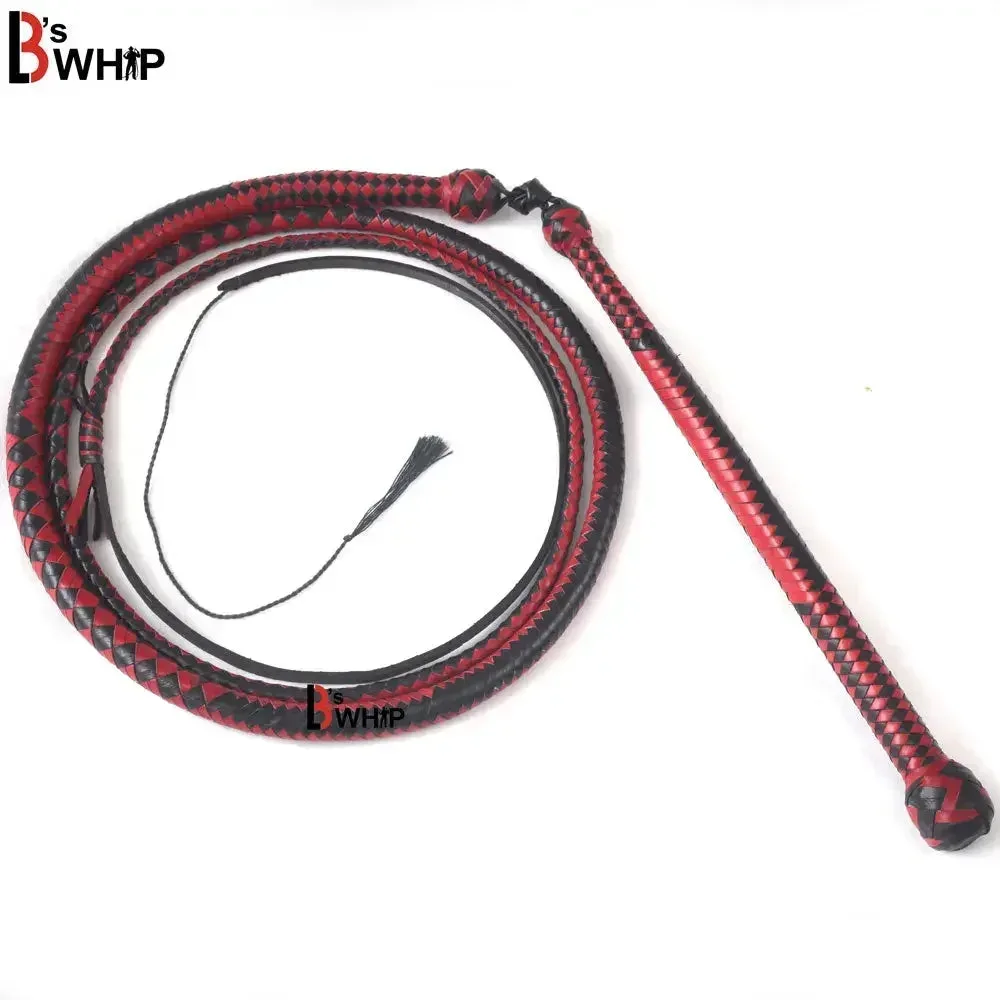
Red & Black Stockwhip 04 Feet to 12 Feet long and 16 Plaits Kangaroo Hide Leather Equestrian Australian Stock Whip
-
Red & Black Stockwhip 04 Feet to 12 Feet long and 16 Plaits Kangaroo Hide Leather Equestrian Australian Stock Whip: Handle is 18 inches long with Cane inside. The cane handle does not need conditioning, so apply conditioner only to the leather thong and avoid saturating the handle area where it joins the thong.
-
Red & Black Stockwhip 04 Feet to 12 Feet long and 16 Plaits Kangaroo Hide Leather Equestrian Australian Stock Whip: Included in the Packages: Instructions about how to keep the whip in great condition. The manufacturer provides care instructions specific to this whip's construction. Always follow those instructions as the primary reference.
Choosing a Leather Conditioner for Your Stockwhip
When selecting a leather conditioner for a stockwhip, look for a product designed for braided or tool leather rather than a heavy grease or wax that can stiffen the thong. A conditioner that absorbs into the fibers without leaving a sticky residue helps maintain the whip's flexibility.
Avoid products containing silicone or petroleum, which can coat the leather and prevent future conditioning from penetrating. A neutral, oil-based conditioner (such as neat's-foot oil or a dedicated leather balm) is a common choice among whip users, though the supplied instructions may recommend a specific type.
How to Oil a Stockwhip: General Steps
The following steps are based on common best practices for kangaroo hide whips. For final details, refer to the care instructions included with your whip.
- Clean the whip first: Wipe the thong with a slightly damp cloth to remove dust and dirt. Let it dry completely before applying conditioner.
- Apply conditioner sparingly: Use a soft cloth or your fingers to apply a small amount of conditioner to the thong. Work it into the braids gently, focusing on the overlay and allowing it to seep into the bellies and bolsters.
- Avoid the handle and cracker: Keep conditioner off the cane handle and the nylon cracker. The handle does not need conditioning, and the cracker should stay dry for proper performance.
- Let the conditioner absorb: Allow the whip to rest for several hours or overnight in a room-temperature, well-ventilated area. Wipe off any excess before use.
Stockwhip Maintenance Tips Between Conditioning
Between deeper conditioning sessions, a simple wipe-down after each use removes sweat and dirt that can dry the leather. Store the whip in a cool, dry place away from direct sunlight and heat sources. The included leather whip holder helps protect the thong during storage.
If you use the whip frequently, conditioning at the interval recommended in the supplied product instructions is appropriate. Watch for signs of dryness: a stiff thong, small cracks in the overlay, or a dull appearance. Those are cues that conditioning is due.
What the Supplied Information Does Not Cover
The catalog record does not specify a recommended conditioning frequency, a preferred brand of conditioner, or a detailed step-by-step procedure. It does confirm that care instructions are included with the whip, so those should be your first resource.
If you have questions about a specific conditioner's compatibility with kangaroo hide, test it on a small inconspicuous area of the thong first. The maker's instructions remain the most reliable guidance for this particular whip's construction.