Why Organic Chicken Breast Dries Out
Chicken breast is naturally lean, and organic chicken breast like Dietz & Watson Organic Chicken Breast contains no added preservatives or nitrates. Without these additives, the meat relies entirely on your cooking method to stay moist. Overcooking or high direct heat can quickly turn a tender breast into a dry, chewy piece.
The key is to work with the meat's natural moisture rather than fighting it. Understanding a few basic principles helps you get juicy results every time.
What the Product Record Confirms
-
Dietz & Watson Organic Chicken Breast: Dietz & Watson Organic Chicken Breast is made without preservatives, with no nitrates or nitrites added and no antibiotics. No added preservatives means the meat's natural moisture is not supplemented by artificial binders or brines. Your cooking technique must preserve that inherent moisture.
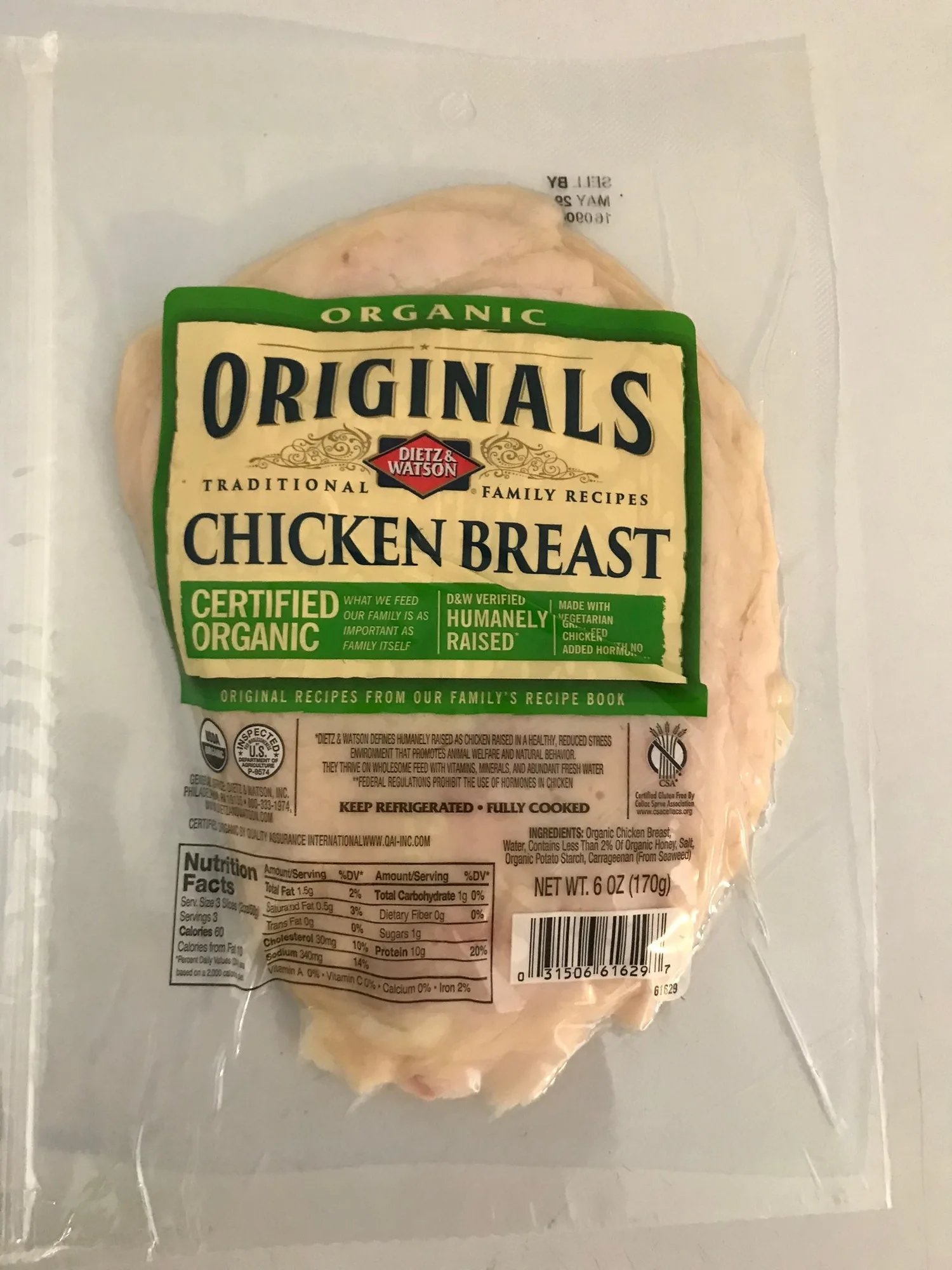
Dietz & Watson Organic Chicken Breast
-
Dietz & Watson Organic Chicken Breast: The product is described as organic chicken breast. Organic chicken typically has a leaner fat profile than conventional chicken, which influences cooking time and moisture retention.
Preparation Steps Before Cooking
Start by letting the chicken breast come to room temperature if it has been refrigerated. Cold meat cooks unevenly, and the outer layers can overcook before the center is done. Pat the surface dry with a paper towel to remove excess moisture so that any seasoning or oil adheres better.
A light coating of oil or butter helps conduct heat gently and adds a thin barrier that reduces moisture loss. Season simply with salt and pepper, or use herbs and spices as you prefer.
Cooking Methods That Keep It Moist
Gentle, even heat is your best tool. Pan-searing in a covered skillet over medium heat traps steam and cooks the breast through without drying. Start with a hot pan to create a quick sear, then reduce heat and cover to finish cooking.
Baking in a preheated oven at a moderate temperature, loosely covered with foil, also works well. The foil holds in steam while the oven heat cooks the meat evenly. Avoid high temperatures that evaporate surface moisture too quickly.
For poaching or simmering in broth or water, keep the liquid at a gentle simmer rather than a rolling boil. Boiling can toughen the proteins. The breast is done when it reaches a safe internal temperature, but the supplied information does not specify exact cooking times or temperatures.
How to Tell When It's Done
Without a supplied target temperature from the product record, the safest approach is to use a reliable meat thermometer. Insert it into the thickest part of the breast without touching bone. When the juices run clear and the meat feels firm to the touch, it is likely cooked through.
Let the breast rest for a few minutes after cooking. Resting allows the juices to redistribute throughout the meat, so every slice stays moist.
What the Supplied Information Does Not Cover
The product record does not include specific cooking times, recommended internal temperatures, or preparation instructions from the manufacturer. The guidance above is based on general best practices for cooking lean chicken breast. For food safety, always follow your local health authority's minimum internal temperature recommendations for poultry.
If you need exact cooking instructions, check the package labeling or contact the manufacturer directly.