Quick Answer
To cook a perfect steak in a cast iron skillet, start with a thick cut, pat it dry, and season generously. Heat your skillet until it's smoking hot, then sear the steak for 3-4 minutes per side, adding butter and aromatics for flavor. Rest the steak before slicing to lock in the juices.
Cooking a steak at home can be intimidating, but a cast iron skillet is the secret to achieving a restaurant-quality crust and juicy interior. The even heat retention and high smoke point of cast iron make it ideal for searing, and with the right technique, you'll never order steak out again.
In this guide, we'll walk you through each step, from selecting the perfect steak to resting it properly. We'll also share tips on choosing the right skillet size and maintaining it for years of perfect sears.
Why Cast Iron for Steak?
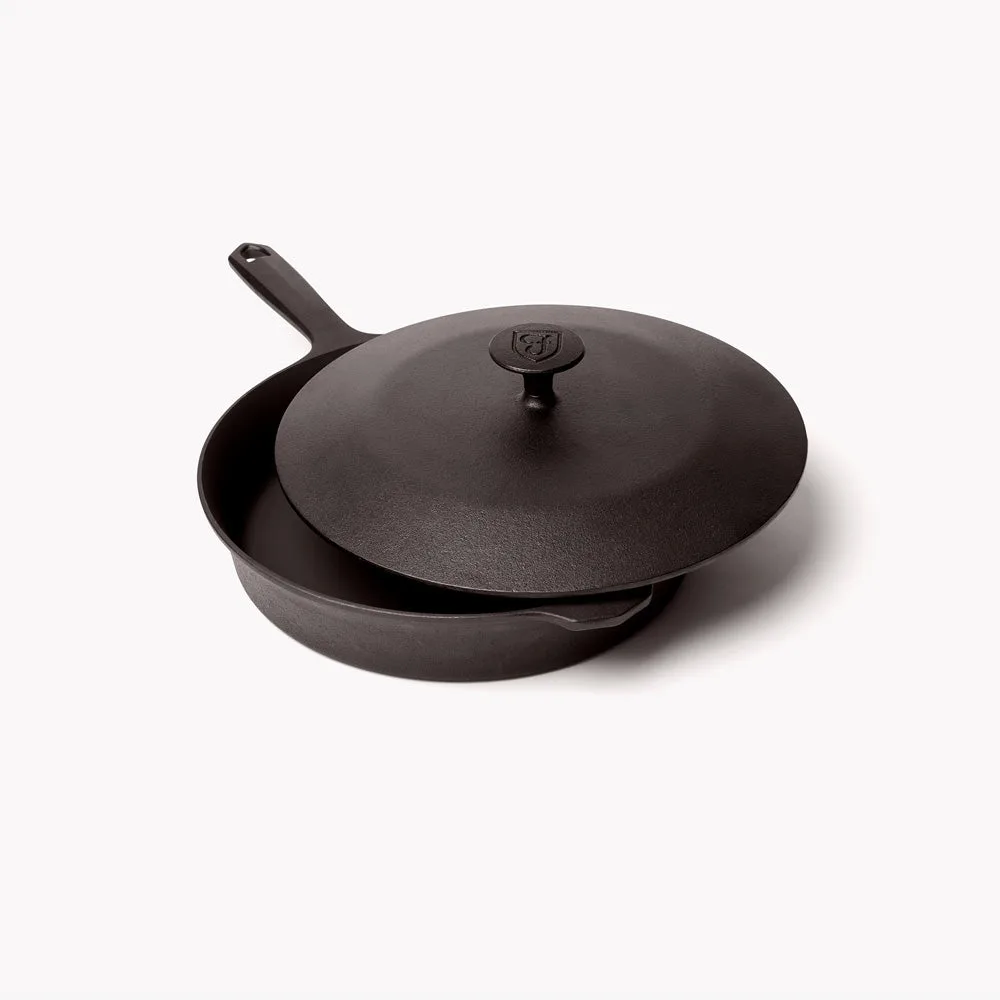
Cast iron skillets are the go-to choice for searing steak because they heat evenly and hold that heat when you add the meat. This ensures a deep, golden-brown crust without overcooking the center. The smooth, polished surface of a pre-seasoned pan like the No.8 Cast Iron Skillet develops natural nonstick properties over time, making it easier to flip and release your steak.
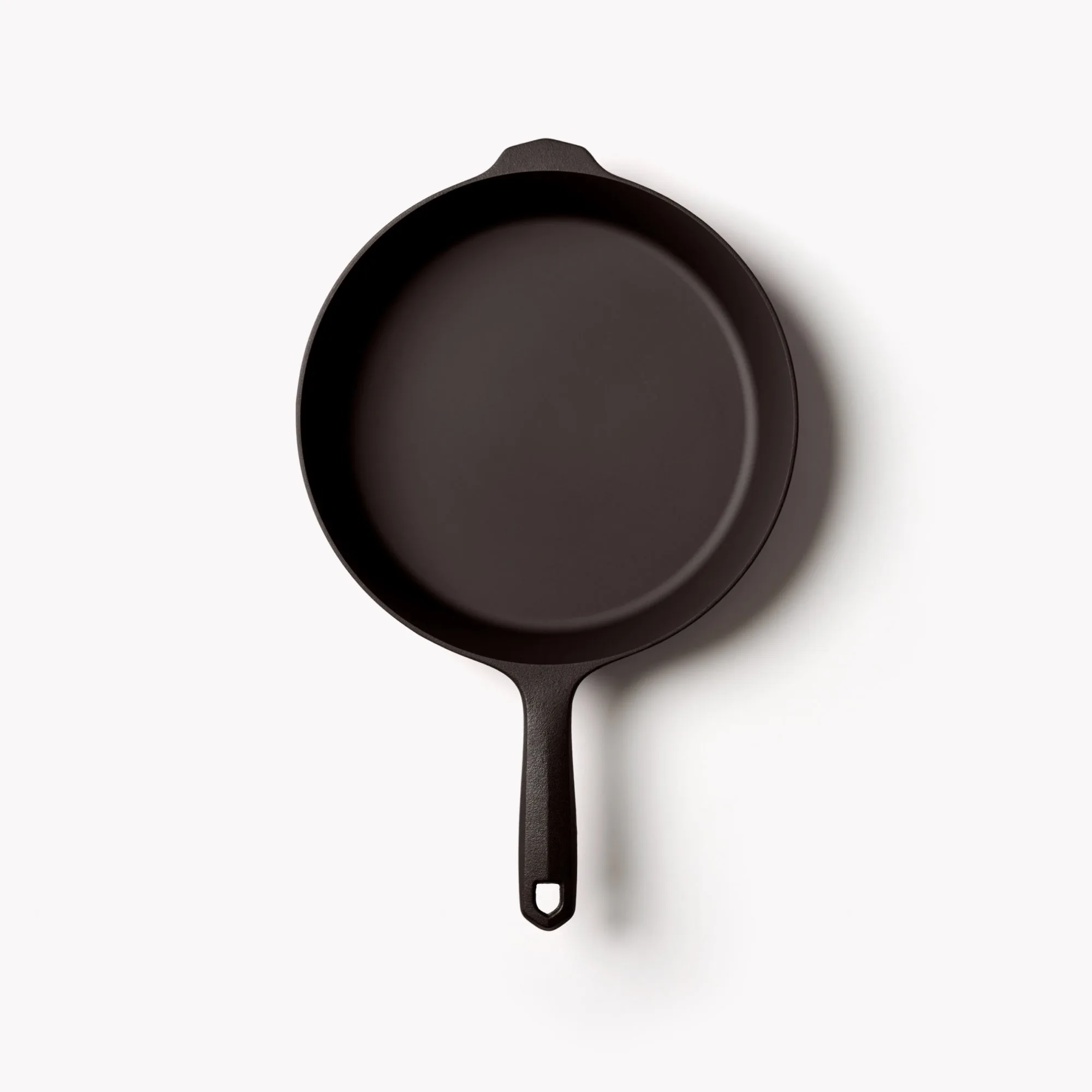
No.8 Cast Iron Skillet
Unlike nonstick pans, cast iron can withstand high temperatures without releasing harmful chemicals. It's also versatile—you can start on the stovetop and finish in the oven, making it perfect for thicker cuts.
- Choose a skillet that fits your steak with some room to spare, so you don't overcrowd the pan.
Choosing the Right Steak and Skillet
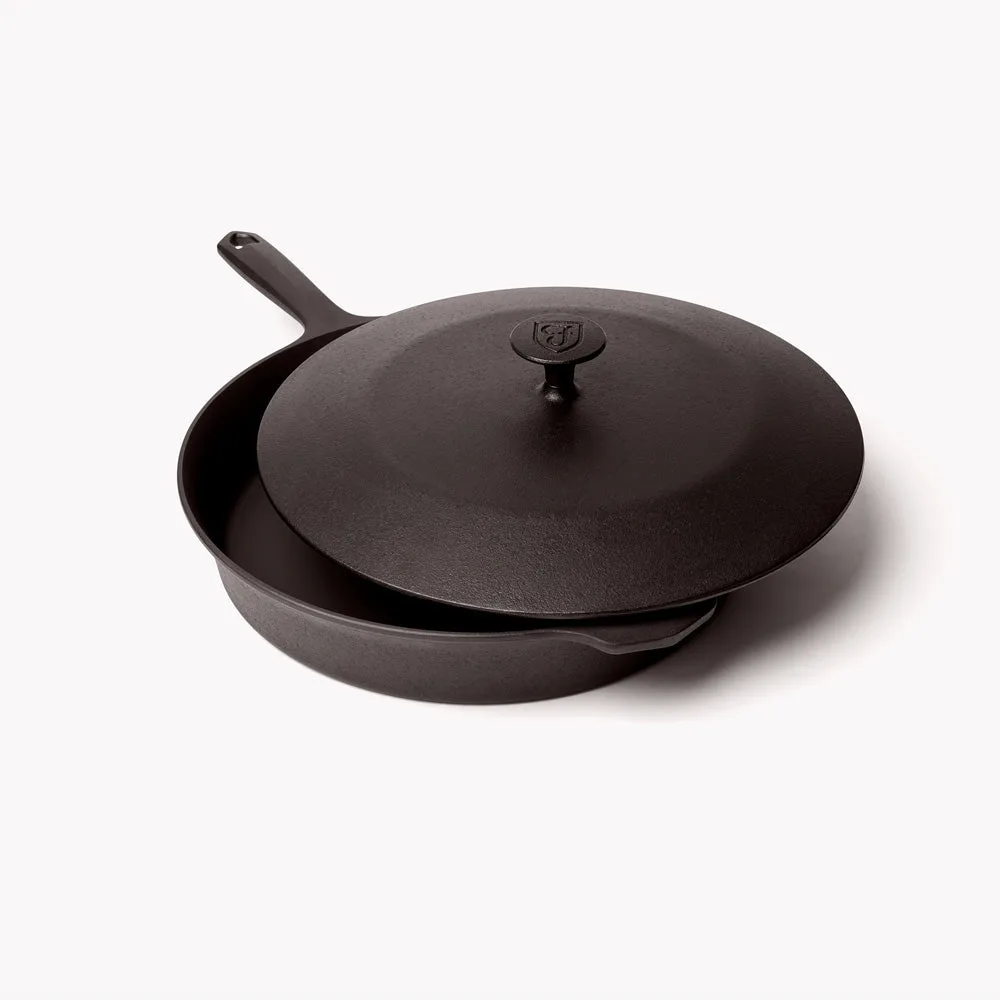
For the best results, pick a steak that's at least 1.5 inches thick, such as a ribeye or New York strip. Thicker cuts allow for a nice crust while keeping the interior perfectly cooked. If you're cooking for one or two, the No.6 Cast Iron Skillet (8 3/8 inches) is ideal for a single steak. For larger portions or a family meal, the No.8 Cast Iron Skillet (10 1/4 inches) offers more surface area.
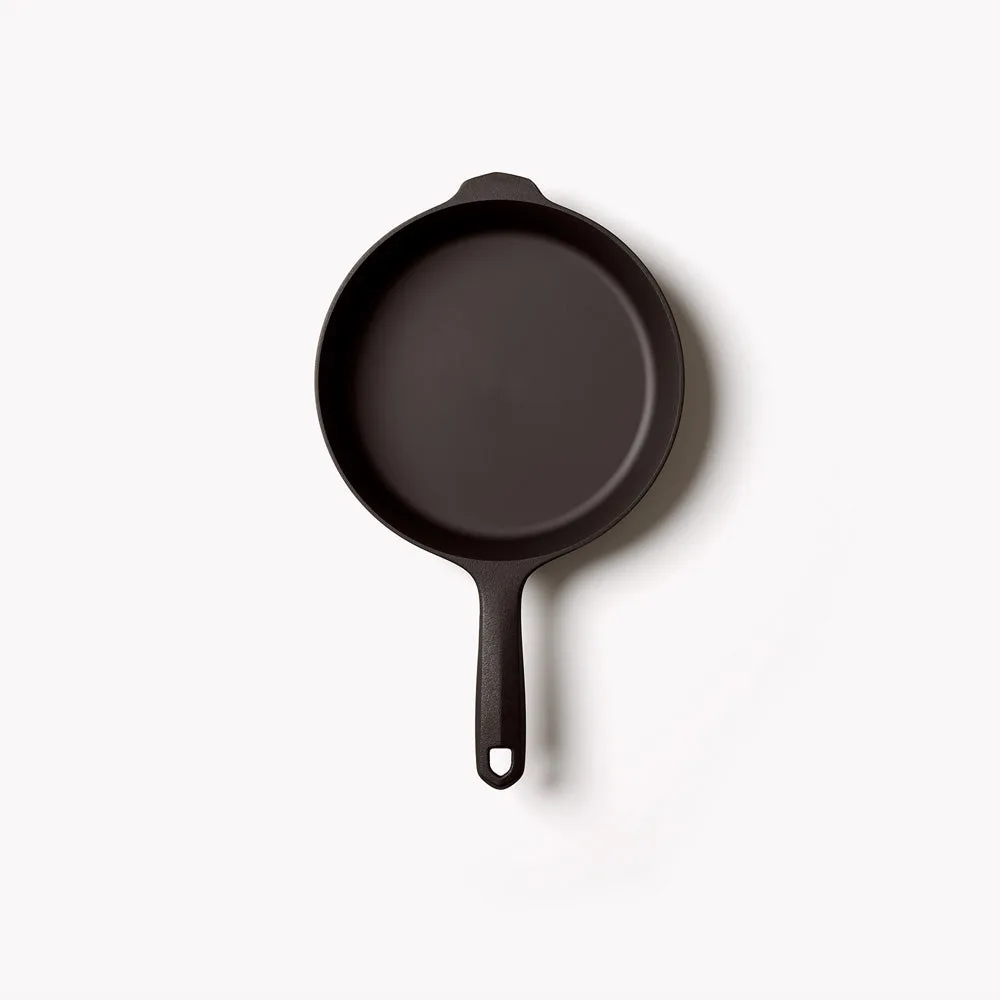
No.6 Cast Iron Skillet
Ensure your steak is at room temperature before cooking, and pat it dry with paper towels. Moisture is the enemy of a good sear—it prevents browning and causes steaming.
- For smaller steaks or eggs, the No.4 Cast Iron Skillet (6 3/4 inches) is perfect for individual servings.
Seasoning and Preheating
Season your steak generously with coarse salt and freshly ground black pepper. You can add other spices like garlic powder or smoked paprika, but keep it simple to let the beef shine. Don't be afraid to use more salt than you think—some will fall off during cooking.
Place your cast iron skillet over medium-high heat and let it preheat for at least 5 minutes. The pan should be smoking hot before you add the steak. To test, flick a drop of water onto the surface—if it sizzles and evaporates immediately, it's ready.
- Use an oil with a high smoke point, like avocado or canola, to coat the pan lightly before adding the steak.
Searing to Perfection
Carefully lay the steak in the hot pan, laying it away from you to avoid splattering. Press it down gently with a spatula or tongs to ensure even contact. Let it sear without moving for 3-4 minutes, until a golden crust forms. Flip and repeat on the other side.
For a flavorful finish, add a couple of tablespoons of butter, crushed garlic cloves, and fresh herbs like thyme or rosemary to the pan. Tilt the pan and spoon the melted butter over the steak continuously for about a minute. This basting technique adds richness and helps cook the steak evenly.
- Use tongs to flip the steak, not a fork, to avoid piercing the meat and losing juices.
Finishing and Resting
Check the internal temperature with an instant-read thermometer. For medium-rare, aim for 130-135°F (54-57°C). If you prefer your steak more done, continue cooking to your desired temperature. Remember that the temperature will rise about 5 degrees while resting.
Transfer the steak to a cutting board and let it rest for at least 5 minutes. This allows the juices to redistribute, ensuring every bite is moist and flavorful. Slice against the grain and serve immediately.
- Don't skip resting—it's the difference between a juicy steak and one that bleeds all over your plate.
Step-by-Step: Perfect Steak in Cast Iron
- Step 1: Bring steak to room temperature: Take your steak out of the fridge 30-45 minutes before cooking. Pat it dry with paper towels. Checkpoint: The steak should feel dry to the touch, ensuring a good sear.
- Step 2: Season generously: Sprinkle salt and pepper on both sides. Press the seasoning into the meat. Checkpoint: Don't be shy with salt—it enhances the flavor.
- Step 3: Preheat your cast iron skillet: Heat the skillet over medium-high heat for 5 minutes until smoking hot. Add a thin layer of high-smoke-point oil. Checkpoint: The pan should be hot enough that a drop of water sizzles and evaporates.
- Step 4: Sear the steak: Place the steak in the pan, laying it away from you. Press down gently and let it cook undisturbed for 3-4 minutes. Checkpoint: A golden crust should form; if it sticks, it's not ready to flip.
- Step 5: Flip and add butter: Flip the steak and add butter, garlic, and herbs. Baste the steak with the melted butter for 1-2 minutes. Checkpoint: The butter should be foamy, not burnt.
- Step 6: Check temperature and rest: Insert an instant-read thermometer to check doneness. Remove from pan and rest for 5 minutes. Checkpoint: Temperature will rise 5 degrees during rest, so pull it slightly early.
Skillets That Make It Easy
- No.8 Cast Iron Skillet: Our 10 1⁄4 inch bestselling pan that raised $1.6 million on Kickstarter. Smoother—Polished cooking surface that comes pre-seasoned and develops nonstick layers as you cook. Lighter—Thinner sidewalls and a balanced handle make it easy for everyday cooking. This size is perfect for most home cooks, offering enough room for a large steak while remaining easy to handle.
- No.6 Cast Iron Skillet: This 8 3⁄8 inch skillet is perfect for scrambled eggs for two, a single grilled sandwich, or a small batch of cornbread. Smoother—Polished cooking surface that comes pre-seasoned and develops nonstick layers as you cook. Lighter—Thinner sidewalls and a balanced handle make it easy for everyday cooking. If you're cooking for one or two, this smaller skillet heats up faster and is easier to store, making it a great choice for a quick steak dinner.
With these steps, you'll be able to cook a perfect steak in a cast iron skillet every time. The key is to use a well-seasoned pan, get it hot, and let the steak do the work. Try it with a quality cut from your local butcher, and enjoy a restaurant-quality meal at home.