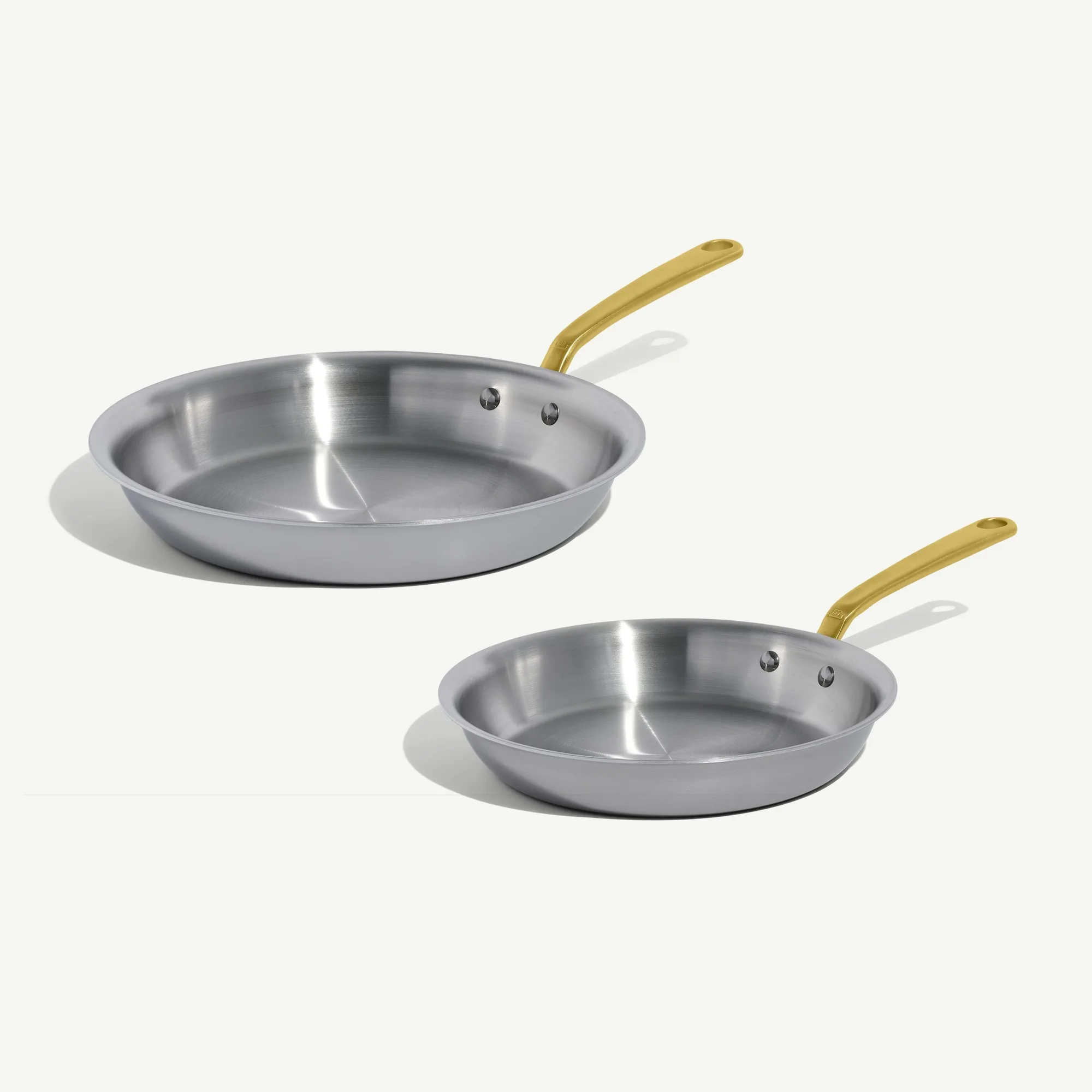
Stainless clad cookware is a favorite among professional chefs and home cooks alike for its durability, elegant appearance, and superior heat conductivity. But if you've ever struggled with food sticking to your stainless steel pan or uneven browning, you're not alone. The good news is that with the right techniques, you can achieve perfectly seared proteins, sautéed vegetables, and delicate sauces without frustration.
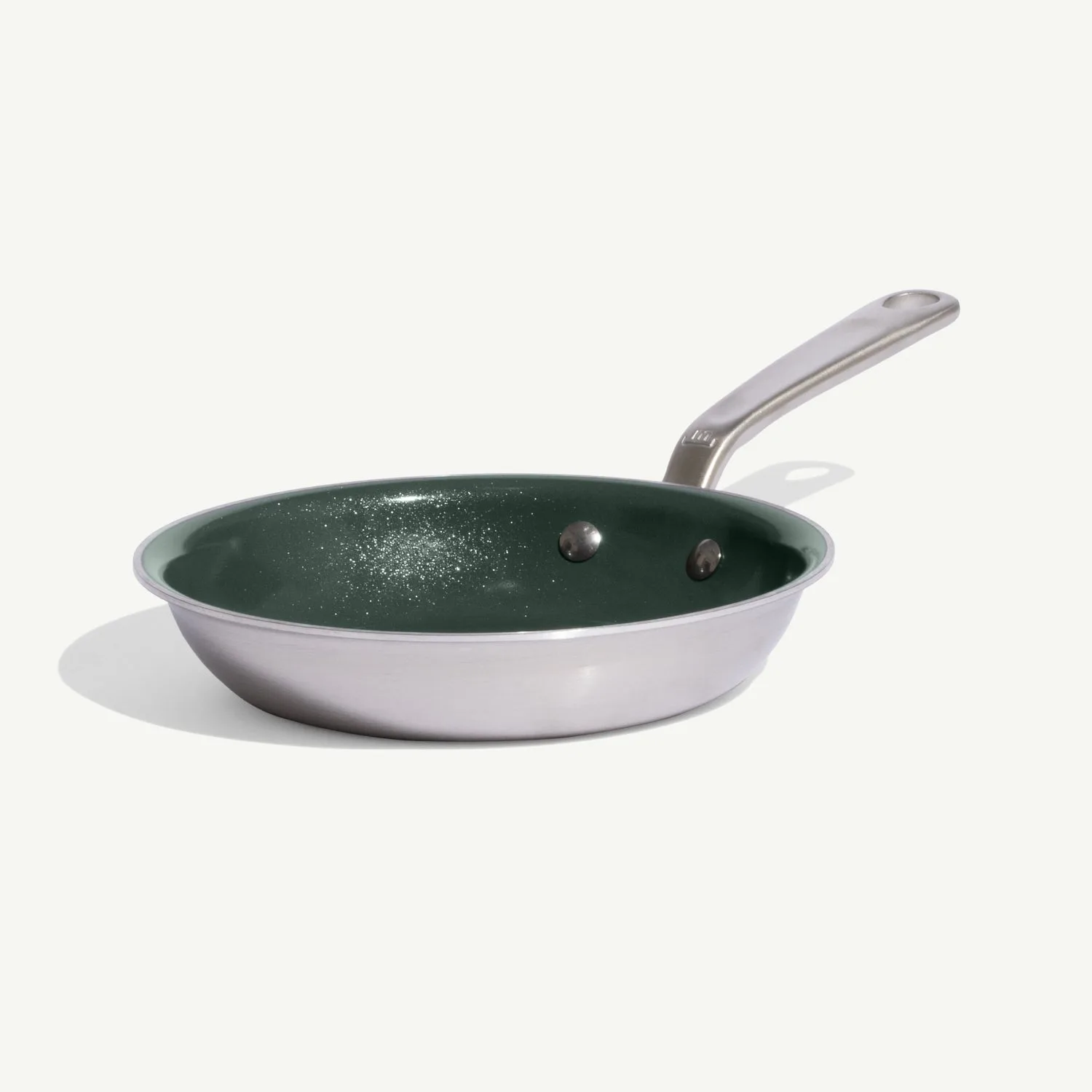
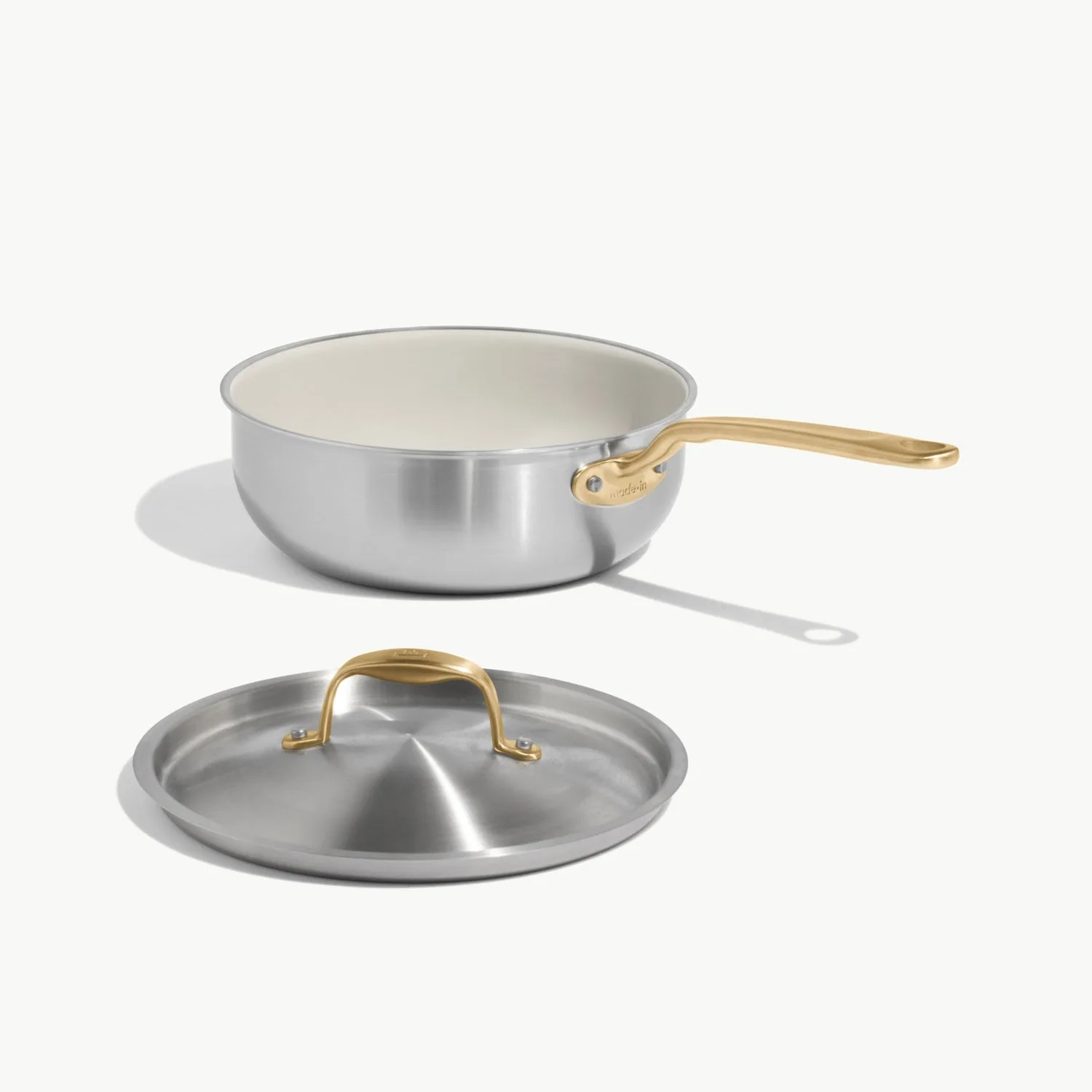
In this guide, we'll walk you through the essential principles of cooking with stainless clad cookware—from understanding how heat moves through the metal to mastering the secret of the Leidenfrost effect. Whether you're using a premium https://kindaero.store/products/stainless-clad-frying-pan-set-97143https://kindaero.store/products/stainless-clad-frying-pan-set-97158https://kindaero.store/products/stainless-clad-frying-pan-set-97167https://kindaero.store/products/stainless-clad-frying-pan-set-97172Stainless Clad Frying Pan Set or a versatile Stainless Clad Saucier, these tips will help you unlock the full potential of your cookware.
Why Stainless Clad Cookware Excels at Even Heating
Stainless clad cookware is constructed by bonding multiple layers of metal—typically an aluminum or copper core sandwiched between stainless steel layers. This design combines the best properties of each material: the corrosion resistance and non-reactive surface of stainless steel with the exceptional heat conductivity of aluminum or copper. The result is a pan that heats evenly across its entire surface, eliminating hot spots that can cause burning or uneven cooking.
Unlike pure stainless steel pans that can warp or heat unevenly, clad construction ensures consistent temperature from edge to edge. This makes it ideal for tasks like searing a steak, where you want a uniform crust, or simmering a delicate sauce that requires gentle, even heat. When you invest in quality pieces like those from Made In, you're getting professional-grade performance that lasts for decades.
- Look for tri-ply or multi-ply construction for optimal heat distribution.
- Clad cookware works on all cooktops, including induction, gas, and electric.
The Golden Rule: Preheat Your Pan Properly
The number one mistake cooks make with stainless steel is adding food before the pan is hot enough. Stainless clad cookware needs time to reach a consistent temperature. Start by placing your dry pan over medium heat for 2–3 minutes. To test if it's ready, sprinkle a few drops of water onto the surface. If they sizzle and evaporate immediately, the pan isn't hot enough. If they form a single, rolling bead that glides across the surface like mercury—that's the Leidenfrost effect—the pan is perfectly preheated.
Once you see that dancing water bead, reduce the heat slightly and add your oil. Swirl to coat the bottom, then immediately add your food. The oil will shimmer but not smoke. This preheating step is crucial for preventing sticking because it creates a temporary non-stick layer through thermal expansion of the metal's pores. Patience here pays off with effortless release and beautiful browning.
- Always preheat on medium heat, not high, to avoid warping the pan.
- Use the water droplet test to gauge readiness—no guesswork needed.
Oil Selection and Application Techniques
Choosing the right oil and applying it correctly can make or break your stainless clad cooking experience. Oils with high smoke points—such as avocado, grapeseed, or refined olive oil—are best for searing and frying. For lower-heat cooking like sautéing vegetables, butter or extra virgin olive oil work well, but be careful not to let them burn. A good rule of thumb is to add oil after the pan is preheated, then tilt the pan to coat the entire surface evenly.
For extra insurance against sticking, try the 'cold oil, hot pan' method: after preheating, add a thin layer of oil and let it heat for about 30 seconds before adding your ingredients. This technique works beautifully with a Stainless Clad Saucier when making delicate pan sauces or risotto. The oil fills microscopic imperfections in the metal, creating a slick surface that food won't cling to.
- Use high-smoke-point oils for searing: avocado, grapeseed, or refined coconut oil.
- Add oil just before food—don't let it sit in the pan for minutes.
Mastering the Art of Not Sticking: Temperature and Timing
Even with perfect preheating, some foods—like eggs, fish, or potatoes—can still stick if you rush the process. The key is to let food develop a crust before attempting to move it. When you place protein or vegetables in a hot, oiled pan, they will naturally release once the surface has caramelized. If you try to flip or stir too early, the food will tear and stick. Give it time: 3–4 minutes for a steak, 2–3 minutes for fish fillets, or until the edges look golden and crisp.
Another common issue is overcrowding the pan. When too much food is added at once, the pan temperature drops dramatically, causing steam instead of sear. Cook in batches if needed, and always leave space between pieces. For delicate items like eggs, use a lower heat after preheating and add a bit of butter for flavor and release. With practice, you'll find that stainless clad cookware is actually less sticky than non-stick when used correctly—and far more versatile.
- Let food release naturally—if it resists, it's not ready to flip.
- Cook in batches to maintain pan temperature and avoid steaming.
Cleaning and Maintaining Your Stainless Clad Cookware
One of the joys of stainless clad cookware is how easy it is to clean—especially if you've used proper technique. For most meals, a quick soak in warm soapy water and a gentle scrub with a non-abrasive sponge is all you need. For stubborn stuck-on food, deglaze the pan while it's still warm by adding a splash of water or broth and scraping up the browned bits with a wooden spoon. This not only cleans the pan but creates a flavorful base for sauces.
To keep your cookware looking like new, avoid using steel wool or harsh abrasives that can scratch the surface. For discoloration or rainbow stains from high heat, a paste of baking soda and water or a specialized stainless steel cleaner works wonders. Store your pans with a Pan Protector Set between them to prevent scratches during storage. With proper care, your stainless clad pieces will remain beautiful and functional for a lifetime.
- Deglaze while warm to remove stuck bits and build flavor.
- Use pan protectors to prevent scratches when stacking.
Ready to elevate your cooking with professional-grade stainless clad cookware that delivers even heat and effortless release? Explore the Stainless Clad Frying Pan Set or the versatile Stainless Clad Saucier from Made In to experience the difference quality craftsmanship makes in your kitchen.