Quick answer
Start by stocking a few whole-food staples, then follow the simple principles in The Food Matters Cookbook to build flavorful, gluten-free meals that support digestion and energy.
Why whole foods matter for everyday cooking
Cooking with whole foods means choosing ingredients that are as close to their natural state as possible—think fresh vegetables, whole grains, legumes, nuts, and seeds. This approach cuts out processed additives and preservatives, which can contribute to bloating, fatigue, and weight gain. The Food Matters Cookbook is built around this philosophy, offering over 125 gluten-free recipes that rely on natural, easy-to-find ingredients.
One trade-off is that whole foods cooking often requires a bit more prep time compared to using pre-packaged items. But the payoff is better digestion, more stable energy, and meals that taste vibrant without relying on salt or sugar. The cookbook's clear principles help you navigate this shift without feeling overwhelmed.
5 steps to start cooking with whole foods
- Step 1: Stock your pantry with whole-food staples: Fill your pantry with brown rice, quinoa, lentils, chickpeas, nuts, seeds, and a variety of fresh or frozen vegetables. Choose olive oil, coconut oil, and natural sweeteners like maple syrup or dates. Avoid anything with a long ingredient list. Check your pantry now and replace one processed item with a whole-food alternative.
- Step 2: Follow a simple principle from The Food Matters Cookbook: Open the cookbook to the introductory principles—like eating more plants and reducing refined foods. Pick one principle to focus on for the week, such as making half your plate vegetables at lunch and dinner. Don't try to change everything at once. One principle per week builds lasting habits.
- Step 3: Prep ingredients ahead for busy days: Spend 30 minutes on the weekend washing and chopping vegetables, cooking a batch of quinoa or lentils, and portioning out nuts or seeds. Store them in glass containers in the fridge. This makes it easy to throw together a meal from the cookbook in under 20 minutes. A common mistake is prepping too much. Start with just 2-3 recipes worth of ingredients to avoid waste.
- Step 4: Build meals around a whole-food base: For each meal, start with a vegetable base (like leafy greens or roasted veggies), add a whole grain or legume for staying power, and top with a simple dressing or sauce from the cookbook. The recipes show how to layer flavors without heavy creams or processed sauces. If a meal feels bland, add a squeeze of lemon or a sprinkle of herbs before reaching for salt.
- Step 5: Adjust portions to your needs and listen to your body: Whole foods are nutrient-dense, so you may need smaller portions than you're used to. Pay attention to how you feel after eating—more energy and less bloating are signs you're on the right track. The cookbook's recipes are designed to satisfy without overloading. If you feel hungry an hour later, add a bit more healthy fat (avocado, nuts) or protein (beans, tofu).
Featured resource
-
The Food Matters Cookbook: Now in paperback, this book offers clear and simple principles with over 125 gluten-free recipes for everyday healthy eating. It gives you a structured, no-fuss way to adopt whole foods cooking without needing hard-to-find ingredients or advanced skills.
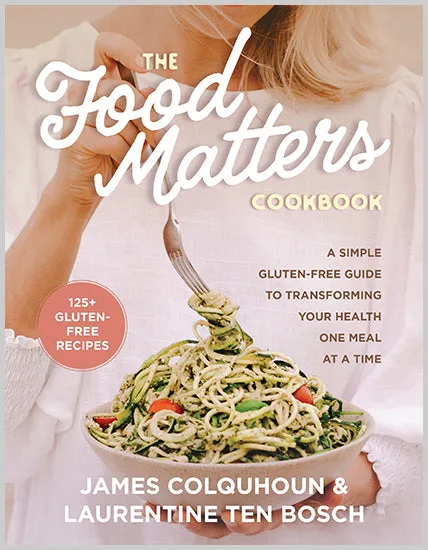
The Food Matters Cookbook