Quick Answer
To create a bedtime ritual that supports restful sleep, choose a calming herbal tea like Nighty Night® or chamomile, brew it mindfully about 30–60 minutes before bed, and pair it with relaxing activities such as reading or gentle stretching. Consistency matters more than the specific tea, so pick one you enjoy and make it a nightly habit.
A consistent bedtime ritual signals your body that it's time to wind down, making it easier to fall asleep and stay asleep. Herbal teas, especially those with calming botanicals, can be a comforting anchor for such a routine. Unlike caffeinated drinks, these teas are naturally free of stimulants and can become a soothing cue for rest.
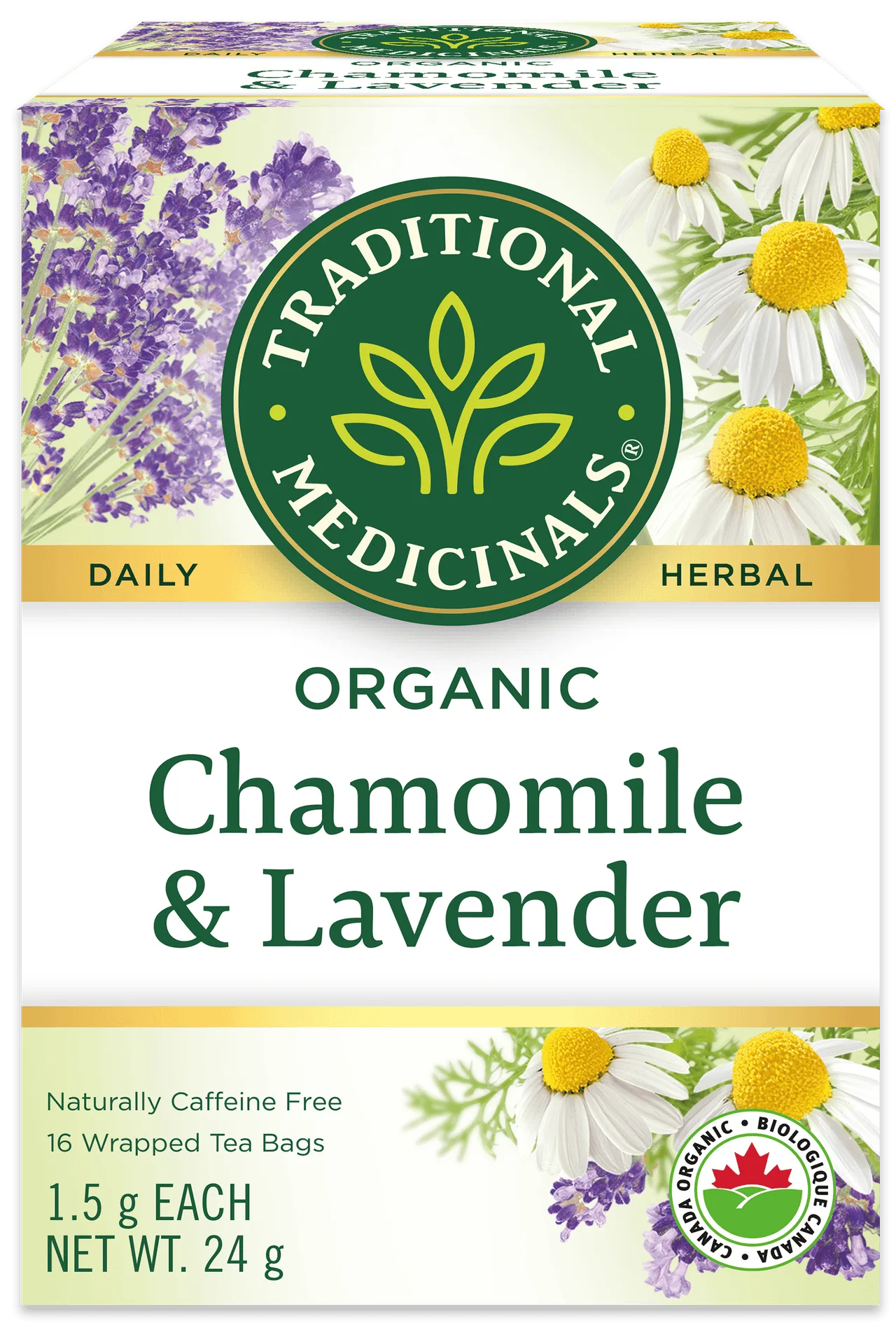
In this guide, we'll walk you through creating a personalized bedtime ritual using two popular options: Nighty Night® Tea, a blend known for its relaxing properties, and chamomile tea, a classic choice for sleep support. You'll learn step-by-step how to integrate these teas into your evening routine, along with practical tips to overcome common obstacles.
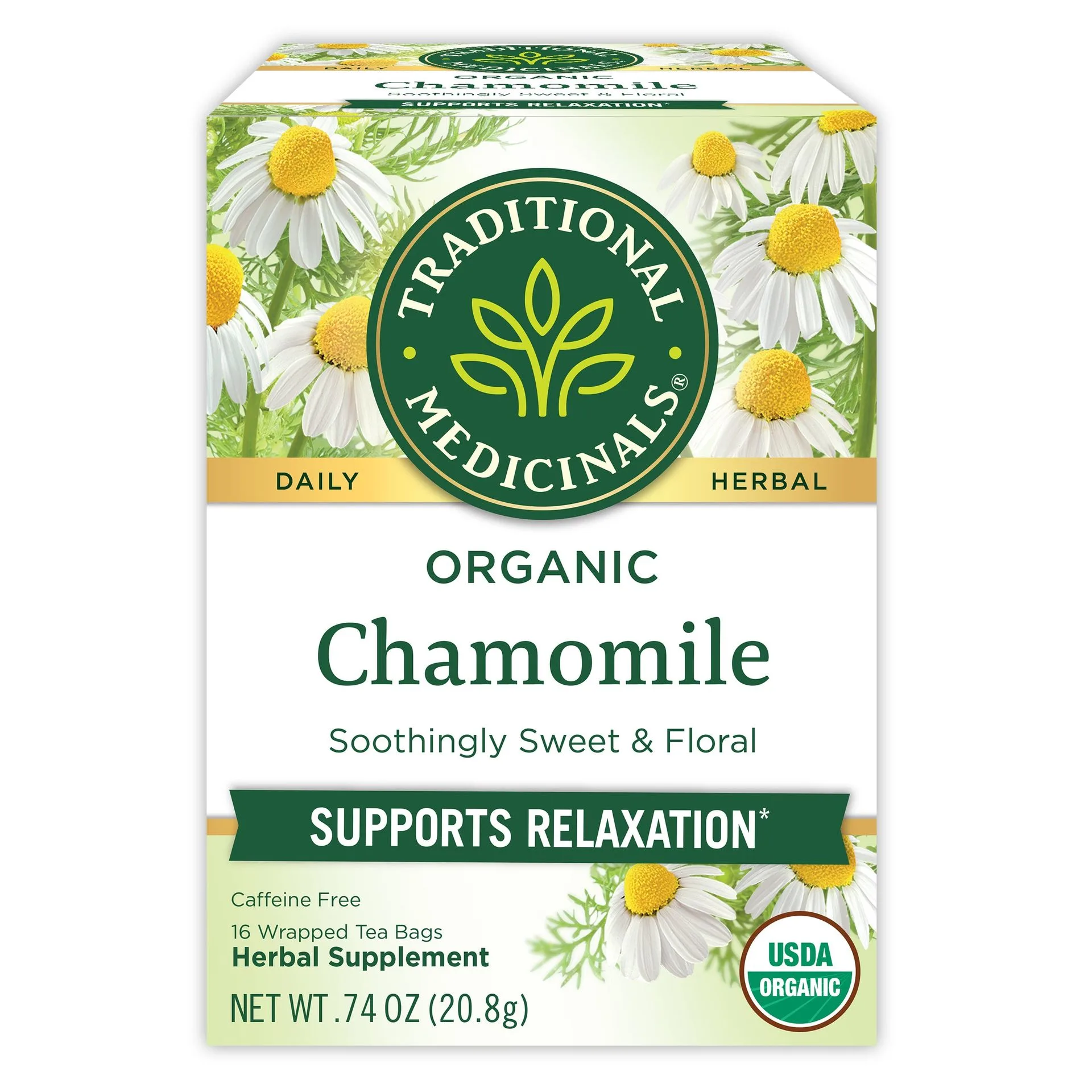
chamomile tea
Why Herbal Tea Supports Sleep
Many herbal teas contain compounds that promote relaxation. For instance, chamomile is rich in apigenin, an antioxidant that binds to certain receptors in the brain, potentially reducing anxiety and initiating sleep. Similarly, blends like Nighty Night® include herbs such as passionflower and chamomile, which have been traditionally used to calm the nervous system.
Choosing a tea without caffeine is crucial, as caffeine can interfere with your sleep cycle. Both Nighty Night® and chamomile teas are naturally caffeine-free, making them suitable for evening consumption. The act of brewing and sipping a warm beverage also provides a mindful pause, helping you transition from the day's stress to a state of relaxation.
- Look for teas labeled 'herbal' or 'caffeine-free' to avoid disrupting sleep.
- Consider the flavor: chamomile is mild and apple-like, while Nighty Night® offers a more complex, floral taste.
Choosing Your Bedtime Tea
When selecting a tea for your ritual, consider your personal taste preferences and any specific needs. If you enjoy a simple, delicate flavor, chamomile tea is a great choice. It's widely available and often blends well with honey or lemon. For those who prefer a more robust, layered taste, Nighty Night® Tea combines several calming herbs, offering a richer experience.
Both options support relaxation, but you might find that one works better for you. Pay attention to how each makes you feel. Some people respond better to the combination of herbs in Nighty Night®, while others find chamomile sufficient. You can also alternate between them to keep your ritual interesting.
- Try both teas to see which aligns with your taste and relaxation response.
- If you're sensitive to strong flavors, start with chamomile and gradually explore blends.
Setting the Scene for Your Ritual
Your environment plays a significant role in how effective your bedtime ritual is. Aim to create a calm, dimly lit space that signals sleep. This might involve lowering the lights, turning off screens, and ensuring your bedroom is at a comfortable temperature. These cues help your brain recognize that it's time to wind down.
Consider incorporating other calming activities into your ritual, such as gentle stretching, journaling, or reading a book. The key is to associate these activities with sleep, so your body learns to relax when you begin them. Consistency is essential—try to start your ritual at the same time each night, even on weekends.
- Dim the lights 30 minutes before you plan to sleep.
- Keep your phone away from the bed to avoid blue light exposure.
Brewing the Perfect Cup
The way you brew your tea affects both flavor and potential benefits. For most herbal teas, boiling water and a steeping time of 5–10 minutes is recommended. However, always check the specific instructions on the packaging, as some blends may require different temperatures or times.
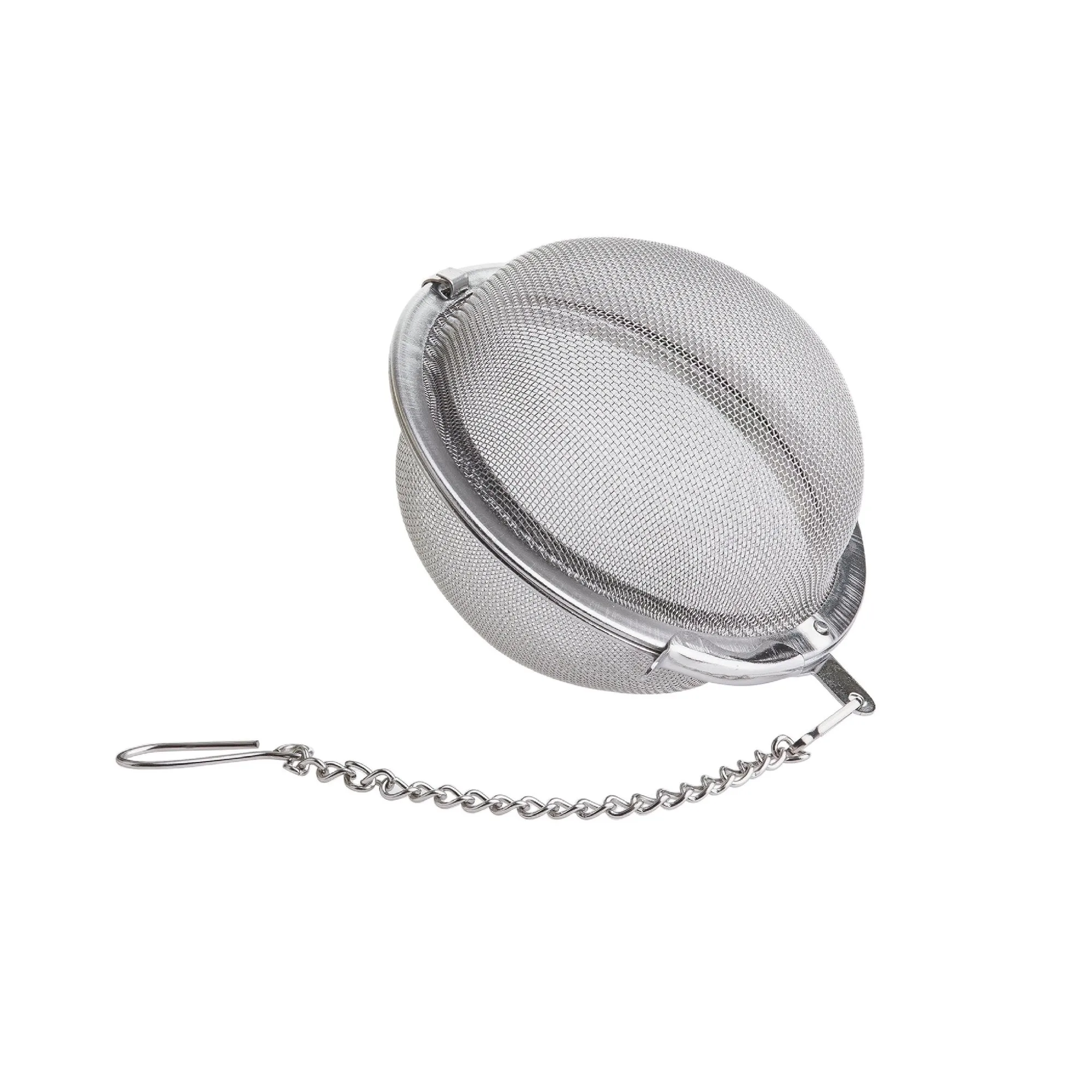
To enhance the calming experience, use a teapot or a mug with a lid to retain heat and essential oils. Covering your tea while it steeps prevents volatile compounds from escaping, resulting in a more aromatic and flavorful cup. After steeping, remove the tea bag or strain the leaves to avoid bitterness.
If you're using loose leaf tea, a teaspoon per cup is a good starting point. Adjust the amount based on your taste preference. Remember that over-steeping can make the tea taste bitter, so set a timer if needed.
- Use freshly boiled water for the best extraction.
- Steep for the recommended time to avoid bitterness.
Incorporating Tea into Your Nightly Routine
Timing is crucial when adding tea to your bedtime ritual. Aim to drink your tea about 30–60 minutes before you intend to sleep. This allows enough time for the calming effects to kick in and gives you a chance to use the bathroom before bed, minimizing nighttime awakenings.
As you sip your tea, focus on the present moment. Notice the warmth of the cup, the aroma, and the taste. This mindful practice can enhance relaxation and reduce racing thoughts. You might also pair your tea with a few minutes of deep breathing or meditation to deepen the calming effect.
Remember that a bedtime ritual is personal. Feel free to adjust the timing and activities to suit your needs. The goal is to create a repeatable routine that you look forward to each night.
- Set a reminder on your phone to start your ritual at the same time nightly.
- Use your tea time as a cue to begin winding down, not as a last-minute activity.
Steps to Build Your Bedtime Tea Ritual
- Set a consistent bedtime: Choose a time you can stick to every night, even on weekends. This helps regulate your body's internal clock. Checkpoint: Adjust gradually by 15-minute increments if needed.
- Prepare your tea 30–60 minutes before bed: Boil water, pour over your chosen tea bag (Nighty Night® or chamomile), and steep for the recommended time. Use a cover to keep the heat in. Checkpoint: Set a timer to avoid over-steeping, which can make the tea bitter.
- Create a calm environment: Dim the lights, turn off screens, and ensure your room is comfortable. This signals your brain that it's time to wind down. Checkpoint: If you feel restless, try adding a few minutes of deep breathing.
- Sip mindfully: Hold the warm cup, inhale the aroma, and take slow sips. Focus on the present moment and let go of the day's stress. Checkpoint: If your mind wanders, gently bring your attention back to the tea.
- Follow with a relaxing activity: After your tea, engage in a quiet activity like reading, journaling, or gentle stretching. Avoid stimulating tasks. Checkpoint: Keep this activity consistent to strengthen the association with sleep.
- Stick with it for at least a week: Habits take time to form. Commit to your ritual for seven nights to see if it improves your sleep quality. Checkpoint: If you don't notice changes, consider trying a different tea or adjusting the timing.
Teas That Support Your Bedtime Ritual
- Nettle Leaf Tea: Organic Nettle Leaf tea supports joint health and overall wellness.* Kick-start your body when you're feeling stagnant with this earthy, fresh blend. While not specifically for sleep, this tea can be part of a daytime routine to support overall wellness, which indirectly contributes to better sleep by addressing physical discomfort.
- Hibiscus Tea: Herbal Power Supports the cardiovascular system.* Taste Tart, tangy and fruity. Plant Story We source some of our favorite hibiscus flower from organic farms in Egypt, where the heat-loving plant flourishes. Our farmers harvest the flowers’ red centers—called calyces—for us, and then we blend them with blackberry leaf and lemongrass to create a delightful tea, to enjoy iced or hot. Hibiscus is a caffeine-free option that can be enjoyed in the evening, though its tart flavor might not be as calming as chamomile. It's a good choice if you prefer fruity notes.
- Green Tea Peppermint: Our organic Green Tea Peppermint gently invigorates, while alleviating digestive discomfort.* Blended with the mintiest peppermint we can find. This tea contains green tea, which has caffeine, so it's better suited for afternoon use. However, peppermint can aid digestion, which might help if you eat close to bedtime.
- Cup of Calm® Tea (Wholesale): Herbal Power Calming and relaxing when you need it most.* Taste Softly floral with hints of lavender and mint. Plant Story This tea is like a quiet meditation—each sip is a step along an herbal journey around the world, with herbs from Europe to the Pacific Northwest. Our blend includes passionflower, chamomile, lavender and catnip, all known as “nervines” because they support the nervous system. Sip and unwind. This is an excellent alternative to Nighty Night® if you prefer a floral, lavender-forward blend. It's specifically designed for relaxation and can be a key part of your bedtime ritual.
Creating a bedtime ritual with calming herbal teas like Nighty Night® or chamomile can be a simple yet powerful way to improve your sleep hygiene. By following these steps and being consistent, you'll train your body to relax and prepare for rest. Remember, the best tea is the one you enjoy and look forward to each night. Sweet dreams!