What Is a Blackwater Biotope?
A blackwater biotope aquarium mimics the soft, acidic, tannin-stained waters found in tropical peat swamps and forest streams. These environments are home to wild Betta species like Betta brownorum, Betta coccina, and Betta livida, which thrive among dense leaf litter and submerged botanicals. Recreating this habitat in your aquarium not only supports natural behaviors but also provides a visually striking, dark-water aesthetic.
The key to a successful blackwater biotope is using the right botanicals. The Castle Dawn Aquatics Wild Betta Malaysian Botanical Pack is designed specifically for this purpose, offering a curated mix of leaves and botanicals that release tannins and create shelter. This guide walks you through the setup process using that pack as a foundation.
Step-by-Step Blackwater Biotope Setup
Follow these steps to create a blackwater biotope that mimics the natural environment of wild Bettas and other Southeast Asian species.
- Prepare the aquarium base: Start with a clean tank. Add a soft, dark substrate like fine sand or aquatic soil to replicate the forest floor. Avoid bright gravel, which looks unnatural in blackwater setups.
- Add botanicals from the pack: Open the Wild Betta Malaysian Botanical Pack. The mix includes handpicked botanicals ideal for wild Betta habitats. Each piece varies slightly in colour, shape, and size due to natural origin, which adds authenticity. Place the botanicals across the substrate to create leaf litter zones and sheltered areas.
- Prepare the botanicals (if needed): Full instructions are included in each pack. Boiling time will vary depending on the botanical type. This step helps saturate the materials and release tannins more quickly, but follow the pack's specific guidance.
- Fill the tank and condition water: Slowly fill the tank with dechlorinated water. The botanicals will release high levels of tannins, gradually turning the water a tea-like amber. This natural process lowers pH and creates blackwater conditions perfect for wild Bettas, dwarf cichlids, and shrimp.
- Cycle and monitor water parameters: Allow the tank to cycle fully before adding fish. The tannins have antibacterial properties and help support fish health naturally. Monitor pH as it gradually drops; this is expected and beneficial for the target species.
- Introduce compatible fish: Once the tank is cycled and stable, add wild Betta species like Betta brownorum, Betta coccina, Betta livida, or other Southeast Asian Bettas such as Betta hendra and Betta rutilans. The dense leaf litter provides safety, encourages exploration, and supports natural breeding.
Key Facts About the Wild Betta Malaysian Botanical Pack
-
Blackwater Aquarium Wild Betta Malaysian Botanical Biotope Pack: Inspired by conservation work in Malaysia, this pack is tailored for Coccina complex Betta species and other Southeast Asian Bettas. It ensures the botanicals match the natural habitat of these fish, increasing the likelihood of natural behavior and breeding.
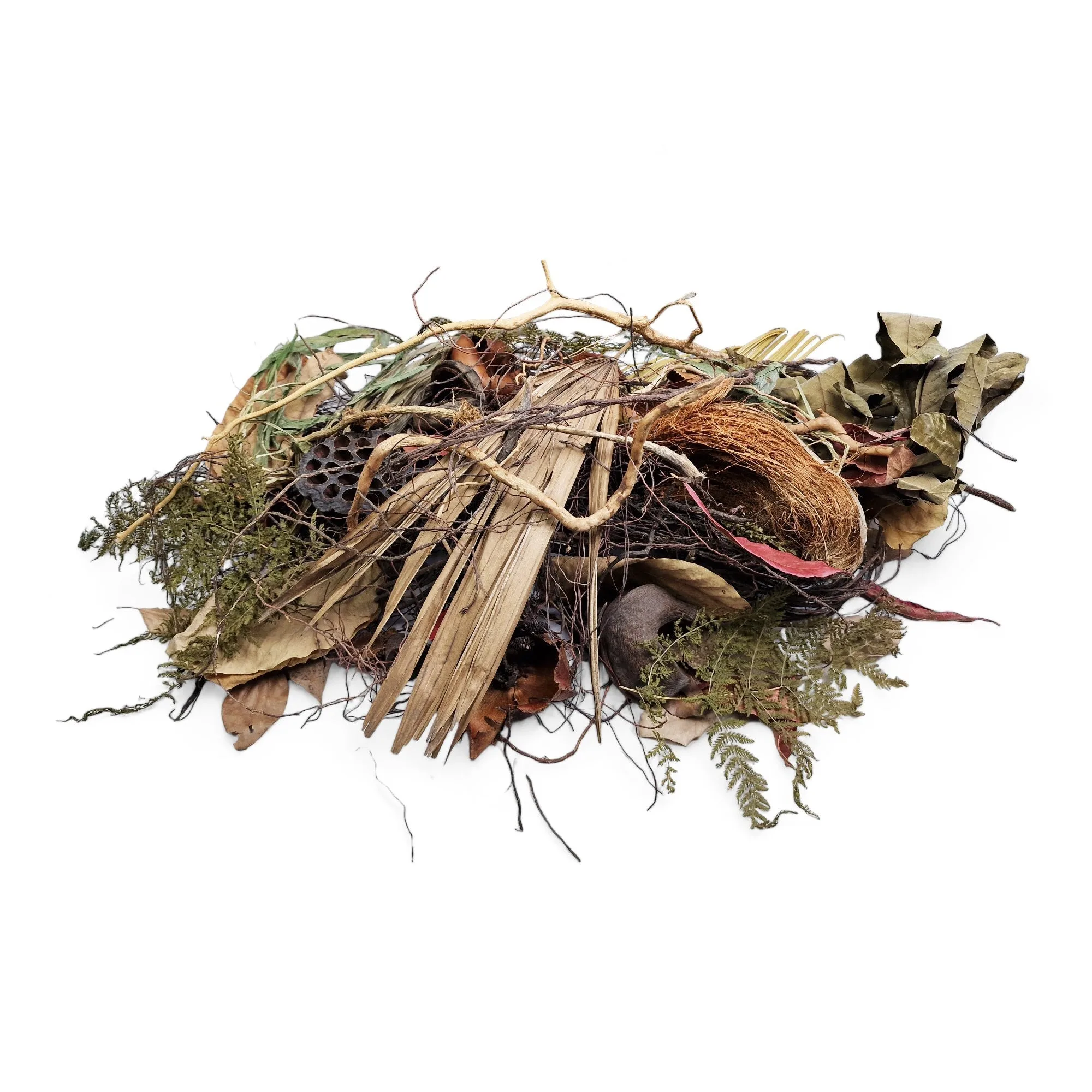
Blackwater Aquarium Wild Betta Malaysian Botanical Biotope Pack
-
Blackwater Aquarium Wild Betta Malaysian Botanical Biotope Pack: Each botanical is collected from chemical-free sources and naturally sun-dried without ethanol. This guarantees a safe, natural environment without introducing contaminants into your aquarium.
-
Blackwater Aquarium Wild Betta Malaysian Botanical Biotope Pack: The pack releases beneficial tannins with antibacterial properties and helps gradually lower pH. Tannins create authentic blackwater conditions and support fish health by preventing common diseases naturally.
-
Blackwater Aquarium Wild Betta Malaysian Botanical Biotope Pack: If certain botanicals are unavailable, they will be substituted with a similar type. For aquarium use only. You can expect a consistent biotope experience even if specific leaves are out of stock.
Maintaining Your Blackwater Biotope
Once established, a blackwater biotope requires minimal intervention. The botanicals will gradually break down, releasing tannins and encouraging biofilm growth, which provides a natural food source for shrimp and Plecos. Replace leaves and botanicals as they decompose to maintain the habitat structure.
The tannins also help balance pH naturally, reducing the need for chemical additives. Use regular water changes with dechlorinated water, but avoid over-cleaning the substrate, as the leaf litter is part of the ecosystem. The natural variation in each botanical piece means your biotope will have a unique, organic look over time.