Quick answer
Build your remote work wardrobe around a few breathable, stretchy core pieces you can mix and match: two or three comfortable T-shirts, one or two loungewear bottoms, a light layer for video calls, and socks that stay put. Prioritize fabric and fit over quantity, and test each piece through a full workday before committing.
Your home office wardrobe has a different job than your office wardrobe. It needs to keep you comfortable through long stretches at a desk, look presentable enough for a video call, and survive frequent washing without losing shape. The good news: you do not need a lot of clothes to make this work.
This guide walks through seven steps for building a small, functional remote work wardrobe. Each step includes a checkpoint or a common mistake to avoid, so you can adjust as you go instead of buying everything at once.
Step 1: Audit what you already wear on work-from-home days
Before buying anything, spend one week noticing what you actually reach for. Keep a note of the pieces you wear more than once and the ones you avoid. This tells you which fabrics, cuts, and colors already work for your body and your daily routine. Most people find they rotate through three or four items, not twenty.
Check each item for comfort problems: waistbands that dig in, sleeves that restrict typing, or fabric that feels clammy after a few hours. These are the gaps your new purchases should fill. If a piece is uncomfortable at 10 a.m., it will be worse by 4 p.m.
- Checkpoint: If you cannot name three pieces you wore twice in one week, you have not found your baseline yet.
Step 2: Choose fabrics that handle a full day at a desk
Fabric matters more than style for remote work. Look for soft, stretchy materials that breathe and do not trap heat, especially if you sit for hours. Cotton blends and microfiber work well for tops and underwear because they move with you and feel light against the skin. Fleece is a good option for cooler rooms, but check that it does not feel bulky when you sit down.
Avoid stiff fabrics that crease sharply or feel scratchy after a few hours. If you run warm, prioritize breathability over warmth. If your home office is chilly, a mid-weight fleece short or a light layer solves the problem without overheating during calls.
- Common mistake: Buying a full week of the same fabric before testing how it feels after two hours of sitting.
Step 3: Pick a small set of tops that work on and off camera
You need fewer tops than you think. Two or three comfortable T-shirts in solid colors cover most video calls and errands. Look for a cut that sits cleanly on the shoulders and does not gape when you lean forward. A comfortable t-shirt should feel relaxed but not sloppy, so you can answer the door without changing.
If your workplace is casual, a simple tank top under a light overshirt gives you a layer you can remove when the call ends. The goal is a top that reads as put-together from the chest up and feels like loungewear from the waist down.
- Checkpoint: Sit, stand, and reach for your keyboard in front of a mirror. If the neckline or hem shifts awkwardly, size up or try a different cut.
Step 4: Add one or two loungewear bottoms you can wear outside
Bottoms take the most abuse in a home office because you sit in them all day. Sweat shorts or joggers with a soft waistband and enough stretch to cross your legs are ideal. The best loungewear for remote work doubles as something you can wear to a coffee shop or a quick errand without looking like you just rolled out of bed.
Check the waistband first. A low, flat waistband that does not dig in will keep you comfortable through long meetings. If you tend to run warm, choose a lighter fleece or a shorts cut. If you get cold, a slightly heavier fleece short works better than layering two pairs of pants.
- Common mistake: Choosing bottoms only by how they look standing up. Sit down for five minutes before deciding.
Step 5: Layer for temperature swings and camera-ready moments
Home office temperatures change through the day, and video calls can happen without warning. Keep one light layer within arm's reach, such as a simple overshirt, cardigan, or zip-up. This lets you adjust without leaving your desk or changing your whole outfit.
The layer should be neutral enough to work over any of your tops. If you often take calls on short notice, choose a layer that looks intentional rather than purely functional. A clean, casual piece solves both problems.
- Checkpoint: Can you put on your layer and be camera-ready in under 30 seconds? If not, simplify.
Step 6: Do not overlook socks, underwear, and base layers
The pieces closest to your skin affect comfort more than anything else. Socks that slide down or bunch up will distract you all day, and underwear that rides up makes sitting uncomfortable. Choose socks with a ribbed top and a fit that stays put without squeezing, and underwear with a soft, stretchy waistband that stays flat under clothing.
This is also where fabric choice pays off. Bamboo viscose and stretch microfiber feel smooth, breathe well, and hold their shape through repeated washing. Buy a few pairs you can rotate so you are never stuck doing laundry mid-week.
- Common mistake: Treating socks and underwear as an afterthought. They are the foundation of a comfortable workday.
Step 7: Test, rotate, and replace only what fails
Once you have your core pieces, wear them through a normal week. Note which items you reach for first and which ones stay in the drawer. A remote work wardrobe works best when it is small enough to rotate fully, so every piece gets worn and washed regularly.
Replace items only when they fail a specific test: they lose shape, feel uncomfortable after a few hours, or no longer look presentable on camera. This keeps your wardrobe functional and prevents drawers full of clothes you never wear.
- Checkpoint: If a piece has not been worn in two weeks, either fix the fit or let it go.
Your seven-step remote work wardrobe checklist
- Audit your current rotation: Track what you wear for one week and note comfort problems like tight waistbands or restrictive sleeves. Checkpoint: you should be able to name three pieces you wore twice.
- Choose breathable, stretchy fabrics: Prioritize cotton blends, microfiber, and bamboo viscose for base layers; use fleece for cooler rooms. Common mistake: buying multiples before testing fabric through a full day.
- Limit tops to two or three versatile pieces: Pick solid colors and cuts that stay neat when you lean toward the camera. Checkpoint: sit, stand, and reach in front of a mirror before buying.
- Pick loungewear bottoms that work outside too: Look for a soft, flat waistband and enough stretch to sit cross-legged comfortably. Common mistake: judging fit only while standing.
- Keep one camera-ready layer nearby: A neutral overshirt or zip-up handles temperature swings and sudden video calls. Checkpoint: you can be presentable in under 30 seconds.
- Upgrade socks and underwear first: Choose socks with a ribbed top that stays put and underwear with a flat, soft waistband. Common mistake: overlooking base layers that affect all-day comfort.
- Rotate and replace only what fails: Wear your core pieces for a week, then replace items that lose shape or feel uncomfortable. Checkpoint: if it has not been worn in two weeks, fix the fit or let it go.
HOM pieces that fit a remote work wardrobe
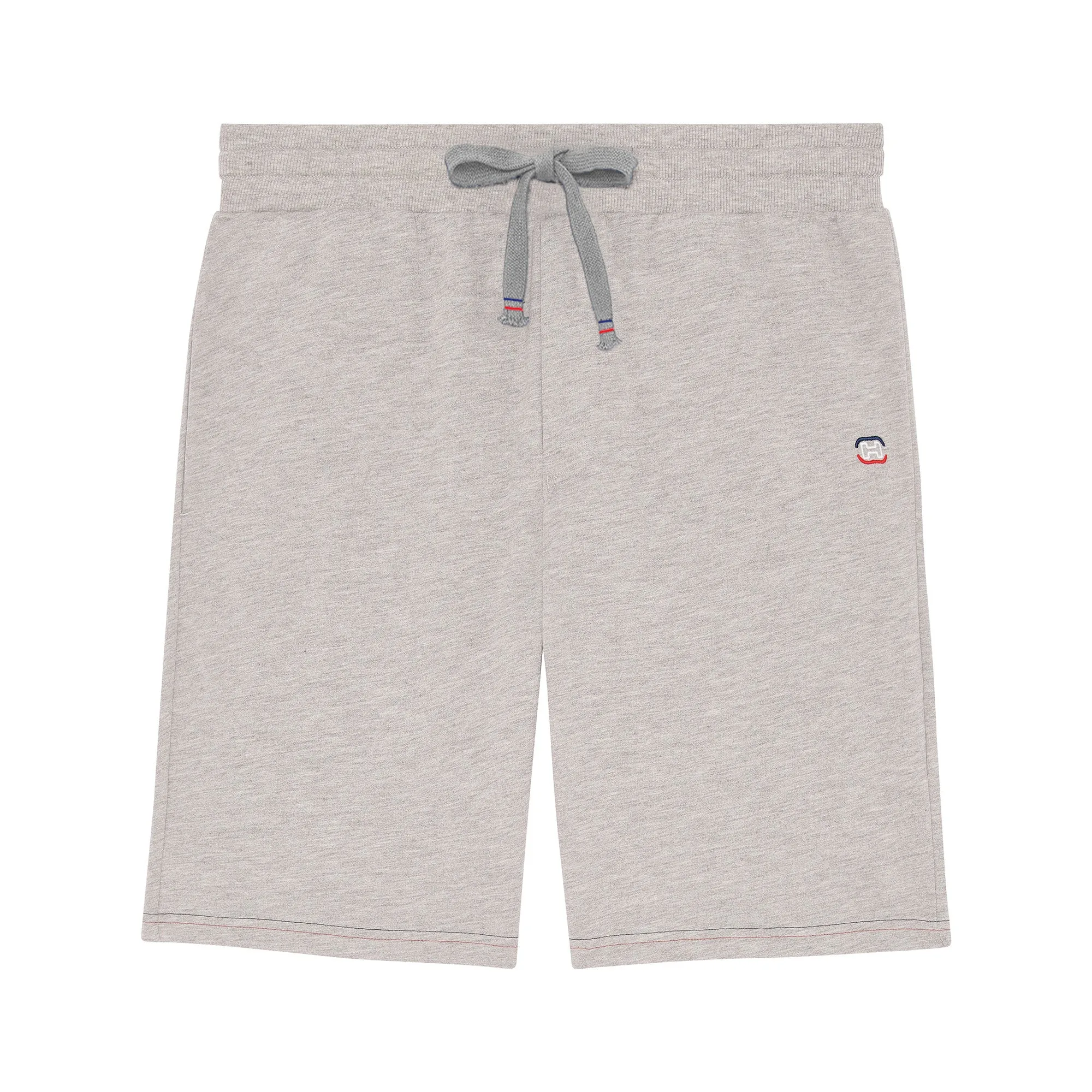
- Sport Lounge Sweat Shorts | Grey Melange 405751-00gm: Sport Lounge is a line for relaxation in comfortable, stylish fleece, with an embroidered H logo and contrast stitching. These shorts work for desk days and quick errands, so you get one piece that covers both without changing.
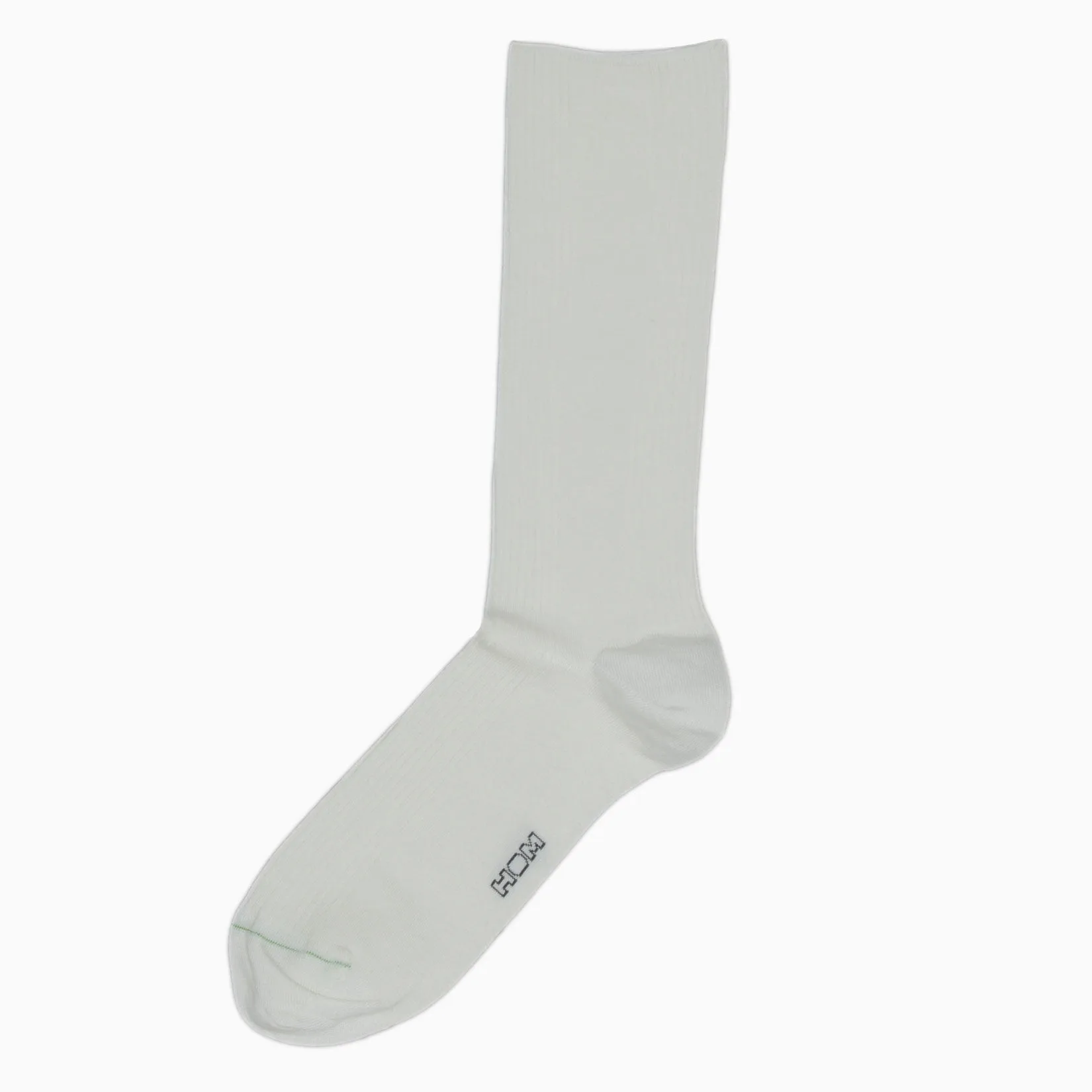
- Bio Bamboo One Size Socks | White - Light 408730-M015: These socks are made from stretch bamboo with a ribbed top and rear, a contrast HOM logo under the foot, and hand-overlocked tips. The ribbed top keeps the sock in place without squeezing, which matters when you are sitting for hours.
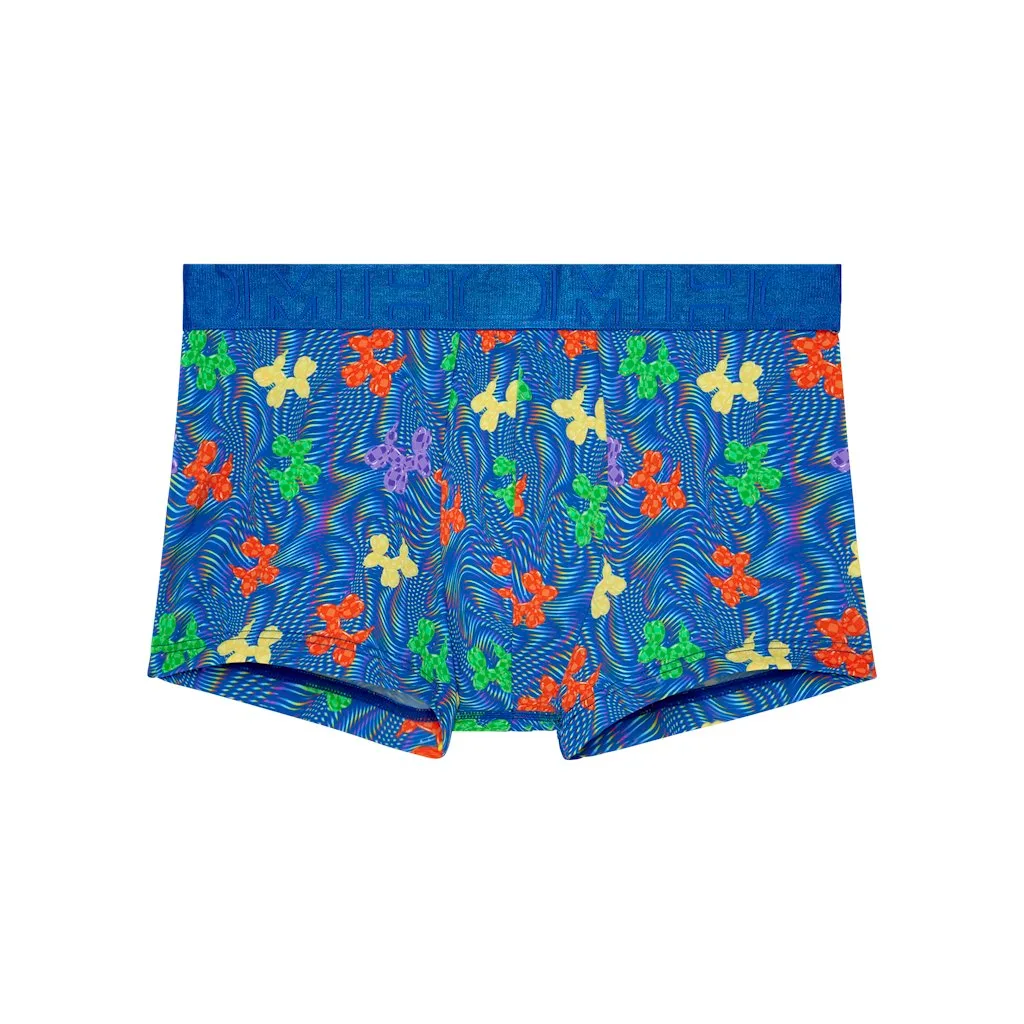
- Funky Styles Trunk | Blue Print 403248-P0BI: These trunks have a short, fitted cut, a low waistband that hugs the hips, and soft stretch microfiber that moves with you. A flat, low waistband stays discreet under loungewear and prevents the digging that makes long sitting uncomfortable.
A comfortable remote work wardrobe comes down to a few breathable, well-fitting pieces you actually rotate. Start with the steps above, test each item through a real workday, and adjust from there. You will spend less time thinking about clothes and more time getting work done.