Why Start with a Turkey and a Rooster?
A farm scene comes alive when you include the most vocal and visually striking birds of the barnyard. The Papo Coq gaulois (rooster) and Papo Dindon (turkey) each bring distinct colors, postures, and personality to your diorama. The rooster, with its bright red comb and iridescent plumage, stands alert and proud. The turkey, known for its fan-shaped tail and mood-driven color changes, adds a larger, more dramatic presence. Together they anchor a classic farm tableau.
Figurine Details at a Glance
-
Figurine Coq gaulois: The Papo Coq gaulois features finely sculpted feathers, vivid colors, and a proud stance. It is a symbol of French pride and vigilance. These details make the rooster a natural focal point in any farm scene, whether crowing from a fence post or strutting across the barnyard.
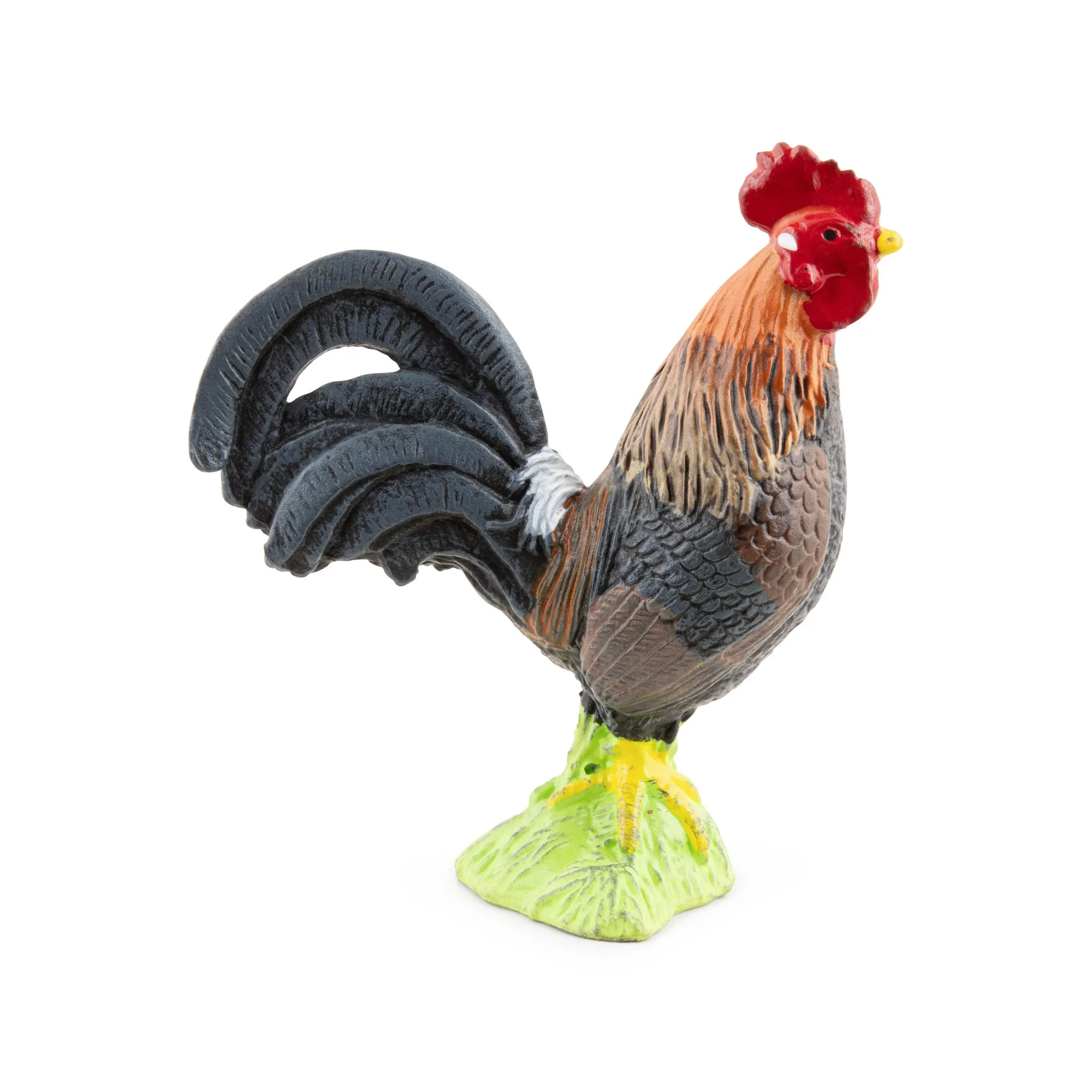
Figurine Coq gaulois
-
Figurine Dindon: The Papo Dindon figurine showcases colorful plumage, a majestic walk, and the ability to fan its tail feathers. Its head and neck can shift between blue and bright red depending on mood. This expressive turkey adds movement and visual interest. Placing it mid-stride or with its tail partially fanned creates a dynamic farm moment.
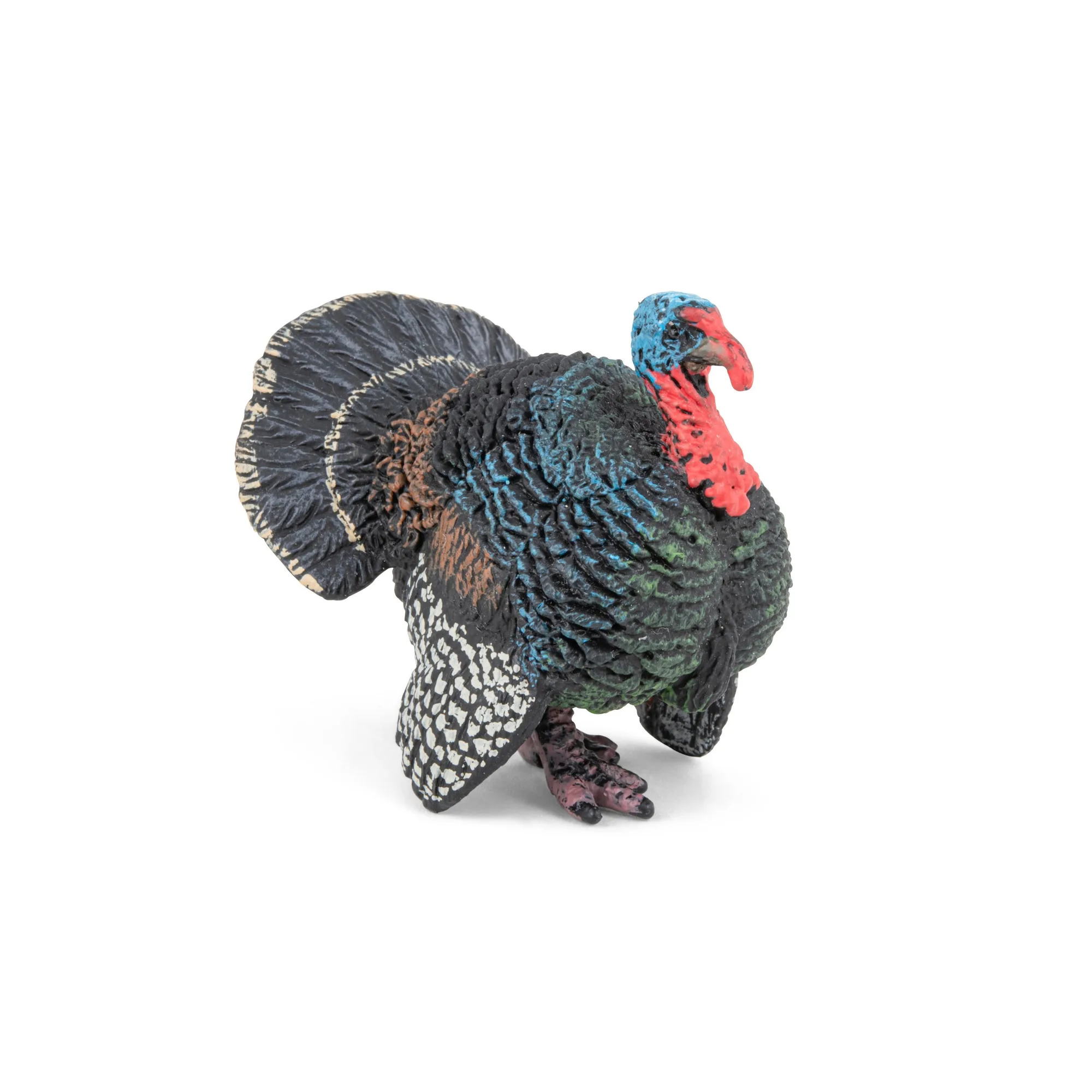
Figurine Dindon
Building Your Farm Scene Step by Step
Use these steps to arrange a realistic barnyard setting with your Papo turkey and rooster figurines.
- Choose a Base: Start with a flat surface like a wooden board, a shoebox lid, or a diorama base. A natural brown or green background works best for a farm setting.
- Add Ground Elements: Spread a thin layer of sand, soil, or craft moss to mimic a barnyard floor. Small twigs or dried grass can create texture. If available, add a miniature fence or small wooden crate for the rooster to perch on.
- Position the Rooster: Place the Coq gaulois on a raised spot—a fence post, a rock, or a small hay bale—to emphasize its role as the farm's early riser and lookout. Its upright posture makes it ideal for a high point.
- Position the Turkey: Set the Dindon on the ground a few inches away, facing the rooster or at a slight angle. This creates a natural interaction. If you tilt the turkey slightly forward, its tail feathers appear more prominent.
- Add Supporting Details: Consider adding a few more farm animals (like a hen, duck, or goat) or simple props such as a miniature water trough or a fence gate. These fill the scene without overcrowding the two main birds.
Play and Display Ideas
For play, children can invent morning routines where the rooster crows and the turkey responds by fanning its tail. The turkey's mood-based color changes (blue when calm, red when excited) offer a simple storytelling cue. For display, place the pair on a shelf or inside a glass cabinet. The rooster's bright comb and the turkey's iridescent feathers catch light from different angles, making them stand out even among other figurines.