Quick Answer
To create your own herbal tea blend, start with a base herb, add flavor accents, and include a functional ingredient like ginger or turmeric. Use a 2:1:1 ratio of base to accents to function, and always taste-test before brewing a full batch.
Creating your own herbal tea blend is a rewarding way to personalize your daily cup and address your wellness needs. With a few common ingredients from your pantry, you can mix tea herbs that taste great and support your goals, whether you want a soothing evening drink or a zesty morning pick-me-up.
This guide walks you through the simple process of building a custom tea recipe at home. You'll learn the roles of different herbs, how to balance flavors, and what to watch out for—so your homemade herbal tea turns out delicious every time.
Understanding the Basics of Herbal Tea Blending
Before you start mixing, it helps to know the three main roles in a tea blend: base, accent, and functional. The base is the bulk of your blend and provides the main flavor and body. Common bases include rooibos, chamomile, or even a simple green tea if you want caffeine. Accents add character—think peppermint leaves, cinnamon bark, or dried citrus peel. Functional ingredients are chosen for their potential benefits, like ginger for warmth or turmeric for its anti-inflammatory properties.
A good starting ratio is 2 parts base, 1 part accent, and 1 part functional herb. For example, a simple ginger cinnamon tea blend could use 2 parts rooibos, 1 part cinnamon chips, and 1 part dried ginger. This balance gives you a flavorful cup without any single ingredient overpowering the others. Remember, these are starting points—adjust to your taste after your first trial.
- Use a kitchen scale for consistent measurements, especially when scaling up your recipe.
- Write down your ratios so you can replicate or tweak the blend later.
Choosing Ingredients You Likely Already Have
You don't need a specialty store to start blending. Many common kitchen spices and dried herbs work beautifully in tea. Cinnamon sticks, ginger root (fresh or dried), turmeric powder, cardamom pods, cloves, and dried orange peel are all excellent choices. For leafy herbs, consider mint, lemon balm, or even sage from your garden. These ingredients are affordable and easy to find, making DIY tea blending accessible to everyone.
When selecting ingredients, opt for organic versions when possible, especially if you're brewing daily. Organic herbs are grown without synthetic pesticides, which matters because you're steeping them directly in hot water. If you're using fresh ginger or turmeric, slice them thinly and add them to your cup rather than mixing them into a dry blend—they'll infuse quickly and can be strained afterward.
- Start with 2-3 ingredients per blend to keep it simple and learn how each flavor contributes.
- If using fresh herbs, increase the quantity slightly since dried herbs are more concentrated.
How to Mix and Store Your Custom Tea Blend
Once you've chosen your ingredients, mix them thoroughly in a bowl. For dry blends, ensure all pieces are roughly the same size so they steep evenly. If you're using larger pieces like cinnamon bark, you might want to crush them slightly. After mixing, store your blend in an airtight glass jar away from light and moisture. Properly stored, most dried herbal blends stay fresh for up to six months.
When you're ready to brew, use about one tablespoon of your blend per 8-ounce cup. Pour boiling water over the herbs and steep for 5-7 minutes, depending on how strong you like it. Strain and enjoy. For a stronger functional effect, you can steep longer, but be aware that some herbs, like ginger, can become bitter if over-steeped.
- Label your jar with the date and ingredients so you know what's inside.
- Keep blends away from direct sunlight to preserve their color and potency.
Step-by-Step: Create Your Own Herbal Tea Blend
- Pick your base herb: Choose a mild-flavored herb that will carry the blend. Good options include rooibos, chamomile, or honeybush. Avoid strong bases like pure mint if you want other flavors to shine. Checkpoint: Your base should be something you enjoy on its own.
- Add an accent for flavor: Select one or two aromatic ingredients like cinnamon, dried orange peel, or cardamom. These provide the signature taste of your blend. Start with a small amount—you can always add more. Common mistake: Overpowering the blend with too much accent; stick to the 2:1:1 ratio.
- Include a functional ingredient: Think about your wellness goal. For digestion and warmth, add ginger or fennel. For anti-inflammatory support, turmeric is a classic. For relaxation, try lavender or lemon balm. Checkpoint: Ensure the functional herb complements the flavor, not clashes with it.
- Mix and taste-test: Combine your ingredients in a bowl, then brew a small sample. Steep for 5 minutes, taste, and adjust. If it's too weak, add more herbs; if too strong, add more base. Common mistake: Skipping the taste test—always test before making a large batch.
- Store and label your blend: Transfer your final blend to an airtight jar, label it with the date and ingredients, and store in a cool, dark place. Use within six months for best flavor. Checkpoint: Proper storage keeps your blend fresh and prevents clumping.
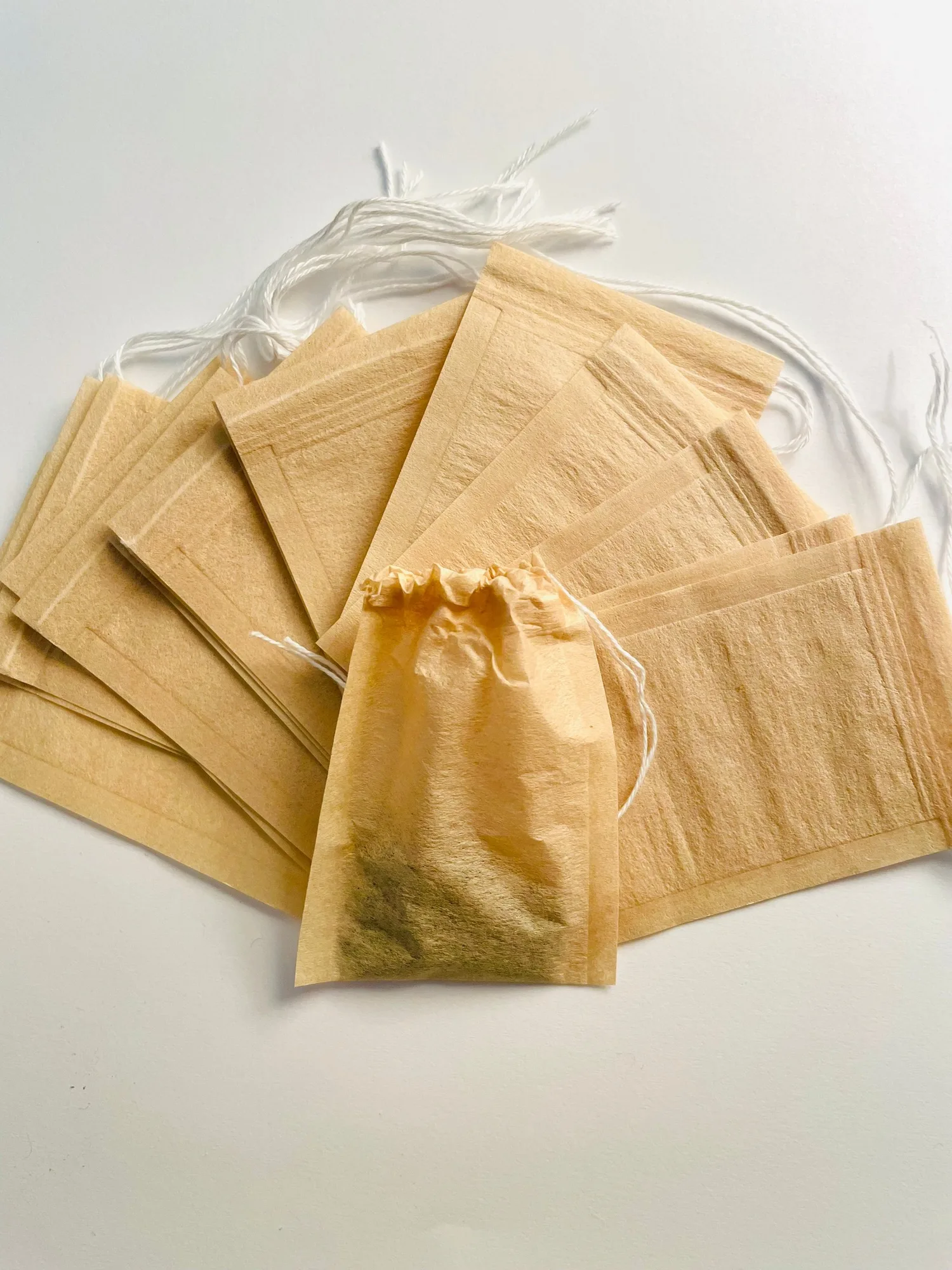
Convenient Alternatives: Enveloped Tea Bags
- Organic Turmeric Ginger & Cinnamon - 25 Enveloped Tea Bags: This blend combines organic turmeric, ginger, and cinnamon, rooted in Ayurvedic tradition to support the immune system and reduce inflammation. If you want the benefits of a ginger cinnamon tea blend without measuring and mixing, this pre-portioned option delivers consistent flavor and convenience.
- Organic Turmeric Ginger & Lemon - 25 Enveloped Tea Bags: A variation with organic turmeric, ginger, and lemon, also designed to support immunity and reduce inflammation. Adding lemon provides a citrusy twist and vitamin C, making it a refreshing choice for those who prefer a brighter flavor in their wellness tea.
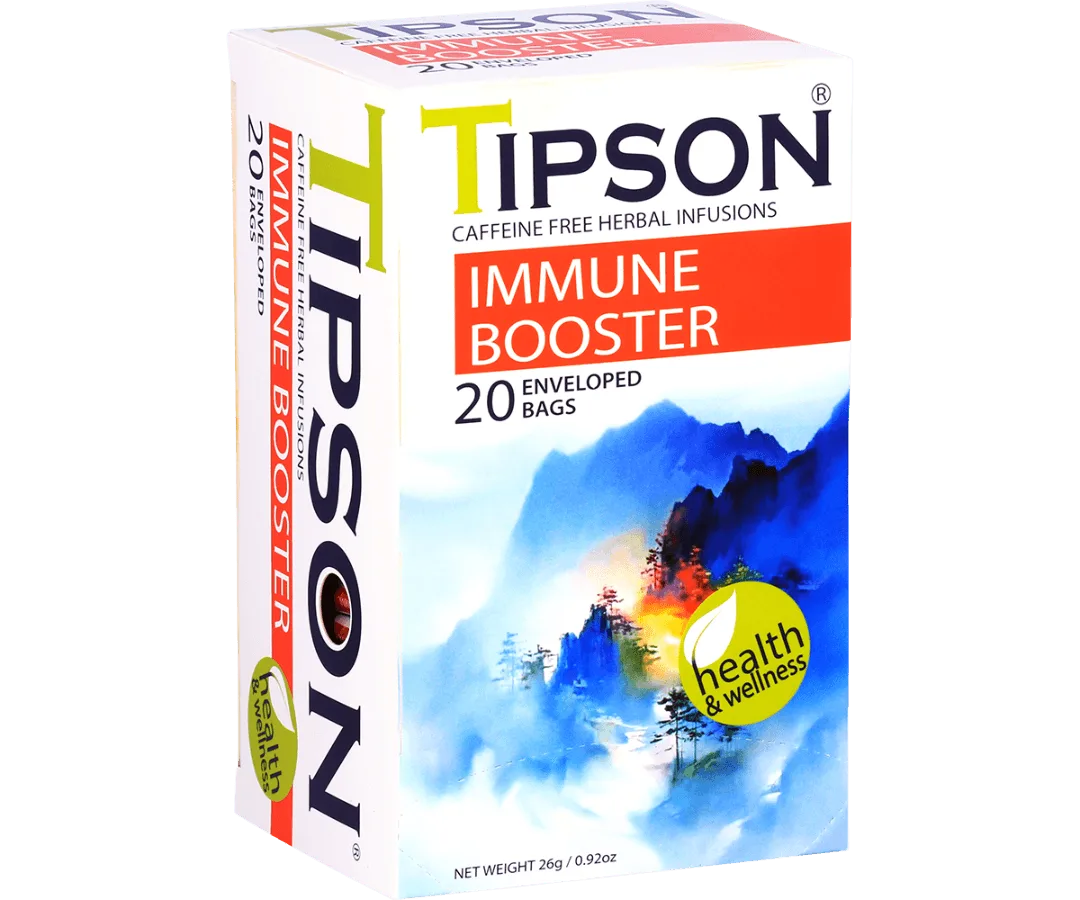
- Tipson Herbal Wellness - Immune Booster Tea - 20 Enveloped Tea Bags: Made from all-natural fruits, herbs, roots, seeds, and flowers, this caffeine-free, gluten-free tea contains no additives or preservatives. When you're short on time, this ready-made blend offers a convenient way to support your immune system without any DIY effort.
Creating your own herbal tea blend is simple, fun, and allows you to tailor every cup to your taste and wellness needs. Start with a few pantry staples, follow the steps above, and soon you'll have a custom tea recipe that's uniquely yours. For days when you prefer a ready-made option, Tipson's enveloped teas offer the same quality and convenience.