Quick Answer
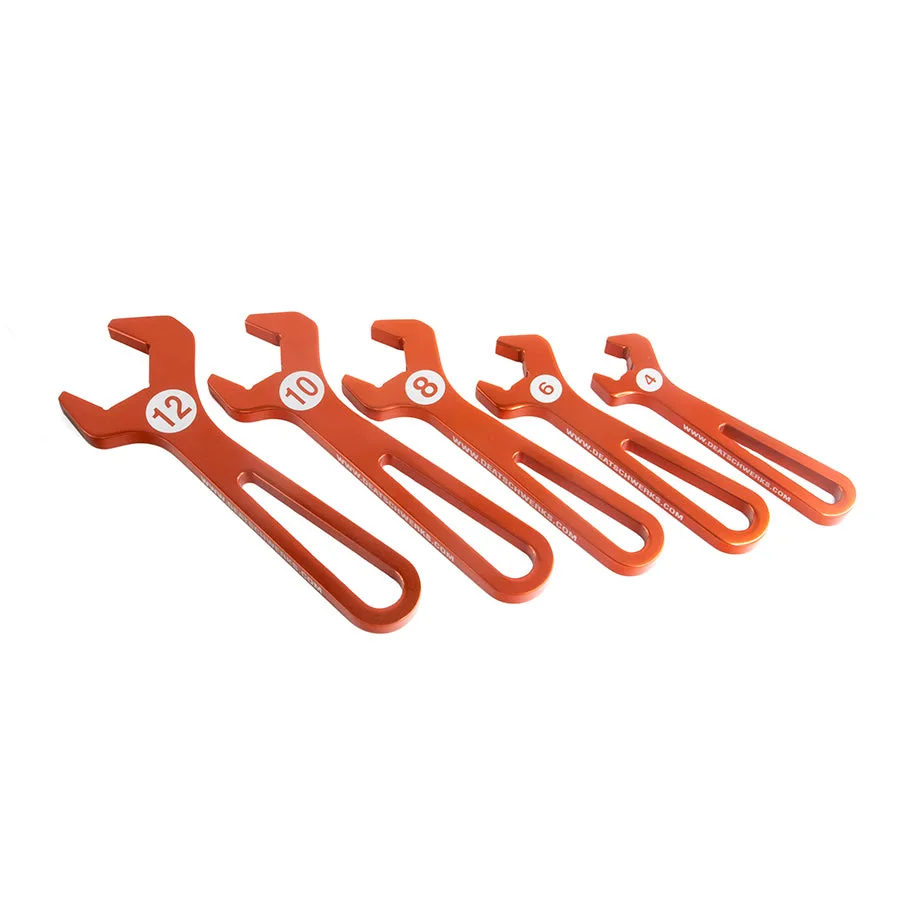
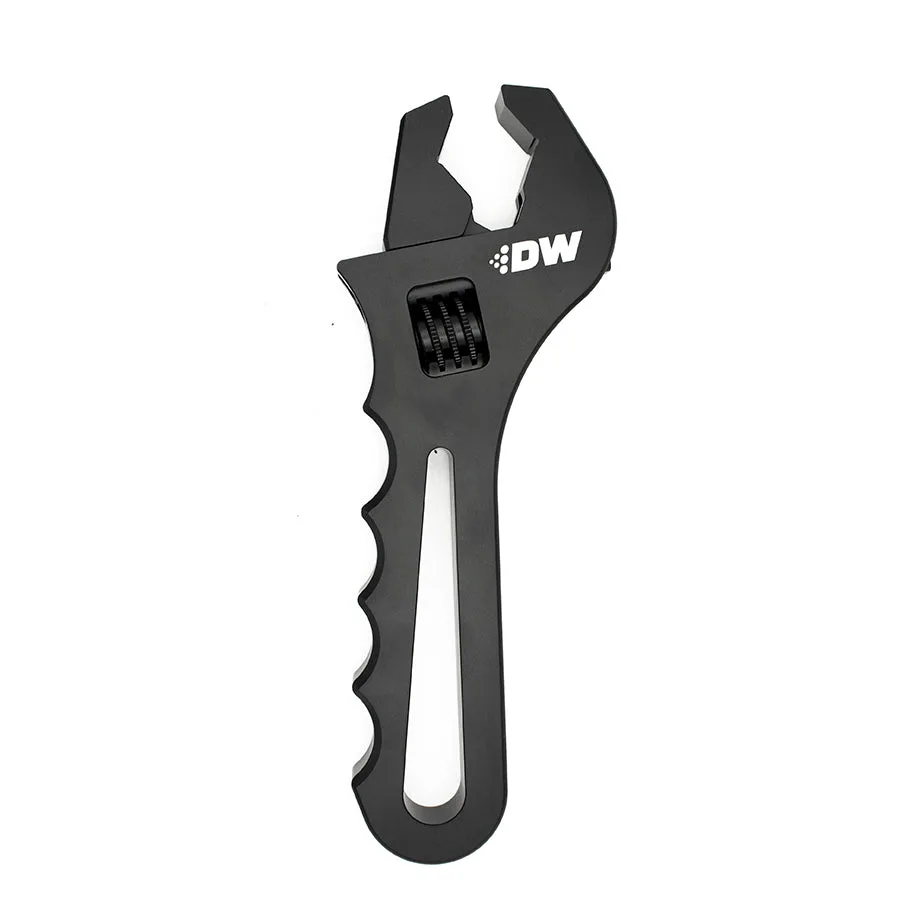
Connect a fuel pressure gauge to the test port, compare the reading to the factory specification at idle and under load, then trace the cause from the tank forward. Low fuel pressure usually points to a weak pump, clogged filter, or leaking regulator; high fuel pressure often means a stuck regulator or blocked return line. Stop and get professional help if you see fuel spraying, smell raw gas, or lack the https://deatschwerksevz.com/products/6-02-1006-7a13ff8544cc267e065c3400-2678010https://deatschwerksevz.com/products/6-02-1007-b0ccfd66fb95c83cd8aca3e4-2678153tools to safely test pressure.
Fuel pressure problems rarely announce themselves with a single symptom. A car might crank longer before starting, stumble under acceleration, or run rich enough to foul plugs. The only way to know whether pressure is actually low, high, or fine is to measure it.
This guide walks you through a logical diagnosis: confirm the symptom, test pressure correctly, then work from the tank to the rail to isolate the cause. You will also find clear stopping points so you do not create a bigger problem.
Start With the Right Symptoms
Before you touch a gauge, match what the car is doing to the pressure problem it suggests. Hard cold starts, a lean misfire under load, and a loss of power at wide-open throttle are classic low fuel pressure symptoms. A rich-running engine, black smoke, and fuel smell in the oil point toward high fuel pressure. Write down when the symptom happens, because intermittent problems often leave no code.
If the check engine light is on, pull the codes first. A P0087 (fuel rail pressure too low) or P0088 (too high) gives you a direction, but it does not tell you which part failed. Codes narrow the search; a gauge confirms it.
- Test drive with a scan tool recording fuel trims and rail pressure if available.
- Note whether the problem is worse when the tank is low, hot, or under load.
Test Fuel Pressure Safely and Correctly
You need a gauge that matches your fuel system: a mechanical gauge for most port-injection engines, or a high-pressure gauge for direct injection. Connect to the test port on the rail or use an adapter at the filter. Wrap a rag around the connection to catch the small spray when you attach it.
Key on, engine off, and watch the prime pressure. Then start the engine and read pressure at idle. Finally, raise RPM or road-test under load, because some weak pumps only fall short when demand is high. Compare every reading to the factory specification, not a generic number.
- Never open a fuel line near a hot engine or ignition source.
- If you cannot find a safe test port, do not improvise with tape or clamps.
Low Fuel Pressure: Likely Causes and Fixes
When pressure is below spec, work from the tank forward. A clogged fuel filter or a collapsed hose liner restricts flow. A failing pump cannot keep up. A leaking pressure regulator or a stuck-open injector can also drop pressure. Start by replacing the filter if it is due, then retest.
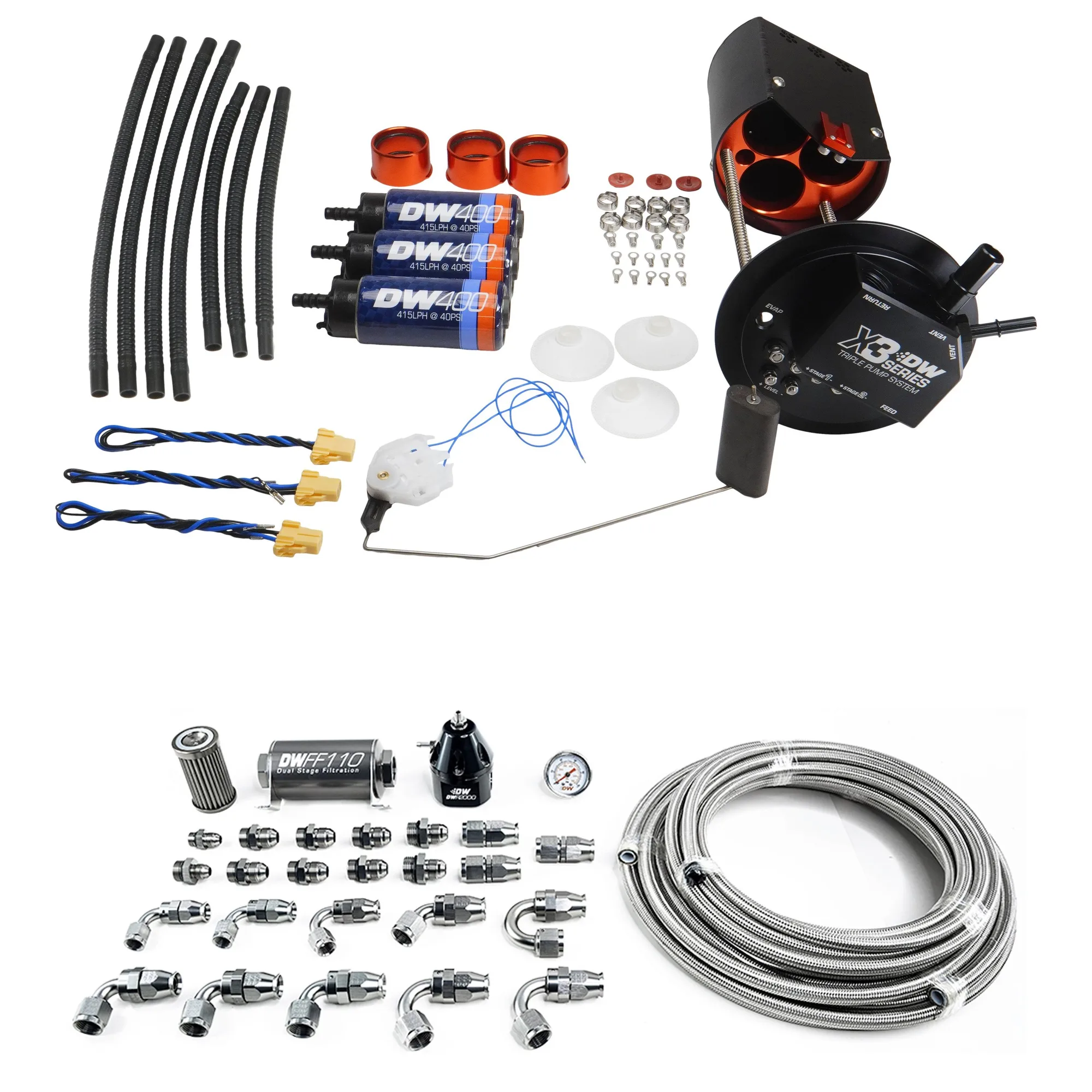
If the filter is clean and pressure is still low, check for a kinked or restricted line. On return-style systems, a bad regulator can bleed pressure. On returnless systems, the regulator is often in the tank. If you confirm the pump is weak, replace it with a unit rated for your power level. For example, the DeatschWerks https://deatschwerksevz.com/products/9-401-604-7016-79f28d6b83e125afdaa9f908-26806702005-2018 GM Truck X3 Module + DW400 Pumps + Plumbing Kit is a complete drop-in assembly for that platform, but it is not a universal fix.
- Do not replace the pump until you have ruled out a clogged filter and a leaking regulator.
- If pressure drops only under load, suspect the pump or its power supply.
High Fuel Pressure: Likely Causes and Fixes
High fuel pressure usually comes from a regulator that is stuck closed or a return line that is blocked or kinked. On a return-style system, check the return hose for a crush or a faulty check valve. On a returnless system, the pressure sensor or the in-tank regulator may be at fault. A restricted return line can also cause pressure to spike after the engine warms up.
Do not simply replace the regulator without checking the return path. If the line is blocked, a new regulator will not fix the problem. If pressure is high and the engine runs rich, fix it before driving far, because excess fuel can wash cylinder walls and dilute the oil.
- Inspect the return line for kinks, especially where it passes near the exhaust or suspension.
- If the regulator is adjustable, confirm it is set to the correct base pressure.
When to Stop and Choose Another Option
Stop diagnosis and seek professional help if you see fuel spraying, cannot safely access the test port, or lack a gauge rated for your system. Also stop if the problem is intermittent and you have already replaced the obvious parts without a confirmed pressure reading. Guessing gets expensive.
If you are upgrading the fuel system for more power, a simple pressure test may not be enough. You may need a surge tank or a return-style conversion. A product like the DeatschWerks 3.0L Surge Tank is a staged tank without pumps, so it is a building block for a custom system, not a standalone fix. Know when your diagnosis has moved from repair to redesign.
- If you smell raw fuel at any point, stop and ventilate the area.
- If you cannot find a factory pressure specification, do not guess; consult a service manual.
Diagnosis Cheat Sheet
- Low pressure at idle and under load: Check filter first, then pump volume and regulator. A weak pump or clogged filter is the usual cause. Replace filter and retest before condemning the pump.
- Pressure drops only under load: Suspect pump check valve, worn pump, or a restricted pickup sock. Also verify the pump gets full battery voltage. If voltage is good and pressure still drops, the pump is likely failing.
- High pressure at idle: Inspect return line for kinks or blockage, then test the regulator. On returnless systems, check the pressure sensor. Do not replace the regulator until the return path is clear.
- Pressure bleeds down after key off: A leaking injector, check valve, or regulator can cause hard starts. Watch the gauge for a slow drop. If it drops fast, isolate the leak before replacing parts.
Parts That Support a Proper Diagnosis
- 2005-2018 GM Truck X3 Module + DW400 Pumps + Plumbing Kit: 2005-2018 GM Truck X3 Module w/DW400s and PTFE 8AN Plumbing Kit A complete drop-in module for that platform, useful when a confirmed weak pump needs replacement, but it is not a universal fit.
- 3.0L Surge Tank: 3.0L Staged Surge Tank w/o Pumps A building block for a return-style or high-demand fuel system, not a direct fix for a simple pressure problem.
- -8AN, 5 micron, 160mm In-line fuel filter kit: In-line fuel filter element and housing kit, stainless steel 5 micron, -8AN, 160mm. Universal A universal inline filter option when a restricted filter is the confirmed cause of low pressure.
Diagnosing fuel pressure problems comes down to measuring before replacing. Confirm the symptom, test pressure against the factory spec, then work from the tank forward. When you hit a safety limit or the problem is intermittent, stop and get help. A clear diagnosis saves time, money, and fuel.