Quick answer
Always use a frame with UV-protective glass, acid-free matting, and spacers to keep the print from touching the glass. This prevents fading, yellowing, and moisture damage.
Why tokidoki art prints need special care
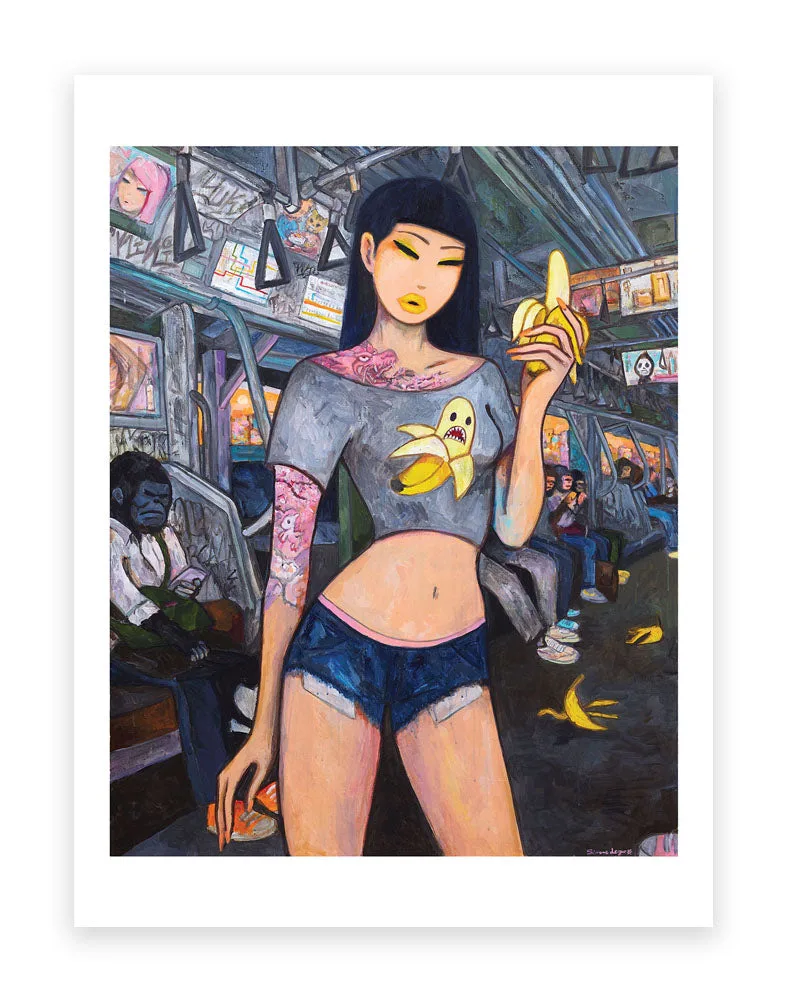
Tokidoki art prints like Banana Girl are printed on premium Linen paper, which is more textured and absorbent than standard poster paper. This means they can curl, stain, or fade faster if handled or displayed incorrectly. Standard poster frames often press the print directly against the glass, causing ink transfer or condensation damage over time.
The key trade-off: museum-quality framing costs more upfront but preserves the print for years, while cheap frames risk irreversible damage. If you plan to rotate prints, consider a frame with a removable back and a built-in spacer.
What to avoid when framing your art
Avoid dry-mounting or gluing the print to a backing board—this makes removal impossible and may damage the paper surface. Also skip frames with standard glass that offers no UV protection; even indirect sunlight can bleach the vibrant colors of tokidoki art within months.
If you live in a humid climate, avoid frames without a sealed back or moisture barrier. Humid air can cause the paper to warp or develop mold spots, especially on linen-textured paper.
Step-by-step framing guide for tokidoki art prints
- 1. Choose a frame with UV-protective glass or acrylic: Look for frames labeled 'conservation-grade' or 'museum glass' that block at least 97% of UV rays. Avoid standard clear glass. Acrylic (plexi) is lighter and shatter-resistant but can scratch—use it only if the print will not be moved often. Check the frame sticker for UV-protection rating; generic frames rarely offer it.
- 2. Use acid-free matting or spacers: Place an acid-free mat between the print and the glass, or attach spacers inside the frame to create a small air gap. This prevents the ink from sticking to the glass and allows air circulation. Standard poster frames that sandwich the print against glass will eventually cause transfer damage. If a mat is too expensive, use frame spacer clips (available at most craft stores).
- 3. Prevent the print from sliding or curling: Attach the print to the backing board using acid-free photo corners or linen tape—never regular tape, glue, or adhesive spray. For the 18" x 24" Banana Girl print, use four corners on each side to keep it flat. Linen paper can curl if not secured evenly. Test the fit before closing the frame; once sealed, repositioning is tricky.
- 4. Keep the frame away from direct sun and humidity: Hang the artwork on an interior wall that does not receive direct sunlight or sit above a radiator, heater, or air vent. Bathrooms and kitchens are risky because of steam and temperature swings. A room with stable humidity (40–50%) is ideal. A dehumidifier or silica gel pack inside the frame case helps in damp climates.
- 5. Dust and clean the glass regularly without touching the print: Use a dry microfiber cloth on the outside of the glass only. Never spray cleaner directly on the frame—liquid can seep behind the glass. If you need to clean inside, remove the print first and store it in a clean, flat envelope while you work. Set a reminder every 3 months to check for dust or signs of moisture behind the glass.
Recommended product for framing
-
Banana Girl Art Print: Measures 18" x 24" overall with a 16" x 22" print area on premium Linen paper. The 2-inch border gives you room to use a mat or spacers without covering the artwork, and the textured linen surface requires a spacer to prevent ink contact with glass.
Banana Girl Art Print