Quick answer
Frame your poster using acid-free materials and UV-protective glass, and always hang it away from direct sunlight and humidity to prevent fading and warping.
Why framing matters more than you think
A poster is more than a piece of paper—it's an investment in art. Without proper framing, posters are vulnerable to dust, moisture, and physical wear. A quality frame not only protects but also enhances the visual impact, turning a rolled print into a wall-worthy piece.
The two biggest enemies of poster longevity are light and acidity. Sunlight fades inks over time, while acidic materials in cheap frames or backing boards can cause yellowing and brittleness. Choosing the right frame and mounting method is essential for long-term preservation.
Trade-offs: framing vs. mounting vs. hanging
Framing offers the best protection but can be costly, especially for large or custom sizes. Poster mounting (dry mounting or adhesive mounting) is cheaper and gives a flat, sleek look, but it is permanent—once mounted, you cannot remove the poster without damage. Hanging with clips or magnetic bars is inexpensive and reversible, but leaves the poster exposed to dust and handling. For valuable or limited-edition prints, framing is the safest route.
How to display your poster safely: step by step
- Choose an acid-free mat and backing board: Use museum-quality, acid-free mat board and backing to prevent chemical transfer that yellows and weakens the paper. Avoid cardboard or newsprint. Check that the mat is labeled 'acid-free' or 'archival'.
- Select UV-protective glass or acrylic: Standard glass blocks some UV rays, but UV-protective glazing (glass or acrylic) significantly reduces fading from sunlight and indoor lighting. Acrylic is lighter and shatter-resistant but scratches more easily. If the poster will be in a sunny room, splurge on UV-protective acrylic.
- Use hinging or corner mounts instead of adhesive: Never glue or tape the poster directly to the backing. Use archival-quality photo corners or Japanese paper hinges with wheat starch paste. These methods hold the poster in place without permanent damage. Adhesive strips and spray mount are irreversible—avoid them for valuable posters.
- Leave a small gap between the poster and the glass: Use a mat or spacers to create an air gap. This prevents condensation from sticking the poster to the glass and causing ink transfer or mold. If you skip the mat, ask your framer for glass spacers.
- Hang in a stable, low-light location: Avoid walls that receive direct sunlight, are near heat vents, or have high humidity (bathrooms, kitchens). Use two picture hooks for larger frames to distribute weight and keep the frame level. Rotate displayed posters every few months to even out light exposure.
Posters worth framing with care
-
Ann Estelle Stories: Measures 34 inches by 15 inches, a unique horizontal format. The unusual size may require a custom frame or matting to avoid trimming the edges, so plan your framing budget accordingly.

Ann Estelle Stories
-
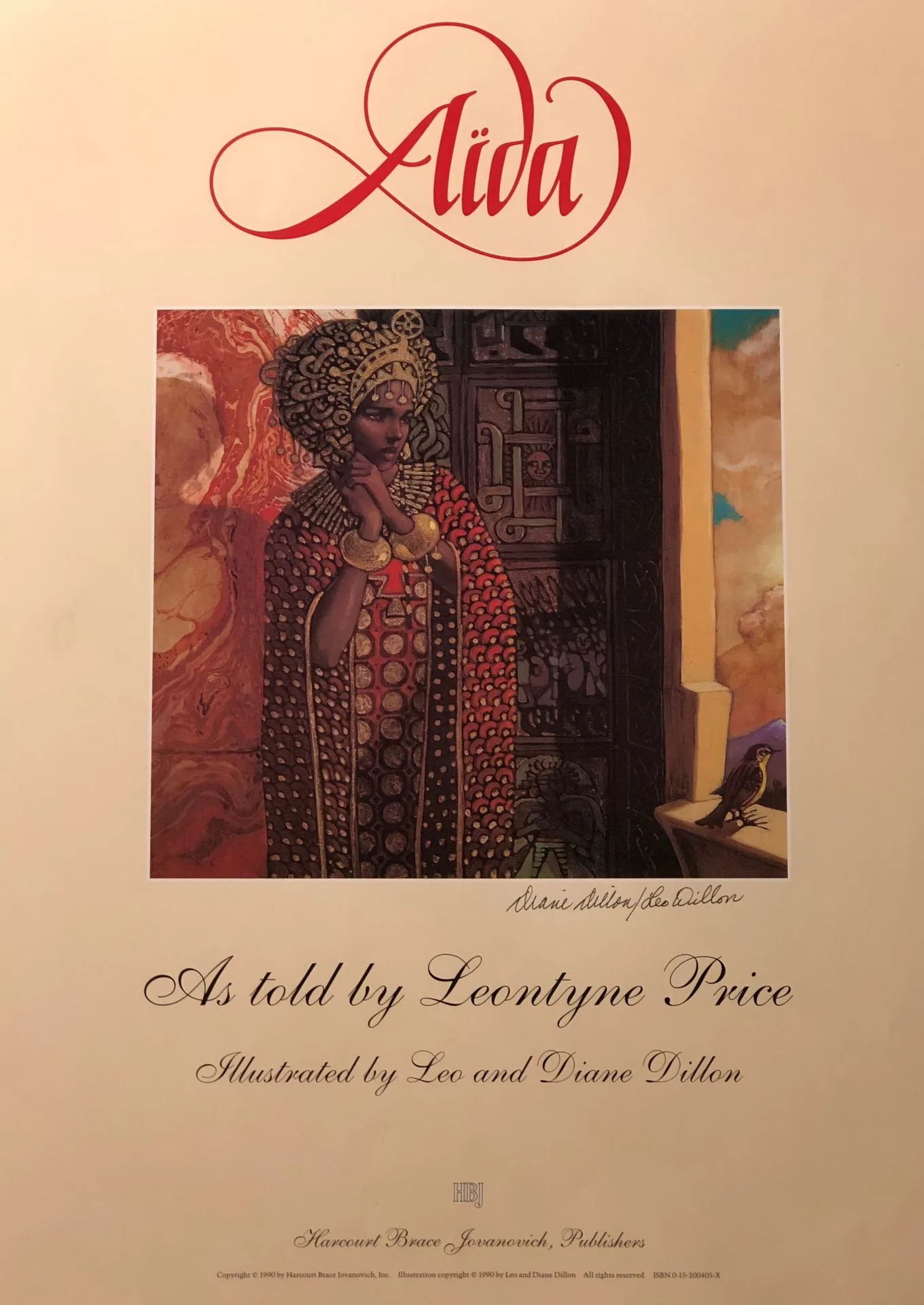
Aida: Created in 1990 to promote the book Aida, as retold by Leontyne Price and illustrated by Leo and Diane Dillon. As a vintage promotional piece, this poster benefits from UV-protective glass to preserve the rich, detailed illustration from fading.
Aida
-
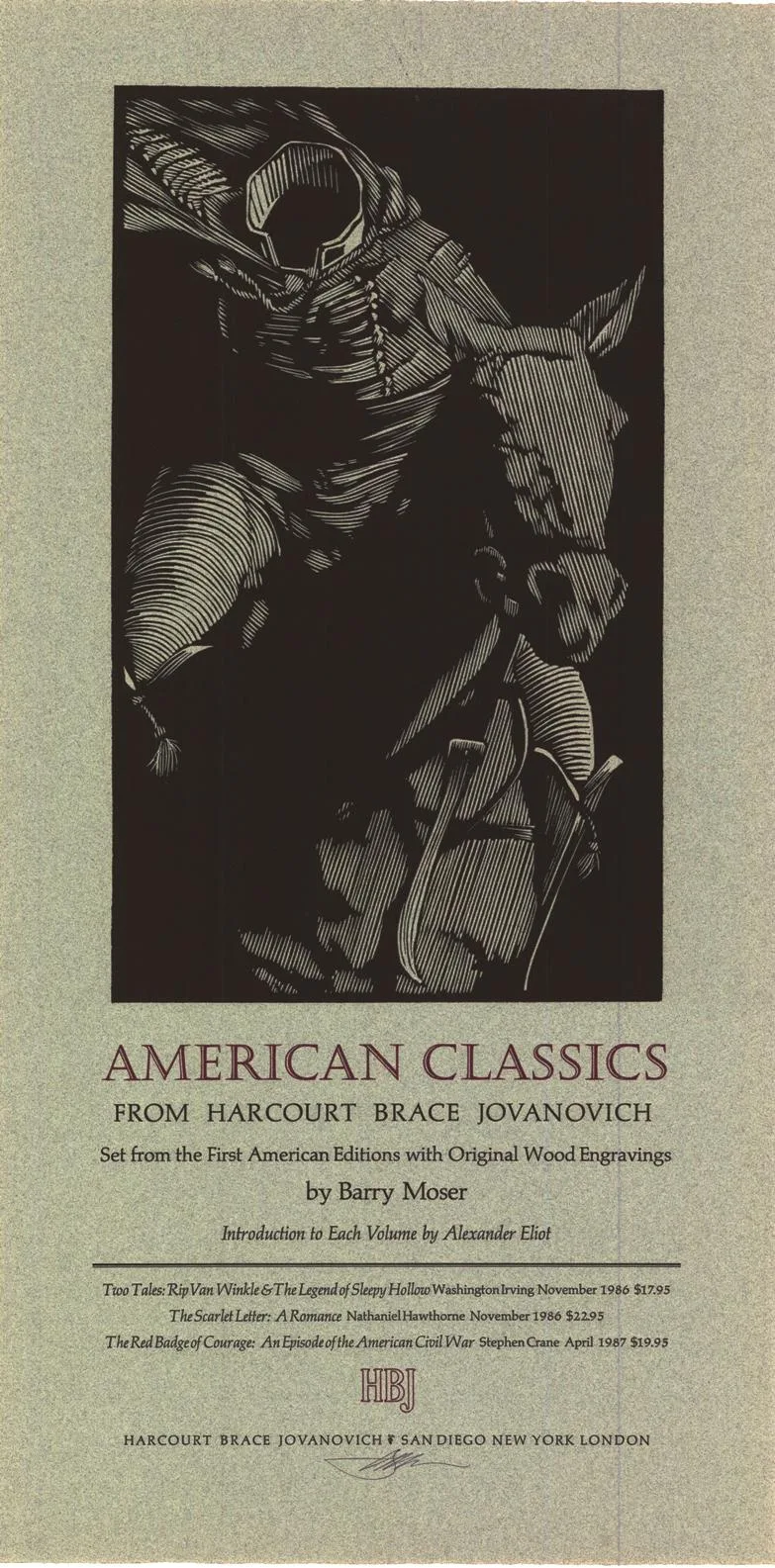
American Classics: Printed on linen and measuring 26.25" x 13". Linen posters are more durable than paper but still require acid-free backing and a sturdy frame to prevent sagging over time.