Quick Answer
Use locking pin backs, a fabric-covered display board, and avoid direct sunlight to keep your enamel pins safe and scratch-free.
Why Display Method Matters
Enamel pins are small but delicate. The wrong backing or board can scratch the enamel, bend the pin, or cause it to fall off and get lost. A little care goes a long way in preserving both the pin and its display.
Soft vs. Hard Display Surfaces
A fabric-covered corkboard or felt board gives pins a gentle grip without scratching the back. Avoid bare wood or metal boards unless you add a protective layer. Hard surfaces can chip the enamel when you push the pin in.
Step-by-Step Guide to Safe Pin Display
- 1. Choose the Right Backing: Replace standard rubber clutches with locking pin backs (e.g., butterfly clasps or silicone locking backs). They grip tighter and prevent the pin from falling off. Checkpoint: If the pin wobbles or feels loose, switch to a locking back immediately.
- 2. Pick a Soft Display Surface: Use a fabric-covered corkboard, felt board, or a dedicated pin display case with a foam insert. Avoid hard surfaces like glass or bare metal. Checkpoint: Test the surface by pressing a pin in gently—if it resists or scrapes, add a fabric layer.
- 3. Arrange with Spacing: Leave at least half an inch between pins to prevent them from scratching each other when you remove or adjust one. Group by theme or size for a cleaner look. Checkpoint: If pins touch, rearrange them to avoid enamel-on-enamel contact.
- 4. Avoid Direct Sunlight and Humidity: Display away from windows and damp areas. UV rays can fade enamel colors over time, and moisture can rust the pin post. Checkpoint: Rotate pins every few months if they are in a bright room.
- 5. Store Extras Safely: Keep spare pins in a soft pouch or a compartmentalized box. Do not stack them loose in a drawer—wrap each pin in a small cloth or use a pin binder page. Checkpoint: Check stored pins every six months for tarnish or dust buildup.
Products That Display Well
-
Dungeons & Dragons Master Augmented Reality Enamel Pin: This Dungeons & Dragons pin uses augmented reality when scanned, so it needs to be visible and not covered. Place it on a board where the front is fully exposed, and avoid stacking other items on top.
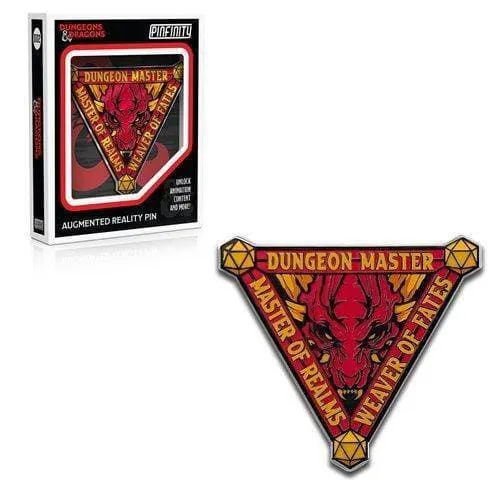
Dungeons & Dragons Master Augmented Reality Enamel Pin
-
FiGPiN Enamel Pin - The Simpsons - Select Figure(s): FiGPiN's The Simpsons enamel pins are sold individually and come with standard pin backs. Swapping to locking backs is recommended for these pins to prevent loss during display.
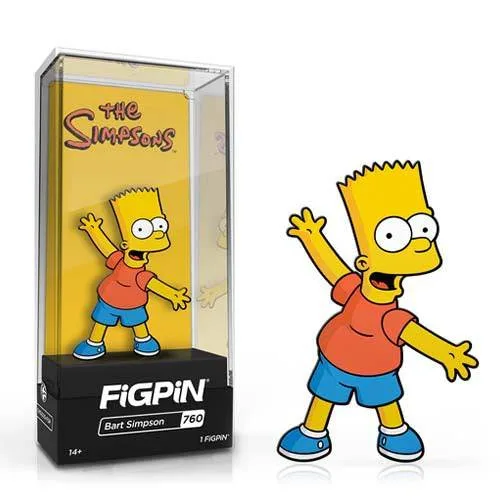
FiGPiN Enamel Pin - The Simpsons - Select Figure(s)
-
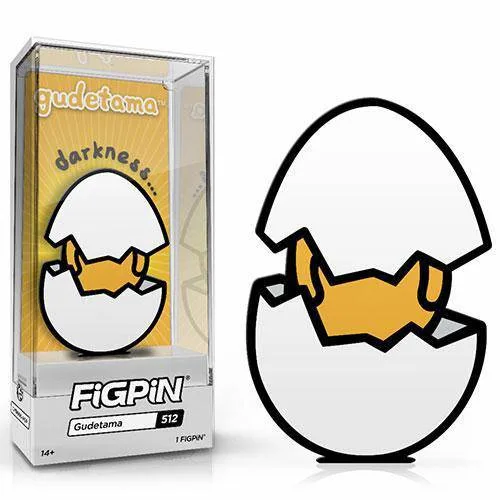
FiGPiN Enamel Pin - Gudetama Limited Edition - Select Figure(s): The Gudetama limited edition pins are numbered and have a soft enamel finish. Soft enamel is more prone to scratches, so a fabric board and careful handling are extra important.