Quick answer
The best way to display your Indianapolis Indians lapel pins is to use a shadow box or corkboard that lets you see every pin at once while keeping them protected from dust and damage.
Why display method matters
Lapel pins are small but meaningful pieces of team pride. A good display does more than look nice—it protects the enamel from scratches and keeps the pin backs secure. Pins like the Rowdie mascot pin and the Primary Roundel Logo pin have smooth cloisonné surfaces that can show fingerprints and light scratches if handled often.
Think about where you want the display to live. A corkboard is flexible and easy to update, while a shadow box gives a more finished, framed look. If you rotate pins by season or game, a fabric-covered board lets you rearrange without much effort. If you want a permanent tribute to Victory Field memories, a glass-front case keeps dust off and makes the pins pop.
Trade-offs: shadow box vs. corkboard
Shadow boxes are great for a polished display, but they take up wall space and can be pricey. They also make it harder to swap pins frequently. Corkboards are cheaper and more flexible, but they leave pins exposed to dust and can let pins fall if the backing isn't tight.
If you have a small collection (under 20 pins), a shadow box with individual slots keeps everything neat. For larger collections, a corkboard or fabric board gives you room to grow and rearrange. You can also use a combination: keep your favorite pins in a small frame and store the rest in a pin binder or tray.
Steps to display your lapel pins
- Sort and organize your pins: Group pins by theme: mascot pins (like Rowdie), logo pins (like the roundel), game-date pins, or giveaway pins. This helps you plan a layout that tells a story. Decide on a grouping before you start pinning or framing—it saves time and avoids a cluttered look.
- Choose a backing and frame: For a shadow box, pick a backing color that contrasts with the pin colors—dark felt works well for bright pins. For a corkboard, use a fabric cover that matches your room. Make sure the backing is stiff enough to hold pin backs securely. Test the backing by pressing a pin in—if it wobbles, add a layer of felt or use a thicker board.
- Arrange pins before securing: Lay the pins on the backing without pushing them in. Try a balanced layout: center the largest or most detailed pin (like the Rowdie mascot) and place smaller pins around it. Step back to check spacing and alignment. Use a ruler or measuring tape to keep rows straight—eyeballing often leads to tilted pins.
- Secure the pins carefully: Push each pin straight into the backing. If the pin has a rubber clutch back, make sure it locks firmly. For a shadow box, place the backing into the frame and close it gently to avoid bending pins. Check each pin back after a few days—some backings loosen as the board settles.
- Hang and protect the display: Hang the display at eye level in a spot away from direct sunlight, which can fade enamel colors over time. If using a corkboard, consider a glass cover or a clear acrylic sheet to reduce dust buildup. Dust the display monthly with a soft, dry cloth to keep the pins shiny without scratching them.
Pins worth featuring
-
Indianapolis Indians WinCraft Full Body Rowdie Mascot Lapel Pin: This cloisonné pin features the full-body Rowdie mascot and is officially licensed, with a smooth surface finish. The smooth enamel surface makes it a visual centerpiece, so place it at eye level in your display to draw attention.
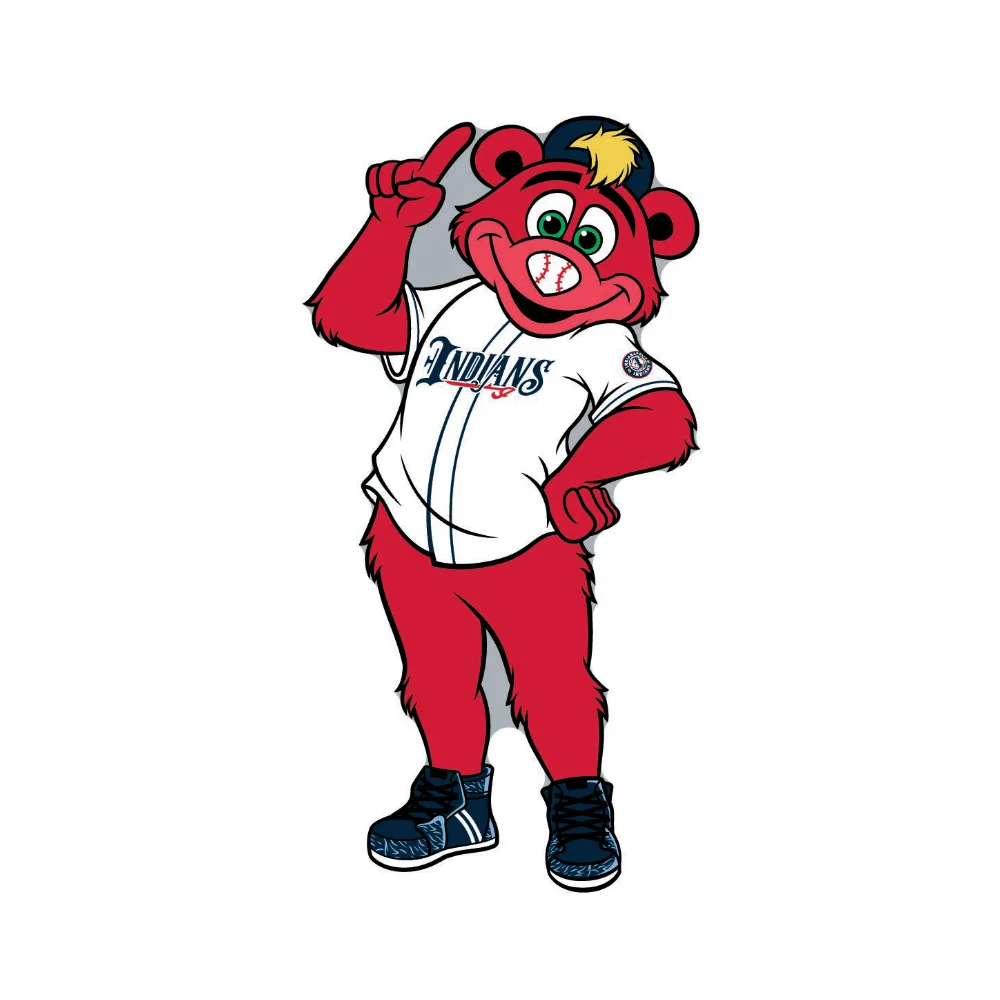
Indianapolis Indians WinCraft Full Body Rowdie Mascot Lapel Pin
-
Indianapolis Indians Primary Roundel Logo Lapel Pin: This officially licensed pin showcases the Primary Roundel Logo in a cloisonné design with a smooth finish. Its clean, circular design pairs well with other pins and works nicely as a repeating motif in a grid layout.
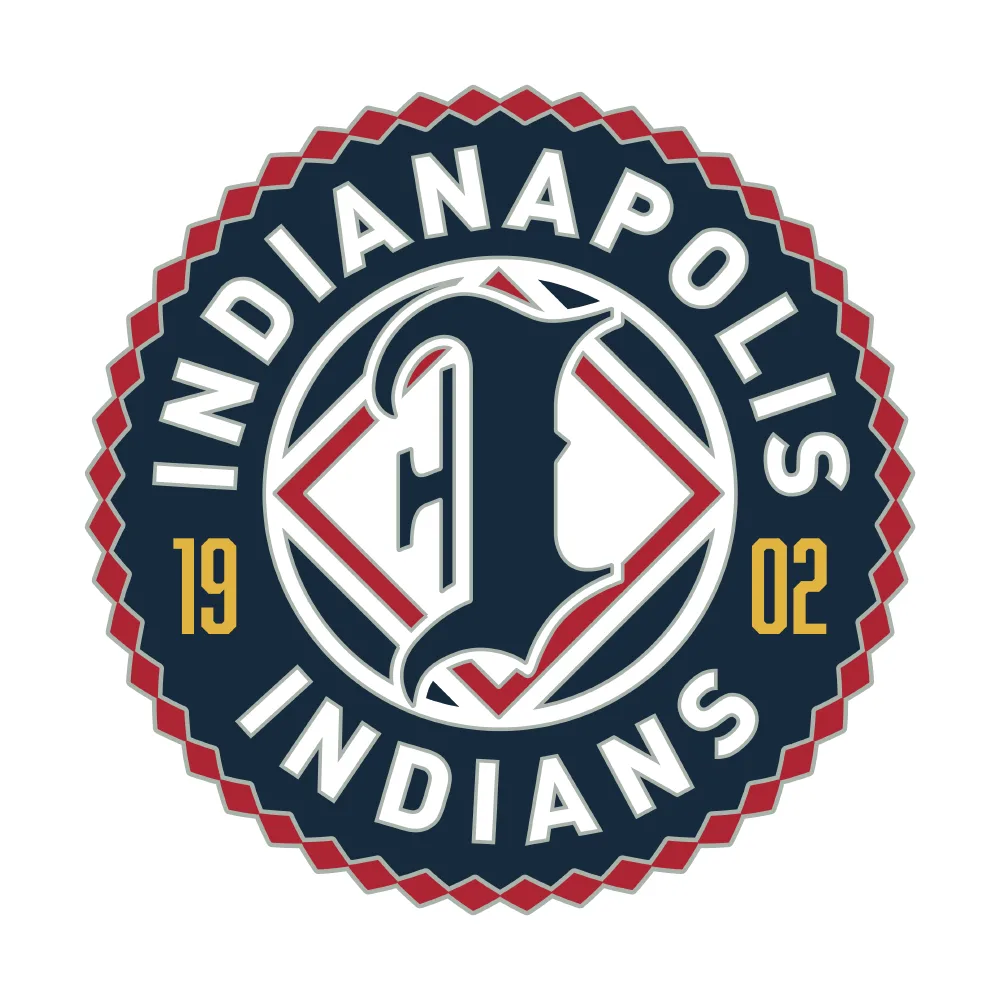
Indianapolis Indians Primary Roundel Logo Lapel Pin