Quick answer
Dress for a cold weather commute in three layers: a sweat-wicking base, a warm midlayer, and a wind- or weather-resistant shell you can open or remove. Add gloves, a hat, and a neck gaiter, and carry a packable bag for the layers you shed. The goal is to stay warm while waiting but not overheat once you start moving.
A cold weather commute is not the same as a day outdoors. You move, stop, wait, and move again, often with limited space to adjust. That stop-start rhythm is why so many commuters end up either shivering on the platform or sweating through their shirt by the time they arrive.
The fix is a layering system you can tune in seconds, not a single heavy coat. This guide walks through the steps to build winter commute clothing that works whether you walk, cycle, or take transit, with checkpoints to catch the mistakes that make a commute uncomfortable.
Start with a base layer that manages sweat
Your base layer sits against your skin, so it decides whether you feel dry or clammy. Choose a thin, synthetic or wool blend that moves moisture away from your body. Cotton holds sweat and stays wet, which is the fastest way to feel cold once you stop moving. For a cold weather commute, a light base layer is usually enough because your midlayer and shell do the insulation work.
If you run hot or cycle, a half-zip base layer lets you vent at the neck without removing a pack. If you stand still waiting for a train, a slightly warmer base layer can help, but keep it thin enough to layer. The mistake to avoid is wearing a heavy base layer plus a heavy midlayer; you will overheat the moment you start moving.
- Checkpoint: after five minutes of walking, you should feel neutral, not sweaty.
- Avoid cotton next to your skin on cold, damp days.
Add a midlayer you can remove without stopping
The midlayer traps warmth, so it should be easy to take off or open when you heat up. A fleece, a light synthetic sweater, or a thin insulated jacket all work. The key is that it fits under your shell without compressing the insulation, and that you can stash it in a bag or tie it around your waist. For a winter bike commute, a midlayer with a bit of stretch moves better with your body.
Think of the midlayer as your adjustable thermostat. On a very cold morning you might wear it from door to door. On a milder afternoon, you might start with it in your bag and only put it on if you are waiting outside. The common mistake is choosing a midlayer that is too bulky to remove comfortably, so you keep it on and overheat.
- Checkpoint: you should be able to remove your midlayer in under 30 seconds without taking off your bag.
- If your midlayer is too warm to wear while walking, it is a midlayer for standing, not for moving.
Choose a shell that blocks wind and light rain
Wind is the biggest heat thief on a commute, especially on a bike or at a exposed station. A shell that cuts wind makes a thin layer feel much warmer. It does not need to be a full winter coat; a packable wind jacket or a lightweight shell is often enough. Look for pit zips or a front zip you can open to dump heat when you start moving.
If you commute by bike, a shell that is quiet and follows your movement is more comfortable than a stiff, crinkly one. If you walk and take transit, a shell with a hood and a slightly longer hem helps with wind and drizzle. The mistake is wearing a fully waterproof, unventilated shell on a dry but cold day, which traps sweat and leaves you wet from the inside.
- Checkpoint: if you feel a cold breeze through your midlayer, your shell is not blocking wind well enough.
- Pack the shell if the day is mild but windy; you can put it on when you reach an exposed platform.
Handle hands, head, and neck before you leave
Extremities cool first, and they are the easiest place to adjust. A hat or headband, a neck gaiter, and gloves make a bigger difference than an extra torso layer for many people. A neck gaiter is especially useful because you can pull it up over your chin on a bike or pull it down when you get warm. Gloves should let you use your phone or bike controls without exposing your fingers.
For very cold or wet commutes, mittens are warmer than gloves because fingers share heat. If you need dexterity, choose a lighter glove and keep a warmer pair in your bag. The mistake is waiting until your hands are numb to put gloves on; start with them on and remove them if you overheat.
- Checkpoint: can you unlock your bike or answer a text without taking your gloves off?
- Keep a spare hat or headband in your bag for unexpected waits.
Plan for the temperature swing between morning and evening
Your morning commute is often the coldest part of the day, while your evening commute can be 10 degrees warmer or wetter. Dressing for the morning only is a common mistake. Check the evening forecast and pack accordingly. If rain is likely, a light shell and a dry bag for electronics matter more than an extra warm layer.
A small packable bag or a backpack with compression straps lets you carry the layers you shed. If you bike, a frame bag or a small hip pack keeps your hands free. The goal is to have a place for your midlayer and shell so you can adjust without carrying them in your hands.
- Checkpoint: your bag should have room for one midlayer and one shell without being overstuffed.
- If you commute both ways in the dark, add reflective details or a light.
Your cold-weather commute checklist
- Check the forecast and your route: Look at temperature, wind, and rain for both your morning and evening commute. Wind can make 5°C feel below freezing, and rain changes your shell choice. If wind is above 20 km/h, prioritize a wind-blocking shell over an extra midlayer.
- Put on a thin, sweat-wicking base layer: Choose a synthetic or wool blend that fits close to the skin. Avoid cotton, which stays wet and cools you down when you stop. Checkpoint: you should not feel bulky under your midlayer.
- Add a midlayer you can remove quickly: A fleece, light sweater, or thin insulated jacket works. Make sure it fits under your shell without compressing the insulation. Checkpoint: you can take it off without removing your backpack.
- Top with a wind- or weather-resistant shell: A packable wind jacket or lightweight shell blocks wind and light rain. Look for vents or a full zip so you can cool down when you start moving. Checkpoint: if you feel wind through your layers, your shell is not doing its job.
- Cover hands, head, and neck: Add gloves or mittens, a hat or headband, and a neck gaiter. Mittens are warmer for very cold days; gloves are better for dexterity. Checkpoint: you can use your phone or bike lock without exposing your fingers.
- Pack for the return trip: Carry a small packable bag or use your backpack for layers you shed. Include a dry bag for electronics if rain is likely. Checkpoint: your bag has room for one midlayer and one shell.
Commuter-friendly pieces from the Houdini range
- W's Pace Wind Jacket: Pace-serien är en kollektion av kläder som designats för högpulsaktiviteter. Under utvecklingsprocessen fokuserade Houdinis designteam främst av allt på en sak: plaggen skulle kännas fantastiska vid användning. Plaggets form, de lätta följsamma tygen, den tysta komforten. A wind jacket that is light, quiet, and follows your movement is ideal for a winter bike commute or a fast walk, because it blocks wind without feeling stiff or noisy.
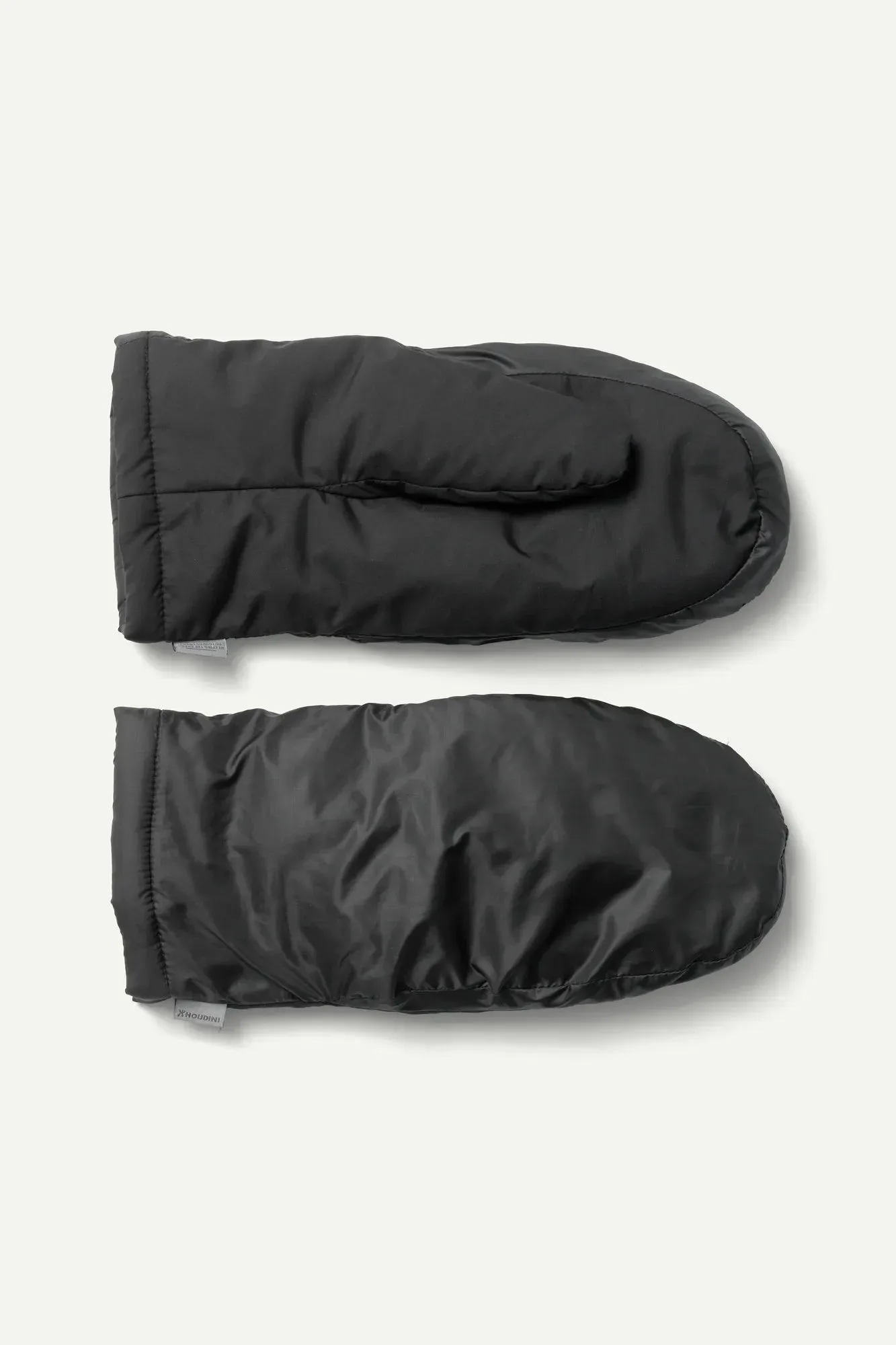
- Dunfri Mittens: Underskatta aldrig smarta accessoarer! Ofta utgör de små plaggen skillnaden mellan torr, varm och bekväm eller kall och miserabel. Blöta händer har aldrig varit ett bra recept för en härlig dag utomhus. Dunfri Mittens bygger på det klassiska konceptet bakom Houdini’s förstärkningsjacka Dunfri. Det ultralätta materialet Spinner Ripstop i kombination med foder i Primaloft Gold skapar ett förstärkningsplagg som är lika... Mittens keep fingers warmer than gloves, and a lightweight insulated pair is easy to stash when your hands warm up on the move.
- W's Drop Knee Power Tights II: Fryser du i vanliga underställ? Dessa fleecebyxor i Power Stretch® ProTM från Polartec® håller dig varm även på de kyligaste dagarna. Tänk dig en mellanlagerströja, fast till benen. Trekvartslängden fungerar perfekt med pjäxor eller vandringskängor. A warm lower-body midlayer is often overlooked on a cold commute; these tights add insulation under trousers or a skirt without bulk.
- W's Stride Skirt: Stride Skirt, som är lätt och sval som en sommarvind, är det perfekta plagget för varma sommardagar. Den är lätt, mjuk och stretchig och torkar snabbt. Med det packbara materialet och förvaringsfickan är den perfekt att ta med i din strandväska eller ryggsäck när du är på resande fot. On milder commute days, a lightweight, quick-drying skirt can be worn over tights or leggings, giving you a versatile option that packs small.
A comfortable cold weather commute comes down to adjustable layers, not one heavy coat. Start with a sweat-wicking base, add a removable midlayer, and finish with a wind-blocking shell. Cover your hands, head, and neck, and carry a bag for the layers you shed. Test your system on a short trip before a long one, and adjust until you can step off the train or bike feeling dry and warm.