Why Peter Hurley's Headshot Editing Approach Matters
Peter Hurley is widely recognized as one of the top headshot photographers and instructors. His original course, The Art Behind the Headshot, released in 2011, earned high praise from the photography community. Since then, he has refined both his shooting technique and how he teaches it. The result is Perfecting the Headshot, a course that reflects years of experience and a clearer instructional style.
This guide focuses on the editing and post-processing principles you can take from his training. While Hurley emphasizes getting it right in camera, knowing how to retouch skin, color grade, and polish a headshot is essential for a professional finish.
What the Course Provides for Editors
-
Perfecting the Headshot with Peter Hurley: Perfecting the Headshot with Peter Hurley is a course that builds on his earlier work, The Art Behind the Headshot, which was highly praised by the photography community. It shows that the editing techniques taught are backed by years of real-world refinement, not just theory.
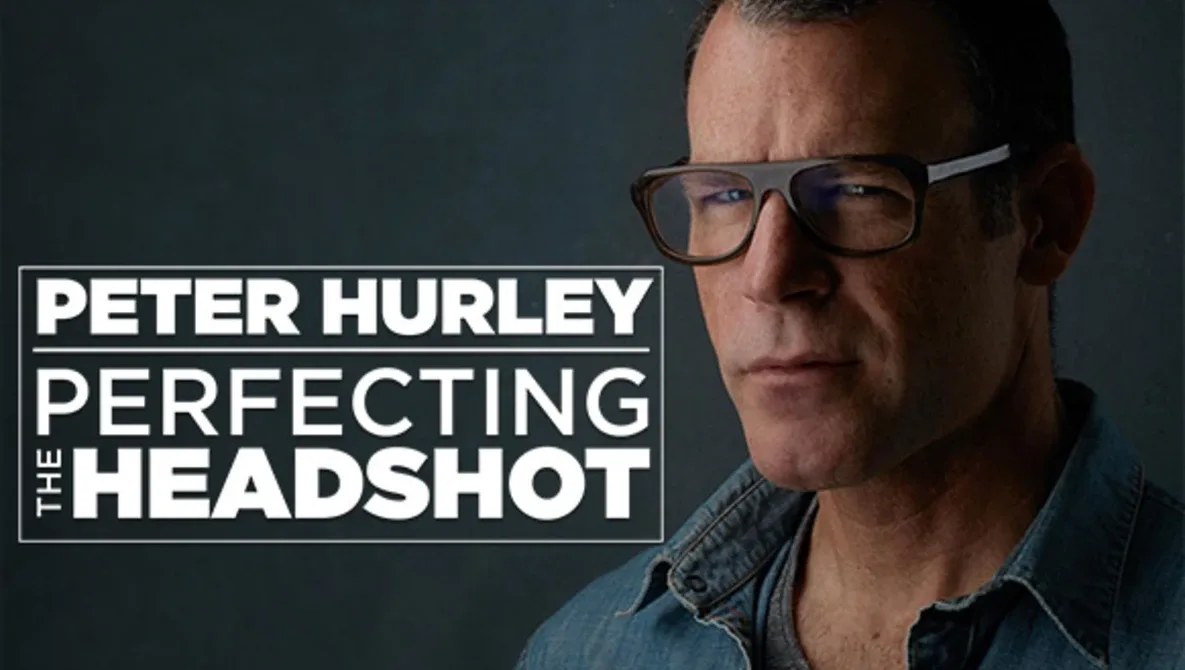
Perfecting the Headshot with Peter Hurley
-
Perfecting the Headshot with Peter Hurley: Over the past six years Peter has been perfecting his technique and how he teaches it. The editing workflow in this course reflects updated methods, making it relevant for current headshot retouching standards.
Applying Hurley's Editing Workflow to Your Headshots
The following steps outline a typical post-processing sequence inspired by Hurley's approach. Adjust based on your software and the specific look you want.
- Start with a Clean Base: Begin by correcting exposure and white balance. Hurley's courses stress consistency in lighting, so your edits should preserve the natural skin tones and catchlights from the shoot.
- Skin Retouching with Subtlety: Use frequency separation or healing brushes to even out skin texture without losing pore detail. The goal is a polished but natural look, not plastic skin. Hurley's teaching emphasizes retaining the subject's character.
- Color Grading for Consistency: Apply subtle color grading to unify the skin tones and background. Avoid heavy shifts; headshots benefit from clean, neutral color with slight warmth in the highlights.
- Sharpening and Final Polish: Selectively sharpen the eyes and hair to draw attention. Keep the overall image soft enough to feel natural. Check the final result at full resolution to ensure no artifacts remain.
Key Takeaways for Headshot Post-Processing
Hurley's techniques are built on years of practice and a commitment to teaching what works. Whether you are retouching skin, adjusting color, or finalizing a headshot, the principles remain the same: keep it subtle, keep it clean, and let the subject's personality come through.
For a deeper dive into his methods, consider studying Perfecting the Headshot directly. It offers a structured look at both the shooting and editing sides of professional headshot photography.