Quick answer
To get the most from Love in The Moonlight, listen in a quiet room with a high-resolution system capable of Pure DSD256 playback, and follow a structured listening approach that highlights the violin's operatic voice and the piano's crisp accompaniment.
Why this recording demands attention
Love in The Moonlight transforms familiar opera melodies into an intimate violin and piano dialogue. The recording, captured in Pure DSD256 by Paul McGowan, preserves subtle dynamic shifts and tonal colors that reward focused listening. A casual background listen will miss the delicate interplay between the soaring violin lines and the luscious piano textures.
How to listen to Love in The Moonlight
- Set up your playback chain for Pure DSD256: Use a DAC and player that natively support DSD256. If your software converts to PCM, you lose the format's natural noise shaping and transient detail. Check your player's output settings to confirm native DSD streaming. A common mistake is assuming any DSD-capable DAC handles DSD256. Verify the spec sheet before you play.
- Create a quiet, low-distraction listening environment: Turn off fans, air conditioning, and other background noise sources. The album's dynamic range spans from delicate pianissimo passages to full fortissimo climaxes; ambient noise masks the softest bow strokes and pedal releases. Even moderate room echo can smear the stereo image. Try adding a rug or soft furnishing if the room sounds live.
- Listen track by track with a focus on instrumental dialogue: Start with the first track and resist skipping. Each fantasy reinterprets a specific opera theme. Notice how the violin takes the role of the singer while the piano provides harmonic support and rhythmic punctuation. Pause between tracks to let the mood settle. If you find yourself multitasking, restart the album. This recording rewards undivided attention.
- Compare the same track on different formats if available: If you own the CD-quality or MP3 version, A/B the same passage. The Pure DSD256 version reveals more air around the violin body and a clearer sense of the recording space. The difference is most audible on sustained notes and during quiet sections. Use a matched volume level during comparison; even a 0.5 dB difference can bias your perception.
- Note the production signature from Paul McGowan: McGowan recorded and mixed this album. Listen for his characteristic microphone placement: the violin is slightly forward and centered, while the piano spreads across the soundstage. This creates an intimate, front-row perspective rather than a distant concert-hall view. If the piano sounds too wide, your speakers may need toe-in adjustment. The intended image places the piano between and slightly behind the speakers.
About this album
-
Love in The Moonlight: Operatic Fantasies For Violin & Piano: Love in The Moonlight captures rich and well-known melodies from popular operas and brings them into an intimate setting. The violin soars as an elegant voice through colors of La Bohème, Turandot, and Der Rosenkavalier. Accompanied by luscious and crisp piano tones, this recording is an exquisite capture of both instruments in Pure DSD256. The Pure DSD256 format preserves the full harmonic texture and spatial cues, so you hear the violin's bow changes and the piano's resonance with exceptional clarity.
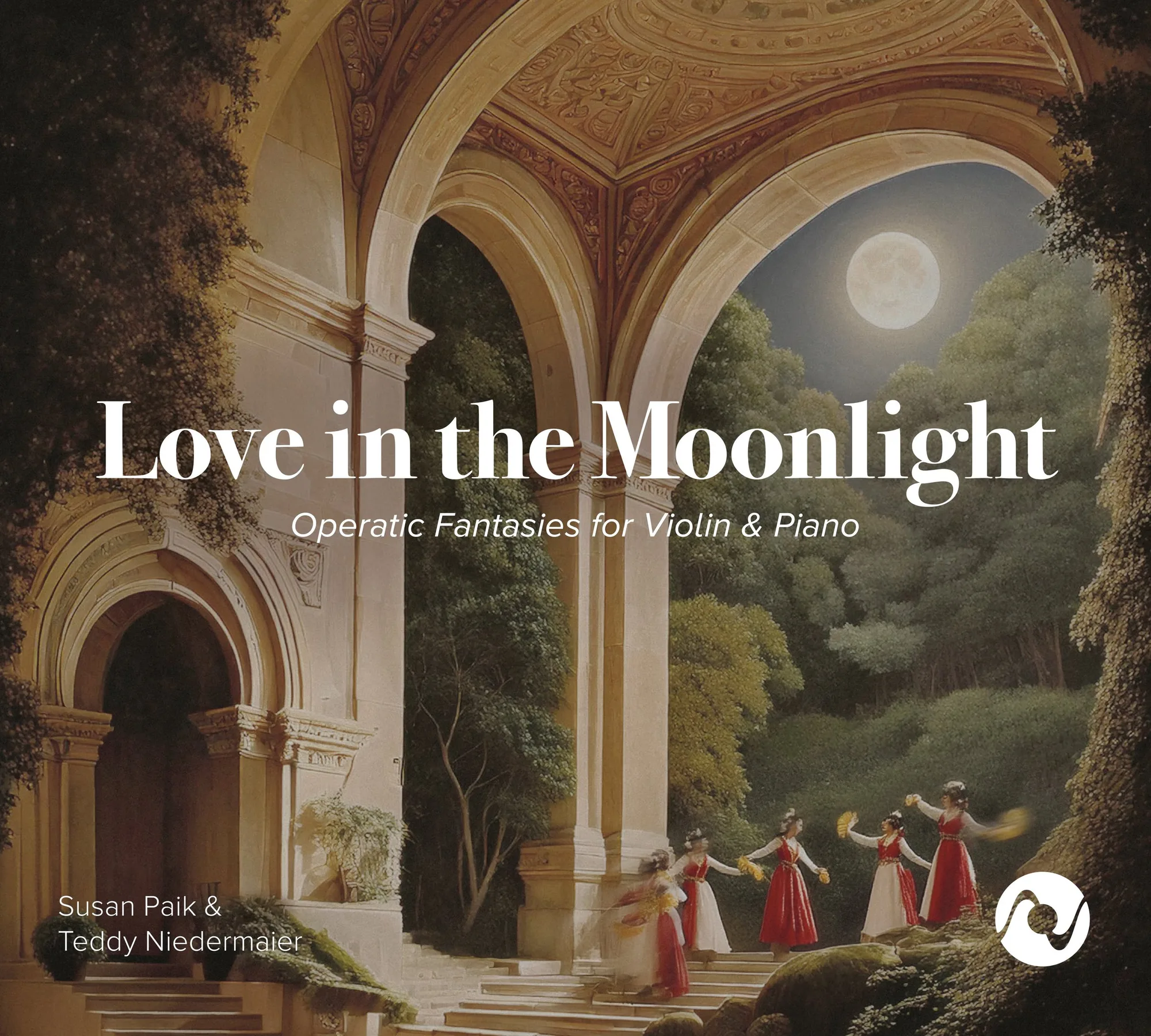
Love in The Moonlight: Operatic Fantasies For Violin & Piano