Your tattoo is a permanent investment in self-expression, but over time, dead skin cells, dry patches, and environmental debris can dull its vibrancy. Exfoliating tattooed skin—when done correctly—can restore that fresh-ink glow by sloughing off the top layer of dead cells and revealing brighter, healthier skin underneath. However, exfoliation requires a gentle touch and the right timing to avoid damaging your art.
In this guide, we’ll walk you through everything you need to know about tattoo exfoliation: when to start, which products are safe, how to exfoliate without fading, and how to follow up with nourishing care. Whether you have a brand-new piece or a decade-old favorite, these tips will help you maintain ink brightness safely.
Why Exfoliate Tattooed Skin?
Exfoliation removes the buildup of dead skin cells that can sit on the surface of your tattoo, making the ink appear cloudy or muted. This is especially common during seasonal changes or in dry climates, where skin turnover slows down. By gently exfoliating, you allow light to reflect off the ink more clearly, enhancing color saturation and line sharpness.
Additionally, regular exfoliation helps prevent ingrown hairs and keeps the skin around your tattoo smooth. But there’s a catch: tattoos are essentially wounds during the healing phase, and even fully healed ink sits within the dermis, which is sensitive to aggressive scrubbing. The key is to use a method that removes dead cells without disrupting the pigment or causing irritation.
- Restores tattoo brightness by removing dulling dead skin layers
- Prevents clogged pores and ingrown hairs around the tattoo
- Prepares skin for deeper absorption of moisturizers and balms
When Is It Safe to Exfoliate a New Tattoo?
Patience is crucial. Never exfoliate a fresh tattoo. During the first two to four weeks, your skin is actively healing, and the top layer is essentially an open wound. Exfoliating too early can rip off scabs, pull out ink, and lead to infection or scarring. Wait until your tattoo is fully healed—meaning no peeling, no scabs, and no tenderness—which typically takes about a month.
Even after the surface looks healed, the deeper layers of skin continue to recover for several more weeks. A good rule of thumb: wait at least four to six weeks before your first gentle exfoliation. If you’re unsure, consult your tattoo artist. Once you get the green light, start with the mildest method possible.
- Wait 4–6 weeks after getting a tattoo before exfoliating
- Never exfoliate peeling or scabbing skin
- Always patch-test a small area first to check for sensitivity
Safe Exfoliation Methods for Tattooed Skin
The safest approach is physical exfoliation using a soft washcloth, a gentle silicone scrubber, or a mild sugar-based scrub. Avoid harsh loofahs, pumice stones, or gritty salt scrubs that can scratch the ink. Use lukewarm water and circular motions with light pressure—never scrub aggressively. Limit exfoliation to once a week for mature tattoos.
Chemical exfoliants like lactic acid or polyhydroxy acids (PHAs) can also be effective because they dissolve dead skin cells without rubbing. However, avoid strong alpha hydroxy acids (AHAs) like glycolic acid on tattooed skin, as they may cause stinging or fading. Always follow up with a hydrating product to restore the skin barrier.
- Use a soft washcloth or silicone scrubber for physical exfoliation
- Try mild chemical exfoliants like lactic acid or PHAs (patch-test first)
- Exfoliate no more than once a week to avoid over-stripping
Step-by-Step Tattoo Exfoliation Routine
Start by cleansing your tattooed area with a gentle, fragrance-free cleanser to remove surface oils. Then, apply your chosen exfoliant—whether a soft cloth or a mild scrub—using small, circular motions for about 30 seconds. Rinse thoroughly with lukewarm water and pat dry with a clean towel (don’t rub).
Immediately after exfoliating, apply a nourishing aftercare product to lock in moisture and support skin repair. This step is critical because exfoliation temporarily increases skin permeability. A lightweight lotion or a rich balm can help soothe and protect the area.
- Cleanse gently before exfoliating
- Exfoliate for 30 seconds max with light pressure
- Rinse and pat dry, then moisturize immediately
Best Aftercare Products to Use After Exfoliation
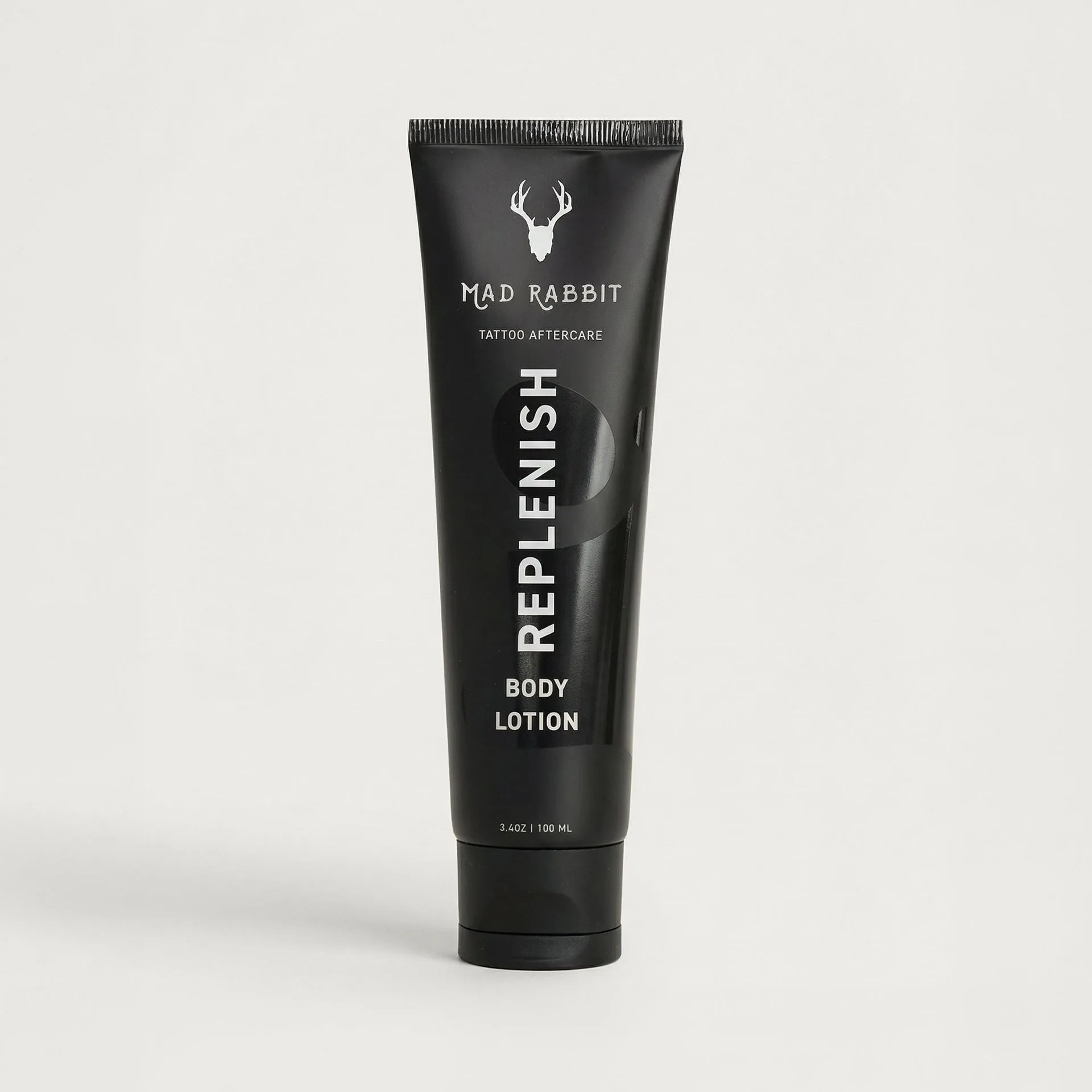
After exfoliating, your tattooed skin is primed to absorb moisture more effectively. Reach for a product that hydrates without heavy greasiness. The https://flawlessface.shop/products/daily-tattoo-lotion-tube-67008Daily Tattoo Lotion Tube is an excellent choice—it’s lightweight, absorbs quickly, and contains skin-loving ingredients that won’t clog pores or dull the ink. Apply a thin layer right after exfoliating.
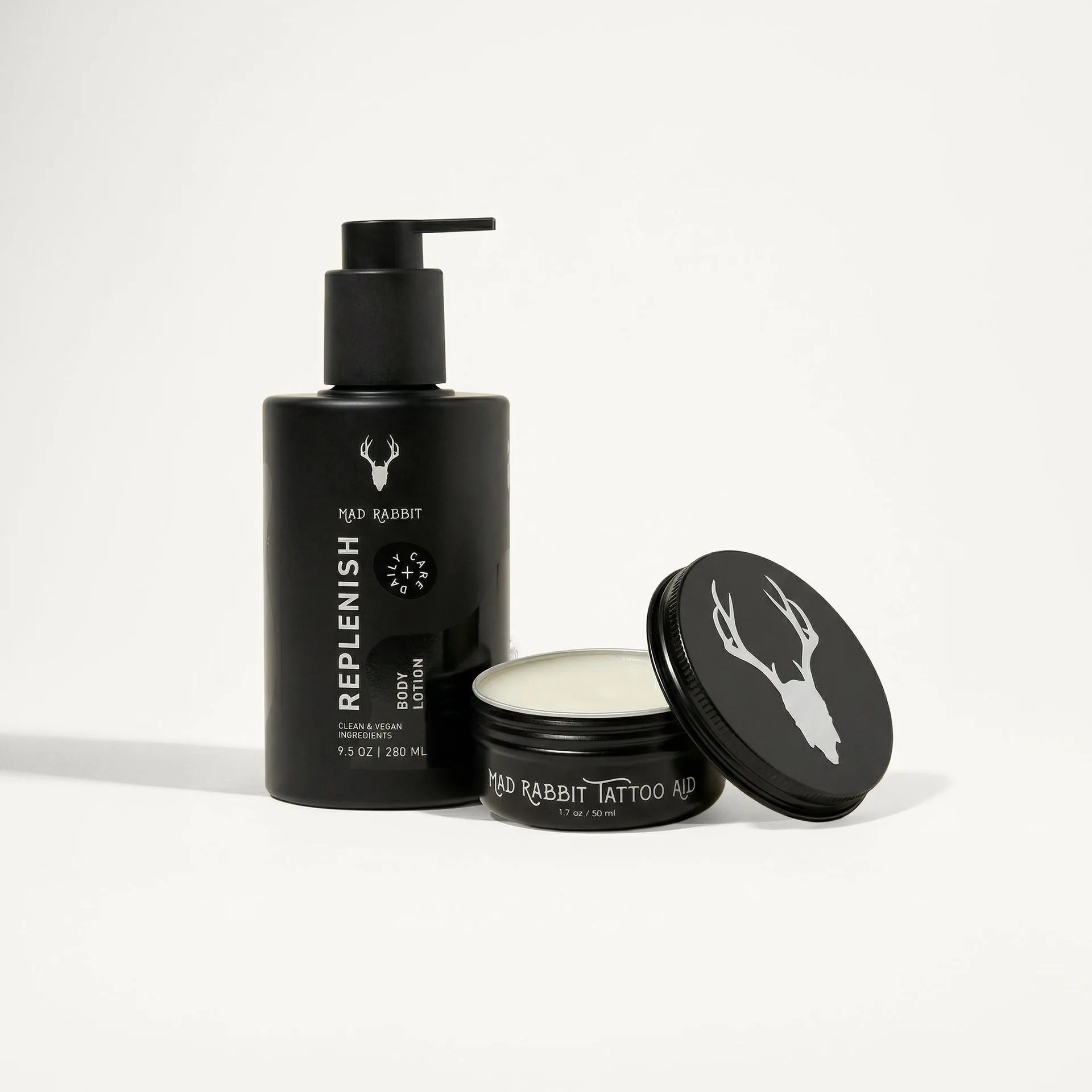
For a deeper, more restorative treatment, consider the Sandalwood Tattoo Balm. Its natural sandalwood and shea butter formula soothes any post-exfoliation sensitivity while adding a subtle sheen that makes colors pop. A small amount goes a long way, and it’s perfect for dry or mature tattoos that need extra TLC.
- Apply a lightweight lotion like Daily Tattoo Lotion Tube for daily hydration
- Use a rich balm like Sandalwood Tattoo Balm for extra nourishment
- Avoid products with alcohol, fragrance, or harsh preservatives
What NOT to Do When Exfoliating Tattooed Skin
Never use a body scrub with large, jagged particles (like walnut shell or apricot kernel) on tattooed skin. These can cause micro-tears and lead to ink loss. Also, avoid exfoliating too frequently—more than once a week can strip the skin’s natural oils and trigger irritation. And never exfoliate a sunburned tattoo; wait until the skin fully recovers.
Skip exfoliation if you notice any redness, itching, or flaking beyond normal dryness. These could be signs of an allergic reaction or a healing issue. When in doubt, give your skin a break and focus on gentle cleansing and moisturizing instead.
- Avoid harsh scrubs with large particles
- Don’t exfoliate more than once a week
- Never exfoliate sunburned, irritated, or actively healing tattoos
How to Maintain Ink Brightness Between Exfoliations
Exfoliation is just one part of a comprehensive tattoo care routine. To keep your ink vibrant year-round, protect it from the sun with SPF, stay hydrated, and moisturize daily. Dry skin is the number one enemy of bright tattoos—it makes the surface look ashy and dull. Using a consistent moisturizer will minimize the need for frequent exfoliation.
Consider incorporating a weekly gentle exfoliation into your routine, but always listen to your skin. If you notice your tattoo looking lackluster, try a hydrating mask or a balm soak instead of scrubbing. The goal is to support your skin’s natural renewal process, not force it.
- Apply SPF daily to prevent UV fading
- Moisturize with a gentle lotion or balm every day
- Exfoliate only when needed—overdoing it can backfire
Exfoliating tattooed skin safely is a powerful way to keep your ink looking fresh and vibrant for years. By waiting for full healing, choosing gentle methods, and following up with the right aftercare products, you can remove dead skin without compromising your art. Start with a soft cloth and a nourishing balm like Sandalwood Tattoo Balm, and your tattoo will thank you with lasting brightness.