Quick Answer
Keep batteries warm before and during use, switch to lithium cells for sub-freezing hunts, and store spares against your body rather than in a pack pocket. Cold slows the chemical reaction inside every battery, so the fix is warmth and chemistry, not a bigger battery. These steps work for headlamps, GPS units, rangefinders, and any other electronics you carry.
A headlamp that ran fine at camp in September can die in twenty minutes on a November ridge. The battery did not fail. It got cold. Below freezing, the chemical reaction inside alkaline and lithium cells slows down, internal resistance rises, and the voltage your device sees drops. The capacity is still there, but the battery cannot deliver it until it warms back up.
That matters on a hunt because your most battery-dependent tasks, glassing at first light, navigating out after dark, checking a rangefinder on a cold stalk, happen exactly when temperatures are lowest. The steps below are ordered by impact, so start at the top if you only change one habit this season.
Why Cold Hurts Battery Performance
Every battery produces power through a chemical reaction, and cold temperatures slow that reaction. Alkaline cells suffer most, often losing a large share of their usable capacity near freezing. Lithium cells handle cold better but still lose voltage as temperatures drop. The battery is not empty. It is sluggish, and your device reads the low voltage as a dead battery.
This is why a headlamp can seem dead at 20°F, then work again after sitting in a warm tent for an hour. Nothing was repaired. The cell simply warmed up enough to deliver current again. Understanding that cycle is the foundation for every tip below.
- A battery that reads dead in the cold may still hold most of its charge.
- Warming a battery restores voltage faster than any setting change.
- Devices with voltage-based battery meters will show false lows in freezing temps.
Start With the Right Battery Chemistry
If you hunt in sustained sub-freezing conditions, switch from alkaline to lithium batteries for your headlamp and other critical electronics. Lithium cells tolerate cold better, weigh less, and hold voltage longer under load. They cost more upfront, but the difference on a cold morning is not subtle.
Rechargeable lithium-ion packs are a good option for gear you can recharge at the truck or in a heated tent, but they also lose capacity in the cold. If you rely on rechargeables, carry a spare and keep it warm. Do not mix chemistries in the same device, and do not mix old and new cells, because mismatched voltage can hurt performance and, in some devices, cause damage.
- Lithium disposables outperform alkalines in freezing temperatures.
- Keep rechargeable spares warm and rotate them into use.
- Never mix old and new batteries in the same device.
Pre-Warm Batteries Before You Need Them
The single biggest gain comes from warming batteries before they are called on. An hour before you leave camp, move the batteries you plan to use into an inside jacket pocket. Body heat keeps them near operating temperature, and a warm battery delivers full voltage from the first click.
The mistake here is warming the device instead of the battery. A headlamp body warms quickly and cools just as fast, but the cells inside hold heat longer if they started warm. If your headlamp lives in an outside pack pocket all night, it will start the morning cold no matter what you do at sunrise.
- Sleep with critical batteries in your sleeping bag on sub-freezing nights.
- Move spares to an inside pocket before you break camp.
- A warm battery beats a warm device every time.
Manage Spares and Rotation on the Move
Carry at least one spare set for every critical device and rotate it. When a headlamp dims, swap in the warm spare and put the cold one in an inside pocket to recover. That recovered set becomes your next spare. This rotation keeps you running without ever needing a battery to perform cold.
Where you store spares matters as much as carrying them. A hard-sided or padded pouch in an inside pocket protects cells from impact and keeps them warm. Loose batteries in an outside pocket are cold, vulnerable to moisture, and easy to lose when you are digging for them in the dark.
- One spare set per critical device is the minimum.
- Rotate warm spares in and cold cells out.
- Store spares in an inside pocket, not a pack lid.
Reduce Drain With Smart Device Habits
Warmth helps, but lower draw helps more. Use the lowest brightness setting that does the job, turn off Bluetooth and GPS when you are not navigating, and avoid unnecessary screen time. A headlamp on low draws a fraction of what it uses on high, and that difference stretches a set of cells across multiple mornings.
Cold also affects charging. Lithium-ion packs should not be charged below freezing, because plating can damage the cells permanently. If you charge at the truck, let the pack warm to room temperature first. If you charge in a cold tent, expect slower charging and reduced capacity until the pack warms.
- Run headlamps on low unless you need high output.
- Turn off radios, GPS, and Bluetooth when not in use.
- Do not charge lithium-ion packs below freezing.
Six Steps to Extend Battery Life in Cold Weather
- Switch to lithium cells for sub-freezing hunts: Replace alkaline batteries in headlamps and other critical electronics with lithium disposables, which tolerate cold better and hold voltage longer under load. Do not mix chemistries or old and new cells in the same device. Checkpoint: if your headlamp still uses alkalines in winter, this is the first change to make.
- Pre-warm batteries with body heat before use: An hour before you leave camp, move the batteries you plan to use into an inside jacket pocket. On sub-freezing nights, sleep with critical batteries in your sleeping bag. Warm cells deliver full voltage from the first click. Checkpoint: a battery that starts warm will outperform a cold one of the same age and type.
- Carry and rotate warm spares: Bring at least one spare set per critical device. When a headlamp dims, swap in the warm spare and move the cold set to an inside pocket to recover. Store spares in a padded pouch in an inside pocket, not a pack lid. Checkpoint: if you have no warm spare, you have no plan for a cold failure.
- Lower device draw to stretch every cell: Use the lowest brightness that works, turn off Bluetooth and GPS when not navigating, and avoid unnecessary screen time. Cold reduces available voltage, so reducing demand keeps devices running longer on the same cells. Checkpoint: low mode on a headlamp can multiply runtime compared with high mode.
- Warm devices before charging lithium-ion packs: Do not charge lithium-ion packs below freezing, because plating can permanently damage the cells. Let packs warm to room temperature before charging, and expect slower charging in cold conditions. Checkpoint: charging a frozen lithium pack can cost you the pack, not just the charge.
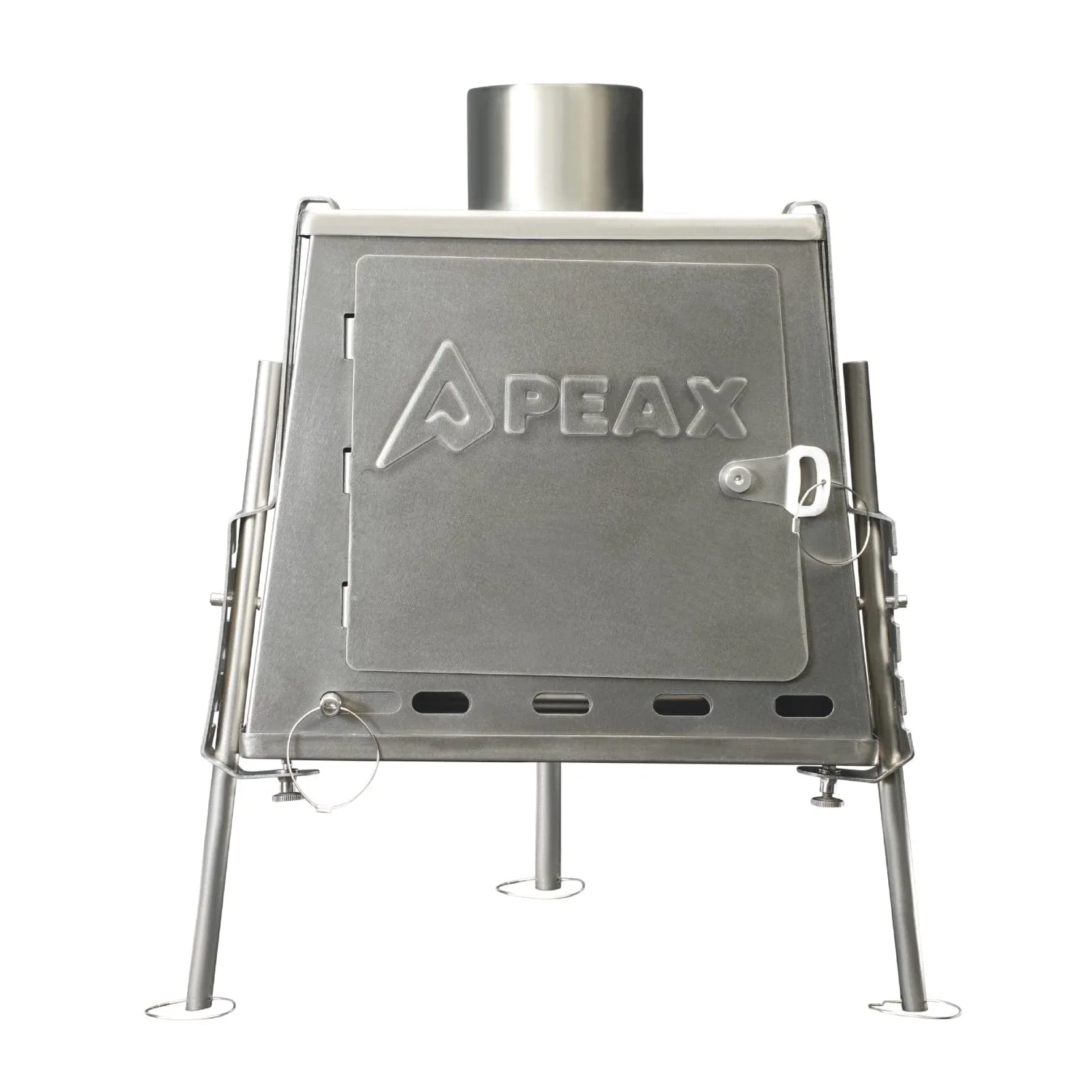
- Use a heated shelter to recover gear overnight: A hot tent stove like the PEAX Torrid creates dependable heat in harsh conditions, giving you a place to warm batteries, dry gear, and restore comfort. That overnight recovery keeps electronics and clothing functional for the next day. Checkpoint: a warm, dry camp is a battery strategy, not just a comfort upgrade.
Gear That Helps in the Cold
- TORRID HOT TENT STOVE: The PEAX Torrid is a titanium hot tent stove built to create dependable heat, dry gear, and restore comfort in harsh backcountry conditions. Lightweight, compact, and easy to assemble, this tent stove helps turn any hot tent into a warm and functional mountain camp. A heated shelter gives you a place to warm batteries, dry gear, and recharge devices overnight, which directly extends usable battery life on multi-day cold hunts.
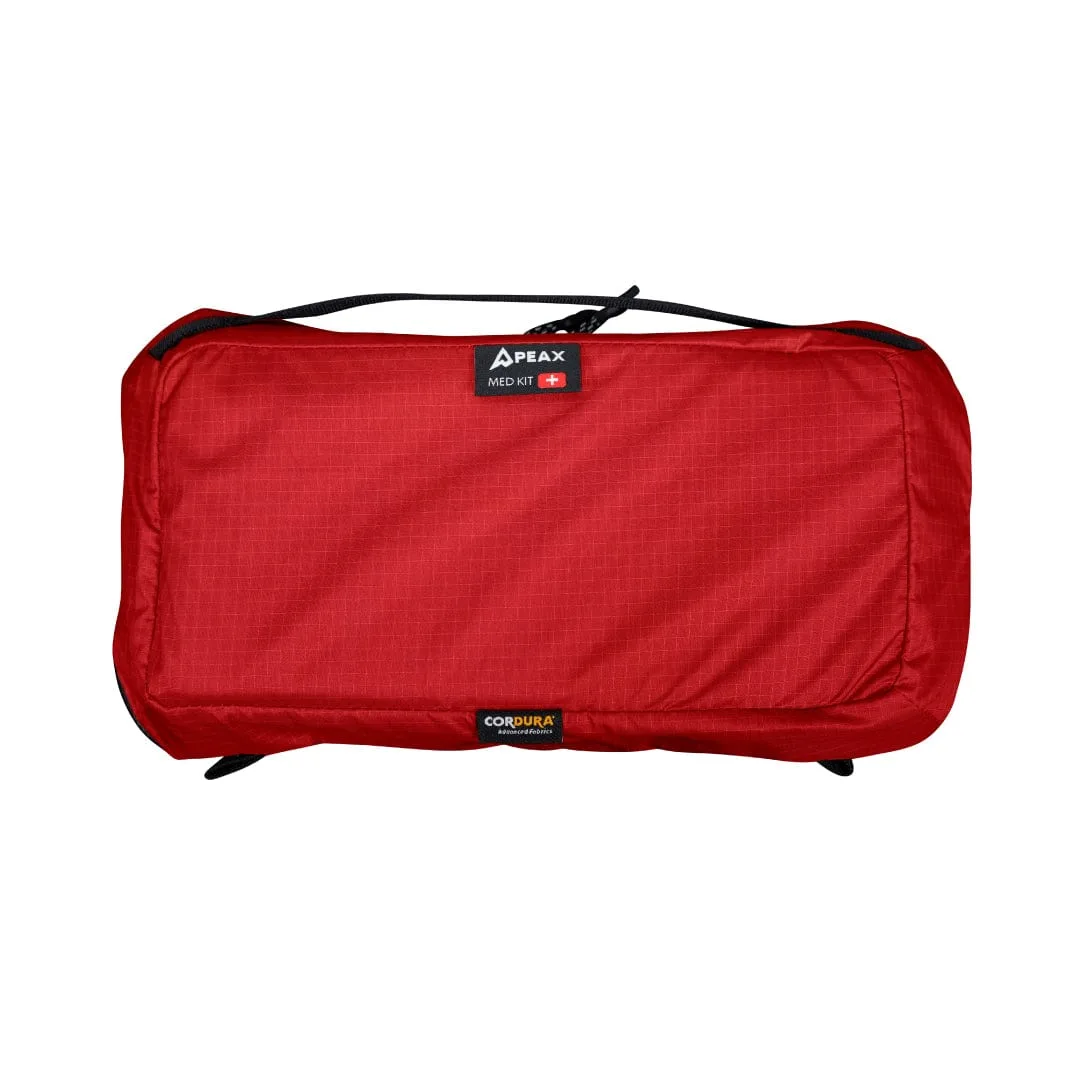
- FIRST AID KIT: The PEAX Hunting First Aid Kit provides critical medical supplies to help hunters manage injuries, stabilize emergencies, and respond with confidence when professional care is hours away. Compact, organized, and built for the realities of remote hunting environments. Cold-weather hunts carry higher risk of slips and exposure injuries, and a compact kit you actually carry is part of being prepared when help is far away.
Cold-weather battery problems are predictable and mostly preventable. Switch to lithium for critical devices, keep cells warm against your body, rotate spares, and reduce draw when you can. Do those things and your headlamp, GPS, and rangefinder will keep working through the coldest part of the season.