Reusable stretch lids are a game-changer for eco-friendly kitchens, replacing single-use plastic wrap and foil. Made from durable silicone, they create an airtight seal on bowls, pots, and containers, keeping food fresh while cutting down on waste. But like any reusable product, their lifespan depends on how you care for them. With proper maintenance, your stretch lids can last for years, saving you money and reducing your environmental footprint.
In this guide, we’ll share practical tips to extend the life of your reusable stretch lids. From cleaning techniques to storage hacks, these simple steps will keep your lids stretchy, odor-free, and effective. Whether you own a set from W&P or another brand, these care strategies apply to all silicone lids. Let’s dive in!
Why Silicone Lids Need Special Care
Silicone is a flexible, non-porous material that resists stains and odors, but it’s not indestructible. Over time, exposure to high heat, harsh detergents, and improper storage can cause silicone to lose its elasticity, develop cracks, or absorb lingering smells. Since stretch lids rely on their tight grip to seal containers, maintaining that elasticity is key to their performance.
By following a few simple care routines, you can prevent premature wear and tear. The good news is that silicone is naturally durable and easy to clean—you just need to avoid common mistakes. Let’s look at the best practices for washing, drying, and storing your lids.
- Avoid using abrasive scrubbers that can scratch the silicone surface.
- Never expose lids to direct flame or high heat above 450°F (230°C).
- Keep lids away from sharp objects that could puncture or tear them.
How to Clean Your Stretch Lids Properly
Cleaning your stretch lids after each use is essential to prevent food residue from building up. Most silicone lids are dishwasher safe, but placing them on the top rack away from heating elements is best. If you hand wash, use warm soapy water and a soft sponge. Rinse thoroughly to remove all soap, as leftover detergent can degrade silicone over time.
For stubborn stains or odors—like tomato sauce or garlic—create a paste with baking soda and water, apply it to the lid, and let it sit for 15 minutes before rinsing. You can also soak lids in a mixture of white vinegar and water (1:3 ratio) for an hour to neutralize smells. Avoid bleach or harsh chemicals, as they can break down the silicone.
- Dishwasher safe: top rack only, away from heating element.
- For odors: baking soda paste or vinegar soak works wonders.
- Always dry lids completely before storing to prevent mold.
Storage Tips to Maintain Elasticity
How you store your stretch lids affects their shape and grip. The worst thing you can do is crumple them into a drawer or pile heavy objects on top. Instead, store lids flat or draped loosely over a container. Many people keep them on the bowl or pot they fit best, which also saves space. If you have multiple sizes, consider stacking them with the largest on the bottom.
Avoid exposing lids to direct sunlight for extended periods, as UV rays can cause silicone to degrade and discolor. A cool, dark cabinet is ideal. Also, keep lids away from heat sources like stovetops or ovens when not in use. For travel, roll lids loosely rather than folding them sharply to prevent creases that can weaken the material.
- Store flat or draped over a container—never crumpled.
- Keep away from direct sunlight and heat sources.
- Roll loosely for travel; avoid sharp folds.
Usage Tips to Prevent Damage
Using your stretch lids correctly goes a long way in prolonging their life. Always choose the right size lid for your container—stretching a lid too far over a much larger bowl puts excessive strain on the silicone and can cause it to tear. If the lid feels too tight, opt for a larger size. W&P’s 3-Piece Reusable Stretch Lids - Round Set includes three common sizes to fit most bowls and containers, making it easy to find the perfect fit.
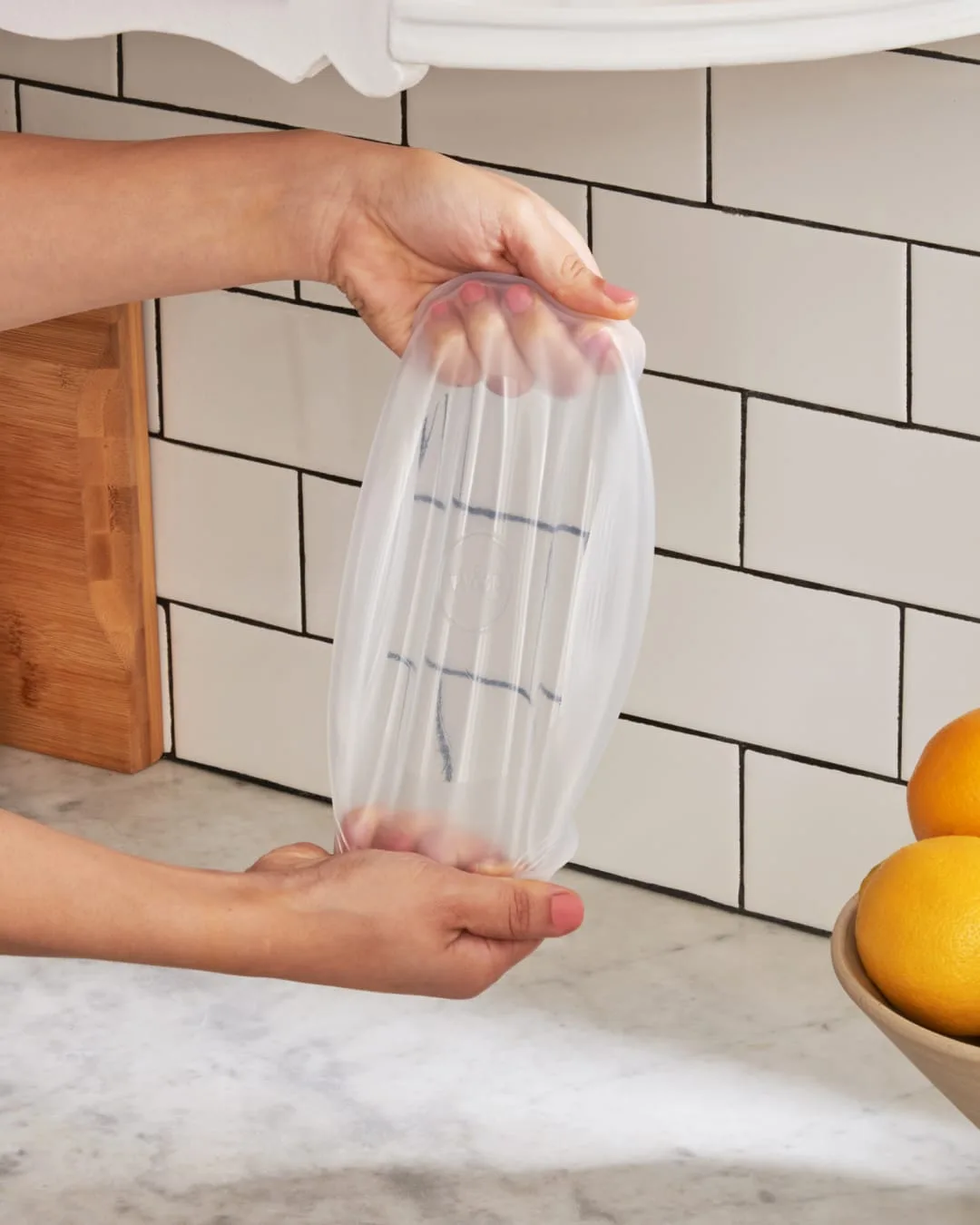
3-Piece Reusable Stretch Lids - Round Set
When removing a lid, lift from the edge rather than pulling from the center. This reduces stress on the silicone and prevents stretching out of shape. Avoid using lids in the microwave unless they are labeled microwave-safe—most silicone lids are, but check the manufacturer’s instructions. Also, never use stretch lids in the oven or on the stovetop, as direct heat can melt or warp them.
- Choose the right size lid—don’t overstretch.
- Remove by lifting the edge, not the center.
- Check microwave safety before use; avoid oven and stovetop.
When to Replace Your Stretch Lids
Even with the best care, silicone lids will eventually wear out. Signs that it’s time to replace them include visible cracks, tears, or a loss of elasticity (the lid no longer grips the container tightly). If you notice persistent odors that won’t wash out, or if the lid has become sticky or tacky, it’s also a sign of silicone degradation.
When you do need new lids, consider upgrading to a set that includes a variety of sizes for versatility. W&P’s Reusable Stretch Lids - Baking Set is a great option for bakers who need lids for mixing bowls and proofing containers. By replacing old lids promptly, you ensure your food stays fresh and your kitchen remains eco-friendly.
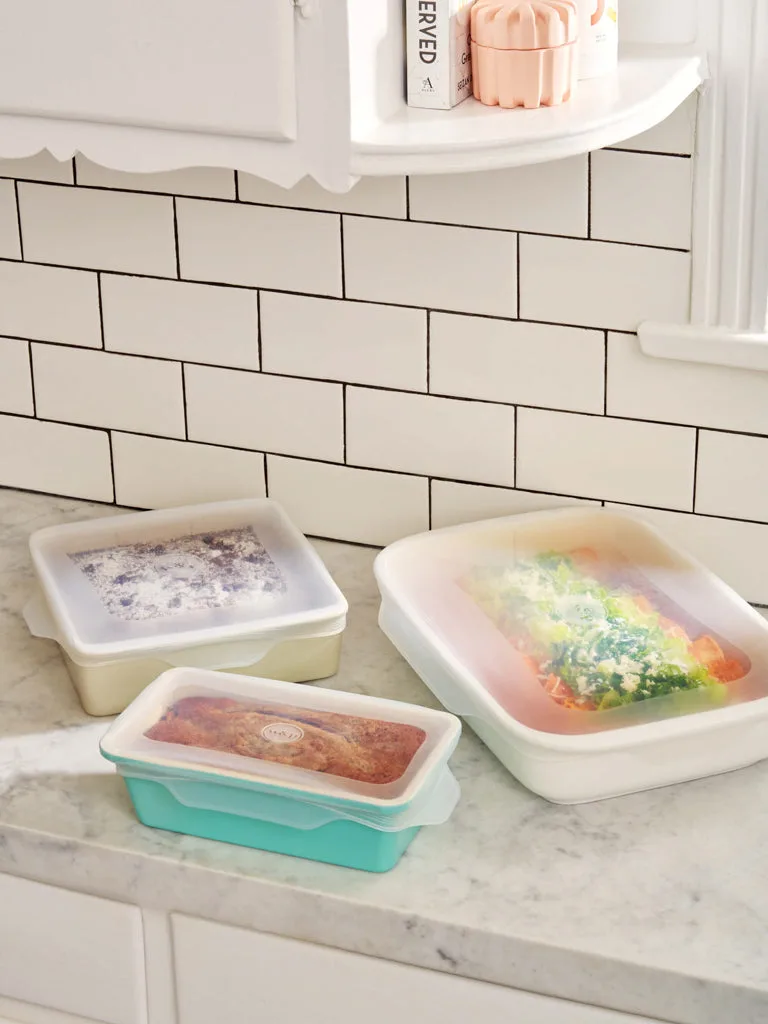
Reusable Stretch Lids - Baking Set
- Replace if cracked, torn, or no longer seals tightly.
- Persistent odors or stickiness indicate degradation.
- Invest in a multi-size set for maximum usability.
With just a little attention to cleaning, storage, and usage, your reusable stretch lids can serve you for years—reducing single-use plastic waste and saving money. Start implementing these tips today, and enjoy a more sustainable kitchen. For a durable and versatile option, check out W&P’s 3-Piece Reusable Stretch Lids - Round Set, designed to fit a range of bowls and containers.