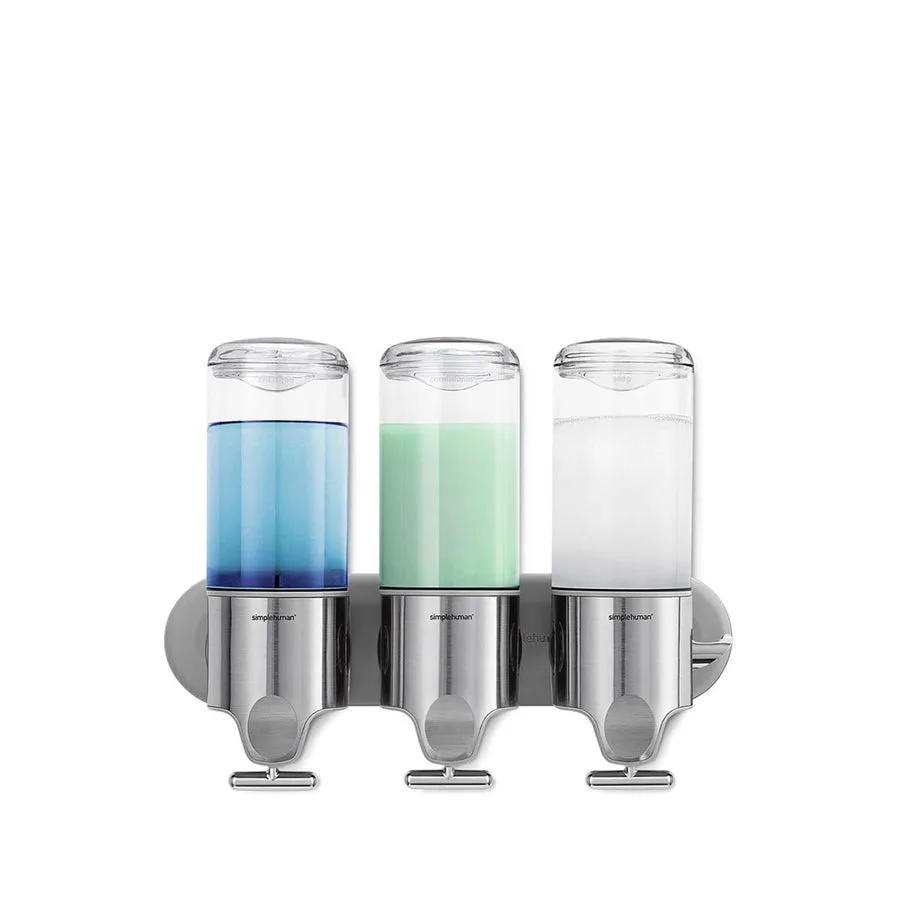
A soap dispenser is a small but essential part of your daily routine. Whether it's in the kitchen, bathroom, or laundry room, a well-maintained dispenser ensures you always have soap at your fingertips. But like any household tool, it needs regular care to function properly and last longer. Without proper maintenance, you might face clogs, leaks, or a pump that stops working altogether.
In this guide, we'll walk you through practical tips to extend the life of your soap dispenser. From choosing the right soap to cleaning the pump mechanism, these simple steps will save you money and reduce waste. Plus, we'll highlight how products like the Cleanstation and Citrus Grapefruit Bath Cleaner Refill Bottle can simplify your care routine.
Why Soap Dispenser Maintenance Matters
Soap dispensers are exposed to moisture, soap residue, and frequent use. Over time, these factors can cause buildup inside the nozzle, pump, or tube. This buildup not only reduces flow but can also harbor bacteria. Regular maintenance prevents clogs and keeps your dispenser hygienic. A well-cared-for dispenser also means fewer replacements, which is better for your wallet and the environment.
Many people overlook the importance of cleaning their dispenser between refills. A simple rinse isn't enough. Soap residue can harden and block the pump mechanism. By incorporating a quick cleaning step each time you refill, you can significantly extend the life of your dispenser. This habit is especially important if you use thick or natural soaps that may contain particles.
- Prevents clogs and pump failure
- Reduces bacterial growth
- Saves money on replacements
Choosing the Right Soap for Your Dispenser
Not all soaps are created equal when it comes to dispenser compatibility. Thick, gel-based soaps or those with added exfoliants can clog the nozzle over time. For best results, use liquid soaps that are specifically designed for dispensers. If you prefer a more natural option, look for soaps that are free of large particles or thickeners.
Products like the Citrus Grapefruit Bath Cleaner Refill Bottle offer a balanced formula that works well with most dispensers. This refill is not only gentle on your hands but also easy on your dispenser's pump. Using a compatible soap reduces the risk of buildup and keeps your dispenser flowing smoothly. Always check the viscosity of your soap before pouring it into a dispenser.
- Avoid thick gels and exfoliating soaps
- Use liquid soaps designed for dispensers
- Test viscosity by shaking the bottle
Cleaning Your Soap Dispenser Step by Step
Cleaning your soap dispenser is a straightforward process that takes only a few minutes. Start by removing any remaining soap from the bottle. Rinse the bottle and pump with warm water. For stubborn residue, use a mild dish soap and a bottle brush. Pay special attention to the nozzle and pump mechanism, as these are the most prone to clogs.
For a deeper clean, disassemble the pump if possible. Soak the parts in warm, soapy water for 10 minutes. Rinse thoroughly and let them air dry before reassembling. This deep cleaning should be done every few months, especially if you notice a decrease in flow. Regular cleaning also helps maintain the aesthetic appeal of your dispenser, whether it's a sleek stainless steel model or a colorful ceramic one.
- Rinse with warm water after each refill
- Use a bottle brush for hard-to-reach areas
- Soak pump parts in soapy water quarterly
Preventing Common Issues: Clogs and Leaks
Clogs are the most common issue with soap dispensers. They usually occur when soap residue dries inside the nozzle or pump. To prevent clogs, always replace the cap when not in use. If you experience a clog, try flushing the pump with warm water or using a thin wire to clear the nozzle. Avoid using sharp objects that could damage the plastic.
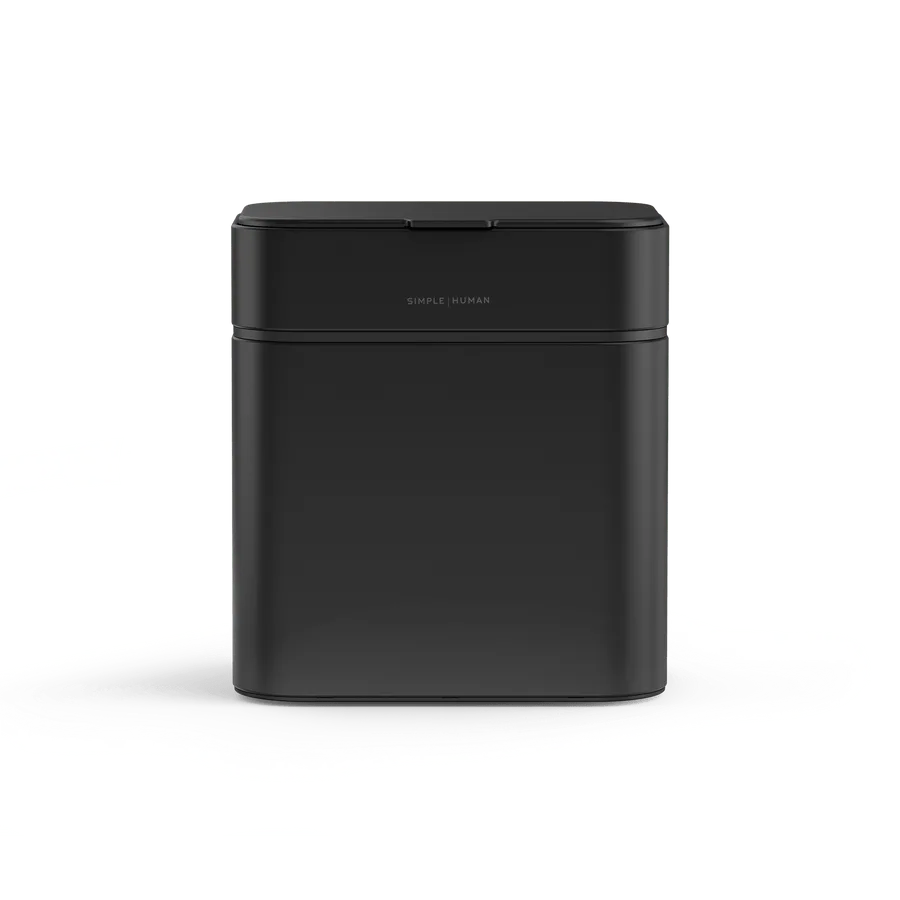
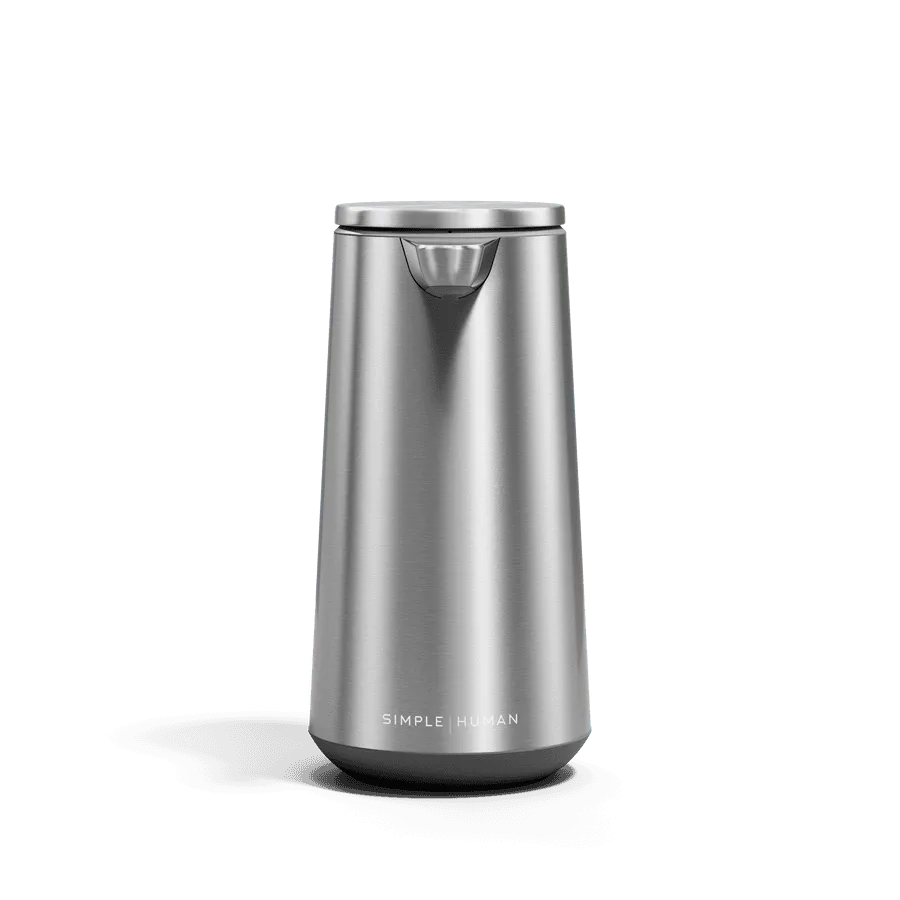
Leaks are another frequent problem. They can be caused by a loose pump, a cracked bottle, or a worn-out seal. Check the pump's connection regularly and tighten it if needed. If your dispenser develops a crack, it's time to replace it. Investing in a quality dispenser can reduce the likelihood of leaks. For example, the Cleanstation offers a durable design that minimizes maintenance issues.
- Keep the cap on when not in use
- Tighten pump connections regularly
- Replace cracked or worn dispensers
When to Replace Your Soap Dispenser
Even with the best care, soap dispensers have a finite lifespan. Signs that it's time for a replacement include persistent clogs that won't clear, cracks in the bottle, or a pump that no longer dispenses soap. If you notice these issues, don't wait—replace the dispenser to avoid mess and frustration.
Upgrading to a more durable model can also be a smart move. The Cleanstation is designed for long-term use and easy maintenance. Its refill system reduces waste and ensures consistent performance. By choosing a high-quality dispenser, you'll enjoy years of reliable service with minimal effort.
- Persistent clogs despite cleaning
- Visible cracks or damage
- Pump fails to dispense
Taking care of your soap dispenser doesn't have to be a chore. With a few simple habits—like choosing the right soap, cleaning regularly, and addressing issues early—you can keep your dispenser working like new for years. For a hassle-free experience, consider the Cleanstation, which combines durability with easy refills. Explore it today to simplify your soap dispensing routine.