There’s nothing quite like unwrapping a perfectly tempered bar of artisan chocolate—the snap, the aroma, the slow melt on your tongue. But if you’ve ever opened a forgotten bar only to find it bloomed, cracked, or tasting stale, you know that chocolate’s shelf life is surprisingly delicate. With proper storage, you can extend the shelf life of your chocolate significantly, preserving its complex flavor notes and smooth texture for months beyond the sell-by date.
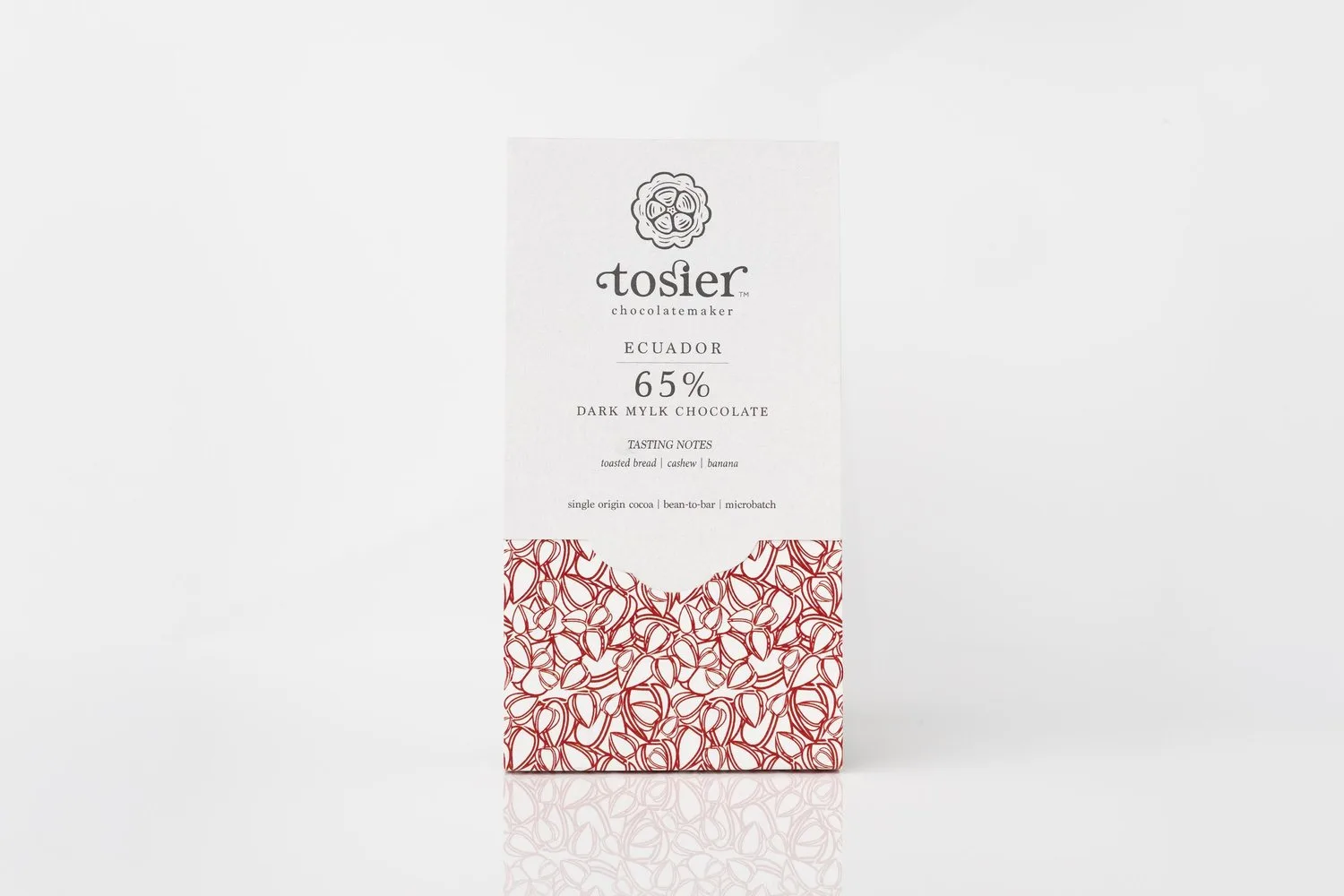
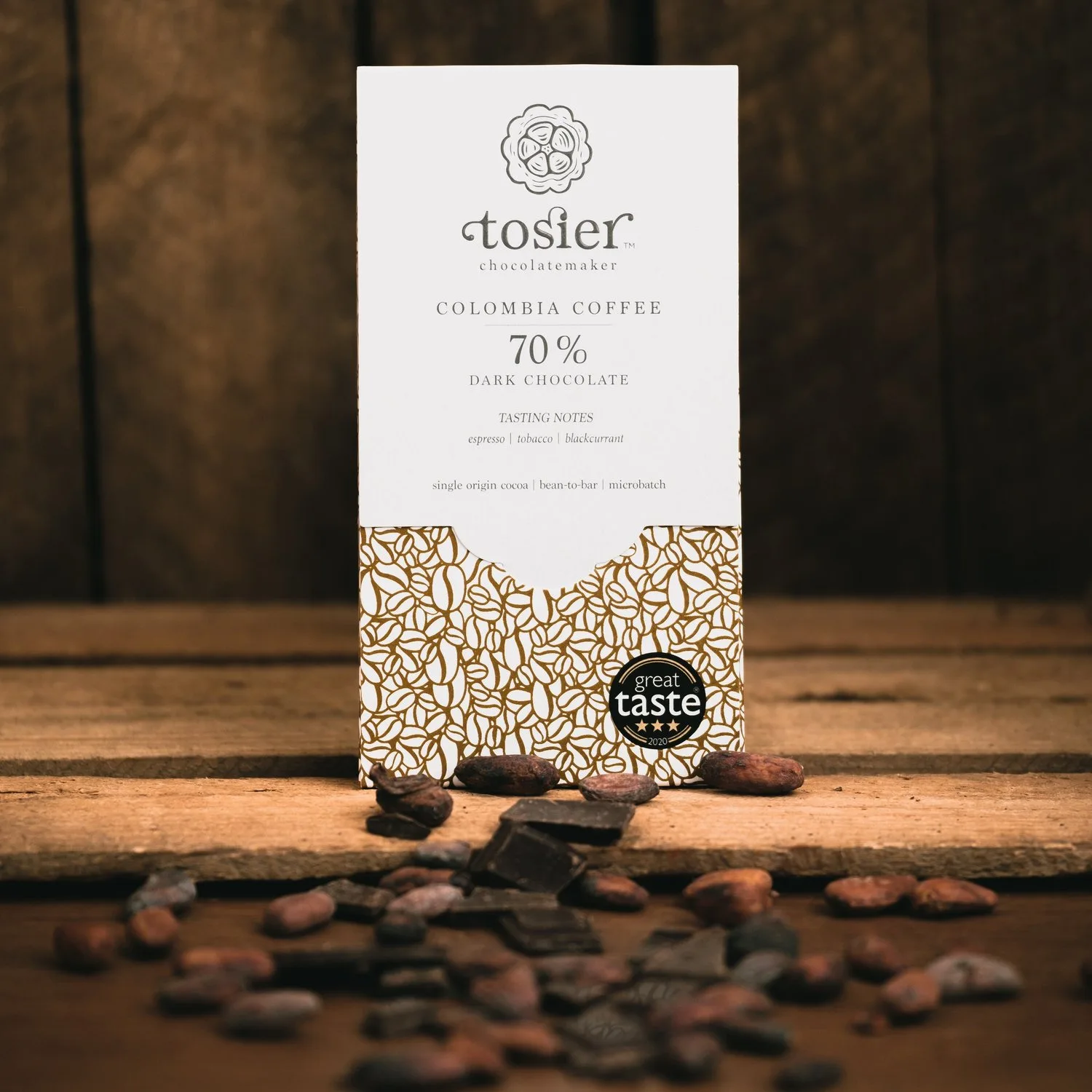
Whether you’re a home baker with a stash of couverture or a collector of single-origin bars, understanding how to store chocolate correctly is essential. In this guide, we’ll walk you through the science behind chocolate spoilage, the ideal storage conditions, and practical tips to keep your Tosier Chocolatemaker creations fresh. From the 70% Tumaco Colombia, 2025 Harvest, with Colombian coffee 60g THREE STAR GREAT TASTE WINNER to the Whole Peaberry coffee beans coated with 70% Dark Chocolate, these methods will help you enjoy every last bite.
Why Chocolate Has a Limited Shelf Life
Chocolate is a complex emulsion of cocoa solids, cocoa butter, sugar, and often milk powder. Over time, these components can separate, oxidize, or absorb off-flavors from the environment. The main enemies of chocolate freshness are temperature fluctuations, humidity, light, and strong odors. Even high-quality dark chocolate, which contains antioxidants from cocoa, will eventually lose its bright flavor notes and develop a dull, chalky texture.
For artisan chocolate like Tosier’s single-origin bars, the shelf life is typically 12 to 18 months from production when stored correctly. However, factors such as the cocoa percentage, the presence of inclusions (like coffee beans or nuts), and the type of packaging all influence longevity. Understanding these factors helps you take proactive steps to extend chocolate shelf life at home.
- Temperature fluctuations cause cocoa butter to migrate to the surface, creating a white 'fat bloom' that alters texture but is safe to eat.
- Humidity above 65% can lead to sugar bloom—a gritty, white layer caused by moisture dissolving and recrystallizing sugar.
- Exposure to light and oxygen accelerates oxidation, which can make chocolate taste rancid or cardboard-like.
Ideal Storage Conditions for Maximum Freshness
The golden rule for chocolate storage is consistency. Aim for a stable temperature between 15°C and 18°C (59°F to 64°F), with relative humidity below 55%. A cool, dark pantry or a dedicated wine cellar works perfectly. Avoid the refrigerator—condensation when removing chocolate can cause sugar bloom. If you must refrigerate in warm climates, seal the chocolate in an airtight container and allow it to come to room temperature slowly before opening.
Light is another critical factor. Ultraviolet rays can degrade cocoa butter and alter flavor profiles. Store chocolate in opaque, airtight containers or in its original packaging if it’s resealable. For opened bars, wrap them tightly in aluminum foil or plastic wrap, then place them in a zip-top bag. This double-layer protection minimizes oxygen exposure and prevents absorption of fridge or pantry odors.
- Use a hygrometer to monitor humidity levels in your storage area.
- Store different chocolate varieties separately to avoid flavor transfer—especially bars with coffee or spices like the Smoked Cinnamon Almonds | 70% Colombia dragées.
- If you buy in bulk, portion chocolate into smaller airtight containers to reduce the number of times you open the main stash.
How to Handle Bloomed or Aged Chocolate
If you discover white streaks or a dusty film on your chocolate, don’t panic. Fat bloom (from temperature swings) and sugar bloom (from moisture) are cosmetic issues that don’t make chocolate unsafe to eat. Fat bloom can be reversed by gently tempering the chocolate again, while sugar bloom is permanent but still edible. For baking or hot chocolate, bloomed chocolate works perfectly—just melt it and use it in recipes.
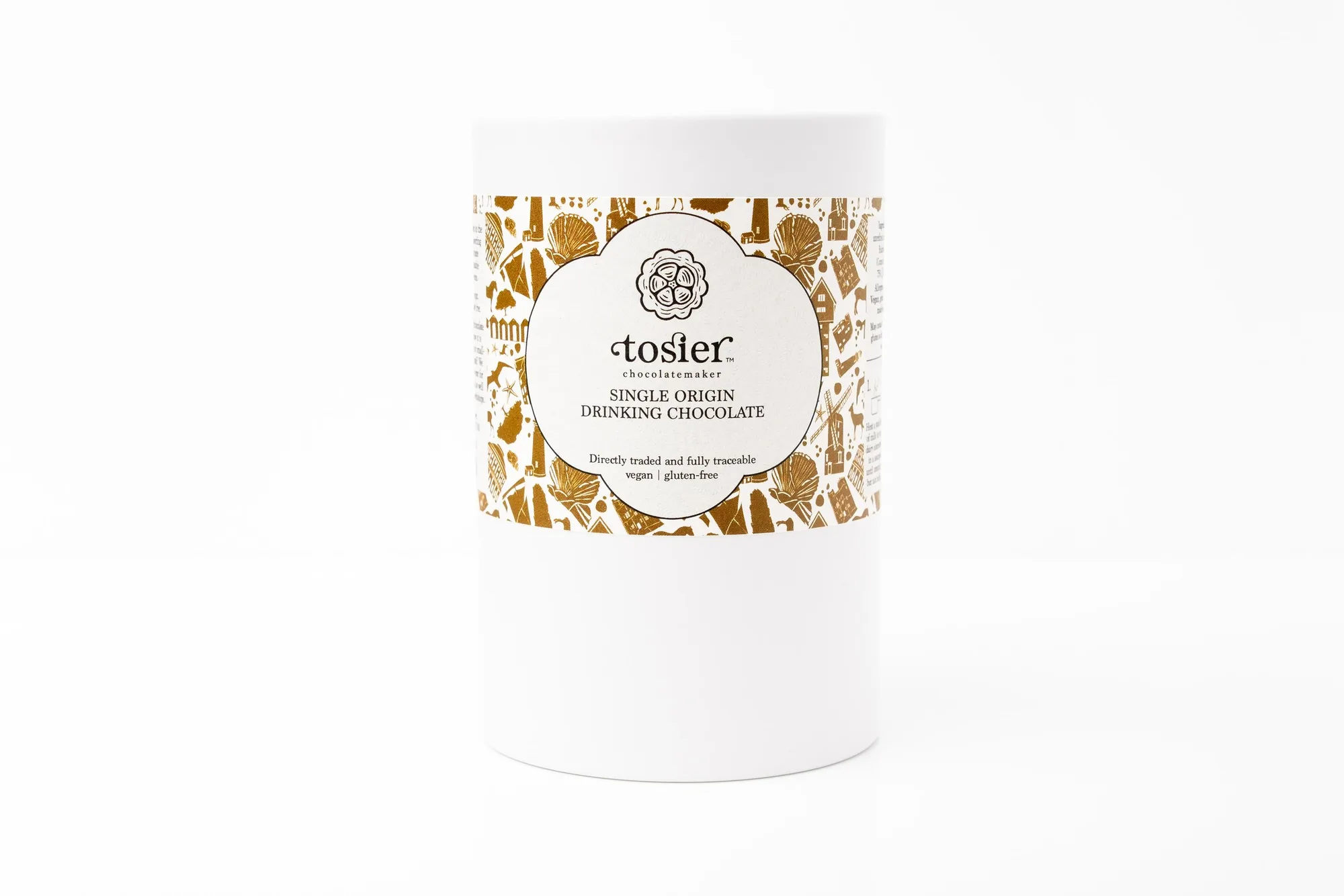
For chocolate that has passed its best-by date but looks and smells fine, it’s still safe to consume. However, the flavor will have mellowed, and the texture may be less snappy. To enjoy older chocolate at its best, consider using it in cooking or drinking chocolate. A bar like the 70% Semuliki Forest 2024 Harvest Uganda 60g, AoC Bronze Award can be grated into warm milk for a rich, single-origin hot chocolate even months after purchase.
- Always smell chocolate before tasting—if it smells rancid or like old cardboard, discard it.
- Use bloomed chocolate for ganache, brownies, or hot cocoa to avoid waste.
- Keep a rotation system: 'first in, first out' to ensure you eat older bars before newer ones.
Special Considerations for Filled or Coated Chocolates
Chocolate with inclusions—like coffee beans, nuts, or dried fruit—has a shorter shelf life than plain bars. The added ingredients introduce moisture and oils that can spoil faster. For example, the Whole Peaberry coffee beans coated with 70% Dark Chocolate should be consumed within 6 to 9 months for optimal crunch and flavor. Store these treats in a cool, dry place and avoid stacking them under heavy items to prevent crushing.
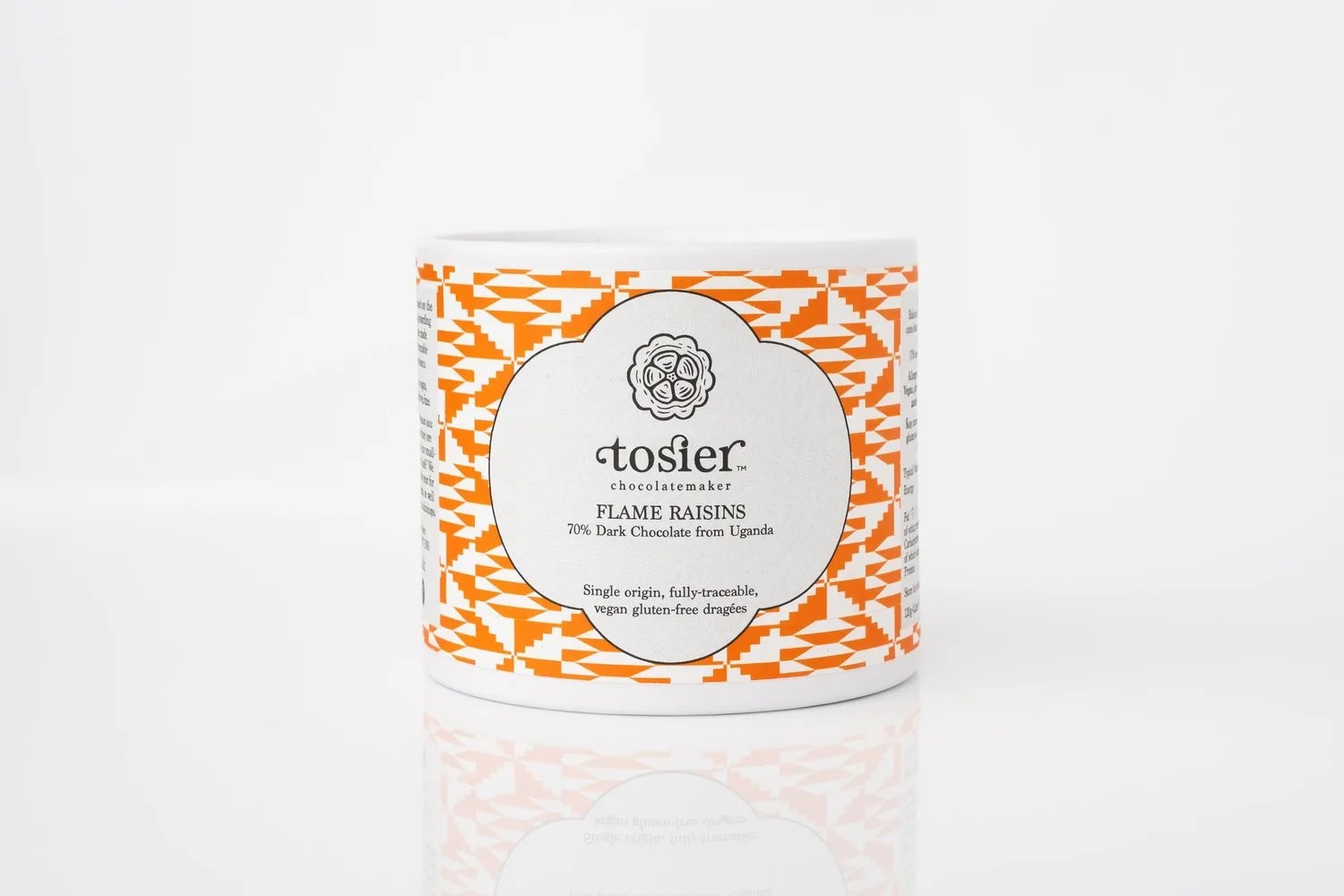
Similarly, dragées like the Flame Raisins | 70% Uganda Semuliki Forest dragées benefit from airtight storage. The raisins inside can dry out or become sticky if exposed to humidity. For best results, keep these in their original packaging or transfer to a glass jar with a tight seal. If you notice any softening or stickiness, it’s a sign that moisture has entered—enjoy them quickly or use them as a topping for desserts.
- Check filled chocolates monthly for signs of spoilage, such as mold or off-odors.
- Avoid storing chocolate near strong-smelling foods like onions, garlic, or spices, as chocolate absorbs odors easily.
- For long-term storage of plain bars, vacuum-sealing can extend shelf life by up to 2 years.
Common Mistakes That Shorten Chocolate Lifespan
One of the most frequent errors is storing chocolate in the refrigerator door, where temperature swings are extreme. Another is leaving chocolate in a car or near a window—even indirect sunlight can raise temperatures above 25°C, causing melting and bloom. Also, avoid storing chocolate in plastic bags that aren’t airtight; they offer little protection against humidity and odors.
Finally, don’t assume that all chocolates age like fine wine. While some dark chocolates develop subtle flavor changes over time, most artisan bars are designed to be enjoyed within a year of production. To experience the vibrant fruit notes and complex cocoa profiles that Tosier Chocolatemaker crafts, aim to eat your stash within the first 6 to 12 months. For a curated selection that’s perfect for sharing and savoring, explore the Sharing Collection - save £5.00 — Tosier Chocolatemaker, which includes a variety of bars to enjoy at their peak.
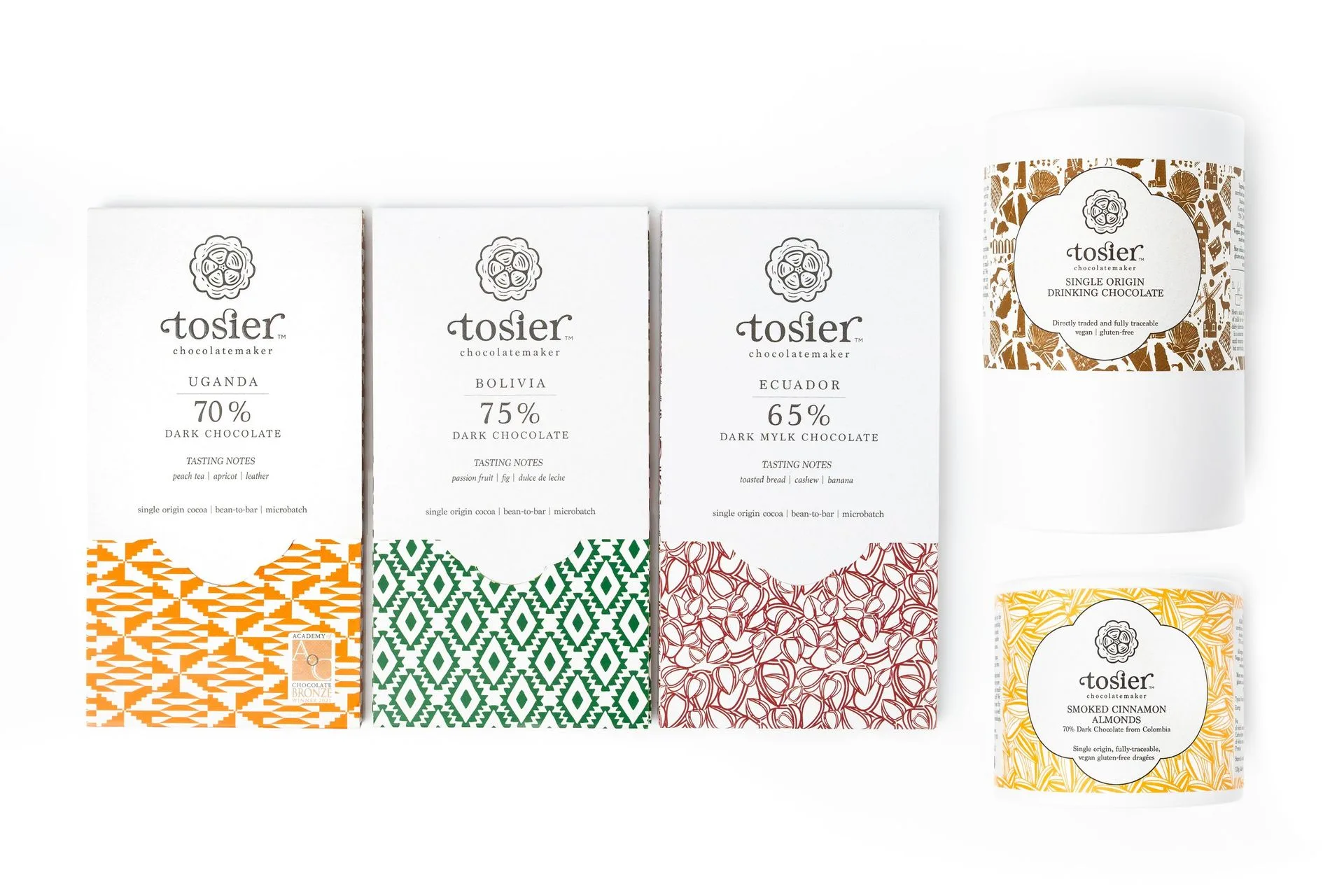
Sharing Collection - save £5.00 — Tosier Chocolatemaker
- Never freeze chocolate unless it’s for baking—freezing can cause condensation and bloom upon thawing.
- If you do freeze chocolate, wrap it in multiple layers and thaw it in the refrigerator overnight before opening.
- Keep a log of purchase dates and best-by dates to track your chocolate inventory.
By following these simple storage guidelines, you can extend the shelf life of your chocolate and enjoy every bar, dragée, or drinking chocolate at its best. Whether you’re saving a special single-origin bar for a future occasion or stocking up on your favorite treats, proper care ensures that each bite delivers the rich, nuanced flavor that artisan chocolate promises. Ready to build your stash? Discover the Craft Chocolate Six Bar Pack — Tosier Chocolatemaker for a perfectly curated collection that’s easy to store and even easier to savor.
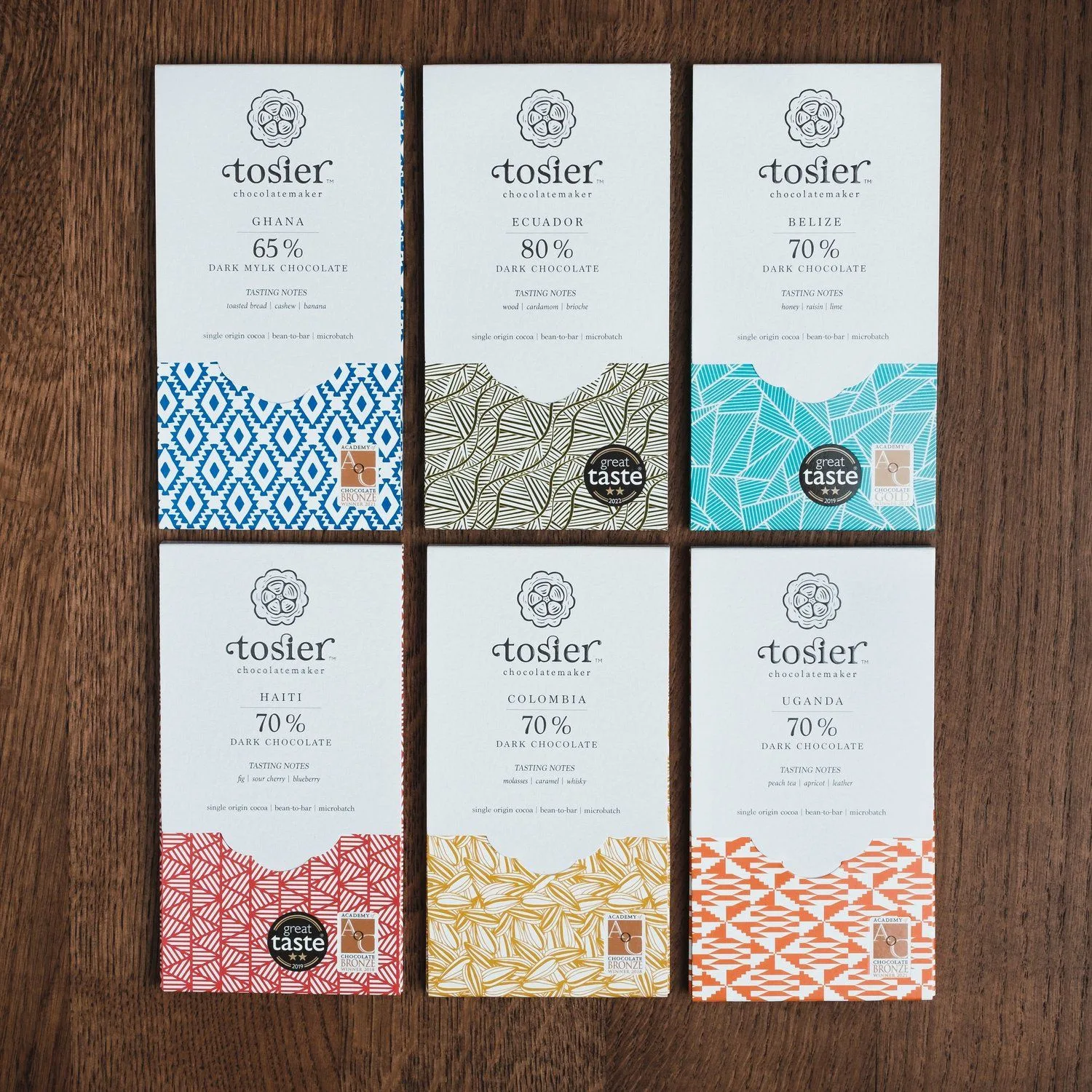
Craft Chocolate Six Bar Pack — Tosier Chocolatemaker