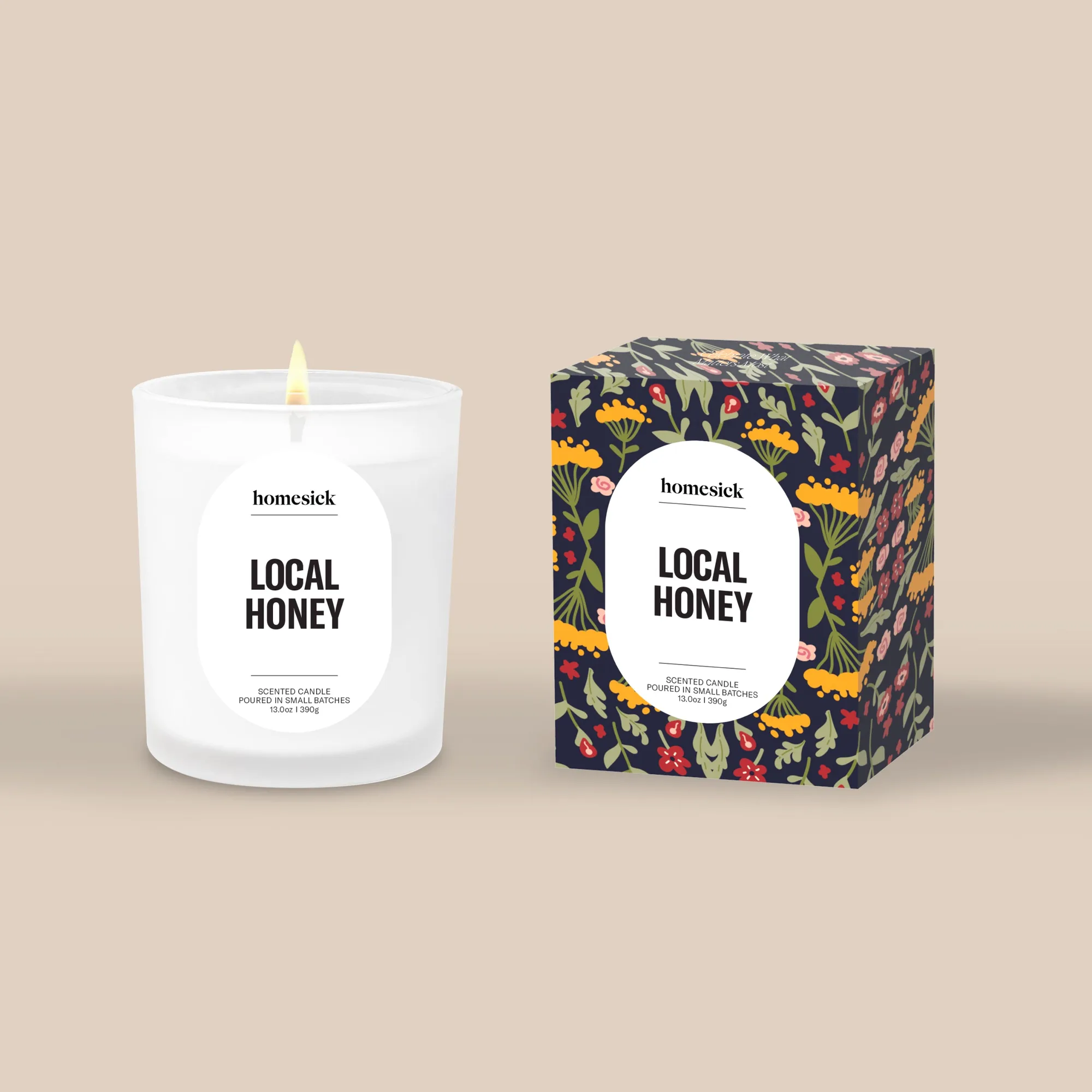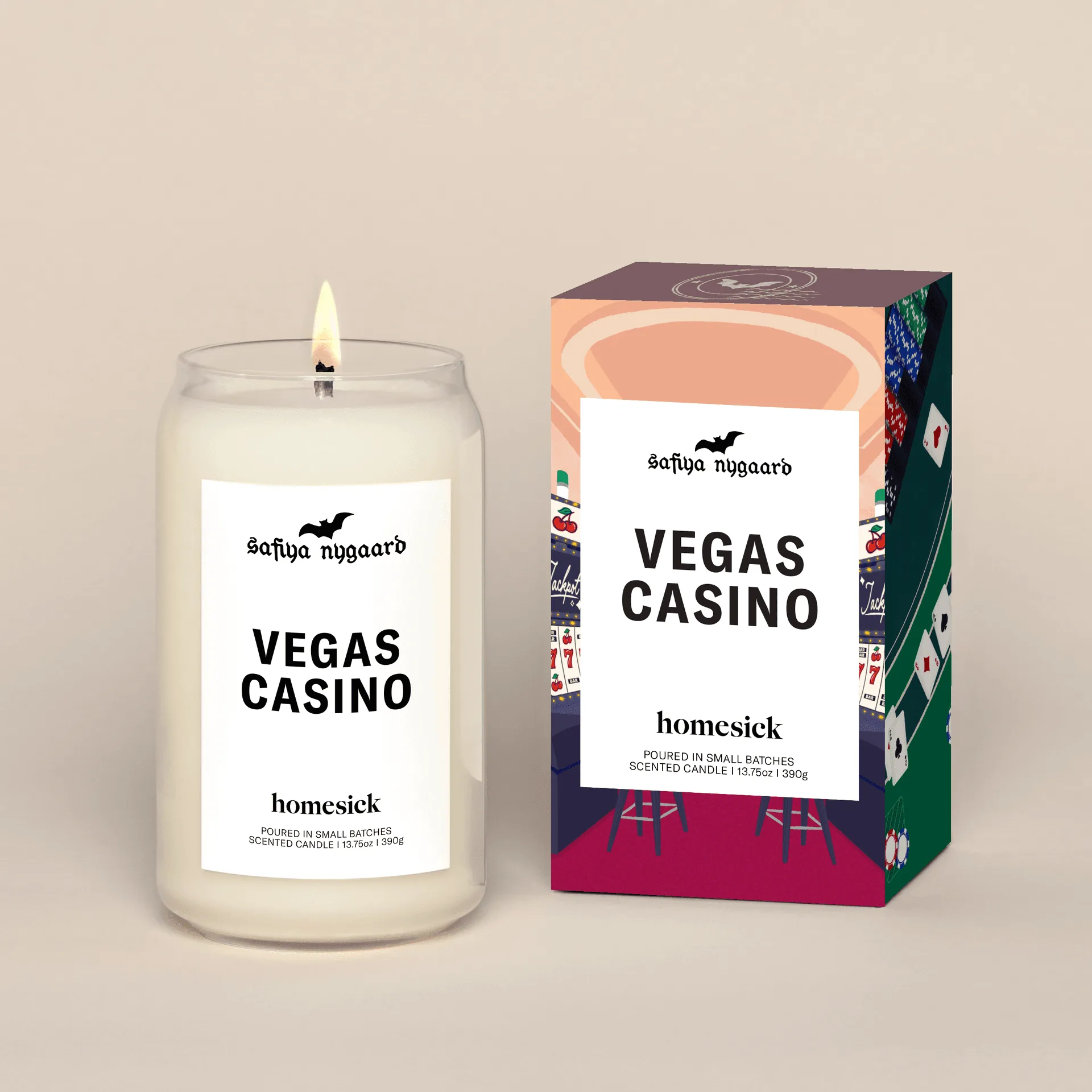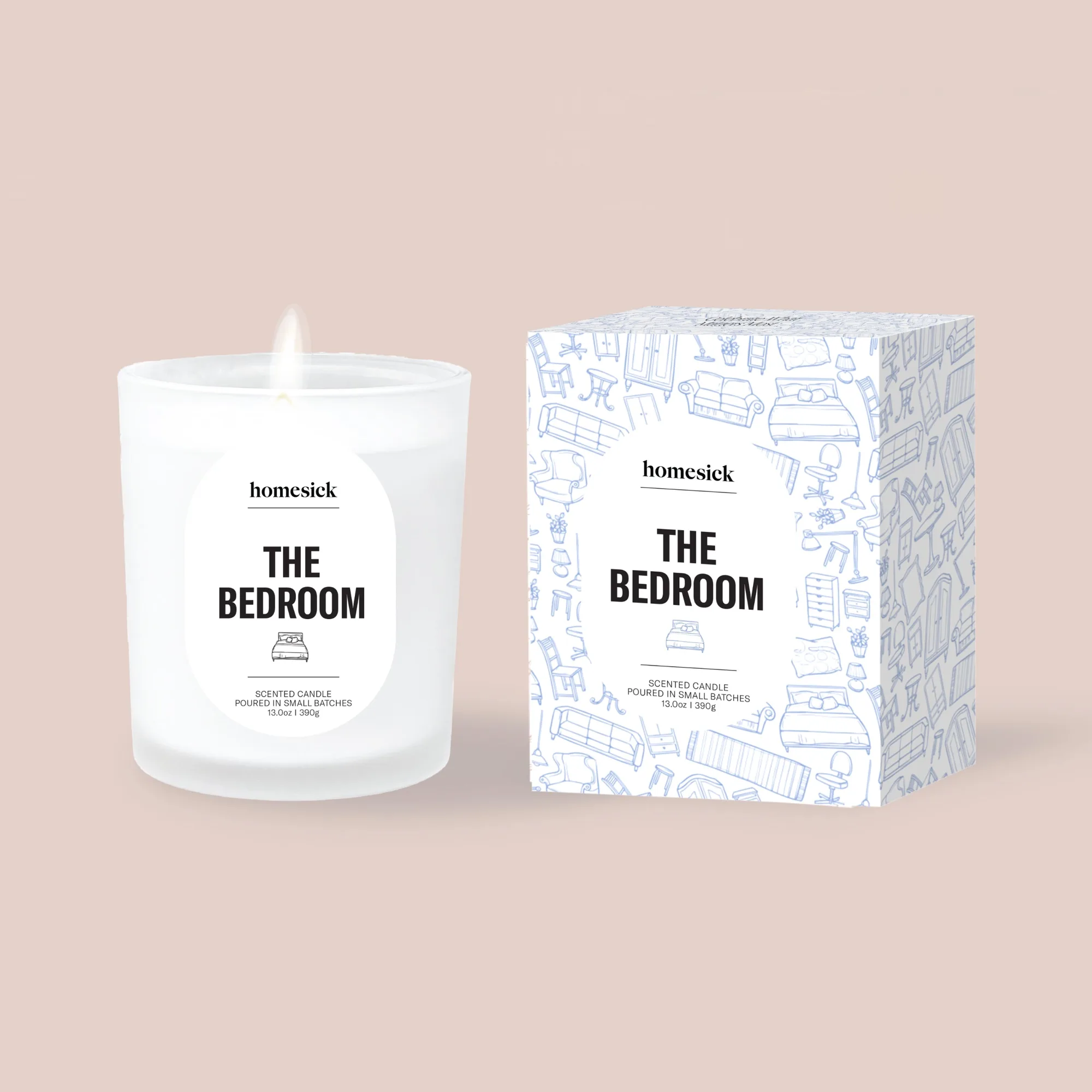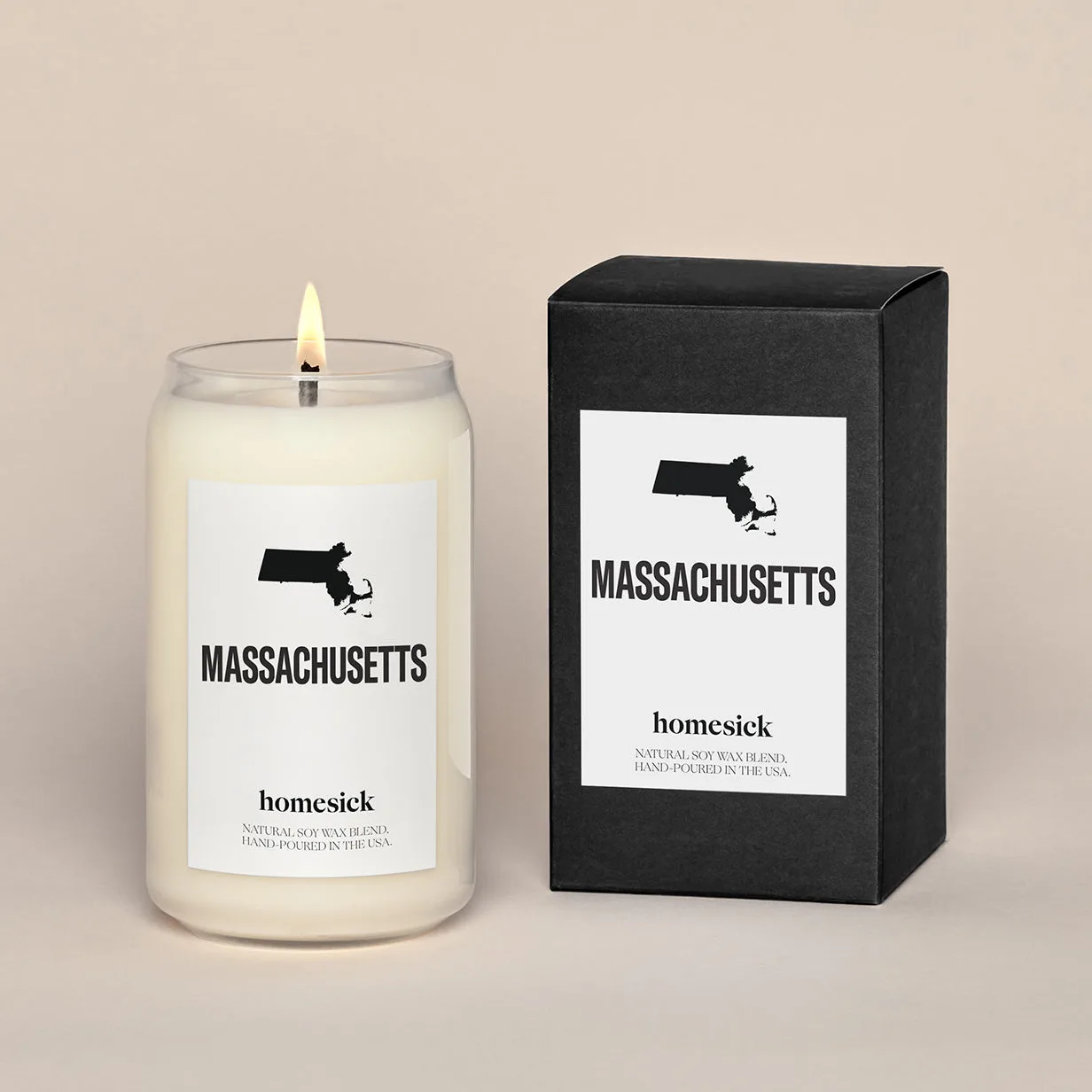
Quick Answer
Using a candle lid is one of the simplest ways to extend your candle's life. A lid keeps dust and debris out of the wax, prevents scent from fading between burns, and reduces the chance of accidental damage. For best results, put the lid on every time after the wax cools and the flame is completely out.
You've invested in a quality candle, and you want it to last. While proper burning techniques matter, one often-overlooked tool is the candle lid. A lid does more than keep dust off—it can actually help your candle burn more evenly and smell stronger for longer.
In this guide, we'll walk through exactly how to use a candle lid to extend your candle's life, what to watch out for, and why this small habit makes a big difference.
Why a Candle Lid Helps Extend Candle Life
Candle lids serve a few practical purposes. First, they keep dust, pet hair, and other airborne particles from settling on the wax. When debris gets into the wax, it can create uneven burning or cause soot. Second, lids help preserve the fragrance. Over time, uncovered candles lose their scent throw as essential oils evaporate. A lid slows that process, keeping your candle smelling fresh between uses.
Additionally, lids protect the candle from accidental knocks and spills. If you store candles on a shelf or in a cabinet, a lid prevents scratches and keeps the surface clean. Finally, some lids are designed to snuff out the flame safely, which reduces smoke and keeps the wick in better condition for the next burn.
How to Use a Candle Lid Correctly
Using a candle lid is straightforward, but there's a right way to do it. Always wait until the flame is completely out and the wax has started to cool. Putting a lid on a hot candle can cause the lid to become hot, and it may trap heat, leading to uneven cooling or even cracking the glass. Wait about 15 minutes after extinguishing the flame.
Make sure the lid fits snugly but not too tightly. If the lid is too tight, it can be difficult to remove later. If it's too loose, it won't provide a proper seal. Also, check that the wick is centered and trimmed to about 1/4 inch before covering. A long or off-center wick can cause the lid to touch the wick, which might be a fire hazard.
- Always extinguish the flame completely before placing the lid.
- Wait for the wax to cool to avoid heat damage to the lid or container.
- Store the candle in a cool, dry place with the lid on to preserve scent.
Choosing the Right Lid for Your Candle
Not all lids are created equal. Some candles come with their own lid, while others require a separate purchase. When selecting a lid, consider the material and fit. Metal lids are durable and often have a nice aesthetic, while wooden lids can add a rustic touch but may need extra care to avoid warping. The key is to match the lid to the candle's diameter.
If you're buying a lid separately, measure the top of your candle container. A lid that's too small won't seal properly, and one that's too large will fall off. Also, think about how you store your candles. If you stack them, a flat, sturdy lid is essential to protect the candle underneath.
Step-by-Step: Using a Candle Lid to Extend Candle Life
- Burn your candle correctly: Trim the wick to 1/4 inch before each burn. Allow the wax to melt to the edges on the first burn to prevent tunneling. This ensures an even pool and maximizes the number of burns. Checkpoint: After the first burn, the entire top layer should be liquid wax. If not, let it burn longer next time.
- Extinguish and cool: Use a snuffer or gently blow out the flame. Wait at least 15 minutes for the wax to cool and harden. Do not put the lid on a hot candle. Checkpoint: The lid should feel cool to the touch before you place it.
- Place the lid securely: Set the lid on top of the candle container, ensuring it sits evenly. Press down gently to create a seal. If the lid has a handle, make sure it's not in the way. Checkpoint: The lid should not wobble or slide off. If it's loose, consider a different lid.
- Store upright in a cool place: Keep the candle away from direct sunlight and heat sources. Sunlight can fade the wax and degrade the fragrance. A cool, dark cabinet is ideal. Checkpoint: Avoid storing candles in the bathroom where humidity can affect the wax and wick.
- Clean the lid occasionally: Dust or wipe the lid with a dry cloth to prevent buildup. If the lid is metal, avoid water to prevent rust. If it's wood, use a dry cloth only. Checkpoint: A clean lid ensures a proper seal and looks nicer on your shelf.
Candles That Come with Lids
- New Home Candle: Fresh linen, clean air, a blank canvas all to your own. An empty house filled with possibilities and countless memories waiting to be made. Top Notes: Jasmine, Cedarwood Mid Notes: Lime, Sandalwood Base Notes: Oakmoss, Musk This candle's fresh, clean scent is best preserved with a lid to keep it smelling like a new beginning every time you light it.
- Christmas Morning Candle: Bright morning sun peaks through the windows as beautifully wrapped presents await eager hands ready to rip them open. Joy fills the room with laughter and love. Top Notes: Sugar Plum, White Sage Mid Notes: Papyrus, Orris Root, Fir Needle Base Notes: Wrapping Paper, Cedar Bark The festive blend benefits from a lid to keep the warm, spicy notes strong from one holiday gathering to the next.
Using a candle lid is a small habit that pays off in longer-lasting candles and stronger scents. By following these simple steps, you'll get the most out of every candle you buy. Whether you're using a candle that came with its own lid or you've purchased a separate one, the key is consistency. So next time you blow out a candle, remember to put the lid on—your future self will thank you.