Quick answer
Clean your camping chairs after every trip, dry them completely before folding, and store them indoors or in a dry bin rather than leaving them compressed in a hot car or damp garage. Most camping chair failures come from dirt ground into the fabric, moisture trapped in the frame, and long-term UV exposure, not from ordinary use.
A camping chair that lasts a decade is rarely the one that was never used. It is the one that got rinsed, dried, and put away properly after each trip. Dirt acts like sandpaper on fabric, moisture starts rust inside steel frames, and a chair left folded under a leaky tarp ages faster than one sitting open in a shaded camp.
The routine below takes about ten minutes per chair and applies to any folding or adjustable camp chair, including DOD Outdoor Chairs like the Sugoi Chair. It also covers the parts people forget: hinges, feet, and the storage bag.

Sugoi Chair
Why outdoor chair care matters more than you think
Camp chairs fail in predictable ways. Fabric tears at stress points, frames rust at welds and rivets, and hinges stiffen until they seize. Each of these starts with something small: grit left in the weave, a chair packed away wet, or a joint that never got lubricated. Addressing those three things is most of outdoor chair care.
The payoff is practical. A well-maintained chair stays comfortable, folds without fighting you, and does not leave rust stains on your car or tent floor. It also holds its resale or hand-me-down value, which matters if you upgrade to an adjustable model later.
- Check your chair before each trip, not after it fails at camp.
- Keep a small brush and microfiber cloth with your camp gear for quick cleanups.
Step 1: Clean the fabric without damaging it
Shake out loose dirt first, then brush the fabric with a soft brush. Mix a few drops of mild dish soap in cool water and wipe the fabric with a damp cloth. Rinse by wiping with a clean damp cloth. Do not soak the chair, machine wash it, or use bleach, solvent, or abrasive cleaners, which break down coatings and stitching.
For sticky spills, work from the outside of the stain inward so you do not spread it. If the chair has an adjustable frame, clean around the hinge area with a dry brush rather than a wet cloth so water does not run into the mechanism.
- Common mistake: hosing the whole chair down. Water pools in the frame and takes days to dry.
Step 2: Dry completely before folding
Set the chair open in shade with good airflow and let it dry fully, including the underside of the seat and the frame joints. Sun-drying in direct midday sun for hours is not ideal because UV degrades fabric and plastic parts over time. Shade plus airflow is the better combination.
Feel the seams and hinge areas with your hand before you fold the chair. If they are cool and dry to the touch, they are ready. If you are packing up at camp and it is raining, wipe the chair down, dry it as much as possible, and plan to air it out again at home rather than leaving it folded wet.
- Common mistake: folding a damp chair and leaving it in the car. Trapped moisture is the fastest route to rust and mildew.
Step 3: Care for the frame, hinges, and feet
Wipe the frame with a dry cloth after cleaning. If your chair has adjustable positions, work the mechanism through its full range while it is clean and dry, then add a tiny amount of silicone-based lubricant to moving joints if the manufacturer allows it. Avoid oily lubricants that attract grit.
Inspect the feet and caps. Missing or worn feet let metal legs grind against rock and concrete, which scuffs the frame and can crack welds over time. Replaceable feet are cheap; frame repair usually is not.
- Common mistake: ignoring a stiff hinge until it bends. If a joint feels gritty, clean and lubricate it before your next trip.
Step 4: Store chairs so they keep their shape
For camping chair storage, keep chairs clean, dry, and out of long-term compression. Hanging a folded chair on a garage wall or storing it loosely in a bin is better than cramming it under heavy gear. If you store chairs in a shed or garage, use a breathable bag or leave the bag open so air can move.
For long off-season storage, avoid attics and metal sheds that swing between extreme heat and cold. A closet or climate-stable shelf is kinder to fabric, foam, and plastic fittings. If you own multiple chairs, store them separately so frames do not rub against each other.
- Common mistake: storing chairs in a hot car or damp basement for months. Both shorten fabric and frame life.
Step 5: Know when to repair and when to replace
Small problems are worth fixing. A frayed edge can be trimmed and sealed with a patch. A missing foot cap can be replaced. A bent hinge usually means the chair has reached the end of safe use, because a frame that fails under load can drop you mid-meal.
If the fabric is torn at a main stress point, if the frame is cracked, or if the chair wobbles when open, retire it. Do not pass a structurally compromised chair to a child or use it around a fire where a sudden collapse could be dangerous.
- Common mistake: continuing to use a chair that rocks or clicks. That is a warning sign, not a quirk.
Your 10-minute chair care routine
- Shake and brush: Shake out the chair, then brush loose dirt from the fabric and around hinges with a soft brush. Checkpoint: no visible grit left in seams or joints.
- Wipe with mild soap: Wipe fabric with a damp cloth and a few drops of mild dish soap, then wipe again with clean water. Never soak the chair. Checkpoint: no soap residue left on the fabric.
- Dry fully in shade: Open the chair in shade with airflow and let it dry completely, including seams, underside, and hinge areas. Checkpoint: fabric and joints feel dry to the touch before folding.
- Lubricate moving parts: Work adjustable mechanisms through their range, then add a small amount of silicone-based lubricant to joints if the manufacturer allows it. Checkpoint: the chair adjusts smoothly with no gritty feel.
- Store dry and uncompressed: Store chairs clean, dry, and loosely in a breathable bag or on a hook, away from hot cars and damp basements. Next step: inspect feet and frame for damage before your next trip.
Product details that affect care
- Sugoi Chair: The Sugoi Chair adjusts to all seating positions, with height and angle changing to suit the situation. Adjustable chairs have more moving parts than fixed ones, so clean and lubricate the mechanism and dry it fully before folding to keep the adjustment smooth.
- Sugoi Chair x 2: This set includes two Sugoi Chairs and is available in multiple colors. If you store a pair, keep them separate and dry so frames do not rub and moisture does not sit between folded chairs.
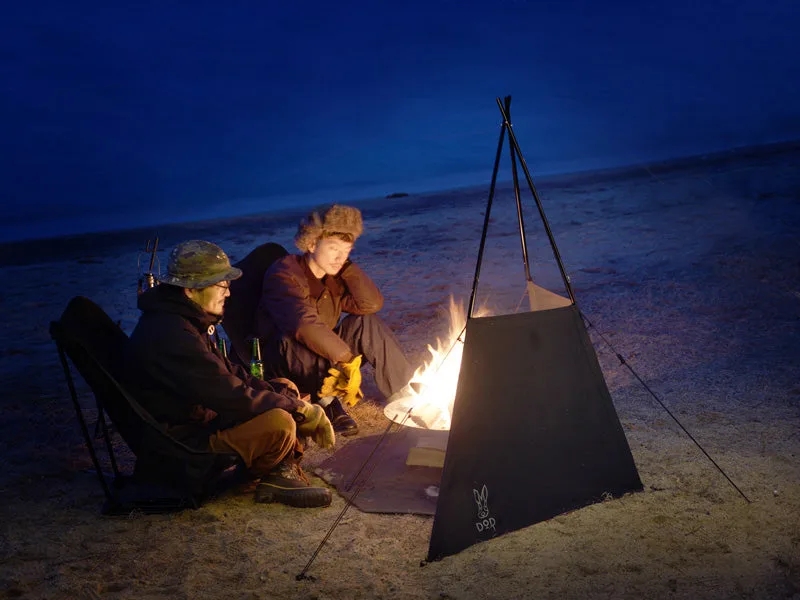
- Fire Break: The Fire Break is a teepee-style windbreak made from durable cotton material resistant to spark damage. If you use a fire shield near your chairs, keep sparks and heat away from synthetic chair fabric, which is far more vulnerable than the cotton windbreak.
Outdoor chair care is mostly about three habits: clean it, dry it, and store it dry. Do that and a good camp chair will keep its comfort and structure for many seasons, whether it is a fixed model or an adjustable one like the Sugoi Chair.