Does your dog ever turn up their nose at the same bowl of food day after day? You're not alone. Many pet parents notice that their furry friends get bored with repetitive meals, leading to picky eating or reduced appetite. The solution might be simpler than you think: feeding a variety pack of single-serve bowls. Rotational feeding—switching between different proteins and recipes—is gaining popularity among veterinarians and nutritionists for its potential health benefits. In this guide, we'll explore why offering your dog a variety pack of single-serve meals can improve their overall well-being, and how to do it safely and effectively.
Whether you have a puppy, an adult dog, or a senior companion, rotating their food can provide a broader range of nutrients, reduce the risk of developing food sensitivities, and keep mealtime exciting. With single-serve bowls, portion control becomes effortless, and you can easily introduce new flavors without committing to a whole bag or case. Let's dive into the science and practical tips behind rotational feeding with variety packs.
What Is Rotational Feeding and Why Does It Matter?
Rotational feeding is the practice of regularly switching your dog's diet between different protein sources, recipes, or brands. Instead of feeding the same kibble or wet food every day, you offer a rotation of meals—for example, turkey one day, salmon the next, and beef later in the week. This approach mimics the natural variety that wild canines would encounter in their diet. Proponents argue that it helps prevent nutrient deficiencies, supports a healthy gut microbiome, and reduces the likelihood of your dog developing allergies to a single protein.
For many dogs, eating the same food day in and day out can lead to mealtime boredom or even food aversion. Rotational feeding keeps their palate engaged and can encourage picky eaters to finish their bowls. Additionally, exposing your dog to multiple protein sources early on may help them tolerate new foods better later in life, which is especially useful if you ever need to switch diets due to health concerns or product availability.
- Rotational feeding can help prevent the development of food sensitivities by diversifying the proteins your dog consumes.
- Switching between recipes supports a more balanced intake of vitamins, minerals, and amino acids.
- Variety in texture and flavor can improve your dog's overall enthusiasm for mealtime.
Why Choose a Variety Pack of Single-Serve Bowls?
Single-serve bowls are the perfect vehicle for rotational feeding. Unlike multi-serving cans or bags that require you to commit to one recipe for days or weeks, single-serve portions let you offer a different protein at every meal without waste. This is especially helpful for small-breed dogs or those with sensitive stomachs, as you can control exactly how much they eat and monitor their reaction to each new food. Many pet owners find that using a dog variety pack simplifies meal prep and ensures that their dog gets a diverse nutrient profile over the course of a week.
A variety pack of single-serve bowls also makes it easy to introduce novel proteins like duck, venison, or fish. For dogs with suspected allergies to common proteins such as chicken or beef, rotating through less common options can help identify triggers while still providing complete and balanced nutrition. Plus, the convenience of pre-portioned bowls means you can grab and serve, making busy mornings or travel much easier.
- Single-serve bowls eliminate guesswork: each portion is perfectly sized for one meal.
- Variety packs allow you to test multiple flavors without buying large quantities of each.
- They are ideal for dogs with allergies because you can systematically introduce new proteins.
How to Start Rotational Feeding with a Variety Pack
If your dog has been eating the same food for months, it's important to transition slowly to avoid digestive upset. Start by mixing a small amount of the new single-serve bowl with their current food, gradually increasing the proportion over 5 to 7 days. For example, begin with 25% new food and 75% old food, then move to 50/50, then 75/25, and finally 100% new. If your dog shows signs of loose stool or vomiting, slow down the transition and consult your veterinarian.
Once your dog is comfortable with the new food, you can begin rotating more freely. A simple schedule might be: Monday – turkey recipe, Tuesday – salmon recipe, Wednesday – duck recipe, and so on. Keep a log of which proteins you've fed and any reactions you observe. This will help you identify favorites and potential sensitivities. Remember that variety doesn't mean chaos—stick to high-quality, complete and balanced recipes to ensure your dog gets all necessary nutrients regardless of the flavor.
- Transition gradually over 5–7 days to minimize digestive upset.
- Keep a simple feeding journal to track which proteins your dog enjoys and tolerates well.
- Always choose single-serve bowls that are labeled as complete and balanced for your dog's life stage.
Nutritional Benefits of Rotating Proteins and Recipes
Feeding your dog a rotation of different proteins provides a more diverse amino acid profile. For instance, turkey is rich in tryptophan and phosphorus, while salmon offers omega-3 fatty acids that support skin and coat health. By alternating between recipes like Turkey & Salmon Hearty Stew Wet Dog Food and Surf & Turf Pâté for Dogs, you ensure your dog receives a broader spectrum of nutrients than any single recipe could provide. This can be especially beneficial for active dogs or those with specific health goals.
Rotational feeding may also support gut health. A varied diet encourages a more diverse gut microbiome, which is linked to better digestion, immune function, and even mood. Additionally, exposing your dog to different textures—from stews and pâtés to meatballs—can keep their chewing and swallowing skills sharp. For dogs on a raw or freeze-dried raw diet, variety packs can also help transition them to new protein sources without overwhelming their system.
- Different proteins offer unique nutrient profiles; rotating them prevents gaps in nutrition.
- Omega-3s from fish-based recipes support joint health and a shiny coat.
- A diverse gut microbiome is linked to stronger immunity and better digestion.
Practical Tips for Using Single-Serve Variety Packs
To get the most out of your dog variety pack, store the bowls in a cool, dry place and check expiration dates before serving. If you're using frozen single-serve bowls, thaw them in the refrigerator overnight for best texture and safety. Always serve at room temperature—cold food can be less appealing and may cause stomach discomfort. Mix the contents well before serving to ensure even distribution of nutrients and any added supplements.
Variety packs are also great for training or enrichment. Use a small portion of a new flavor as a high-value reward during training sessions. For example, Turkey & Salmon Freshly Crafted Meatballs for Dogs can be broken into bite-sized pieces and used as a training treat. This not only reinforces positive behavior but also introduces your dog to new flavors in a fun, low-pressure way. Just remember to account for these extra calories in your dog's daily intake to prevent overfeeding.
- Store single-serve bowls according to package instructions to maintain freshness.
- Serve food at room temperature to enhance aroma and palatability.
- Use variety pack portions as training treats to build positive associations with new flavors.
Common Concerns About Rotational Feeding
Some pet parents worry that switching foods too often will cause digestive problems. While it's true that sudden changes can upset a dog's stomach, a gradual transition and sticking to high-quality, balanced recipes minimizes this risk. Dogs with very sensitive stomachs may benefit from a slower rotation—for example, sticking with one protein for a week before switching. Always consult your veterinarian if your dog has a history of gastrointestinal issues.
Another concern is that rotational feeding might lead to picky eating. In reality, offering variety often reduces pickiness because dogs learn that mealtime is exciting and unpredictable. However, if your dog starts refusing a previously accepted food, it may be a sign of an underlying issue, such as a food intolerance or dental pain. Monitor your dog's behavior and consult your vet if you notice persistent refusal or other symptoms.
- Gradual transitions and high-quality recipes help minimize digestive upset.
- Rotational feeding can actually reduce picky eating by keeping mealtime interesting.
- Always monitor your dog's reaction to new foods and consult your vet if concerns arise.
Ready to give your dog the benefits of rotational feeding with a convenient variety pack? Explore the Morsels in Gravy Variety Pack for Cats (yes, dogs can enjoy these too!) or check out our selection of single-serve bowls designed to make mealtime both nutritious and exciting. Your dog will thank you with every happy wag.
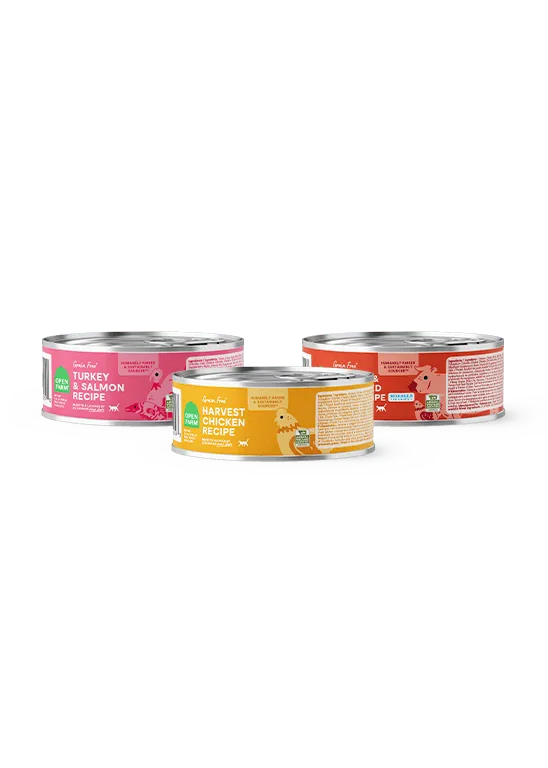
Morsels in Gravy Variety Pack for Cats