Quick answer
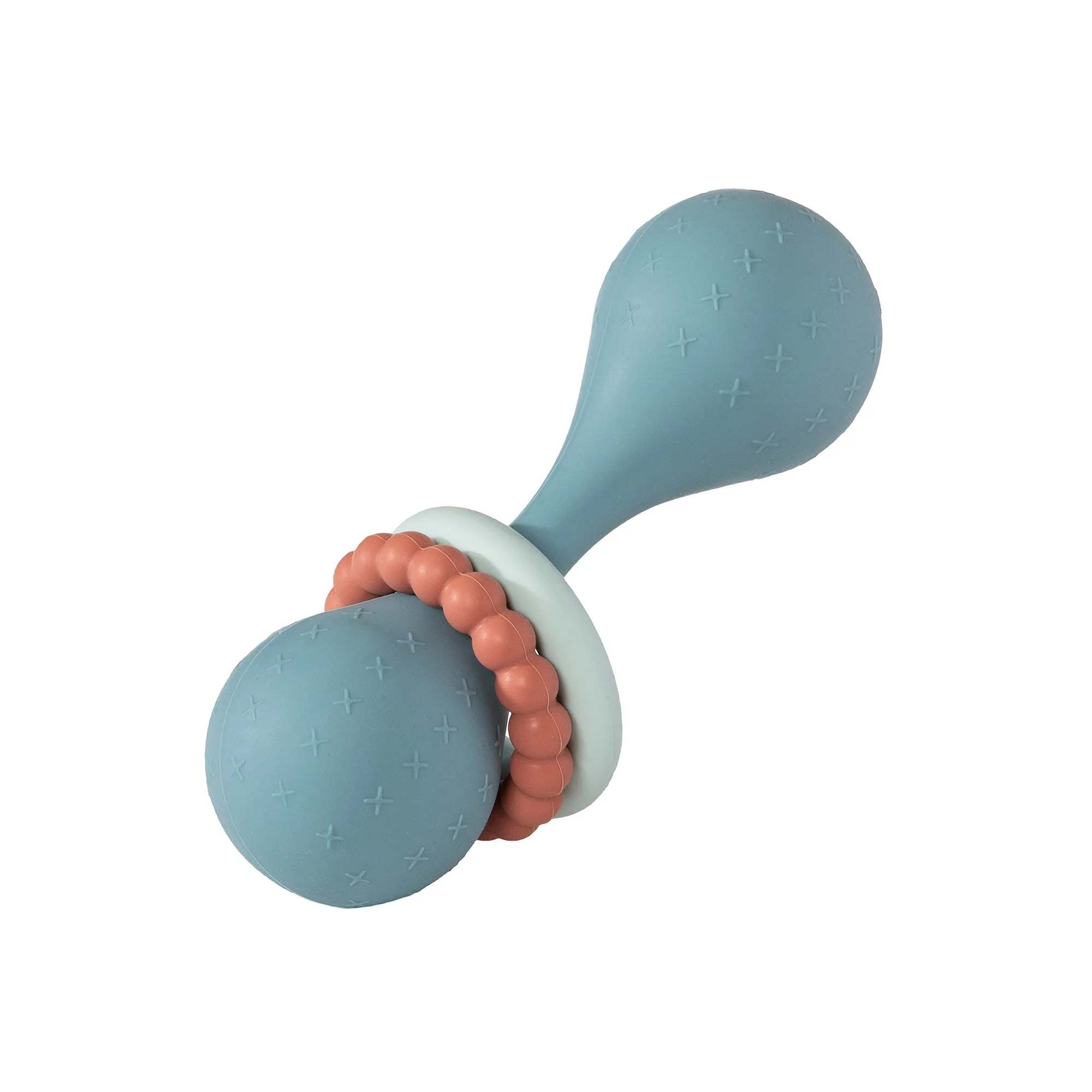
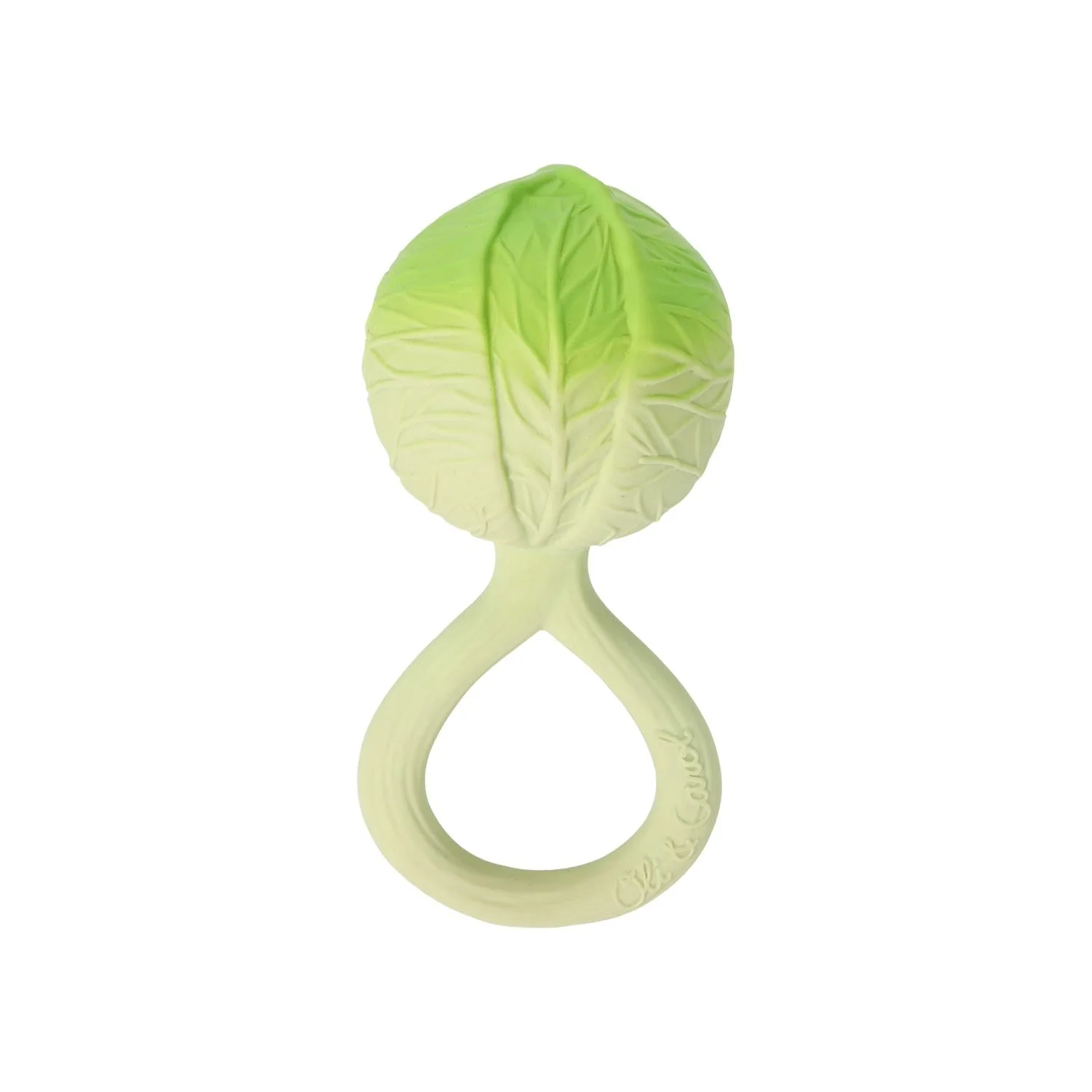
Start with the age and stage, then pick two or three open-ended toys that work in more than one place: a teether that also rattles, a bath toy that also soothes gums, a small grippable rattle. Skip candy and tiny loose parts. If you want a shortcut, a natural rubber teether, rattle and bath toy in one covers teething, sensory play, and bath time without crowding the stocking.
Match the toy to the stage, not the stocking size
A newborn stocking and a toddler stocking need different contents. For a baby under six months, the priority is mouthing and grasping: lightweight shapes, soft edges, and a rattle sound that is gentle rather than loud. For a toddler, the same toy has to survive being carried, dropped, and chewed while the child is mobile. Check the age recommendation on each item before you buy, and treat it as a floor, not a suggestion. If a toy says 0+ months, it is designed for the earliest grip and mouthing stage. If a toy has no age guidance in the listing, that is a reason to keep looking rather than guess.
Choose multi-purpose toys so the stocking stays useful in January
The most common stocking mistake is buying single-use toys that lose their appeal once the wrapping paper is gone. Multi-purpose toys earn their space because they rotate through the day: a teether during a fussy afternoon, a rattle during tummy time, a bath toy at night. That rotation is what makes a small toy feel like a real gift rather than clutter. Natural rubber is a practical material here because it is soft enough for gums and durable enough for water. Look for toys described as BPA-, phthalate-, and PVC-free, and check whether the paint is water-based, since babies put everything in their mouths.
Keep the stocking safe: size, parts, and materials
Run a simple safety check before anything goes in the stocking. Anything small enough to pass through a toilet paper tube is a choking risk for a baby or young toddler, so avoid loose beads, tiny caps, and detachable parts. For bath toys, check whether water can get trapped inside, because a toy that stays wet inside can grow mildew; that is a design limitation worth asking about if the listing does not say. For teethers, confirm the material and finish rather than assuming. A toy that is hand-painted with water-based ink and certified under a recognized standard gives you a clearer paper trail than an unlabeled one.
Balance the stocking: one comfort toy, one active toy, one practical extra
A stocking reads better when it has a small variety of roles rather than five versions of the same thing. Try one comfort item, one toy that makes noise or invites movement, and one practical extra such as a bath item or a spare teether for the diaper bag. This structure also helps you avoid overbuying, because each item has a job. If you are building a first Christmas stocking, keep it to three or four pieces; a baby that age is more interested in one toy they can hold than a pile they cannot.
Steps to build the stocking
- Step 1: Set the age and stage: Write down the child's age in months and whether they are mouthing, sitting, or walking. Use that to filter every item before you look at price or theme. Checkpoint: if you cannot say which stage a toy is for, leave it out.
- Step 2: Pick two or three multi-purpose toys: Choose items that work in more than one setting, such as a teether that also rattles or a bath toy that also soothes gums. Natural rubber options in this format are designed for exactly that overlap. Common mistake: buying several single-use toys that are forgotten by January.
- Step 3: Run the safety check: Confirm the age recommendation, check for loose or detachable parts, and verify the material and paint. For bath toys, ask whether water can drain, since trapped moisture is a mildew risk. Checkpoint: no age guidance or unclear materials means keep looking.
- Step 4: Balance the mix: Aim for one comfort item, one active or noisy item, and one practical extra. Keep a first Christmas stocking to three or four pieces total. Common mistake: filling the stocking with duplicates of the same toy type.
- Step 5: Test the stocking before wrapping: Lay everything out and check that each item has a clear use in the child's daily routine. If an item has no obvious moment in the day, replace it with something that does. Next step: wrap the multi-purpose pieces loosely so they can be used right away.
Stocking-friendly picks that do more than one job
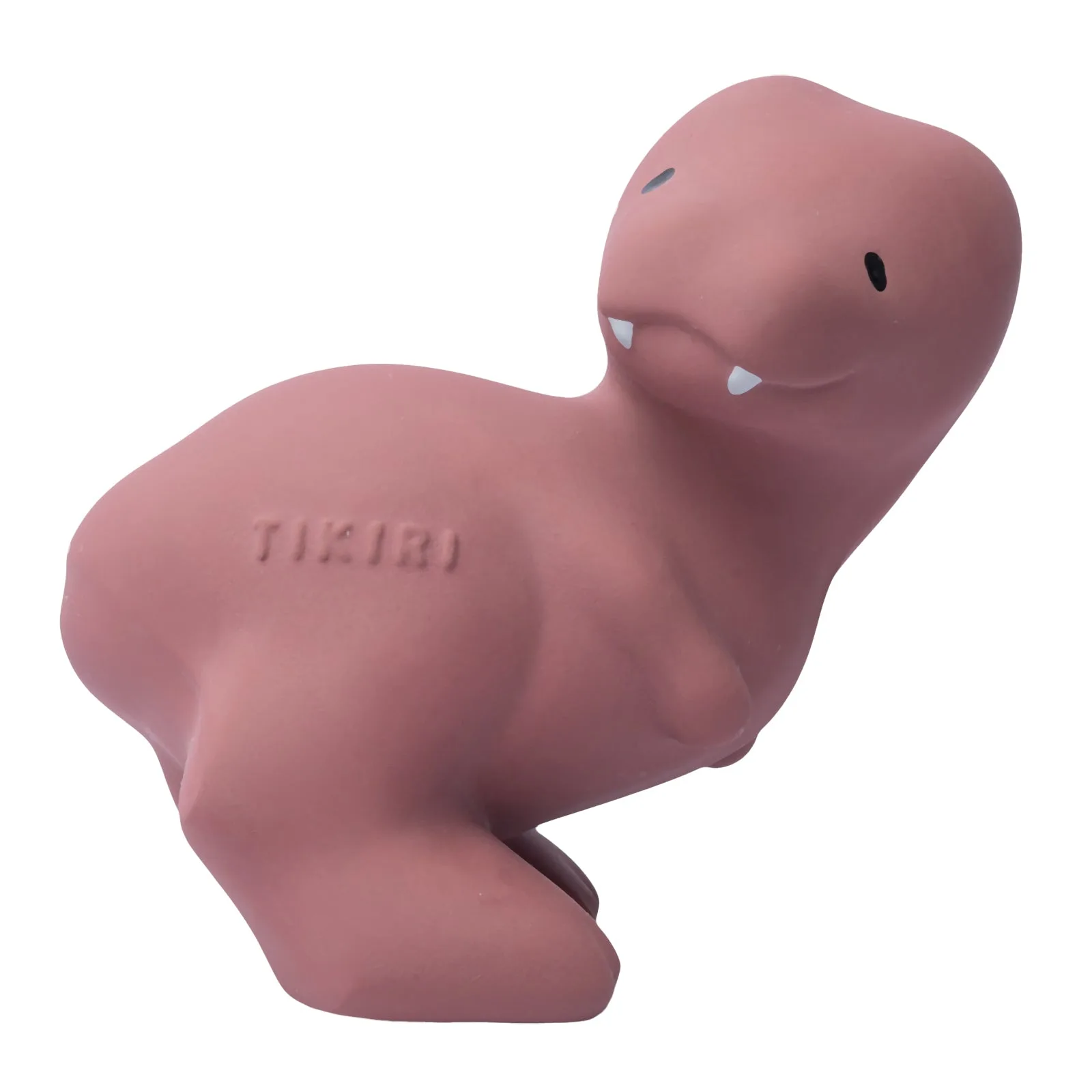
- T-Rex Natural Rubber Teether, Rattle & Bath Toy: T-Rex Natural Rubber Teether, Rattle & Bath Toy, hand-painted with water-based ink and GOLS Certified. A single item covers teething, rattle play, and bath time, so it earns its place in a small stocking and stays in rotation after the holidays.
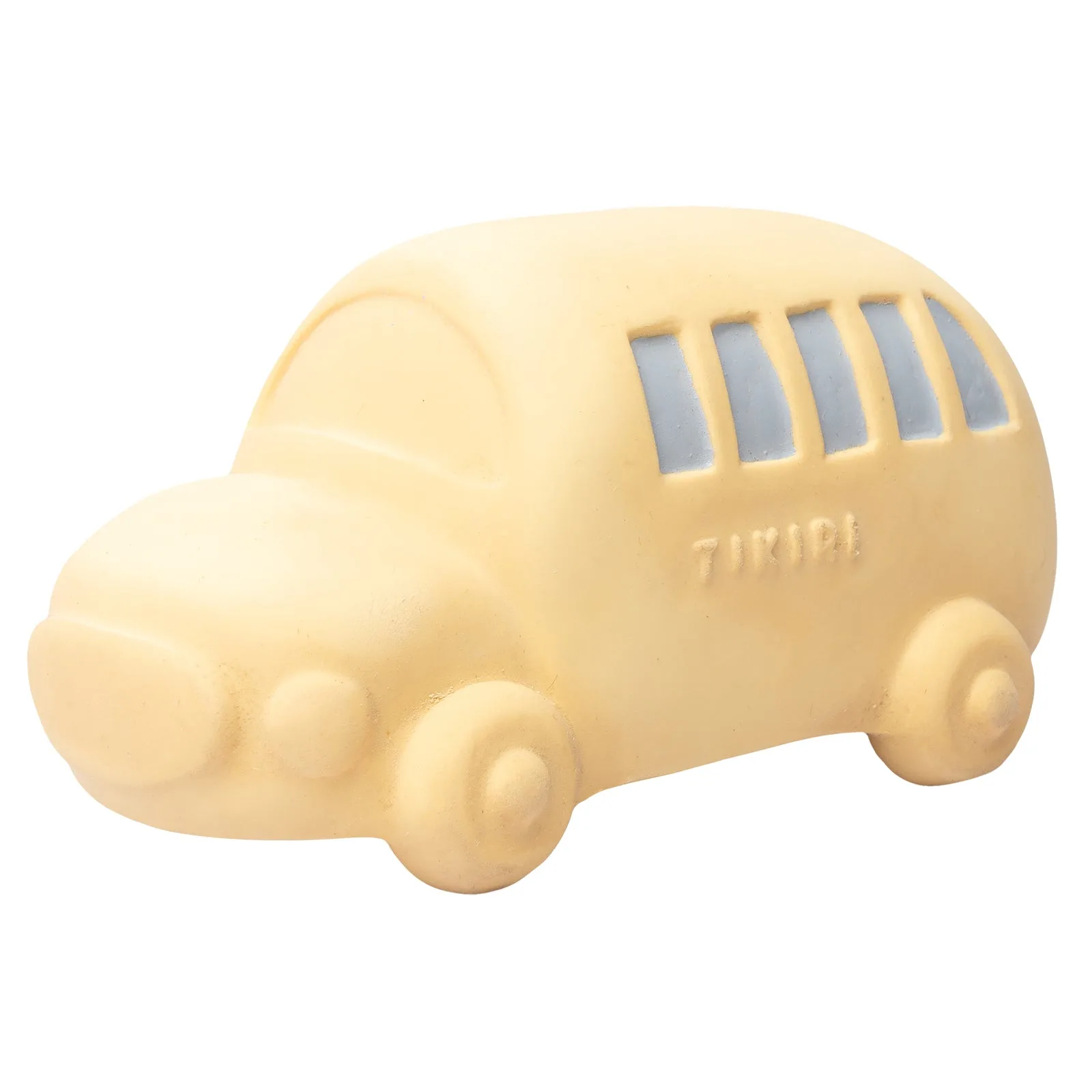
- Bus Teether, Rattle & Bath Toy: Bus Teether, Rattle & Bath Toy from the Vroom Vroom collection, made from GOLS-certified natural rubber, BPA-, phthalate-, and PVC-free, with an in-built rattle and easy-grip shape for 0+ months. The 0+ age guidance and grip design make it a safe first stocking filler for a newborn, and the material details answer the safety questions parents ask first.
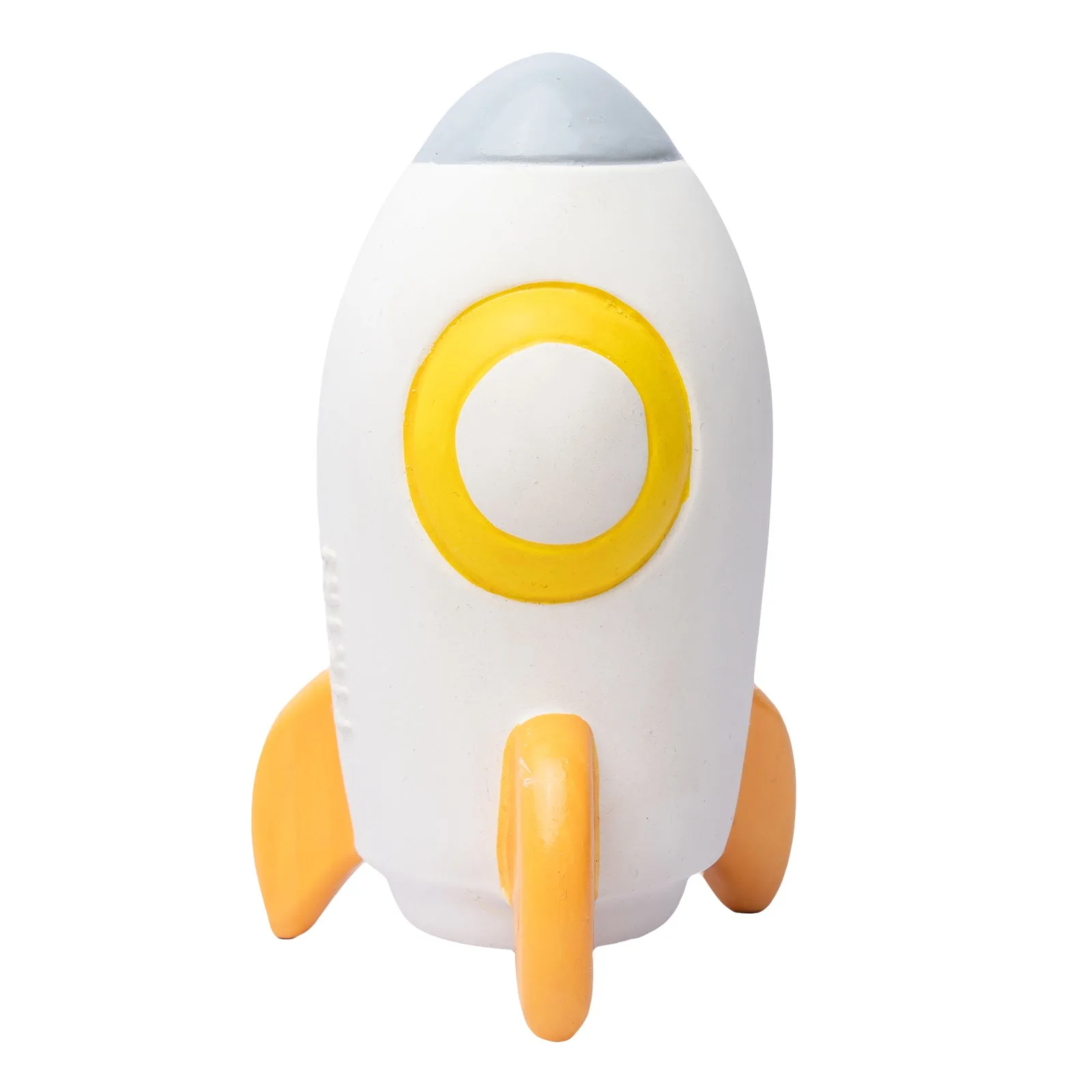
- Rocket Teether, Rattle & Bath Toy: Rocket Teether, Rattle & Bath Toy, hand-painted with non-toxic water-based paint and made from pure natural rubber. A third shape in the same multi-purpose format lets you vary the stocking without adding a new category of toy to store.