Quick answer
Measure your waist and hip with a soft tape, then match those numbers to the brand's own chart rather than your jeans size. A correct fit sits flat at the waist, leaves no deep red marks, and gives the pouch room without riding up. If you're between sizes, size up for boxer briefs and trunks, and recheck after one wash.
Most guys buy underwear the way they buy socks: grab the same size forever and hope. Then a waistband digs in, legs ride up, or the pouch flattens everything out, and the blame goes to the brand instead of the fit.
The fix is a five-minute measurement and a few checkpoints you can test in front of a mirror. This guide walks through the exact order to measure, how to translate those numbers into boxer brief sizing or a trunk size chart, and the mistakes that quietly ruin an otherwise good pair.
Start with your actual measurements, not your jeans size
Jeans sizes lie. Denim stretches, vanity sizing varies by brand, and a 32 in denim can sit anywhere from a 31 to a 34 waistband. Underwear is cut closer to the body, so a 1-inch error is noticeable. Measure your natural waist, the narrowest point above your navel, and your hip at the fullest part of your seat, keeping the tape level and snug but not tight.
Write both numbers down. Waist drives the size you order; hip tells you whether a cut will ride up or bind. If your hip is more than about 4 inches larger than your waist, expect some cuts to pull at the leg opening, and prioritize styles with more stretch or a looser leg.
Checkpoint: measure over thin underwear, not over jeans or a thick sweatshirt. A measurement taken over clothing is the single most common reason a first order comes back the wrong size.
- Use a soft tape measure; a phone cable and ruler gives unreliable numbers.
- Measure twice, once relaxed and once after exhaling fully, and take the larger waist number.
Translate your numbers into boxer brief and trunk sizing
Once you have waist and hip, compare them to the specific chart for the style you want, because cuts are not interchangeable. A boxer brief covers more of the thigh and usually runs snug through the leg, so if your hip measurement sits at the top of a size range, the next size up is the safer call. A trunk stops higher on the thigh, so the leg opening has less fabric to grab and tends to feel looser at the same waist size.
If you are between sizes, use the style to decide. For compression-driven performance underwear, stay with your measured size so the fabric can do its job; for everyday cotton or mesh, size up if you dislike any pressure at the waistband. Never split the difference by ordering one size down hoping it will stretch into place.
Checkpoint: if two sizes both list your waist, choose based on hip and leg coverage, not on the number you wear in other brands.
- Trunk and boxer brief sizing can differ by one size in the same brand.
- Buy one pair in the new size before committing to a multi-pack.
Test how underwear should fit before you commit
Put the pair on and run four checks. First, the waistband should sit flat against your skin without folding or leaving a deep groove; a faint line after a full day is normal, a red mark within an hour is not. Second, the pouch should hold you without pressing you flat or letting you shift side to side when you walk.
Third, squat, sit, and take a few stairs. If the legs roll up or the back waistband drops, the size or cut is wrong for your build. Fourth, check the mirror for visible lines under trousers. A smooth silhouette usually means the fit is right; bunching at the hip or a visible ridge means you need a different cut, not a tighter one.
Checkpoint: do this test late in the day, when your body is at its normal size. A morning try-on can feel fine and then turn uncomfortable by evening.
- Wash the pair once before judging final fit; most fabrics relax slightly.
- If it fails two or more checks, return it rather than hoping it breaks in.
Match the cut to the activity, then recheck the size
Fit needs change with what you are doing. For the gym, you want compression and a pouch that stays put, which usually means staying true to your measured size. For lounging or sleep, a looser leg and softer waistband matter more, so a size up or a different cut can be the better choice even at the same waist measurement.
This is where an anatomical or padded design earns its keep. A pouch built to let everything hang naturally removes the need to size up for comfort, and padding adds shape without extra bulk. If a style is engineered for a specific job, trust the size chart for that style instead of forcing your usual number into it.
Checkpoint: if you need a belt-tightening fit to feel supported, the cut is wrong. Support should come from the design, not from a too-small waistband.
- Performance styles: stay at your measured size for compression.
- Everyday and sleep styles: size up if you prefer a relaxed feel.
Your five-step fit routine
- Step 1: Measure waist and hip: Use a soft tape over thin underwear. Record your natural waist and the fullest part of your hip, keeping the tape level. Checkpoint: remeasure if the two numbers differ by more than 4 inches; that gap affects which cut works.
- Step 2: Read the chart for that exact style: Match your numbers to the boxer brief or trunk chart separately, since the same brand can size them differently. Checkpoint: if you fall between sizes, decide by hip and leg coverage, not by your jeans size.
- Step 3: Try one pair before buying more: Wear it for a few hours, including sitting, walking, and stairs. Watch for waistband digging, leg roll-up, and shifting in the pouch. Checkpoint: a red mark within an hour means the size is wrong, not that you need to get used to it.
- Step 4: Wash once and reassess: Most fabrics relax slightly after the first wash. Recheck the waistband and leg openings while the pair is dry. Checkpoint: if it still fails two checks, exchange it before the return window closes.
- Step 5: Adjust by activity, not by habit: Stay at your measured size for compression styles and size up for relaxed everyday or sleep styles if you prefer less pressure. Checkpoint: support should come from the design, never from a waistband that is too tight.
How Rounderbum styles fit into this guide
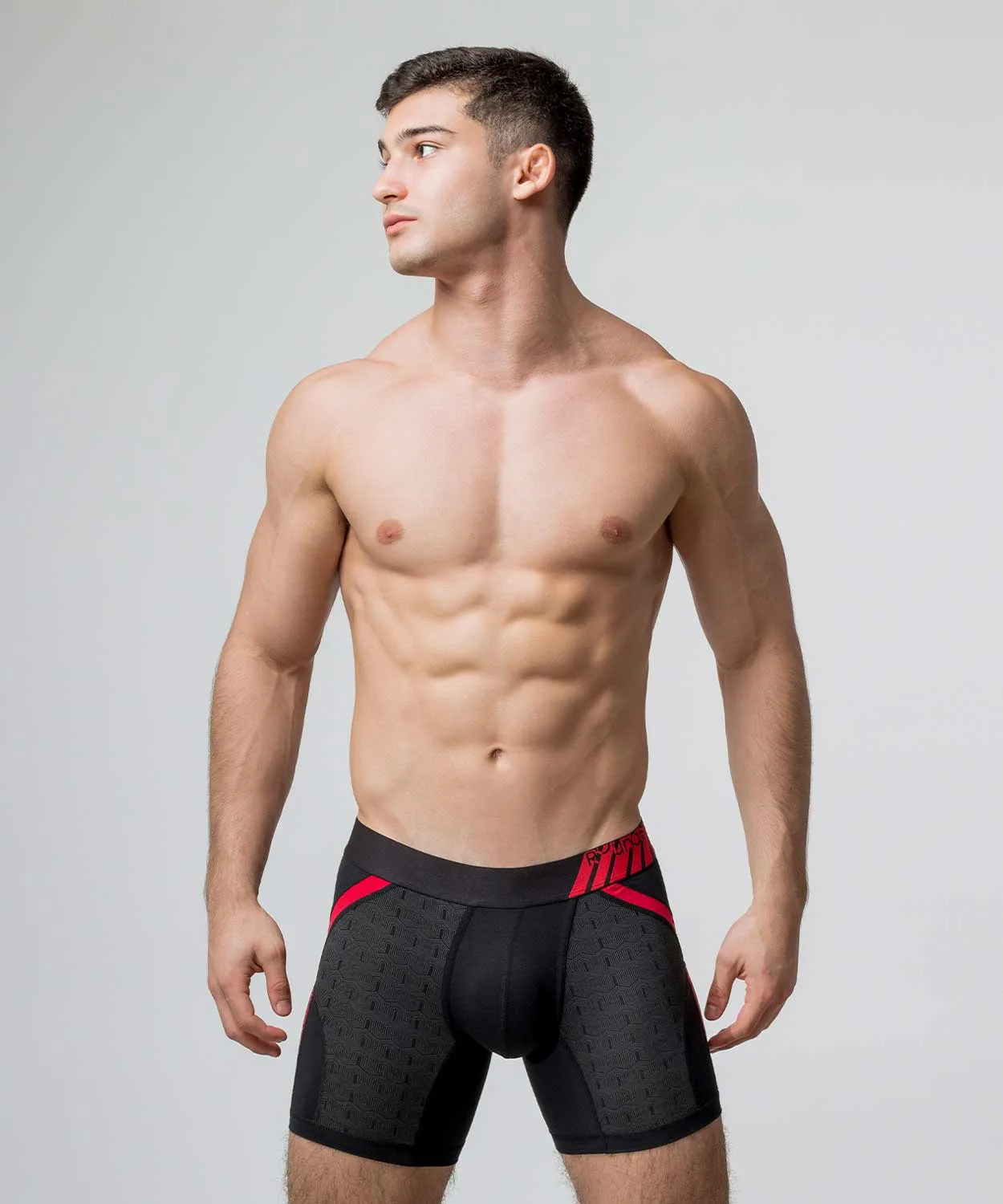
- WORKOUT Padded Boxer Brief: A performance boxer brief engineered for sports that need mobility, compression, and support, featuring the brand's patented padding. Because the fabric is meant to compress, order your measured waist size here rather than sizing up; a loose performance brief loses the support it was built to give.
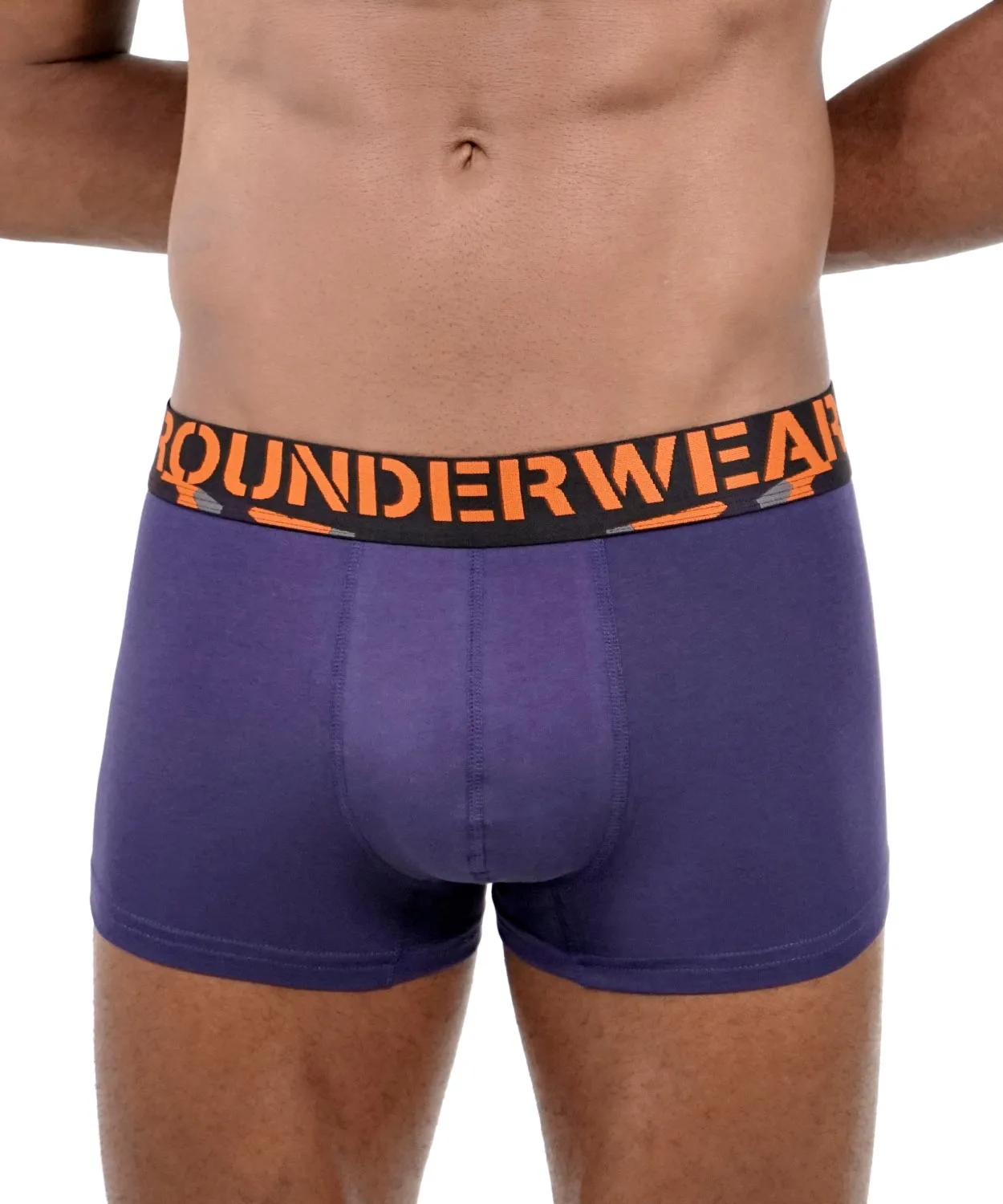
- HERO Anatomic Mini Trunk: A trunk with an anatomically correct patented design so everything can hang comfortably. The anatomical pouch removes the usual reason to size up for room, so your true waist measurement is the right starting point.
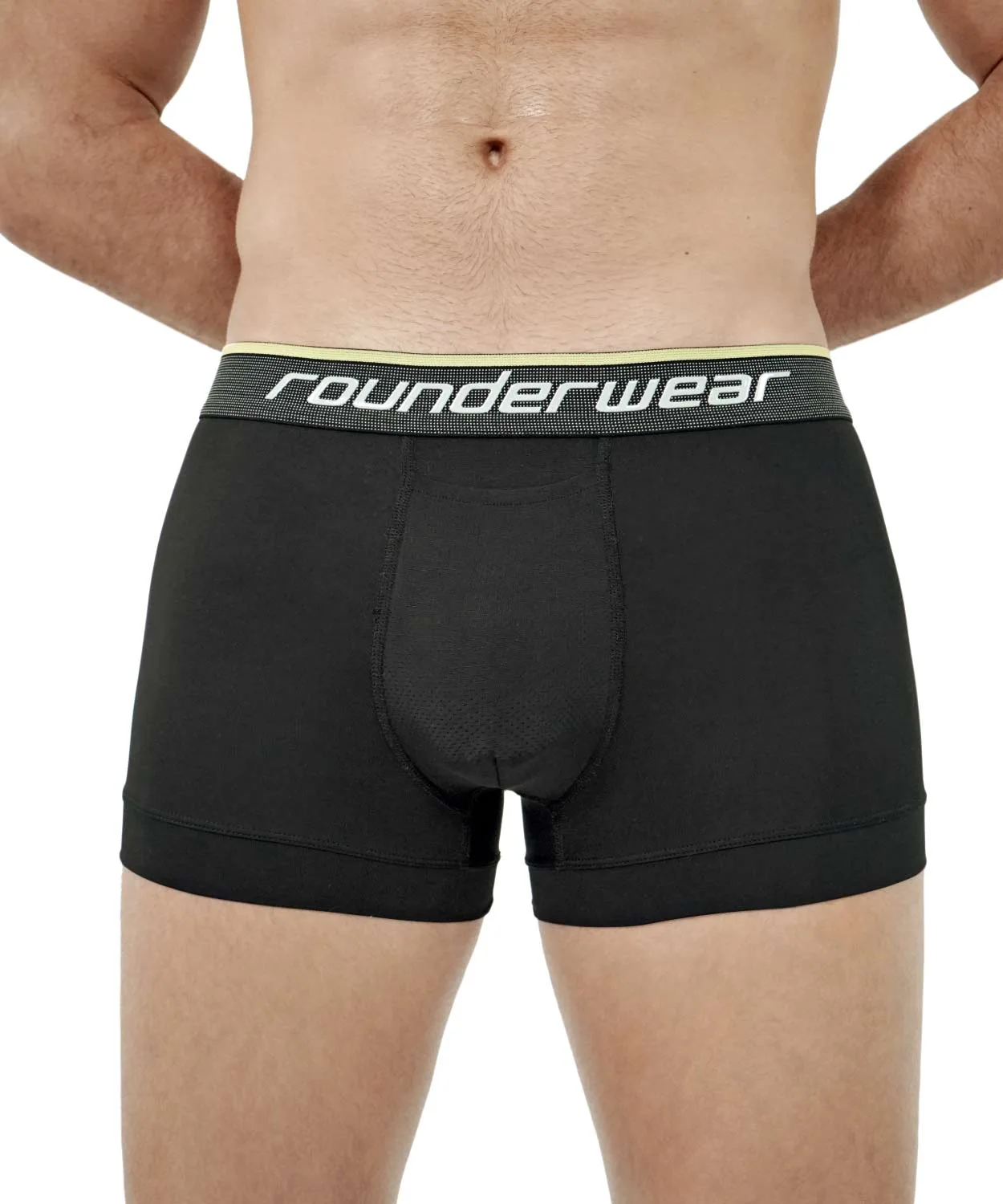
- SEXY SUMMER NIGHTS Anatomic Hipster Trunk: An ultra-light mesh trunk with an anatomically correct patented design and a V-shaped seam. Mesh has more give than cotton, so if you sit between sizes in a trunk, the smaller size is more likely to stay put without pressure.
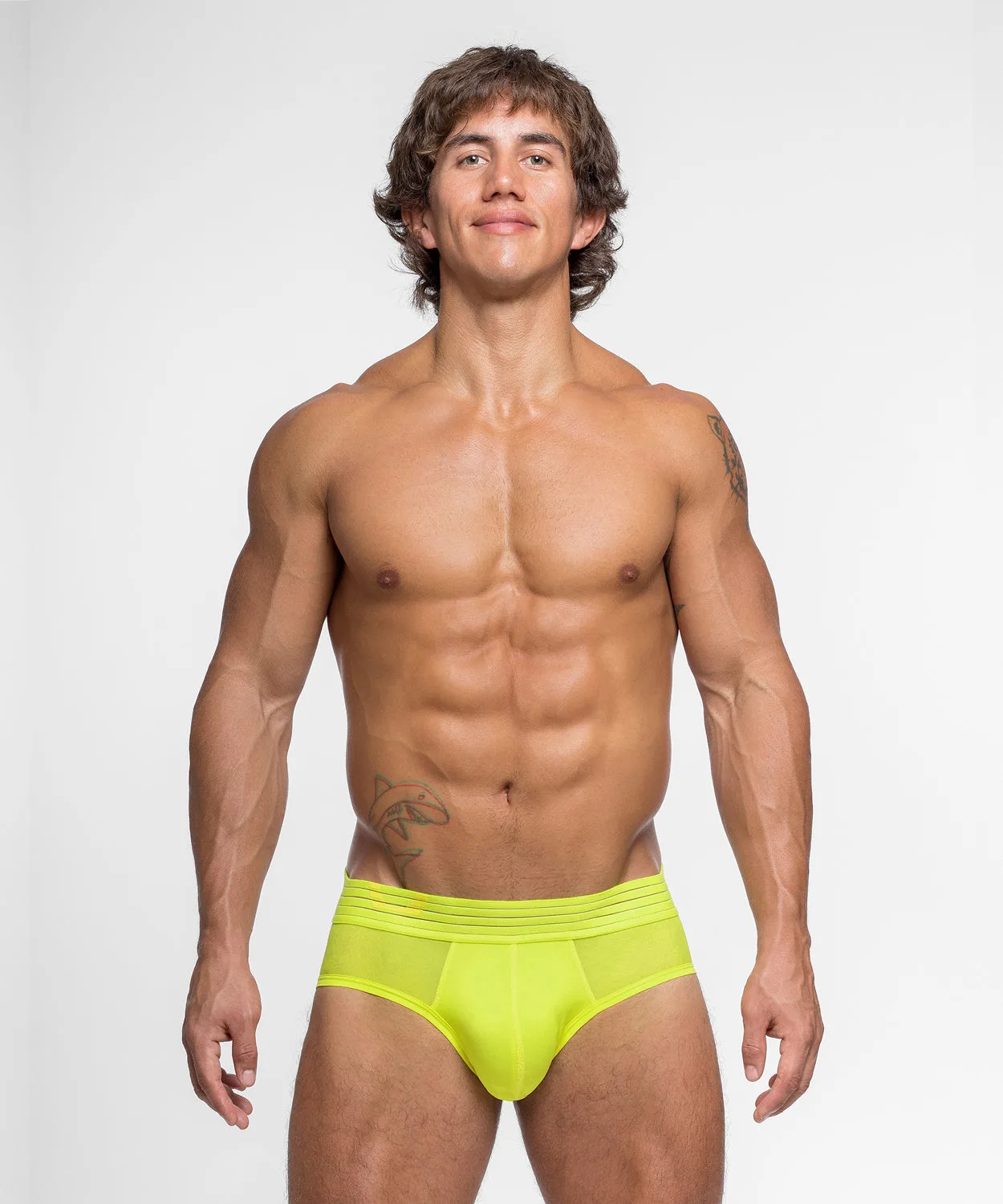
- WAVEFORM Lift Boxer: A loose-fitting lift boxer with an internal pouch and hidden elastics, designed so nothing peeks out. Loose boxers are the one cut where your usual size can feel baggy; check the leg opening and waistband together rather than the waist alone.
A perfect underwear fit comes down to two numbers, one chart, and an honest mirror test. Measure once, buy a single pair in the style you actually want, and let the fit, not the label, decide the size.