Quick answer
Measure your underbust snugly and your bust at the fullest point, then compare both numbers to the bralette size chart rather than guessing from your T-shirt size. Because wireless bralettes stretch, your underbust usually decides the band and your bust-to-underbust difference decides whether you need a roomier cup. If you land between sizes, size up for comfort.
Bralettes are forgiving, but that does not mean size does not matter. A band that rides up or a cup that digs in can turn a soft wireless style into something you want to take off by lunch. The good news: you can get a reliable fit at home with a soft tape, a mirror, and five minutes.
This guide walks through the exact order to measure and check fit, plus the mistakes that throw off bralette sizing most often. You will also see how real styles like the Amy Bralette and Holly Bralette are built, so you know what to expect from lace and power mesh before you order.
Before you measure: set up for an accurate reading
Wear an unlined bra or no bra at all, stand in front of a mirror, and keep the tape level around your body. A soft, flexible tape measure works best because it follows your shape instead of fighting it. If you do not have one, a piece of string and a ruler will do.
Write both numbers down in inches or centimeters and stay consistent. Converting halfway through is one of the most common reasons people end up with the wrong bralette size. Keep the tape snug but not tight, and breathe normally so the measurement reflects your real body, not a held breath.
- Checkpoint: the tape should sit level all the way around, not dip at the back.
Step 1: Measure your underbust for band size
Wrap the tape directly under your bust, where the band of a bra would sit, and pull it snug. This is your underbust measurement, and it is the number that most bralette size charts use to set the band. Round to the nearest whole number and note it down.
If your underbust falls between two sizes on a chart, choose the larger one. Wireless bralettes rely on stretch lace and mesh for support, so a band that is slightly generous will still hold, while one that is too small will roll and dig in. This is the single most useful number in any bralette size guide.
- Common mistake: measuring over a padded bra, which adds inches that are not yours.
Step 2: Measure your bust at the fullest point
Wrap the tape around your back and across the fullest part of your bust, usually level with your nipples. Keep it parallel to the floor and do not pull it tight. This is your bust measurement, and the difference between it and your underbust tells you how much cup room you need.
A small difference points to a style with less coverage, while a larger difference means you should look for a bralette with more stretch or a wider band. This is where small bust bralette fit gets easier: you can often wear a simpler shape without worrying about spillage.
- Checkpoint: the tape should touch your back at the same height as the front.
Step 3: Compare both numbers to the size chart
Most bralette charts list a band range and a suggested cup range. Match your underbust first, then use your bust measurement to confirm the cup. If your underbust says small but your bust says medium, trust the larger size for comfort, especially in lace styles with limited stretch.
Do not assume your usual clothing size carries over. A size 10 dress does not guarantee a medium bralette, because bralettes are sized around the ribcage and bust, not the waist or hips. When a chart only gives one number, treat it as the band and let the fabric's stretch handle the rest.
- Common mistake: picking a size based on the cup letter you wear in a wired bra.
Step 4: Check the band, straps, and cup in the mirror
Once the bralette is on, the band should sit level and stay put when you raise your arms. Straps should lie flat without pressing grooves into your shoulders, and the cup should cover you without gaping or cutting in. Move around, reach overhead, and bend forward to see how it behaves.
If the band rides up, it is too loose. If the band digs in or the cup spills, it is too small. A wireless bralette will feel softer than a wired bra, but it should still feel secure. That security is what separates a bralette you wear all day from one you change out of.
- Checkpoint: if you can slide two fingers under the band comfortably, the fit is close.
Step 5: Adjust for fabric and style
Lace and power mesh behave differently from cotton or modal. Reinforced lace lined with power mesh, like the construction used in the Amy Bralette, offers lift and comfort, but it has less give than a simple stretch style. If you are between sizes in a structured lace bralette, size up.
Styles with a cross-over or statement back, such as the Kristy Bralette, may fit differently across the bust because the design changes where the fabric pulls. Read the product description for construction details and use your measurements as the starting point, not the final word.
- Common mistake: expecting a lace bralette to stretch the same as a seamless one.
Step 6: Re-measure if the fit feels off
If the bralette does not feel right, re-measure before you assume the size is wrong. Bodies change with cycle, weight, and even time of day, so a measurement from months ago may no longer be accurate. A fresh underbust and bust reading takes two minutes and saves a return.
Keep a note of your measurements and the size that worked in each style. Over time, that personal chart becomes more useful than any generic bralette size guide, because it reflects how your body fits real products rather than average numbers.
- Checkpoint: re-measure every six months or after any significant weight change.
Your at-home bralette sizing steps
- Measure your underbust: Wrap a soft tape snugly under your bust, level all the way around, and round to the nearest whole number. This number sets your band size in almost every bralette chart.
- Measure your bust: Wrap the tape across the fullest part of your bust, keeping it parallel to the floor and not tight. The difference between bust and underbust tells you how much cup room you need.
- Match to the size chart: Use your underbust for the band and your bust for the cup. If you fall between sizes, choose the larger one. Never size from your dress size alone.
- Try the bralette and move: Check that the band stays level, straps lie flat, and the cup covers without gaping or digging. If the band rides up, size down; if it digs in, size up.
- Adjust for fabric: Structured lace and power mesh have less stretch than seamless styles, so size up in between sizes. Read the product description for construction details before ordering.
- Re-measure when fit changes: Bodies change over time, so take fresh measurements if a bralette that used to fit starts to feel off. Keep a personal size note for each style that works.
How real bralettes are built
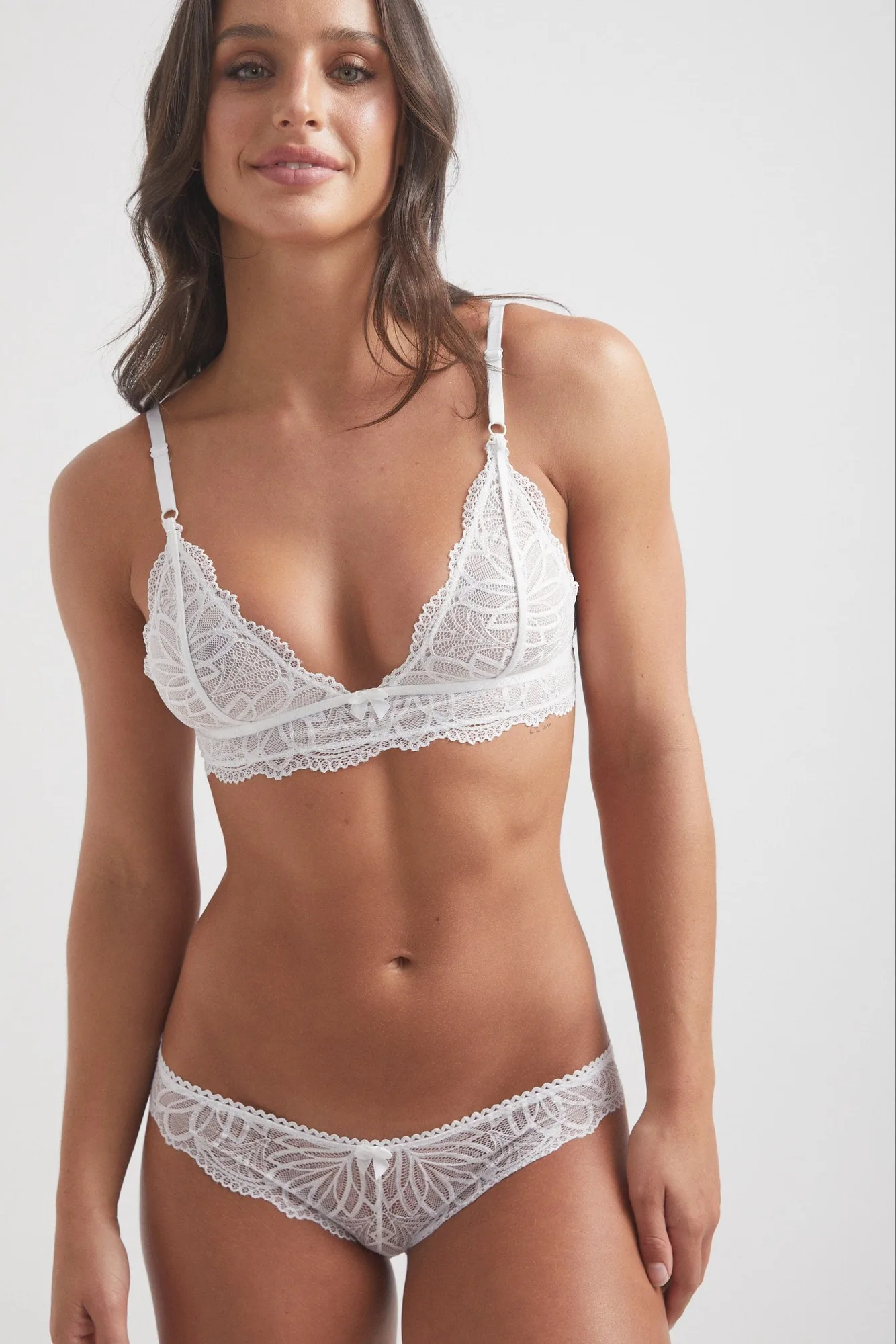
- Amy Bralette - White: Reinforced lace lined with power mesh offers lift and comfort, and it is available in White and Smokey Blue. The power mesh lining adds structure, so if you are between sizes, choose the larger one for a comfortable band.
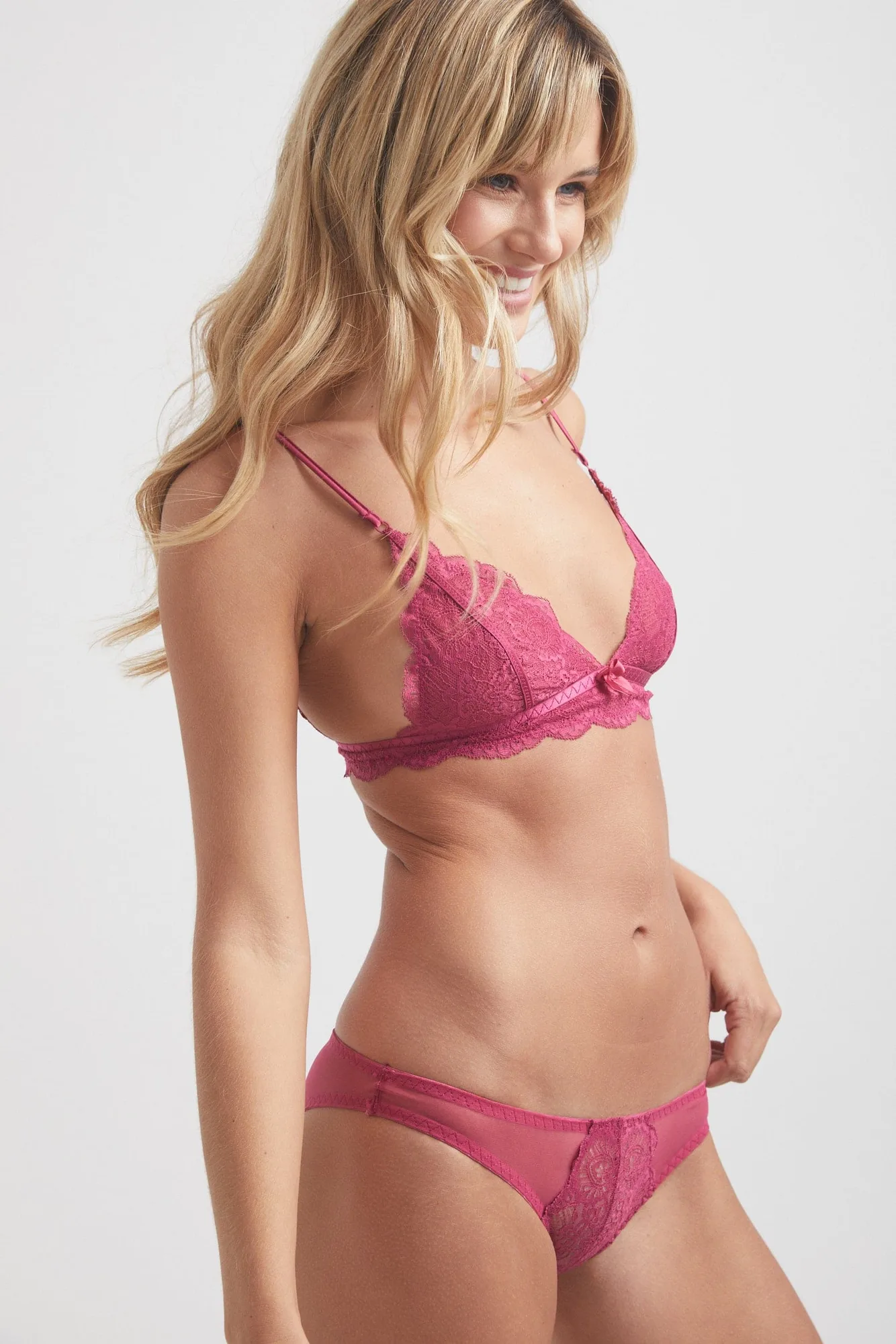
- Holly Bralette - Sangria: Soft-to-the-touch lace with buttery-soft power mesh lining, silky straps, and an exposed statement back. The statement back changes where the band sits, so check that the back strap lies flat before deciding on size.
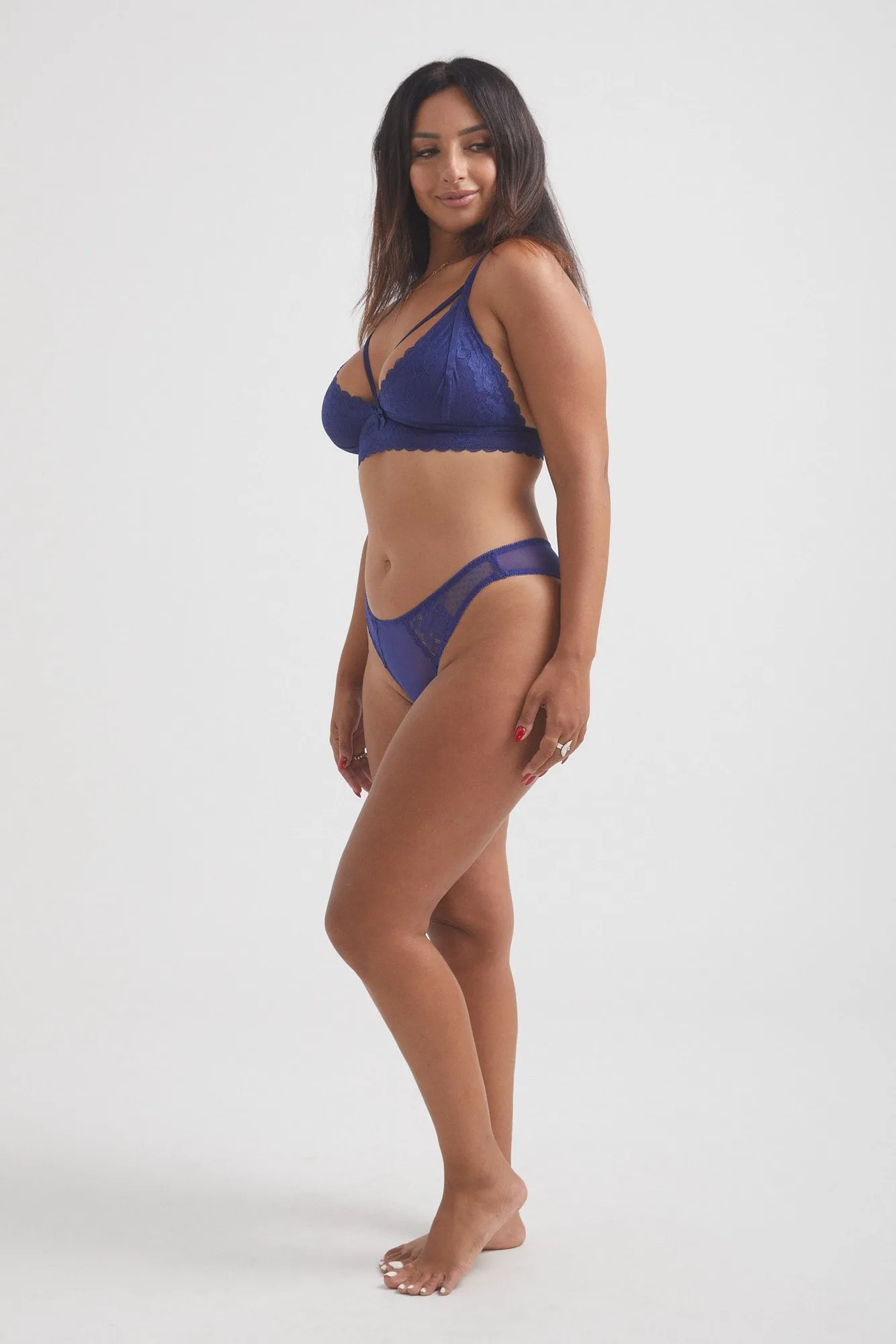
- Kristy Bralette - Magnetic Blue: Satin cross-over design on the bust, meant to be worn with a sheer shirt, blazer, or on its own. A cross-over front can feel tighter across the bust, so use your bust measurement to confirm you have enough room.
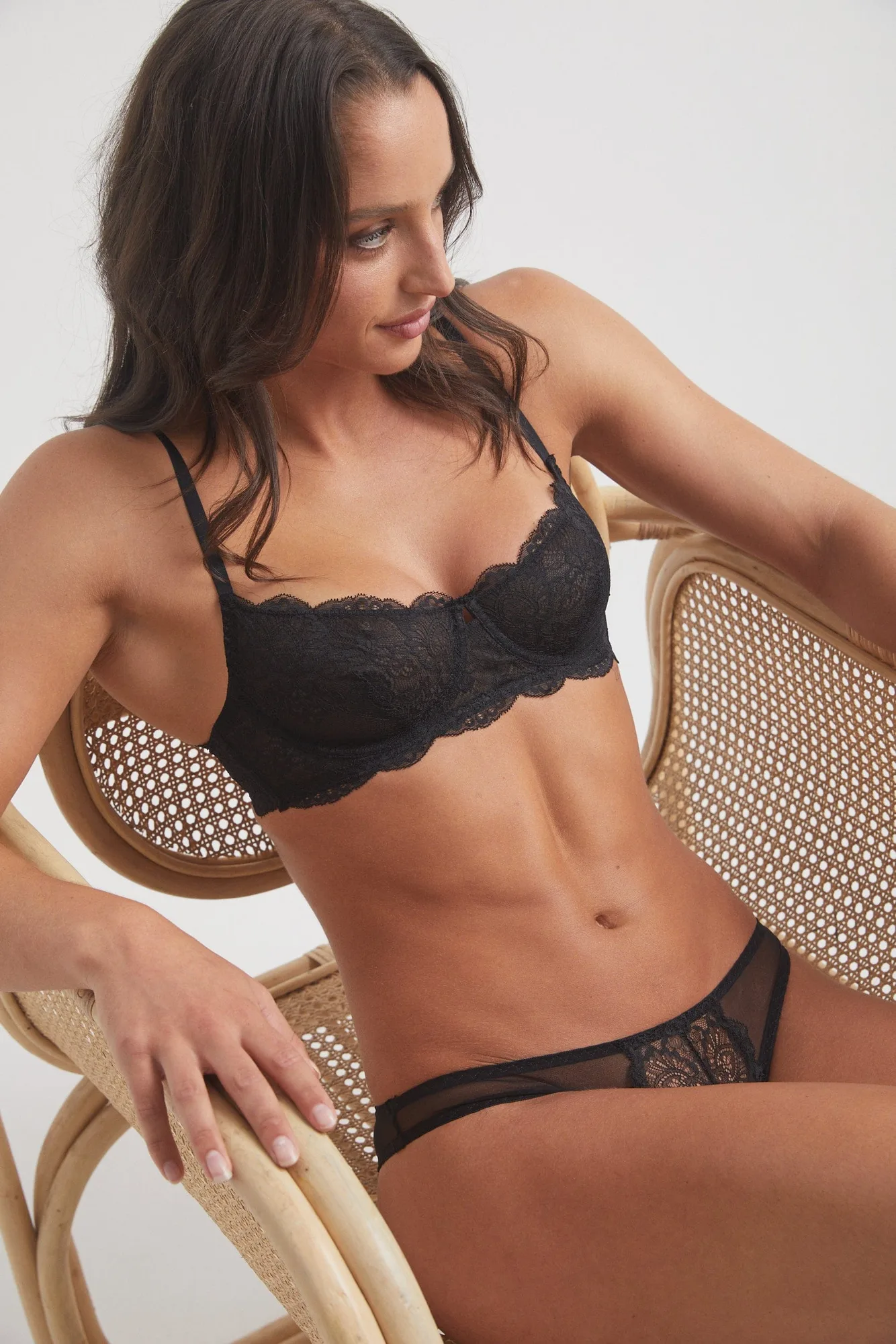
- Sophie Bra - Black: Underwire bra with soft power mesh lining and stretch lace exterior, plus lace detail on the back straps. If you want more structured support than a wireless bralette, this style shows how underwire and stretch lace work together.
Finding your bralette size at home comes down to two honest measurements and a willingness to size up when you are between numbers. Start with your underbust, confirm with your bust, and let the fabric and construction guide the final call. Once you know your numbers, every wireless bralette you order gets easier to get right.