Quick answer
Measure your foot in the afternoon, then match that length to the sock brand's own size chart instead of your shoe size. Choose a height that matches your shoe and activity, and check the fit at the heel, arch, and toe. If a sock slides, bunches, or pinches on the first wear, that size or style is wrong for you.
Most sock problems start before you put them on: you grabbed a size based on your sneakers, not your feet. Shoe size is a starting point, but sock fit depends on foot length, sock height, and how the knit behaves on your arch and heel.
This guide walks through the exact steps to find your sock size and fit, from measuring your foot to testing a pair at home. It also covers the difference between crew and low-cut socks, and the details that separate a sock that stays put from one that slides into your shoe.
Start with your foot, not your shoe size
Stand on a sheet of paper with your heel against a wall. Mark the tip of your longest toe, then measure from the wall to that mark in inches or centimeters. Do this in the afternoon or after walking, because feet swell slightly during the day and a morning measurement can send you into a size that feels tight by evening.
Measure both feet and use the longer one. Most people have one foot slightly larger, and sizing to the smaller foot is a common reason a sock feels tight on one side. Write the number down and keep it in your phone so you can check it against any sock sizing chart later.
- Common mistake: measuring over a thick sock. Measure barefoot for the most accurate number.
- Checkpoint: if your two feet differ by more than about half a size, always size to the larger foot.
Match your measurement to the brand's sock sizing chart
Sock sizing charts vary by brand, so use the chart on the product page rather than a generic conversion. A men's sock size guide usually lists ranges like medium and large based on foot length, and those ranges can shift between styles. If your measurement lands at the edge of a range, think about how you want the sock to feel: snug for sport, slightly relaxed for lounging.
Pay attention to the available options. Pair of Thieves socks list Size and Color as option types, so you can pick the size range that matches your measurement and then choose the color you want. If a chart gives overlapping ranges, the smaller size usually gives a closer fit and the larger size gives more room in the toe box.
- Common mistake: assuming your shoe size equals your sock size. They are related but not the same.
- Checkpoint: your measured foot length should fall inside the range, not exactly on the boundary.
Choose sock height for your shoes and day
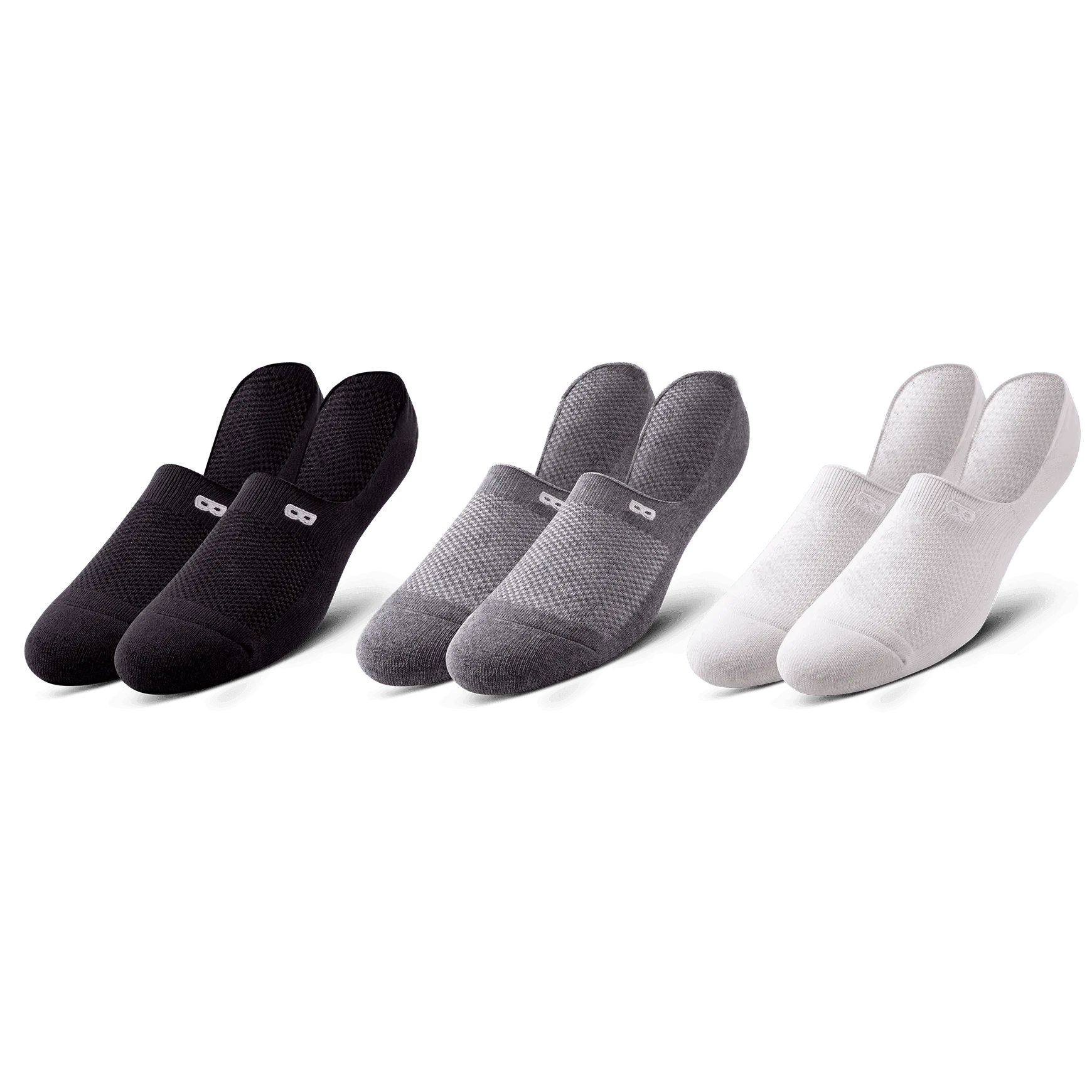
Sock height changes how the sock feels and how it stays in place. Crew socks rise above the ankle and work well with sneakers, boots, and trousers, while low-cut socks sit below the ankle and suit low-profile shoes where you do not want visible fabric. The no show vs crew socks fit question is really about coverage and where the sock grips your foot.
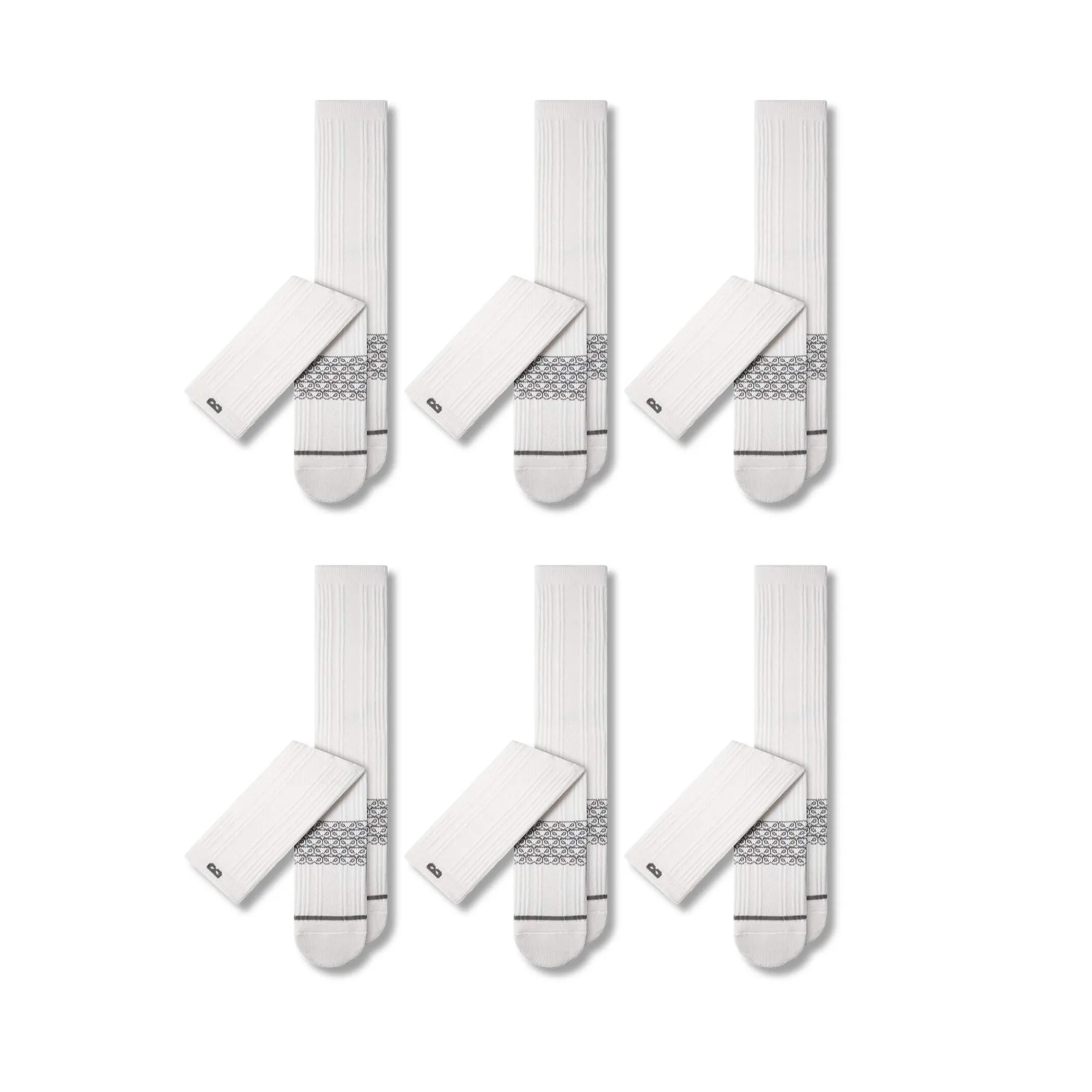
A crew sock has more fabric to anchor around your calf, which can help it stay up during walking. A low-cut sock relies on a snug heel and arch to stay put, so fit matters more. Pair of Thieves makes both: the 4-Way Stretch Cushion Crew (6-Pack) and the 4-Way Stretch Cushion Low-Cut (6-Pack) share the same 4-way stretch build but differ in height.
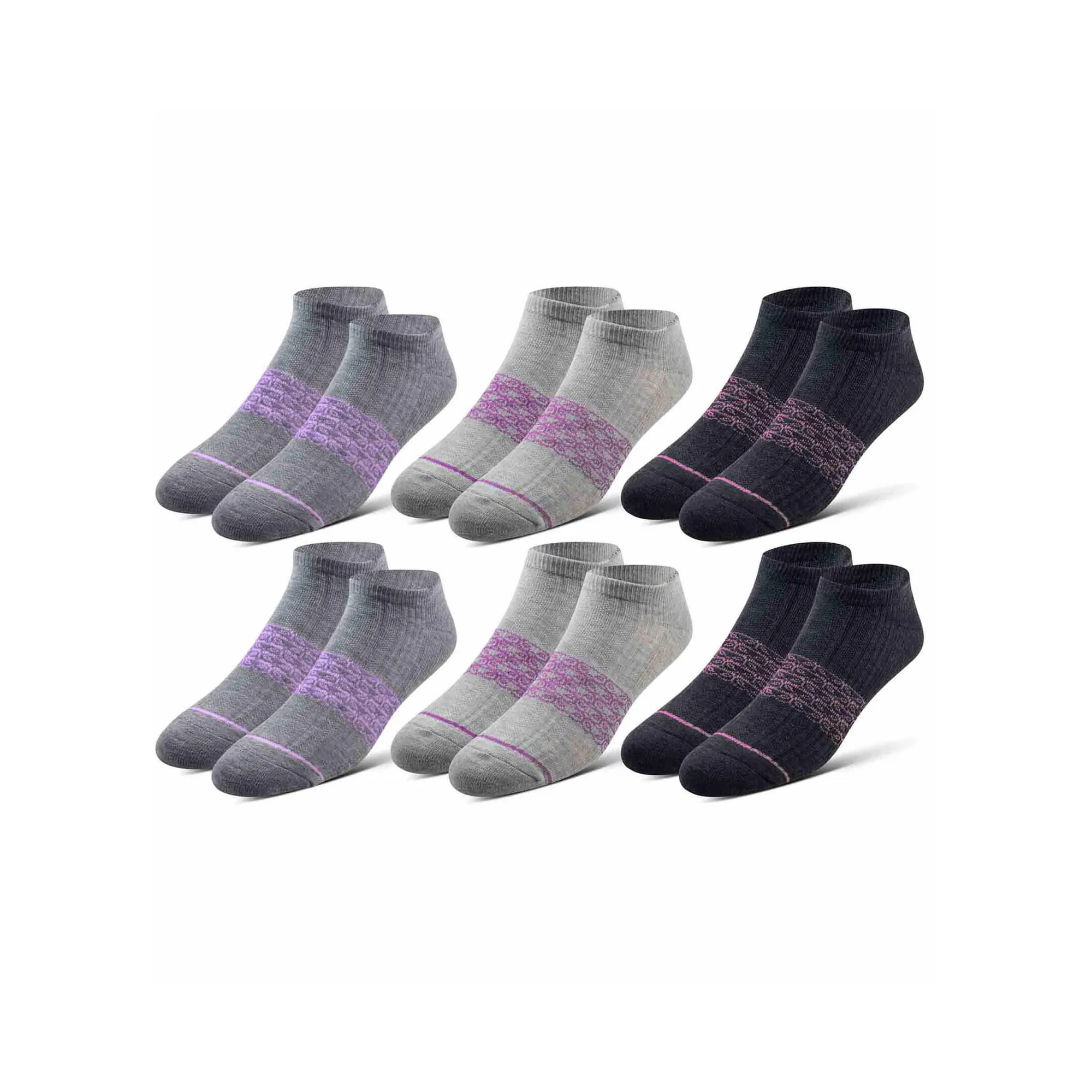
4-Way Stretch Cushion Low-Cut (6-Pack)
- Common mistake: buying low-cut socks in a loose size, then wondering why they slide down.
- Checkpoint: put on your shoe and walk ten steps. The sock should not disappear under your heel.
Check heel, arch, and toe before you commit
A good fit shows up in three places. The heel pocket should cup your heel without extra fabric bunching above it. The arch should feel gently supported, not squeezed. The toe seam should sit at the end of your toes without pressing them together or leaving a gap of loose fabric.
Pair of Thieves 4-Way Stretch socks include built-in arch support and a snug, stretchy fit designed not to slip or slide, according to the product description. That kind of construction helps, but your size still has to be right. If the arch feels tight or the heel pocket sits too high, try the next size up or a different height.
- Common mistake: judging fit only by the toe. A sock can feel fine at the toe and still slip at the heel.
- Checkpoint: no bunching at the heel, no pinching at the arch, no crowding at the toes.
Test the sock in real conditions
Wear the socks for a full day before deciding. Walk, climb stairs, and sit for a while. Socks that feel perfect standing still can slide or bunch once you move. If you plan to wear them for workouts, test them during the activity you have in mind, since sweat and heat change how fabric behaves.
For warm days or active use, look for breathable construction. Pair of Thieves SuperCool Cushion Low-Cut (3-Pack) uses cooling air vents and stay-dry tech with ankle and arch support, which is designed to keep feet fresh. If you run hot or walk a lot, that breathability can matter as much as the size on the chart.
- Common mistake: deciding after five minutes in the store. Fit changes over hours.
- Checkpoint: after a full day, the sock should still sit where you put it.
Care for socks so the fit lasts
Even a perfect fit changes if you wash socks wrong. Heat and high dryer settings can shrink or distort stretch fabrics, which is why Pair of Thieves underwear lists machine wash warm, gentle cycle with like colors, tumble dry low, and do not iron. Treat your socks with similar care unless the label says otherwise.
Wash socks inside out and skip fabric softener, which can coat stretch fibers and reduce their ability to recover. If a sock starts feeling loose after a few months, check your wash routine before blaming the size.
- Common mistake: drying socks on high heat. It shortens their useful life.
- Checkpoint: socks should return to their shape after washing, not stay stretched out.
Your sock fit checklist, in order
- Measure your bare foot in the afternoon: Stand with your heel against a wall, mark your longest toe, and measure both feet. Use the longer measurement. Checkpoint: you have a number in inches or centimeters, not just a shoe size.
- Match that number to the brand's own chart: Use the sock sizing chart on the product page. If you are between sizes, choose based on whether you want a snug or relaxed feel. Checkpoint: your measurement sits inside the range, not on the edge.
- Pick the height for your shoes: Crew for coverage with sneakers, boots, and trousers. Low-cut for low-profile shoes and less visible fabric. Checkpoint: the sock stays above or below your shoe line as intended.
- Test heel, arch, and toe on first wear: The heel pocket should cup your heel, the arch should support without pinching, and the toe seam should not crowd your toes. Checkpoint: no bunching, no pinching, no sliding.
- Wear them for a full day before deciding: Walk, sit, and do your normal activity. Fit can change after hours of wear and sweat. Checkpoint: the sock is still in place at the end of the day.
- Wash them to keep the fit: Machine wash warm on a gentle cycle with like colors, tumble dry low, and do not iron, following the care label. Checkpoint: socks return to shape after washing instead of staying stretched.
Products that show how fit details work
- 4-Way Stretch Cushion Crew (6-Pack): Made with 4-way stretch, a snug yet stretchy fit designed not to slip or slide, breathable ventilated mesh, and built-in arch support. If you want a crew sock that stays up during walking and breathes well, this construction targets the two most common fit complaints.
- 4-Way Stretch Cushion Low-Cut (6-Pack): Same 4-way stretch build with arch support and ventilated mesh, in a low-cut height. A good choice when you want less visible sock fabric but still need the heel and arch to hold the sock in place.
- SuperCool Cushion Low-Cut (3-Pack): Designed with cooling air vents and stay-dry tech, plus ankle and arch support. Useful for warm days or active wear, where a hot, damp sock is more likely to shift and rub.
Sock size is a measurement, but sock fit is a habit: measure your foot, use the brand's chart, choose the height for your shoes, and test the pair in real life. Get those steps right and you will stop guessing in the sock drawer.