Why Fit and Care Go Together
Climbing shoes are your most important piece of gear on the wall. A good fit lets you trust your feet on small edges and pockets, while regular care keeps the rubber sticky and the upper from breaking down too soon. Whether you're buying your first pair or extending the life of a current one, understanding both fit and maintenance will save you money and frustration.
How Climbing Shoes Should Fit
A well-fitting climbing shoe should feel snug everywhere — no dead space around the heel or air pockets along the sides — but not so tight that your toes curl painfully. The goal is a firm, supportive wrap that lets you feel the rock without losing circulation. Most climbers wear their shoes a half to full size smaller than their street shoe, but this varies by brand and last shape.
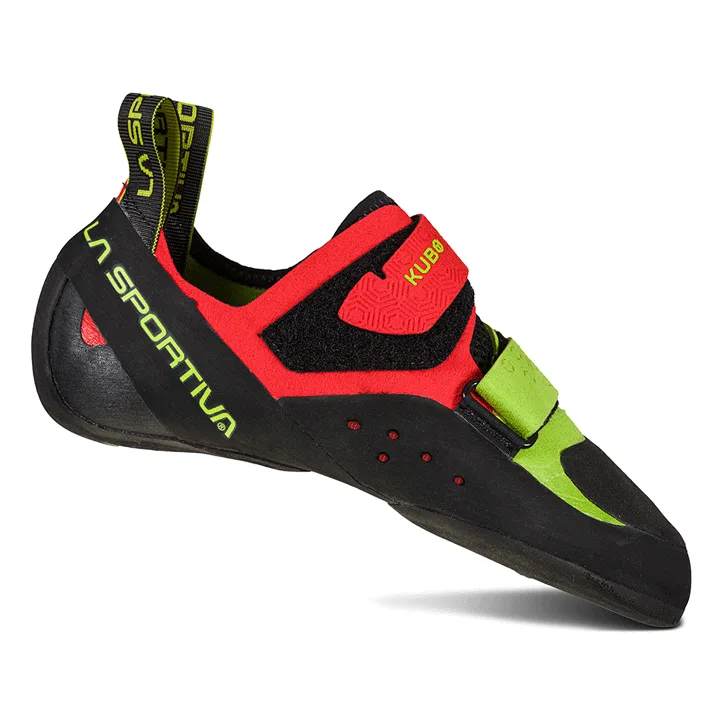
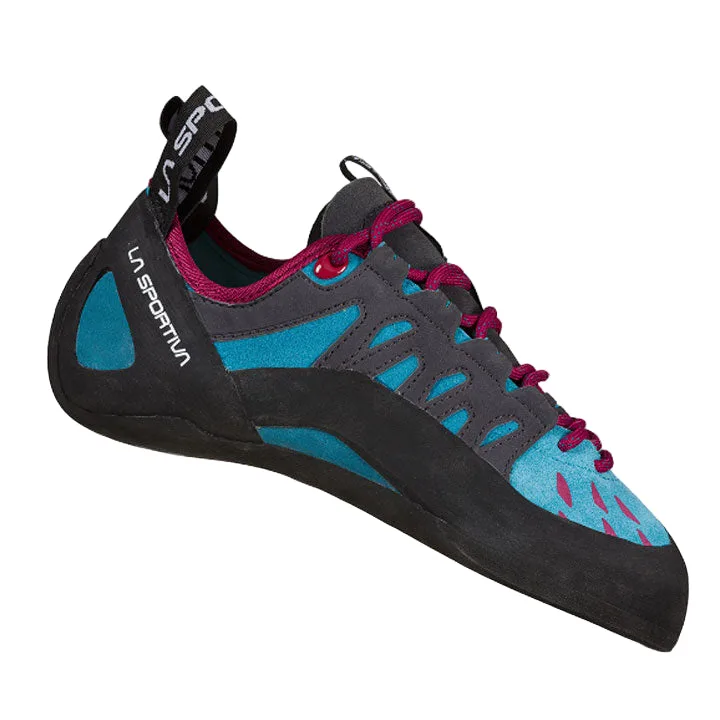
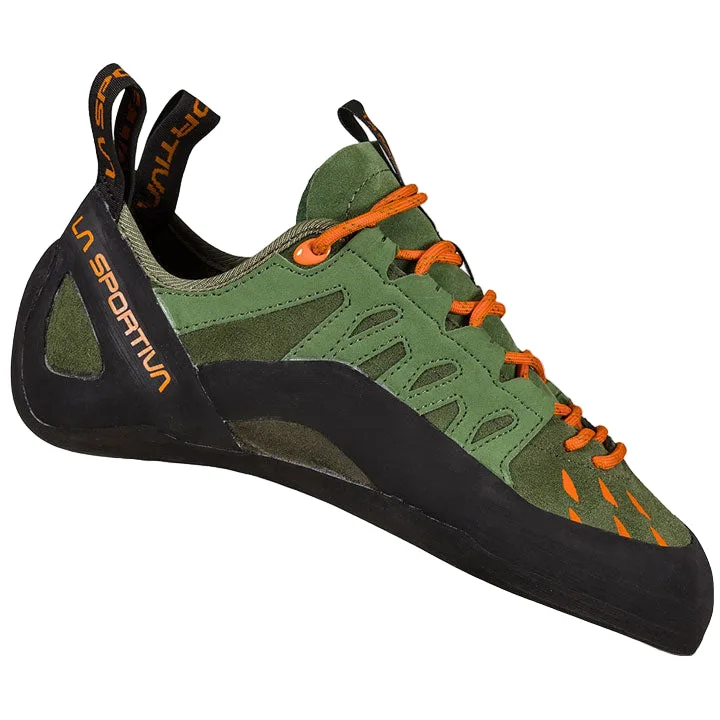
The Tarantulace and Women's Tarantulace are built on lasts (RL 45 and WRL 45 respectively) described as "comfort with low asymmetry." That means they follow a relatively natural foot shape with a mild curve, making them more forgiving for all-day wear or long gym sessions. The Kubo has a slight downturn and subtle asymmetry, which gives a bit more power on steep terrain while still aiming for comfort. Neither shoe is designed for an aggressive, highly downturned fit.
Fit Features at a Glance
-
Womens Tarantulace Climbing Shoe: The Women's Tarantulace has a comfort fit with low asymmetry, unlined leather upper, and roomier toe box. If you want a shoe you can wear for hours without pain, this shape is ideal. The roomier toe box also helps if your toes splay naturally.
Womens Tarantulace Climbing Shoe
-
Mens Tarantulace Climbing Shoe: The Men's Tarantulace shares the same comfort fit, low asymmetry, and roomier toe box as the women's version. Same forgiving fit in a men's last. Good for beginners or anyone who prioritizes comfort over maximum performance.
Mens Tarantulace Climbing Shoe
-
Mens Kubo Climbing Shoe: The Kubo has a slight downturn and subtle asymmetry for better hooking and edging while remaining comfortable. If you boulder or lead climb outdoors and want a shoe that performs on pockets and edges without killing your feet, the Kubo strikes that balance.
Checklist for a Good Fit
- Try them on at the end of the day: Your feet swell during the day, so an evening fitting gives a more realistic sense of how they'll feel on a long climb.
- Wear thin socks or go barefoot: Most climbers wear climbing shoes without socks for better feel. If you need socks, choose a thin synthetic pair.
- Check heel hold: Your heel should not lift when you point your toe or pull on a heel hook. A loose heel leads to slipping and blisters.
- No painful pressure points: The shoe should feel snug but not cause sharp pain. Some discomfort is normal as the leather breaks in, but hot spots that don't ease are a sign of a poor fit.
- Test on a small edge or foothold: If possible, step onto a climbing hold or a small edge to see how the shoe feels under load. Your toes should touch the front without curling under.
Caring for Your Climbing Shoes
Climbing shoes are an investment, and a little care goes a long way. The Tarantulace models feature an unlined leather upper, which means they will stretch over time — up to about half a size. That's normal and part of the break-in process. To slow down wear and keep the rubber sticky, follow these practical steps.
Simple Care Tips
- Air them out after every session: Sweat and moisture break down the glue and leather. Remove the shoes from your bag and let them dry at room temperature. Never put them near a heater or in direct sun.
- Clean the rubber occasionally: Use a soft brush and warm water to remove dirt and chalk from the soles. Avoid harsh detergents that can damage the rubber compound like FriXion® RS.
- Store them in a cool, dry place: Heat and humidity accelerate rubber degradation. Keep them out of the car trunk in summer and away from radiators.
- Replace the velcro or laces when worn: The quick-pull lacing harness on the Tarantulace models is designed for easy adjustment, but if the laces fray or the velcro loses grip, replace them to maintain a secure fit.
- Resole when the rubber wears thin: Once you see the midsole or rand material, it's time for a resole. Catching it early extends the life of the shoe significantly.
What the Records Don't Tell Us
The supplied information confirms the materials, construction, and intended use for the Tarantulace and Kubo models, but it does not include specific care instructions from the manufacturer. The advice above is based on general best practices for leather climbing shoes with sticky rubber soles. For any product-specific cleaning or storage guidance, refer to the care tag inside the shoe or the manufacturer's website.