Quick answer
To fit Defender work earmuffs for all-day comfort, start by extending the headband fully, position the cups evenly over your ears, then adjust the tension so the seal is snug without pressure points.
Why a proper fit matters for all-day wear
Even the best earmuffs can cause discomfort or reduce protection if they don't fit correctly. A poor seal lets noise leak in, defeating the purpose of hearing protection. At the same time, overly tight earmuffs can lead to headaches or ear fatigue after a few hours. The Defender's lightweight design and high-quality materials help, but adjusting them to your head shape is what makes them comfortable for a full shift.
Common fit issues and how to avoid them
Many users wear earmuffs too far forward or backward, which breaks the seal. Others overtighten the headband, thinking tighter means safer. In reality, a moderate, even tension creates the best protection. Also, remember that hair, glasses, or hats can interfere with the cushion seal. Tuck hair behind your ears and position glasses frames flat against your head before fitting the cups.
Step-by-step fitting guide
- Extend the headband fully: Pull both sides of the headband outward to its widest setting before placing the earmuffs on your head. This prevents you from forcing the cups over your ears while the band is too tight. A common mistake is skipping this step and then pulling the cups down, which strains the headband.
- Center the cups over your ears: Position each ear cup so it fully encloses your ear with no gaps at the top or bottom. The cushion should sit flush against your skin all around. Tilt the cups slightly if needed to match the angle of your jaw. If you feel pressure on your ear cartilage, the cup is not centered—adjust until the cushion rests evenly.
- Adjust headband tension: Push the headband upward from each side to shorten it until the cups feel snug but not tight. You should be able to slide one finger between the headband and your scalp. If the band leaves a deep mark, it is too tight. Over-tightening is the most common cause of headaches. A snug seal does not require hard clamping force.
- Check the seal with a sound test: Cup your hands over the outside of the earmuffs while they are on your head. If you can hear a noticeable difference in noise level, the seal is good. If the noise stays the same, reposition the cups and recheck the tension. A poor seal often means the cups are not aligned with your ear canal or the headband is too loose.
- Wear for 10 minutes and re-adjust: After fitting, wear the earmuffs for about 10 minutes during a quiet activity. If you feel any hot spots or pressure, make small adjustments to the cup angle or headband height before starting work. Your head shape and hair volume may change the fit slightly after a few minutes—fine-tuning early prevents discomfort later.
Product used in this guide
-
Defender: The Defender provides protection up to 26 dB and is a lightweight product made from high-quality materials. Its light weight reduces neck strain during extended wear, and the 26 dB rating ensures reliable noise reduction when the fit is correct.
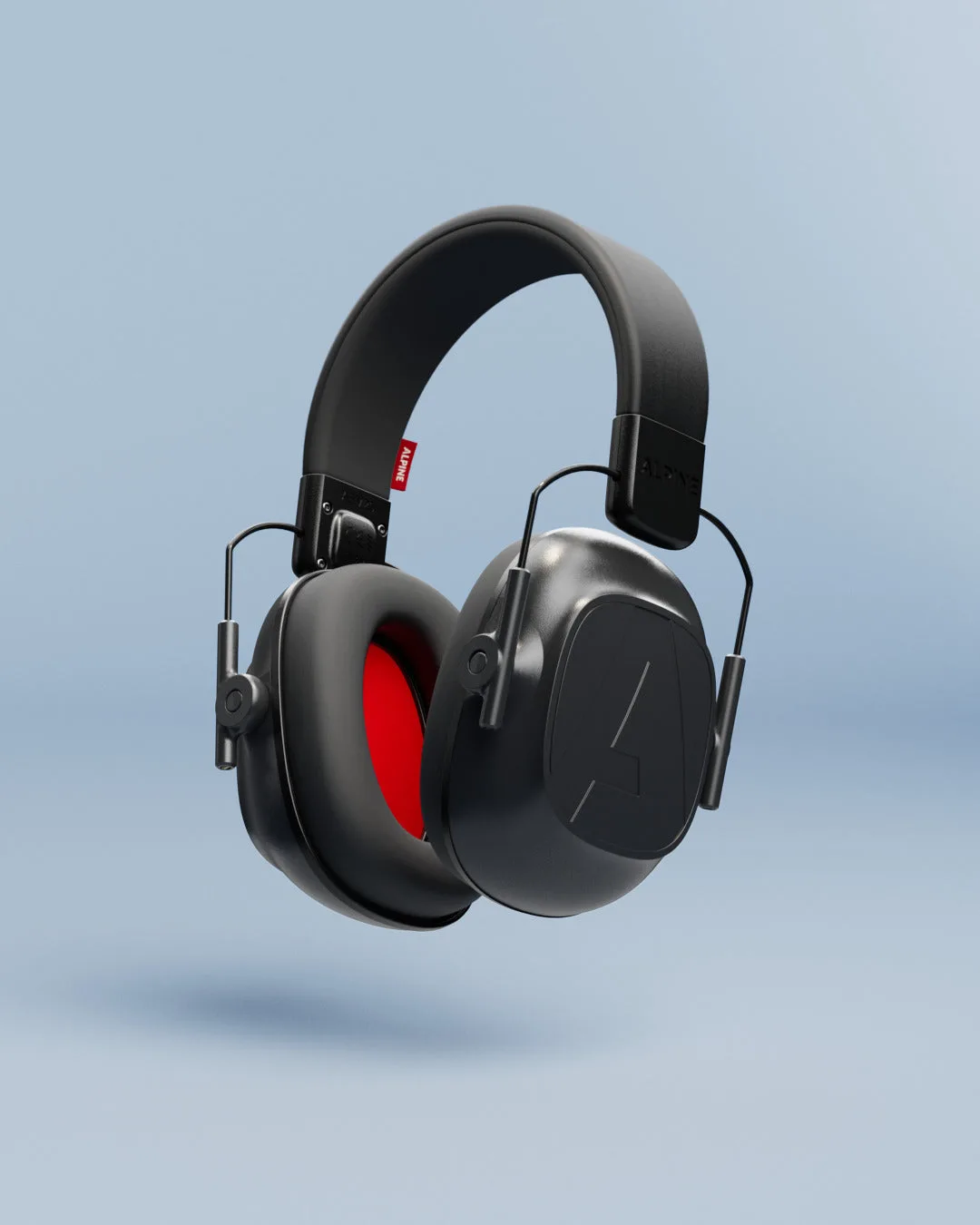
Defender