Quick Answer
Candle smoking usually comes from a wick that's too long, a draft, or low-quality wax. Trim the wick to 1/8 inch before each burn, keep the candle away from drafts, and choose candles with clean-burning wax blends. If smoking persists, extinguish, let it cool, and adjust the wick again.
Few things ruin a cozy ambiance like a candle that smokes. Not only does it look messy, but it can also release soot and dull the fragrance. Fortunately, most smoking issues are easy to fix once you know the cause. This guide walks you through the common culprits and simple solutions for a clean burn.
Whether you're burning a new candle or a favorite you've had for a while, understanding how to prevent smoking extends the life of your candle and keeps the air in your home fresh. Let's troubleshoot.
Common Causes of Candle Smoking
The most frequent reason a candle smokes is a wick that's too long. When a wick is longer than about 1/4 inch, the flame gets too large, causing incomplete combustion and soot. Another common cause is drafts from windows, fans, or air conditioning, which make the flame flicker and produce smoke.
The type of wax matters too. Lower-quality paraffin wax can smoke more easily, while blends like coconut, rapeseed, and mineral wax tend to burn cleaner. Also, if you extinguish a candle improperly (like blowing it out), it will smoke briefly—that's normal. But persistent smoking during a burn indicates an issue.
How to Fix a Smoking Candle
Start by trimming the wick to about 1/8 inch (3 mm) before each lighting. Use a wick trimmer or scissors. This is the single most effective step to prevent smoking. Also, make sure the wick is centered and straight.
Move the candle away from drafts. Even a subtle breeze from a hallway or an open window can cause smoking. Place it in a still area of the room. Additionally, avoid burning your candle for more than 4 hours at a time—this prevents the wick from mushrooming and creating smoke.
If you're using a candle with a wooden wick, remember they may need a bit more trimming. Always follow the manufacturer's guidance for the best results.
- Trim the wick to 1/8 inch before every burn.
- Keep candles away from vents, fans, and open windows.
- Use a candle snuffer or dip the wick in wax to extinguish without smoke.
Preventing Smoking in the First Place
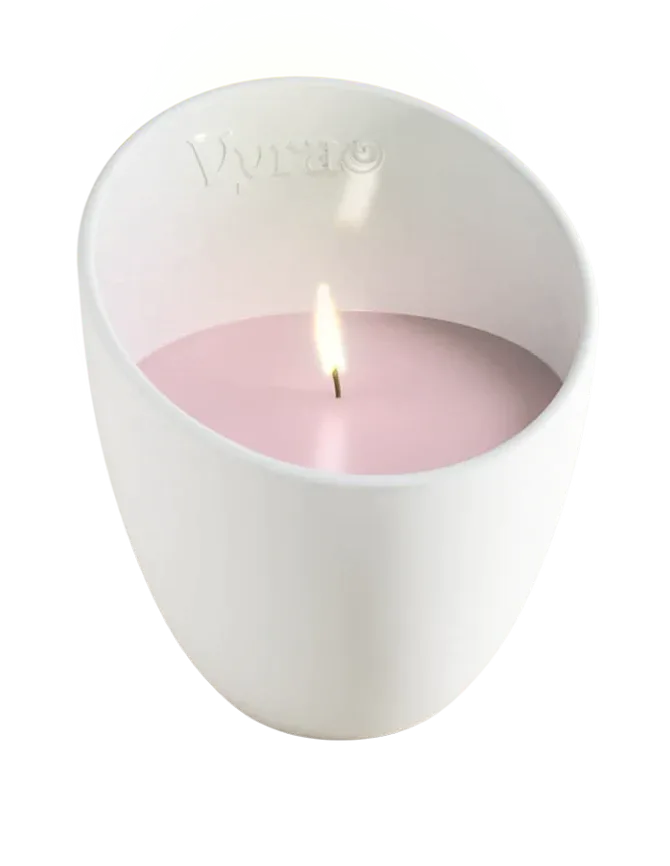
Prevention is easier than fixing a smoking candle. Choose candles made with high-quality wax blends and properly sized wicks. Look for brands that prioritize clean ingredients. For instance, Vyrao candles use a blend of mineral, coconut, and rapeseed wax, which are known for a cleaner burn.
Also, keep the wax pool free of debris like matchstick heads or dust. Store candles with lids or in a cool, dry place to keep the wick clean. Regular maintenance—trimming wicks and keeping the candle level—ensures a consistent, smoke-free burn.
Diagnosis: From Symptom to Solution
- Symptom: Your candle produces a steady stream of smoke while burning, often accompanied by a sooty smell. Identify if the smoke is continuous or only after lighting.
- Likely Cause: Wick too long, draft exposure, or poor wax quality. Check if the wick is over 1/4 inch or if the flame flickers. Inspect the wick length and the candle's location.
- Corrective Action: Trim the wick to 1/8 inch, move the candle to a draft-free spot, and extinguish properly. If the candle still smokes, consider if the wax quality is the issue. After adjusting, relight and observe. If smoke persists, try a different candle.
- When to Stop or Choose Another Option: If you've trimmed the wick and eliminated drafts but smoking continues, the candle may have a wick that's too thick or wax that's prone to sooting. At this point, extinguish the candle and consider choosing a candle known for clean burning, like one with a coconut-rapeseed blend. Your comfort and air quality matter—don't force a candle that won't burn clean.
Vyrao Candle That Burns Clean
- Rose Marie Candle: Rose Marie’s pink wax is created using a blend of mineral, coconut and rapeseed wax. While the rapeseed and mineral waxes are sourced sustainably in Europe, the coconut wax comes from group of small holder farmers in the Philippines. These waxes are known for burning cleaner and more evenly than paraffin, which helps reduce smoking and soot. Choosing a candle with this blend can minimize the issues discussed in this guide.
A smoking candle is often a quick fix. By trimming wicks, avoiding drafts, and selecting quality candles with clean-burning wax blends, you can enjoy a serene, smoke-free glow. Remember to practice proper candle care for a longer, more enjoyable burn.