Quick Answer
A noisy reformer—whether it squeaks, clicks, or rattles—almost always comes down to friction, loose hardware, or debris. Start by checking the rails and rollers, then tighten bolts, lubricate contact points, and inspect the springs. In most cases you can silence the machine in 15 minutes without any special tools.
rails
That squeak or click in your reformer isn't a sign of poor quality. It's a message from your equipment: something has shifted, dried out, or loosened. Before you assume the worst, know that most reformer noise is easy to fix at home. A quiet reformer means a smoother, more focused workout, and restoring that silence is often simpler than you think.
This guide covers the four most common culprits behind a noisy reformer—rails, rollers, springs, and hardware—and gives you a step-by-step diagnosis and fix for each. We'll also tell you when an ongoing noise means it's time to replace a part rather than repair it.
Clean and Lubricate the Rails and Rollers
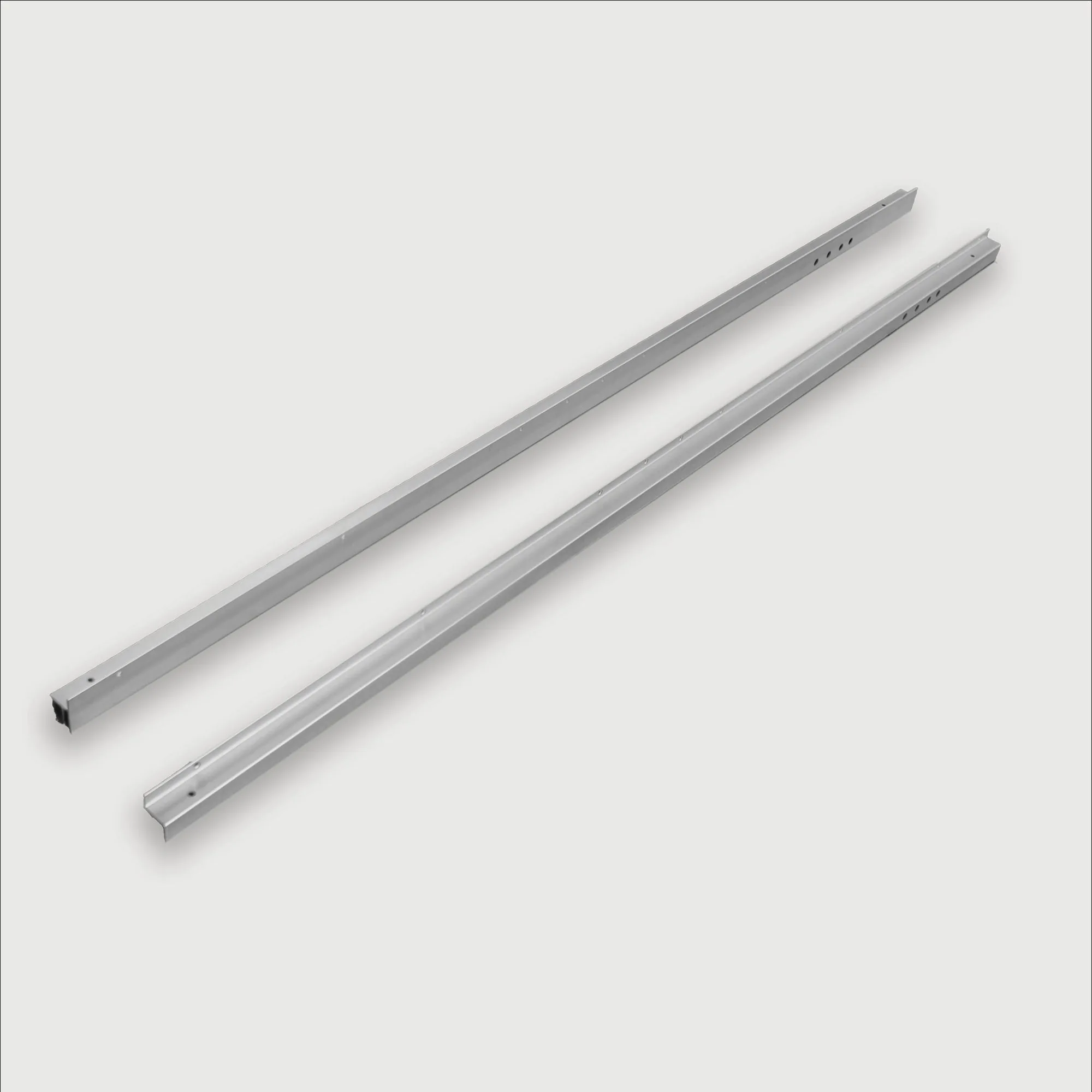
The most frequent source of a noisy reformer is friction between the carriage rollers and the frame rails. Over time, dust, pet hair, and dead skin cells build up on the rails, especially in home studios. That grit creates a rough surface that your rollers have to grind across, producing a dry, scratchy squeak every time you slide.
Start by wiping both rails with a soft, damp cloth to remove surface debris. If the squeak persists, apply a thin layer of silicone-based lubricant (never oil-based—it attracts more dust) to a clean cloth and run it along the full length of each rail. Test the carriage by sliding it back and forth several times. If the noise is gone, you're done. If it remains, the issue may be in the rollers themselves.
Tighten Loose Hardware and Bolts
A clicking or rattling noise that syncs with your movement often points to loose bolts. All reformers—especially folding models—have multiple connection points that can loosen with daily use. The footbar bracket, carriage stoppers, and the frame hinges on a foldable reformer are common culprits.
Using the correct Allen wrench or screwdriver (check your manual), go through every visible bolt and screw. Don't overtighten—just ensure each one is snug. Pay special attention to any bolts that hold moving parts like the footbar adjustment pegs or the shoulder rest brackets. If you own a model like https://eyourreforergf.com/products/pilates-reformer-machine-foldable-f65a59c2a6d0d92cdf28c2dc-1952787The Original Folding, also inspect the hinge mechanism where the frame folds; that joint can develop play over time.
- Check bolts when the carriage is fully rolled back so you can access all attachment points safely.
Inspect and Replace Worn Springs
A metallic twang or pinging sound usually comes from the springs. Each spring attaches via a small hook, and if one of those hooks has started to bend or if the spring itself has stretched unevenly, it will vibrate against the frame during use. Spring noise is also more common when you use only one spring, creating uneven tension.
Visually examine each spring, starting from the attachment point. Look for rust, kinks, or an elongated hook shape. Switch the suspect spring to a different peg and see if the sound follows it. If it does, the spring is likely fatigued. Replace that spring with a new one from a trusted supplier. Always match the resistance level to your existing set to keep the feel consistent.
- Replace springs in matched sets when possible. Mixing old and new springs can create uneven resistance.
Check the Shoulder Rest Brackets and Straps
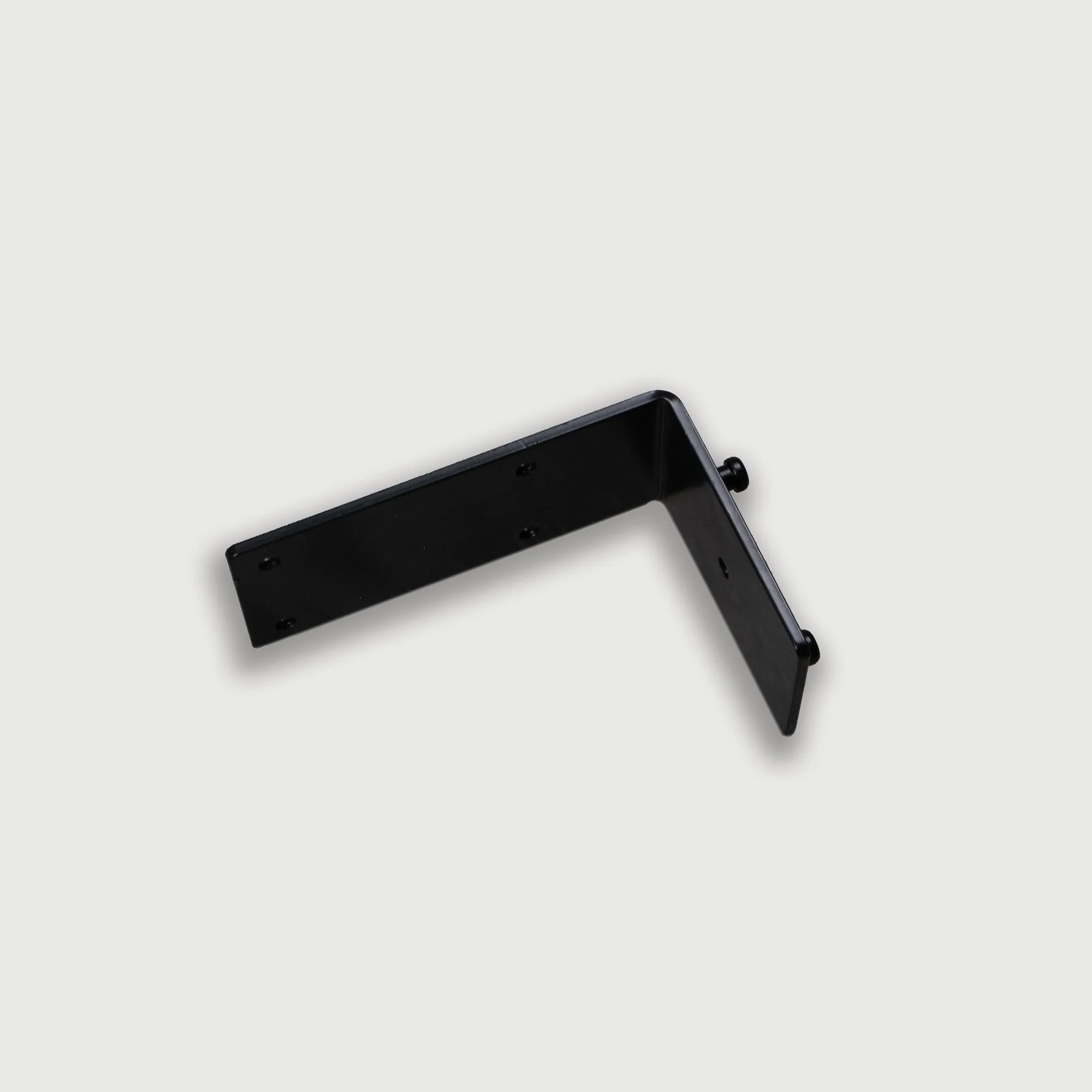
Shoulder rest brackets that are loose or misaligned can create a dull thud or click each time the carriage reaches the back of the rails. The brackets themselves don't move during a workout, but if their mounting screws have loosened, the bracket can shift slightly and knock against the frame. Similarly, the straps that connect the shoulder rests to the carriage can rub against the rail edges if they're not properly seated.
Try firmly pressing down on each shoulder rest while the carriage is stationary. If the rest wiggles, tighten the bolts underneath. If the bracket itself feels secure but the noise continues, the issue may be the rubber gasket (if your model has one). A worn gasket can be replaced easily. For models like The Original Folding, the Shoulder Rest Bracket is available as a genuine spare part, ensuring proper fit and alignment. If the bracket is cracked or bent, replace it rather than trying to patch it.
Symptom → Cause → Fix → Stop Point
- Symptom: Dry, scratchy squeak when sliding: Cause: Debris buildup on rails or dry rollers. Fix: Wipe rails with a damp cloth, then apply silicone lubricant. If the squeak persists, check the rollers for flat spots or damage. If lubrication doesn't help, the rollers may need replacement. Stop using the reformer and contact the manufacturer for roller replacement.
- Symptom: Click or rattle with movement: Cause: Loose bolts or hinge components. Fix: Tighten every visible screw and bolt with the correct tool. Pay special attention to the footbar bracket, carriage stoppers, and folding hinges. If tightening all hardware doesn't stop the noise, inspect for cracked plastic or metal parts. Replace any damaged component rather than continuing to use the reformer.
- Symptom: Metallic twang or ping: Cause: Worn or uneven springs. Fix: Visually inspect springs for rust, kinks, or elongated hooks. Move the suspect spring to another peg. If the sound follows, replace that spring. Replace springs in matched pairs for even resistance. Never mix old and new springs of different resistance levels.
- Symptom: Dull thud at the back of the stroke: Cause: Loose or misaligned shoulder rest bracket. Fix: Tighten the bracket bolts. If the bracket wiggles or the rubber gasket is worn, replace the bracket with a genuine spare part like the Shoulder Rest Bracket. If the bracket is cracked or bent, stop using the reformer. A damaged bracket can compromise shoulder alignment and safety.
Products to Help You Maintain a Quiet Reformer
- Shoulder Rest Bracket: Keep your reformer performing at its best with the Shoulder Rest Bracket from Your Reformer USA. This genuine spare part is designed to match the fit and function of your original equipment, helping maintain proper support and alignment during use. A loose or worn shoulder rest bracket is a common source of dull thuds during a session. Replacing it with an exact-fit part restores quiet operation and safe alignment.
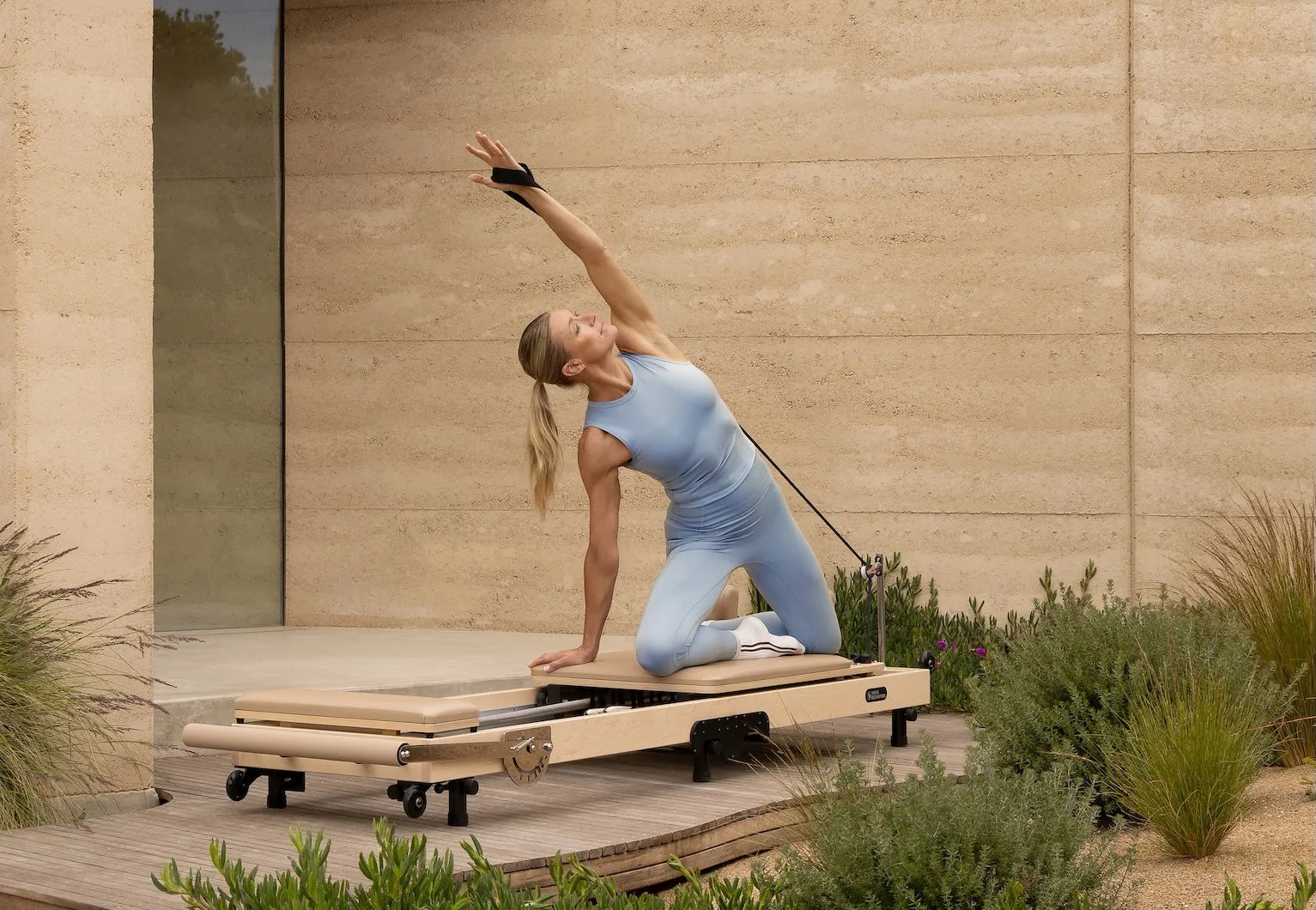
- The Original Folding: The Original Folding Reformer is the foldable Pilates reformer machine that delivers studio-quality workouts at home — on your schedule, in your space, at your pace. No more fighting for studio time slots. This model is engineered with durable hinges and quality components, which reduces the likelihood of noise from loosening hardware. Regular maintenance of the folding mechanism keeps it operating smoothly and quietly.
A noisy reformer is rarely a sign that your machine is broken. In most cases, a quick clean, a few turns of a wrench, or a simple part swap is all it takes to restore silence and smooth movement. By addressing squeaks and clicks early, you protect both your focus and your equipment—keeping your reformer ready for years of quiet, effective workouts.