Quick answer
A sconce that won't stay on the wall usually has loose anchor screws, an undersized mounting bracket, or the fixture is too heavy for the drywall. Start by tightening the mounting screws and checking the wall anchors. If the problem persists, you may need to switch to a wall stud or use a heavier-duty anchor.
Check the mounting bracket and screws first
Most sconces attach to the wall via a metal mounting bracket that screws into the electrical box or directly into drywall. Over time, vibrations or temperature changes can loosen these screws. Turn off power at the breaker, remove the sconce, and tighten the bracket screws with a screwdriver. If the bracket feels loose even when tight, the wall anchors may be stripped.
When to upgrade your wall anchors
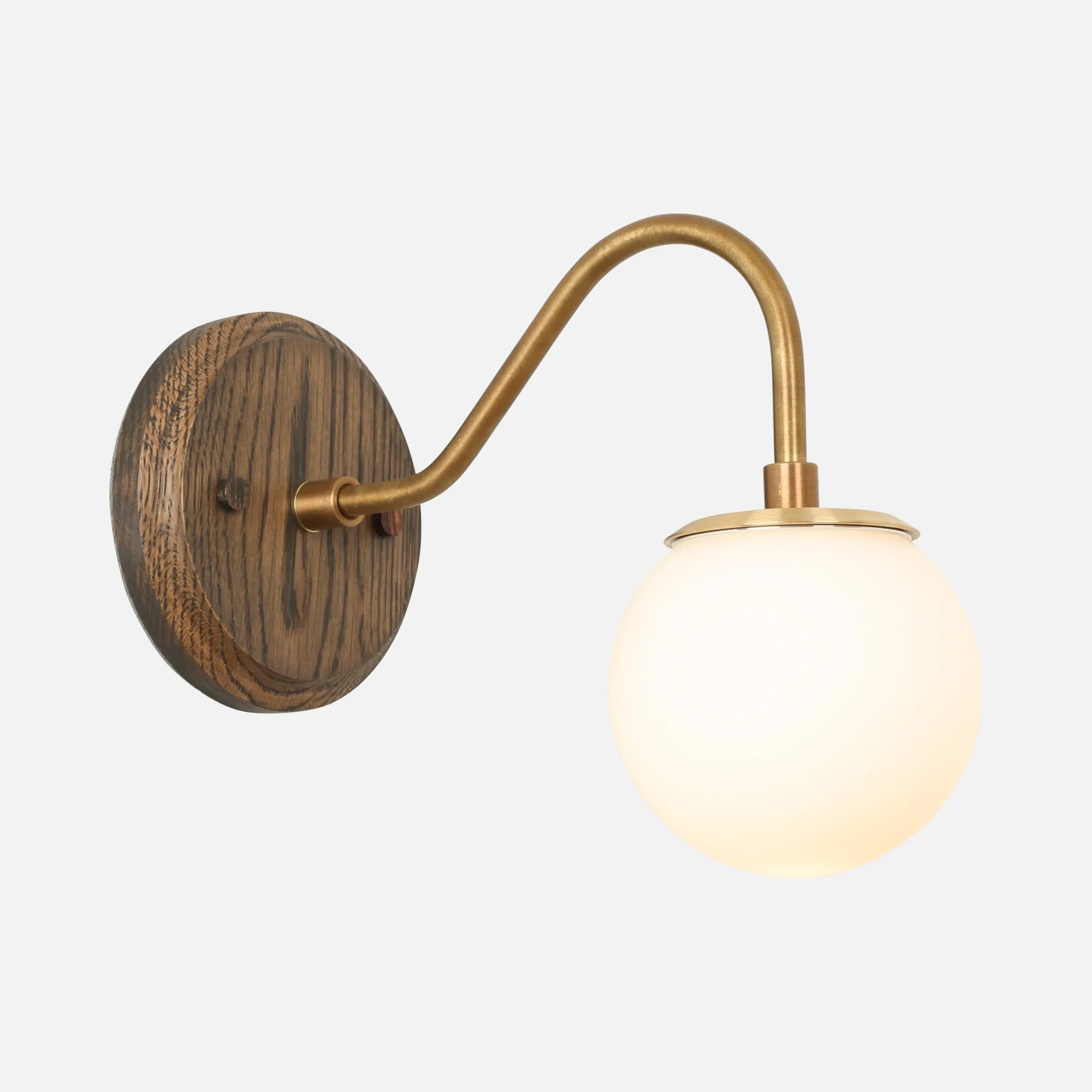
Standard plastic expansion anchors work for lightweight fixtures, but heavier sconces—especially those with metal shades or multiple bulbs—can pull them out. Replace old anchors with toggle bolts or molly bolts rated for at least 25 lbs. For sconces mounted on hollow drywall without a stud, toggle bolts provide the most reliable hold. If your sconce has a wooden backplate, like the Masonboro Sconce, the weight is distributed differently, but the anchors still need to support the full fixture.
Mounting directly into a wall stud
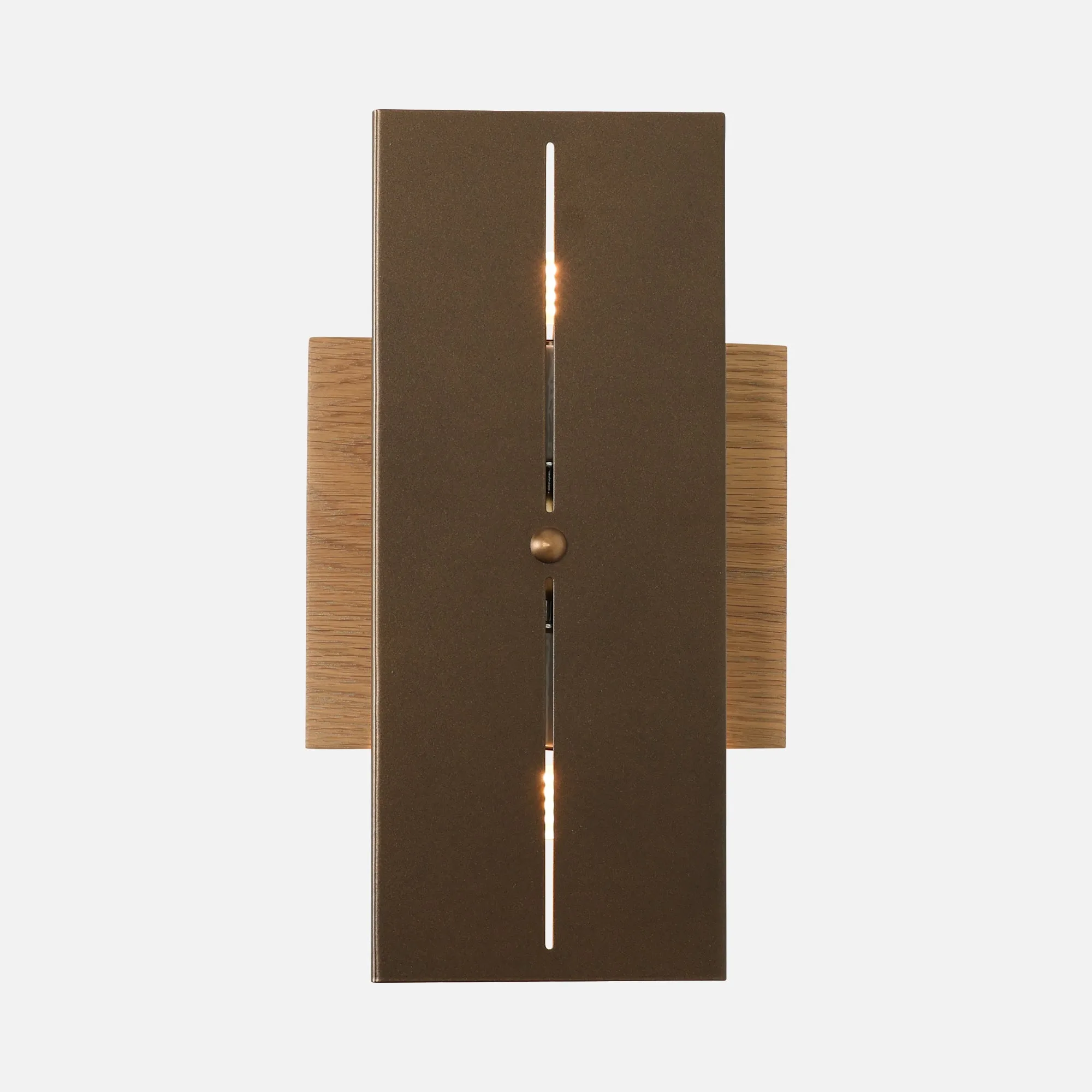
The most secure fix is to anchor the bracket into a wooden wall stud. Use a stud finder to locate one behind the sconce location. If the electrical box is already attached to a stud, you're set. If not, you may need to cut a small access hole to add a support block between studs. This is a more involved fix but eliminates wobble permanently. Sconces with shallow profiles, such as the Wren ADA Sconce (2.75" depth), are easier to align with studs because they don't protrude far.
Verify the fixture weight and bracket compatibility
Not all wall sconces are designed for the same mounting hardware. A double-arm sconce like the Double Cone Sconce weighs more than a single-globe fixture, so its bracket must be rated for that load. Check the manufacturer's instructions for the maximum weight the bracket can support. If your current bracket seems flimsy, consider replacing it with a heavy-duty metal bracket from a hardware store.
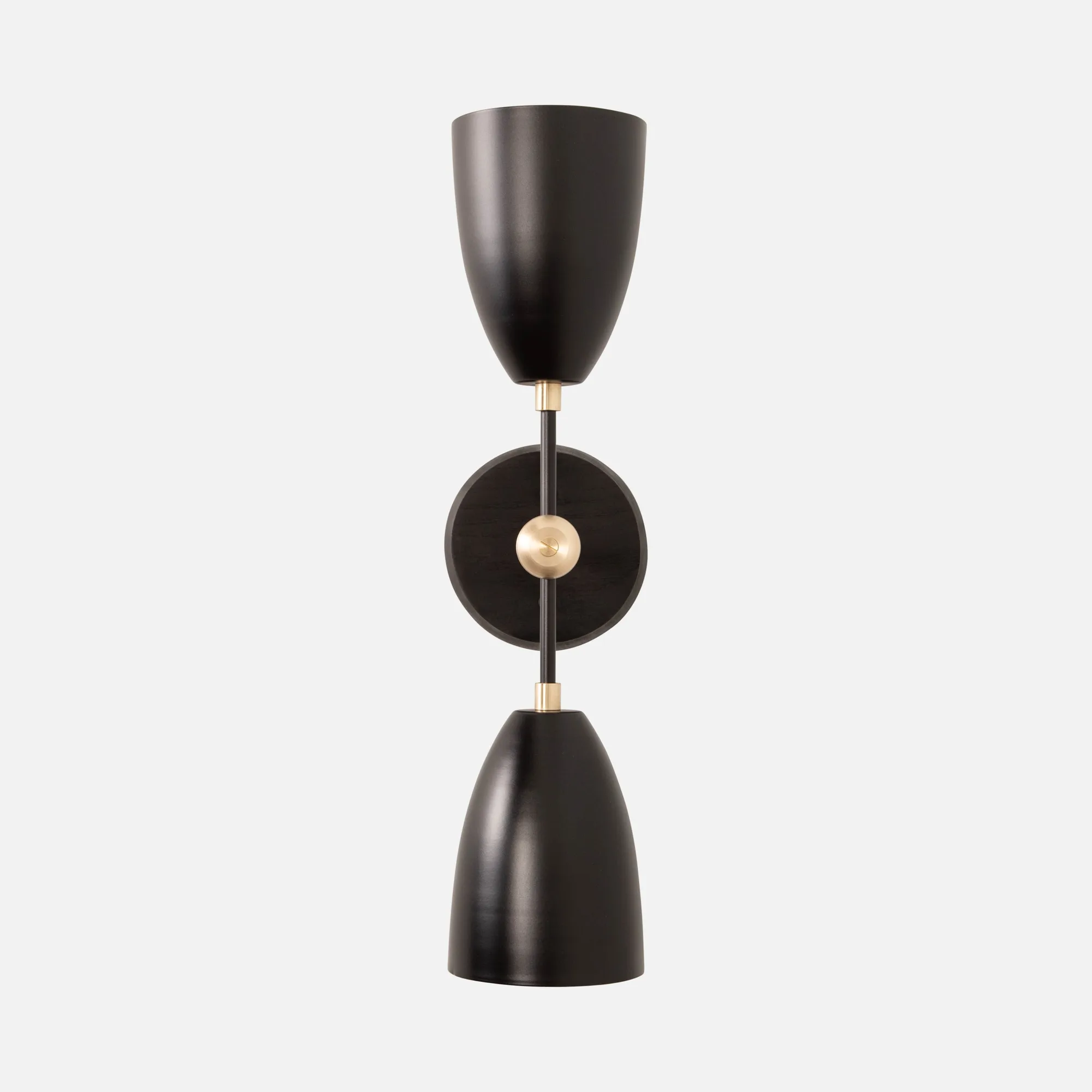
Double Cone Sconce
Diagnosis: Why your sconce won't stay on the wall
- Symptom: The sconce tilts forward or pulls away from the wall when touched, or you see a gap between the backplate and the wall surface. Check for loose screws or damaged anchors first.
- Likely cause: Stripped plastic anchors, undersized mounting bracket, or the fixture is mounted only into drywall without a stud. Heavier sconces (e.g., double-arm designs) are more prone to this. If the bracket is loose after tightening, the anchors have failed.
- Corrective action: Replace old anchors with toggle bolts or molly bolts rated for the fixture's weight. If possible, relocate the bracket to attach to a wall stud. For sconces with wooden backplates, ensure the bracket screws are long enough to bite into the stud. Test by gently pulling the sconce after installation—if it still moves, use a stud or stronger anchor.
- When to stop or choose another option: If the electrical box is loose inside the wall, or if you cannot find a stud and the wall is plaster or lath, stop and consult a licensed electrician. Continuing could damage the wall or create a fire hazard. For complex wall types or loose boxes, professional help is safer.
Sconces that work well with secure mounting
- Masonboro Sconce: This sconce features a matte, opal glass globe, a traditional silhouette and a striking wooden backplate. The petite, glass globes are matte finished, opal glass for soft, diffused light. Certifications UL and cUL damp locations. The wooden backplate distributes weight evenly, reducing stress on wall anchors and making it easier to mount securely without wobbling.
- Wren ADA Sconce: The Wren ADA Sconce is made of slotted and folded brass or steel and a one of a kind hardwood backplate. At 2.75” in depth, the Wren is perfect for hallways or any space that needs lighting without much protrusion to meet ADA requirements. Its shallow depth and hardwood backplate make it easier to align with a wall stud, and the low profile reduces leverage that can loosen fixtures over time.