Quick answer
To fix a small snag in tights, gently pull the fabric around the snag to redistribute tension, then use a tiny dab of clear nail polish or a drop of fray-check glue on the loop to seal it. For larger snags or runs, stop immediately and consider replacing the tights to avoid worsening the damage.
What you need to fix a snag
A snag repair kit isn't required—most fixes use items you already have. Clear nail polish, a fine needle or toothpick, and a pair of small scissors are enough. For delicate fabrics like the luxury microfiber leg of the Chic Dot Sheer Tights (93% nylon, 7% elastane), avoid pulling the snag too hard; the four-way stretch can cause the run to spread. Work on a flat, well-lit surface and keep your hands dry.
Step-by-step snag repair for tights and stockings
First, identify whether you have a snag (a pulled loop) or a run (a line of broken threads). For a snag, use a needle or toothpick to gently coax the loop back into the weave from the wrong side of the fabric. Never cut the loop—that turns a snag into a run. Once the loop is repositioned, apply a tiny drop of clear nail polish to the area and let it dry completely. This seals the fibers and prevents further unraveling.
For a run that has already started, the repair is more limited. Apply clear nail polish at both ends of the run to stop it from lengthening. If the run is longer than an inch or located in a high-stress area like the knee or thigh, the structural integrity is compromised and the tights are best retired.
When to stop and choose a replacement
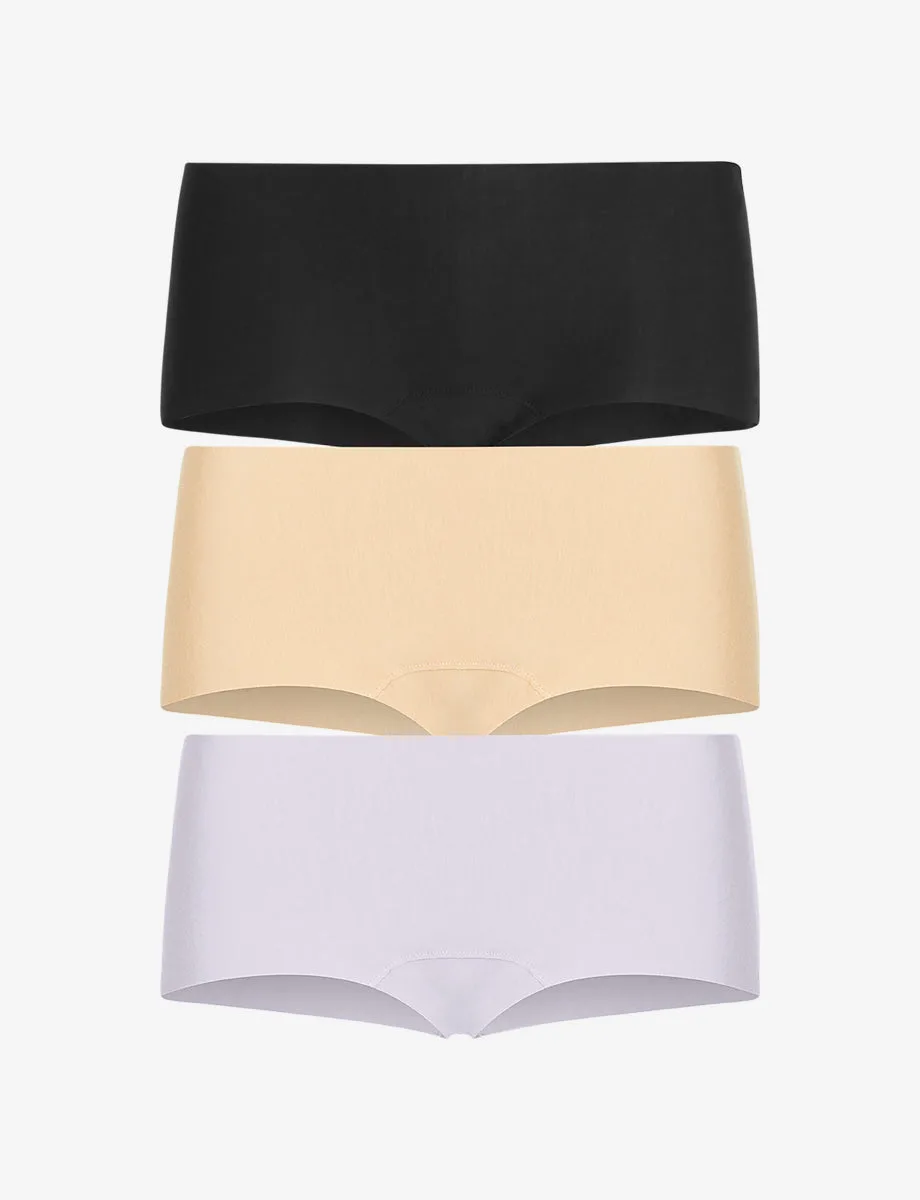
Not every snag is fixable. If the snag has pulled multiple threads or the fabric is torn, repair will be visible and the fit will be compromised. Similarly, if the tights are already showing signs of wear in other areas, it's more practical to replace them. Investing in a durable pair like the Chic Dot Sheer Tights, with its patented dig-free raw-cut microfiber waistband and cotton-blend gusset, can reduce future snags because of its reinforced construction. For everyday wear, consider a multi-pack option like the https://wearcommandoyhm.com/products/classic-solid-bikini-f36f35514edec6f3dc275af7-1002191Classic Solid Bikini 3-Pack for bottoms, though for hosiery specifically, look for styles with higher elastane content for better recovery.
Snag diagnosis guide
- Symptom: A single pulled loop visible on the surface of the tights, with no broken threads or laddering. This is a snag, not a run—fixable with gentle repositioning and sealant.
- Likely cause: Contact with a rough surface (e.g., jewelry, fingernails, Velcro, or a rough chair edge) caught the fabric loop. Avoid wearing tights around sharp accessories or rough furniture to prevent future snags.
- Corrective action: Use a needle or toothpick to push the loop back from the wrong side, then apply clear nail polish to seal. Let dry for 2-3 minutes. If the loop won't stay flat or the fabric puckers, the snag may have damaged the weave—consider replacing the tights.
- Stop or choose another option: If you see a run (a line of dropped stitches) or the snag has torn the fabric, repair will not restore integrity. Replace the tights to avoid visible damage and discomfort. For long-term durability, choose tights with higher elastane content, like the Chic Dot Sheer Tights (7% elastane), which offer better recovery and snag resistance.
Product facts
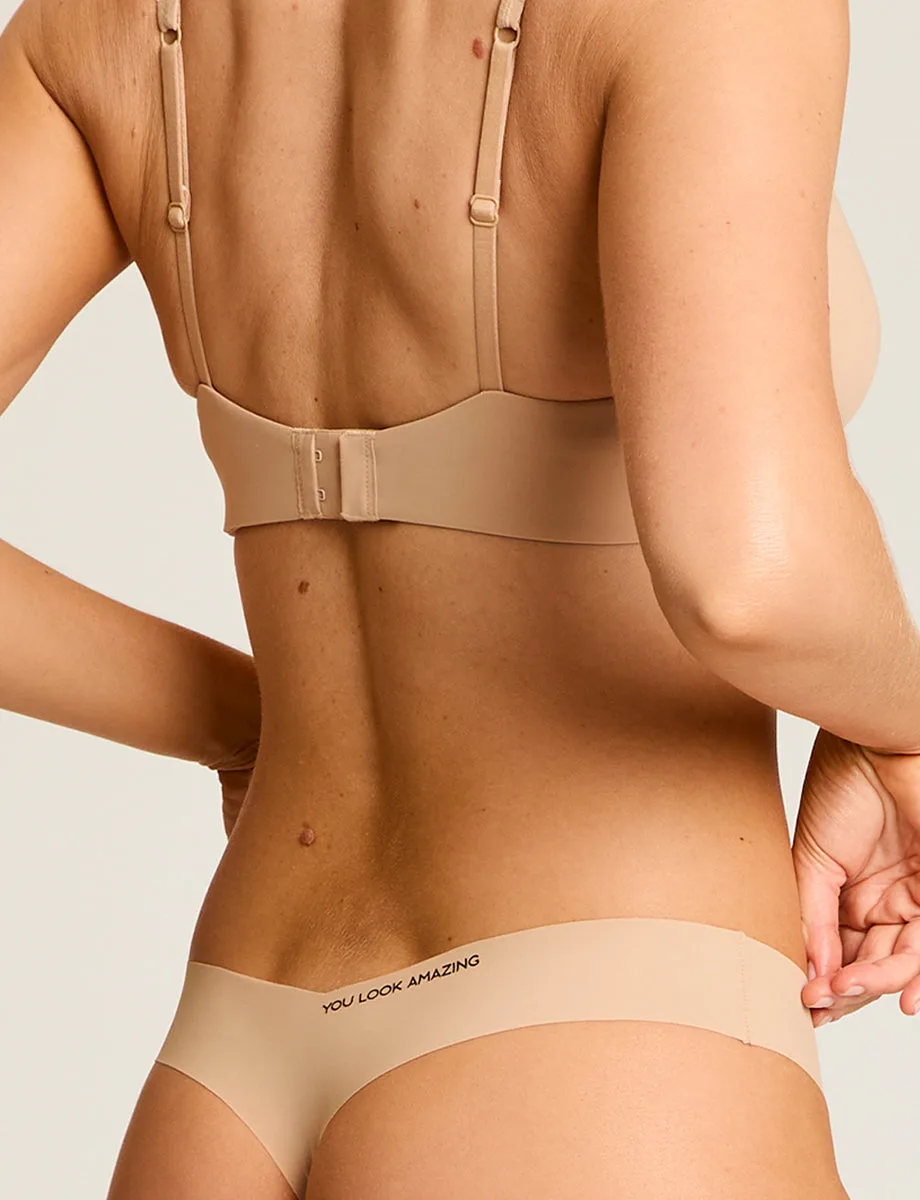
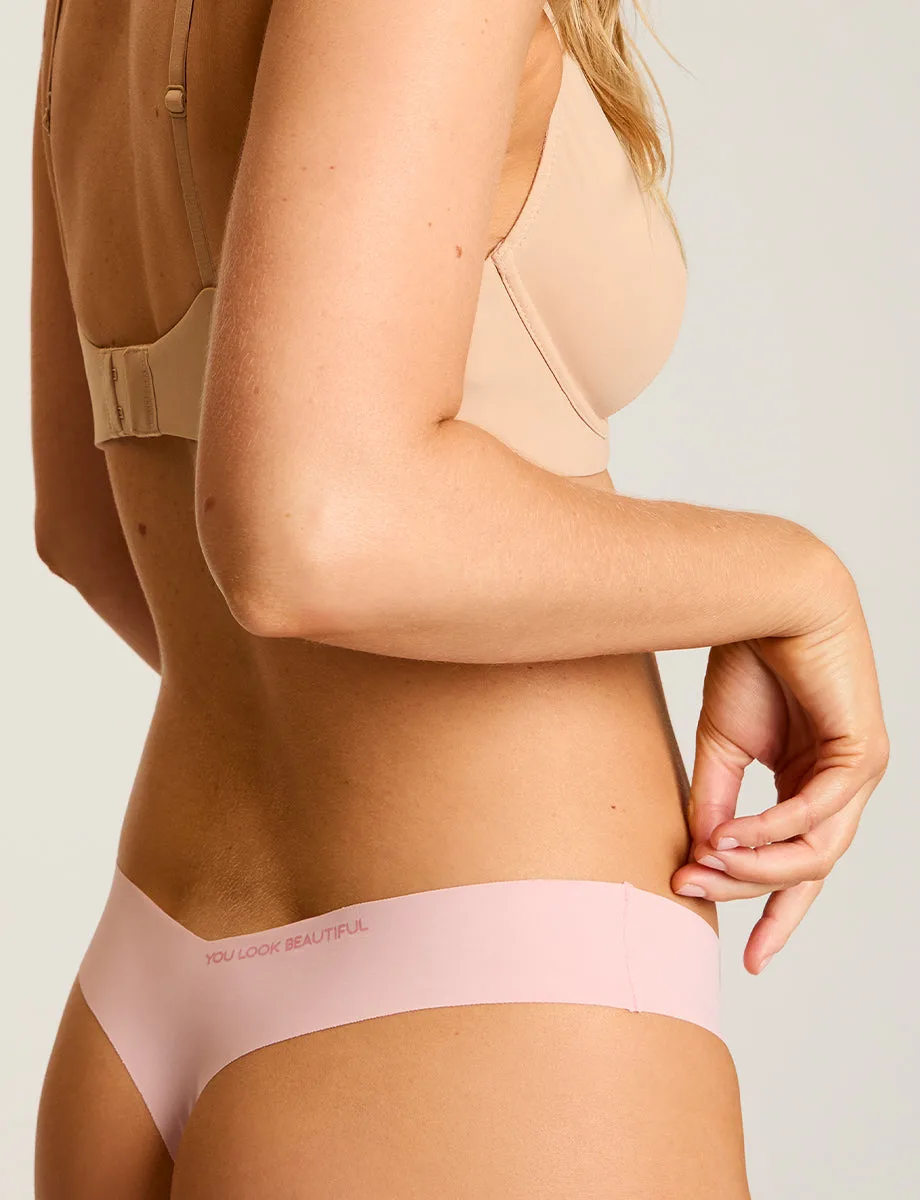
- Chic Dot Sheer Tights: The Chic Dot Sheer Tights feature a luxury microfiber leg (93% nylon, 7% elastane) and a patented dig-free raw-cut microfiber waistband. They are fit-tested by real women and have a cotton-blend gusset. The higher elastane content (7%) gives these tights more stretch and recovery, which can help reduce the likelihood of snags compared to tights with less elastane. The raw-cut waistband also eliminates digs, making them more comfortable for all-day wear.